





Antique Pickle Dishes
Antique pickle dishes are small, purposeful vessels designed for the table, prized for their charm and variety across porcelain, glass, and silver plate.
Antique Pickle Dishes
Antique pickle dishes take many small forms on the table, serving preserves, condiments, and relishes alongside larger meals. Collectors searching this phrase encounter everything from Georgian soft-paste porcelain leaf trays to Edwardian silver plate stands with glass liners.
The materials span soft-paste porcelain, earthenware, cranberry glass, cut glass, and silver plate. Styles range across Georgian, Victorian, Edwardian, Art Deco, and Jugendstil.
Forms include single leaves, shells, trefoils, double hearts, and multi-bowl condiment stands. These pieces reflect dining habits from the eighteenth century through to the early twentieth century.
How they were made
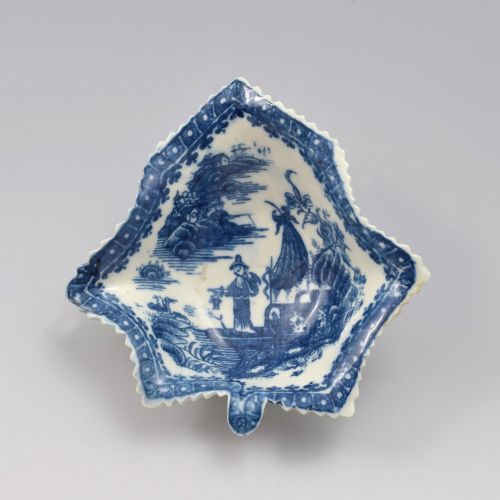
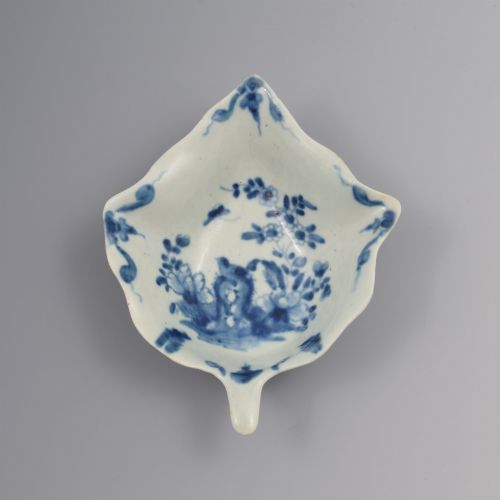
Makers shaped porcelain pieces into leaves and shells, applying blue and white transfer patterns such as the fisherman design or hand-painted motifs like the two peony rock bird pattern under a glaze.
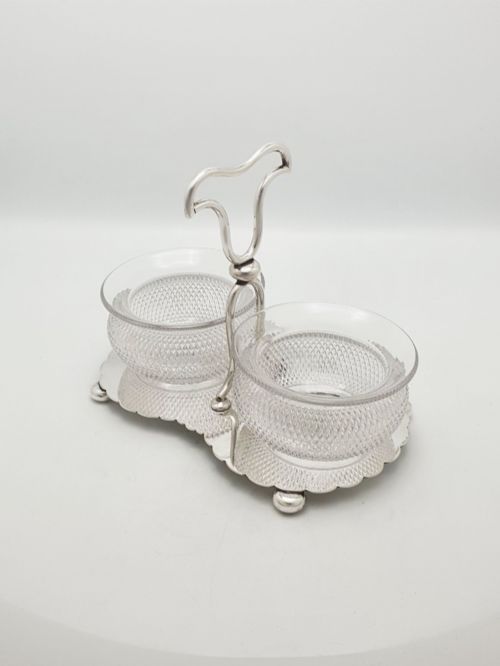
Glass pieces utilise cranberry glass, vaseline glass, and cut glass techniques, often paired with silver plate or silver gilt mounts, baskets, and frames.
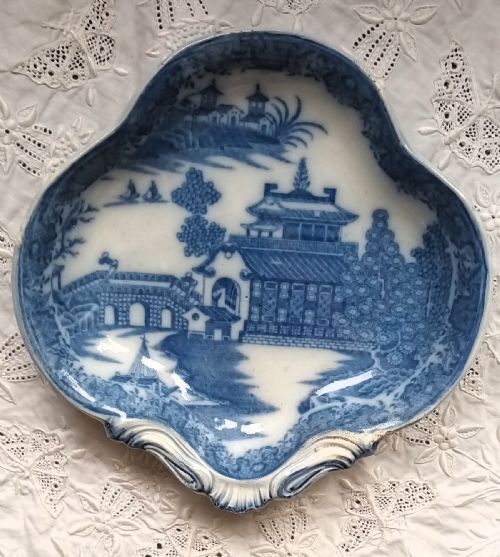
Earthenware examples employ ironstone and pottery bodies decorated with transferware prints including Chinoiserie and Indian grasshopper patterns.
Antique Pickle Dishes Retail Price Guide 2026
Typical asking prices for pickle dishes among the pieces listed under this phrase on Sellingantiques today, from the lower quarter to the upper quarter. They describe what is for sale here now, not the wider market.
Pickle leaves shaped by eighteenth-century potters bring garden greens straight to the dining table.
What varies in quality
Quality rests in the crispness of the moulding and the precision of the hand-painting or transfer printing on porcelain bodies. Early soft-paste pieces with clear, detailed brushwork stand apart from simpler production.
The integration between glass liners and their metal mounts dictates the refinement of later silver-plated and condiment examples. Original glass combined with clean silver plate elevates an assemblage.
Caughley·Dr Wall·Liverpool Pennington·Mason’s Ironstone China·WMF
The Antique Pickle Dishes Glossary
- Soft-paste porcelain
- A type of ceramic fired at lower temperatures than hard-paste porcelain, common in eighteenth-century English factories. It produces a warm, slightly creamy body with a soft glaze.
- Transferware
- Pottery or porcelain decorated by applying a printed design from an engraved copper plate onto the ceramic surface. Blue and white transfer designs were widely used on Georgian and nineteenth-century dishes.
- Silver plate
- A base metal coated with a thin layer of silver, frequently utilised for Edwardian and later frames, caddies, and condiment stands. It provides the appearance of solid silver at a different cost.
- Cranberry glass
- A type of glass coloured with gold chloride, yielding a distinct pinkish-red hue. It appears frequently in Victorian preserve and relish dishes.
- Jugendstil
- The continental European manifestation of Art Nouveau, prominent around nineteen-ten. Pieces in this style feature flowing, organic lines and natural motifs.
Antique Pickle Dishes: Frequently Asked Questions
What were antique pickle dishes used for?
These small dishes held pickled vegetables, relishes, or sauces to accompany main courses on the dining table. They provided a dedicated vessel for strong condiments that would otherwise crowd larger platters.
Over time, their uses expanded to include sweetmeats, preserves, and hors d'oeuvres as dining styles shifted from the eighteenth century into the twentieth century.
How do I date a porcelain pickle dish?
Dating relies on identifying the factory mark, the ceramic body type such as soft-paste porcelain or ironstone, and the manufacturing technique. Stylistic clues like Chinoiserie transfer prints or leaf moulding styles also point to specific decades.
Comparative study of known factory patterns, such as eighteenth-century Worcester or Caughley designs, helps narrow down the period of production.
Are silver plated stands difficult to care for?
Silver plated stands require gentle cleaning with appropriate metal polishes to maintain their finish without wearing away the plated layer. Glass inserts should be washed separately in warm soapy water.
Regular, careful maintenance keeps the metal bright and preserves the integrity of any fitted glass bowls or liners.
Can I use antique glass dishes for food?
Many collectors prefer to use these dishes for display rather than active dining, particularly for fragile soft-paste porcelain or pieces with delicate gilding. Glass and silver-plated condiment dishes are sturdier but still benefit from careful handling.
Hand washing is essential for all antique tableware to protect glazes, glass surfaces, and plated metal components from modern dishwasher detergents.