


Victorian Transferware Dishes
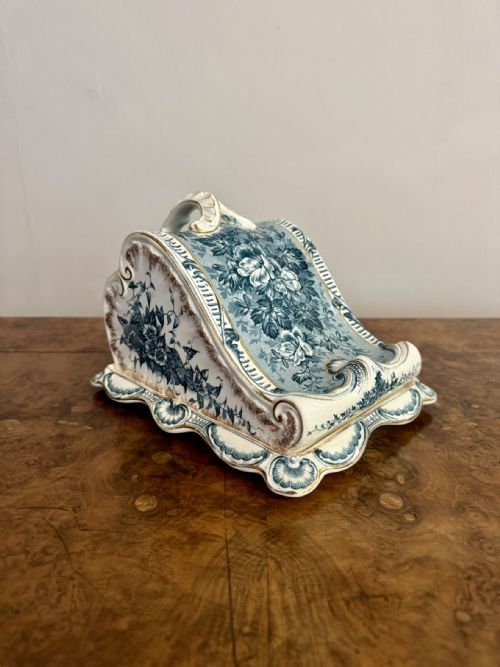
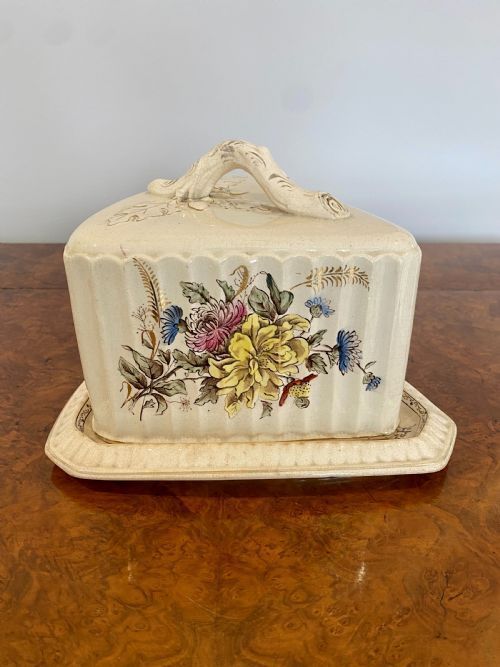
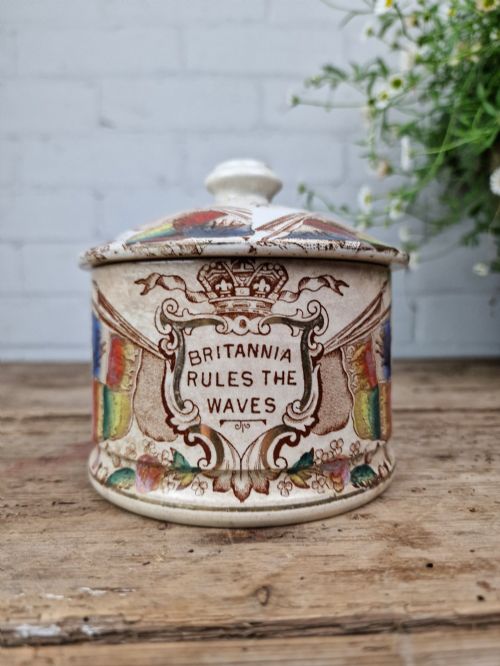
These Victorian transferware dishes bring nineteenth-century scenes to the table in blue and white earthenware.
Victorian Transferware Dishes
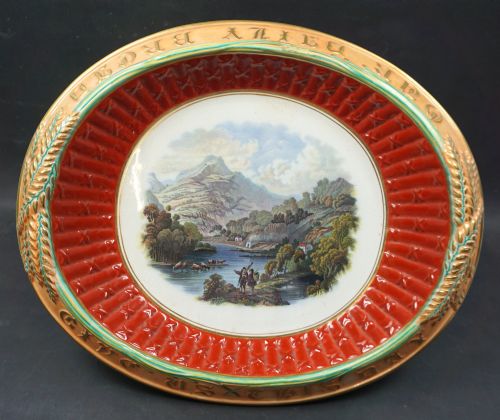
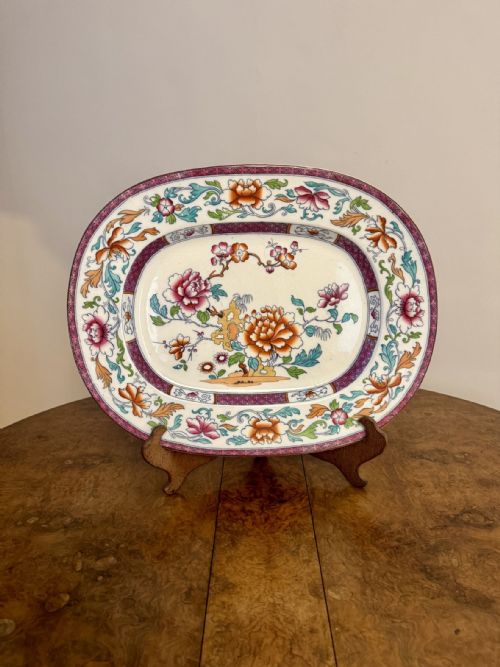
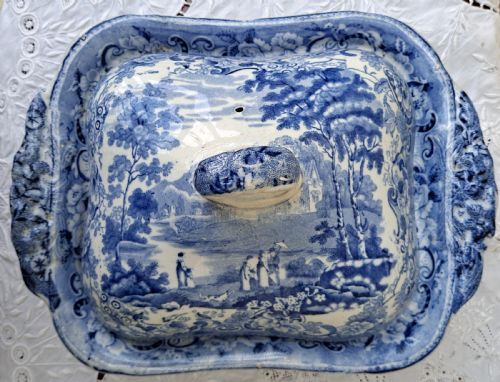
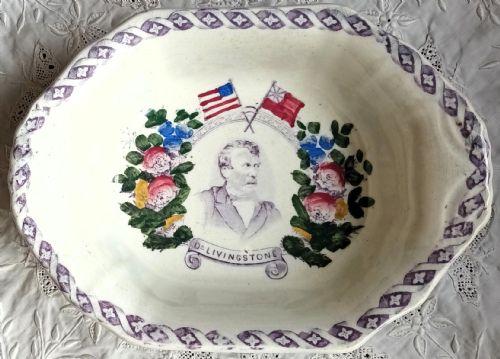
Victorian transferware dishes span utility and display, taking the form of large meat platters, vegetable tureens with covers, and decorative plates. The blue and white palette dominates, recording rural scenery, architectural views, and classical patterns across earthenware bodies. Buyers encounter robust serving pieces alongside commemorative items and matching sets designed for nineteenth-century dining.
The utility of these pieces dictated their robust earthen construction, yet makers applied pictorial copperplate prints ranging from willow patterns to specific historical subjects. Domestic forms such as cheese dishes, butter dishes, and fruit bowls appear alongside expansive platters intended for heavy family joints. The nineteenth-century table relied on these durable ceramics for daily service and formal presentation alike.
Materials and technique
Potters shaped earthenware and stoneware bodies before applying printed designs via engraved copperplates and tissue paper. This transfer printing technique allowed intricate scenes, such as rural landscapes and botanical borders, to repeat cleanly across plates, platters, and tureens.
A glossy glaze sealed the transferred pigment, protecting the ceramic surface through repeated use and washing. Selected pieces received additional touches of enamel or gilt, adding colour and metallic highlights to specific areas of the printed design.
Serving platters and vegetable tureens dominate the forms, alongside specialised cheese and butter dishes.
Evaluating quality
The clarity of the transfer print dictates visual merit, separating sharp, deep blue impressions from blurred or smudged applications. Crisp lines in complex architectural or landscape scenes indicate careful copperplate alignment during production.
Body thickness and weight distinguish utilitarian ironstone or heavy earthenware from finer ceramic bodies, while the smoothness of the glaze determines the tactile finish of the dish. Potteries achieved distinction through the crispness of their moulding, particularly around handles and lids on tureens and cheese covers.
James Wallace & Co·Minton·Doulton Burslem·John Ridgway·Copeland & Garrett·Ridgways
The Victorian Transferware Dishes Glossary
- Transferware
- Pottery decorated by printing a design from an engraved copperplate onto paper and then transferring it onto the ceramic body before glazing. This method enabled mass production of detailed pictorial scenes.
- Tureen
- A deep covered bowl used for serving soups, vegetables, or sauces at the dining table. These vessels often include matching ladles and decorative handles.
- Earthenware
- Porous ceramic pottery fired at lower temperatures and rendered impermeable to liquids by a glassy glaze. It forms the standard body for nineteenth-century domestic tableware.
- Platter
- A large flat serving dish used for presenting meat, fish, or large portions of food. Nineteenth-century examples often feature shallow wells and drainage channels.
- Stone China
- A durable, dense ceramic material developed in the nineteenth century to bridge the gap between earthenware and porcelain. It resisted chipping better than standard soft pastes.
Victorian Transferware Dishes: Frequently Asked Questions
How do I use these dishes today?
These serving pieces adapt readily to modern dining for presenting sharing platters, side dishes, or bread at the table. Their robust earthenware construction suits continued domestic service alongside display.
Larger platters and tureens also function as decorative focal points on sideboards or open shelving when not in active use. Care should be taken with historical glaze surfaces during washing.
What motifs appear on these patterns?
Landscapes, architectural landmarks, and classical narratives provide the primary visual themes across nineteenth-century printed ceramics. Traditional oriental motifs like the willow pattern also appear frequently.
Commemorative pieces record specific historical events and notable figures of the period, adding a narrative layer to the tableware.
How do I date these ceramics?
Style, ceramic body characteristics, and maker marks stamped or printed underneath provide chronological markers. Backstamps often identify specific potteries operating during the nineteenth century.
Design registrations and stylistic shifts from Regency aesthetics towards heavier Victorian forms further narrow the manufacturing window.
What is the difference between ironstone and earthenware?
Ironstone represents a denser, harder stoneware formulation developed for increased durability against daily kitchen wear. Earthenware remains slightly more porous beneath the glaze and forms the base for most standard transfer-printed tablewares.
Both materials received the same copperplate transfer printing techniques during production.