


Georgian Creamware Dishes
Georgian creamware dishes are earthenware tablewares defined by a warm, pale body that collectors prize for both display and everyday use.
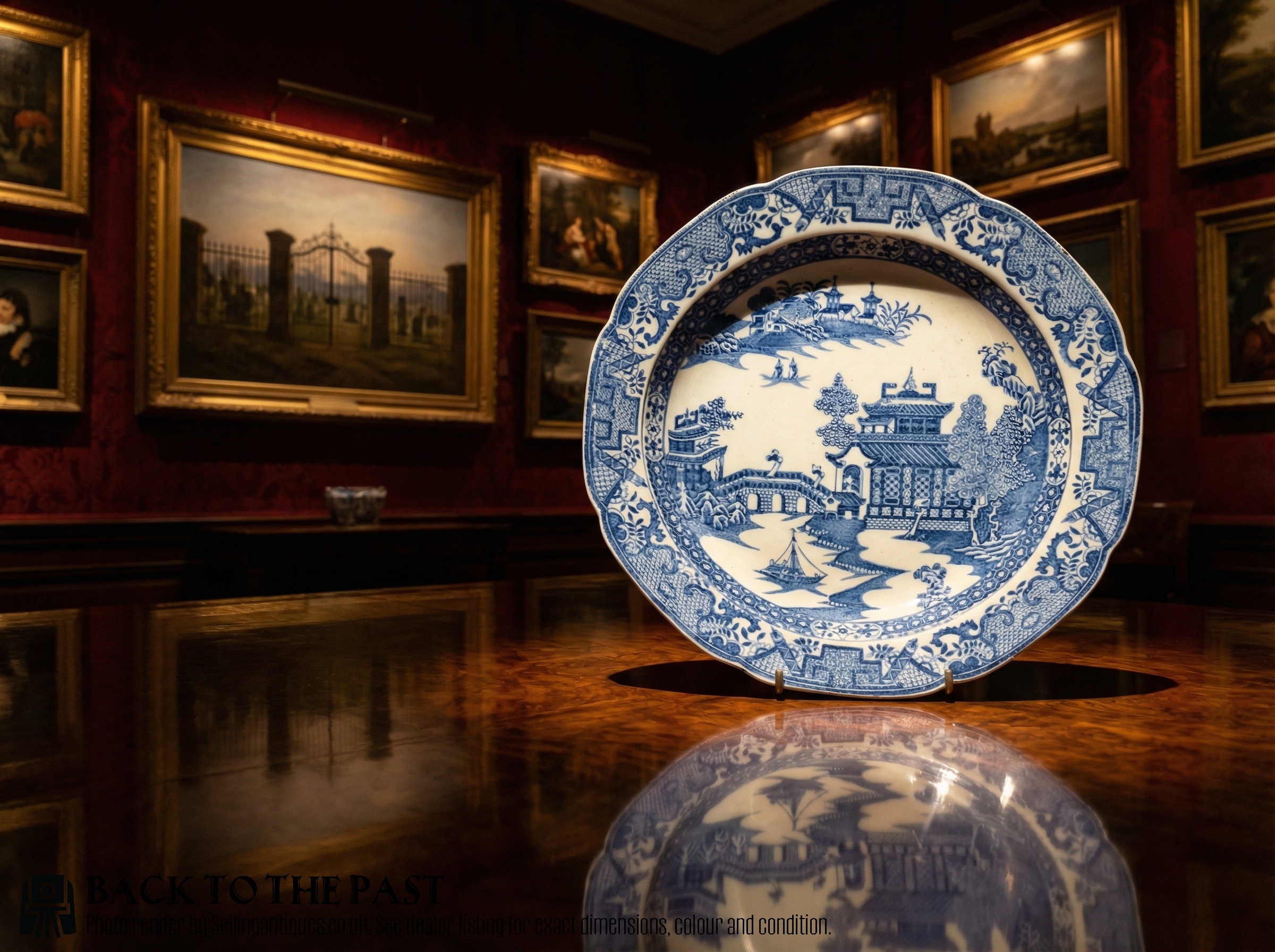
Georgian Creamware Dishes
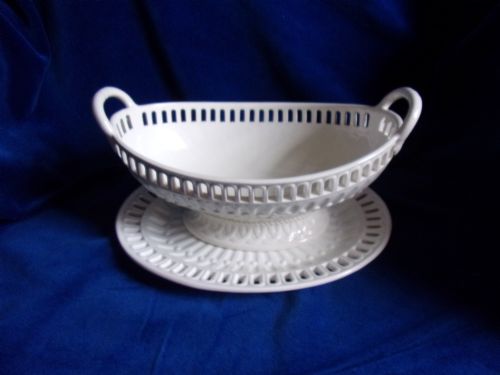
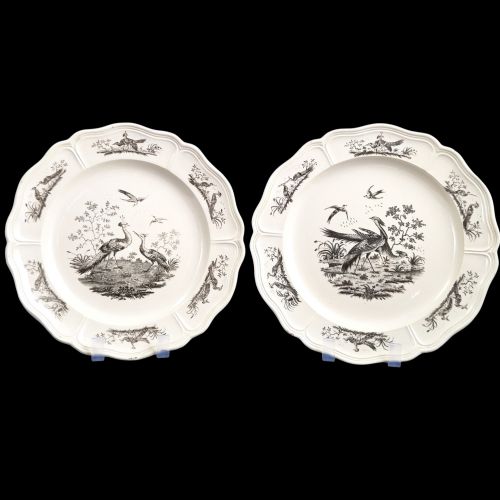
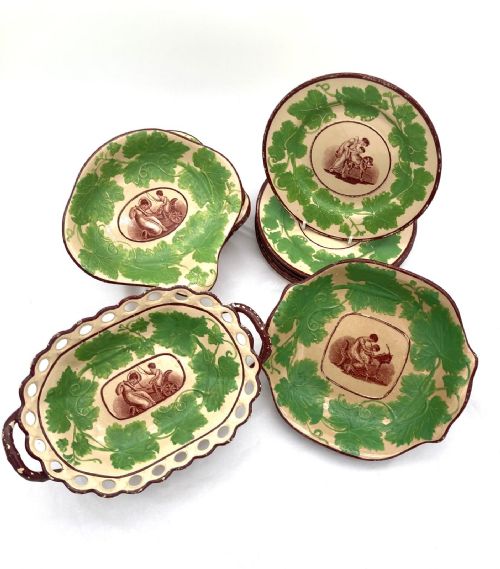
When you search for georgian creamware dishes, you encounter a selection spanning the eighteenth and nineteenth centuries, including dessert services, decorative baskets, sauce tureens, soup bowls, serving platters, chargers, and plates. These ceramics range from functional tableware to decorative display pieces created during the Georgian and Regency eras.
The most typical items you meet on this page are plates, platters, and service components fashioned in creamware and pearlware. Pieces often feature specific regional origins such as Leeds, Liverpool Herculaneum, Swansea, or Wedgwood factories.
Examples include armorial soup bowls, silver-shaped chargers, botanical sauce tureens, and alphabet plates. The forms reflect both neoclassical design influences and practical dining requirements of the period.
How they were made
Potters built these items using earthenware bodies coated in lead glaze, which produced the characteristic pale, creamy surface tone. Some items received additional decoration through enamel painting or bar printing.
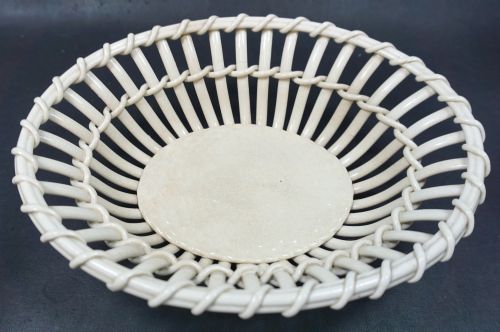
Makers shaped the clay into moulded forms, including basket weave patterns and silver-shaped edges, before firing. Specialised potteries applied armorial crests, botanical illustrations, or transfer-printed scenes by hand.
Listings feature items from the eighteenth century, the year 1800, and the nineteenth century, utilising earthenware, creamware, pearlware, and lead glaze.
What varies in quality
Quality in these ceramics depends upon the crispness of the moulded details, such as basket weave or silver-shaped rims, and the precision of the glaze application. Finer examples display even colouring across the earthenware body without distracting surface pooling.
The presence of hand-painted armorial crests, botanical studies, or specialised transfer printing elevates the artistic merit of a piece. The reputation of the maker, including Wedgwood, Leeds, or Swansea, also influences the standing of individual items.
Wedgwood·Swansea·Liverpool Herculaneum·Leeds
The Georgian Creamware Dishes Glossary
- Creamware
- A refined earthenware developed in the eighteenth century with a pale yellowish glaze. It superseded heavier salt-glazed stonewares on dining tables.
- Pearlware
- An improved earthenware introduced around the late eighteenth century featuring a bluish glaze that pooled in recesses to mimic Chinese porcelain.
- Armorial
- Bearing a heraldic coat of arms. Potters painted these commissioned designs onto plates and soup bowls for affluent families.
- Charger
- A large decorative or serving plate placed beneath other courses. These items often feature shaped rims and lead glaze finishes.
Georgian Creamware Dishes: Frequently Asked Questions
What is creamware?
Creamware is a type of refined earthenware developed in England during the eighteenth century. It is known for its warm, pale yellow glaze and lightweight body.
Potters used it extensively for tableware because it offered a cheaper, durable alternative to porcelain while maintaining a refined appearance.
How do I identify a Georgian plate?
Georgian plates typically display characteristic earthenware bodies, lead glazes, and period-specific forms such as silver shapes or moulded basket borders. Makers often incorporated neoclassical design motifs into the surface decoration.
Examining the foot ring, glaze pooling, and any factory marks helps determine the period of origin.
Can I use these dishes daily?
While these ceramics were originally created for dining and service, their age and historic nature mean most modern owners prefer to display them. Gentle handling preserves the delicate lead glazes and enamel decorations.
Hand washing in lukewarm water without harsh detergents is essential for historic earthenware.