




Victorian Pink China
Victorian pink china brings soft, rosy colour and period charm to a table or cabinet, offering a tangible link to nineteenth-century domestic life.
Victorian Pink China
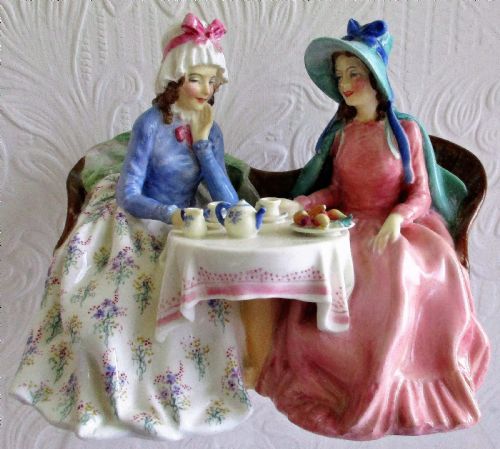
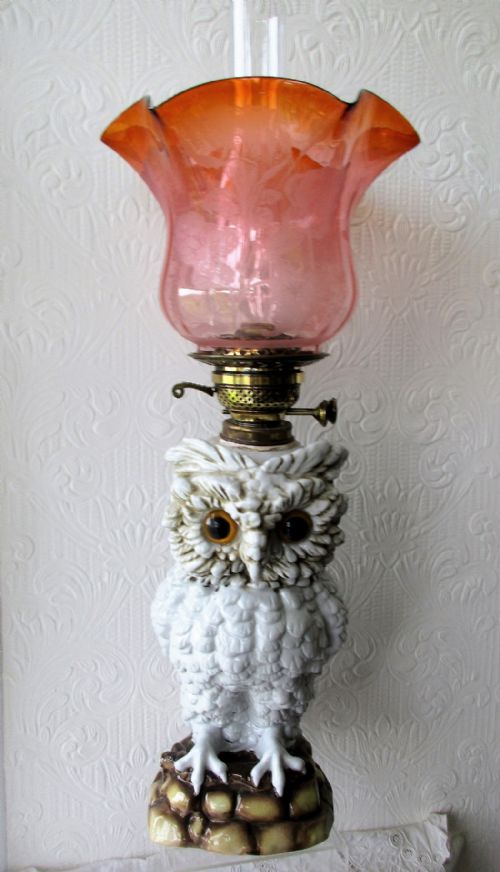
When you search for Victorian pink china, you encounter a selection of nineteenth-century ceramics defined by their rosy hues and decorative forms. The items appearing on this page span tea services, cabinet plates, figurines, and decorative bowls.
Most pieces derive from the Victorian era alongside related nineteenth-century and early twentieth-century examples. You will frequently find teacups, dessert plates, and vases decorated with pink grounds or floral motifs.
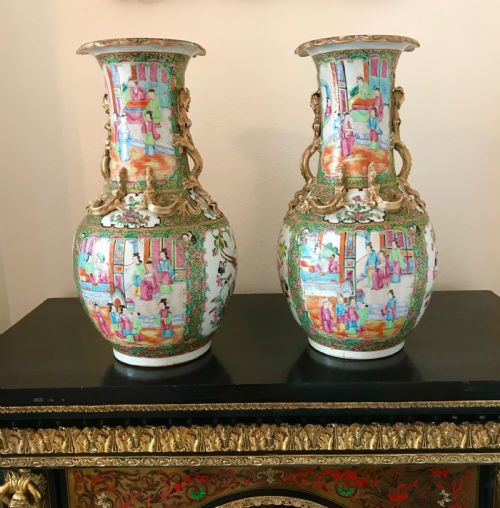
Makers and origins range from English factories like Minton and Royal Worcester to German workshops and Chinese export production. This mix reflects the varied ceramic output of the period rather than a single unified style.
Materials and production methods
The objects recorded here utilise porcelain, bone china, and earthenware as their primary ceramic bodies. Potters shaped these materials into tableware and figures before applying glazes and enamel colours.
Hand-painting and gilding frequently appear across the listings, with gold leaf and gilt highlights accenting the pink ceramic grounds. Firing techniques fixed these enamels and metallic details onto the surface.
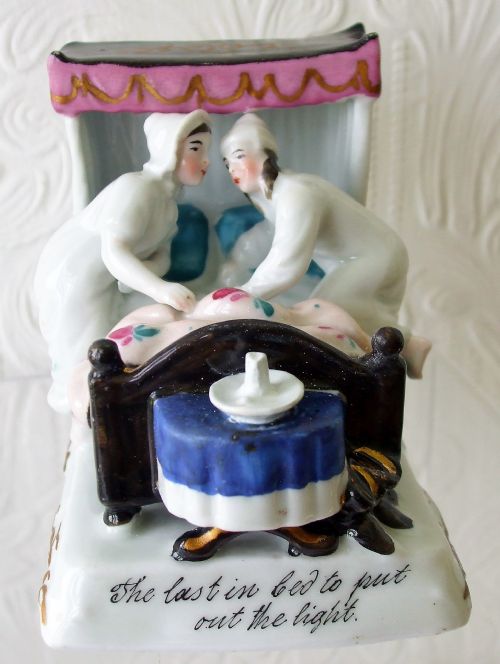
One fairing depicts the domestic emergency of being the last person in bed to put out the light.
Assessing quality in pink ceramics
Quality in these ceramics rests on the crispness of the hand-painting and the application of gilt details. Pieces with finely executed floral landscapes or carefully detailed figures stand apart from simpler utilitarian wares.
The condition of the enamel and gold leaf influences the character of each item. Well-preserved painted surfaces and intact porcelain forms maintain the visual integrity intended by the maker.
Kornilov Brothers·Royal Doulton·S Sutherland Ware·Minton·Spode Copeland·Royal Worcester·Sitzendorf
The Victorian Pink China Glossary
- Bone china
- A type of soft-paste porcelain incorporating bone ash, known for its bright white body and translucency. It became a staple of English ceramic production during the nineteenth century.
- Gilt
- A thin layer of gold applied to the surface of porcelain or earthenware. It provides metallic ornamentation around the edges and painted panels of plates and cups.
- Earthenware
- A porous ceramic body fired at lower temperatures than porcelain. It requires a glaze to become impermeable to liquids.
- Porcelain
- A fine, hard ceramic material fired at high temperatures. It is valued for its smooth texture and durable finish.
- Enamel
- Opaque glass applied to ceramic surfaces as a colour decoration. It is fused to the piece through a secondary firing.
Victorian Pink China: Frequently Asked Questions
Are these items safe for food?
Many nineteenth-century plates and cups were made for decorative display rather than daily dining. Historic glazes and enamel paints may contain materials not suited for modern food safety standards.
It is generally best to treat cabinet plates and decorative bowls as display pieces. Use caution if serving food or hot drinks from older ceramics.
How do I date Victorian ceramics?
Examine the base of the object for maker marks, registration numbers, or factory stamps. These symbols often point to specific decades or active years for the pottery.
Style, weight, and the character of the glaze also offer clues. Comparing a piece to documented examples from the same factory helps narrow down its period of manufacture.
What is the difference between porcelain and bone china?
Porcelain is fired at high temperatures using specific stone and clay mixtures to achieve a dense, vitrified body. It has a resonant ring when tapped and resists moisture even without glaze.
Bone china includes animal bone ash in the mixture, which creates a lighter, whiter material with high translucency. Both appear frequently in nineteenth-century British ceramics.