
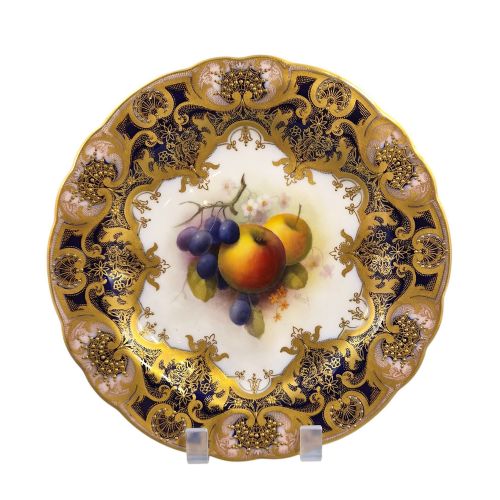
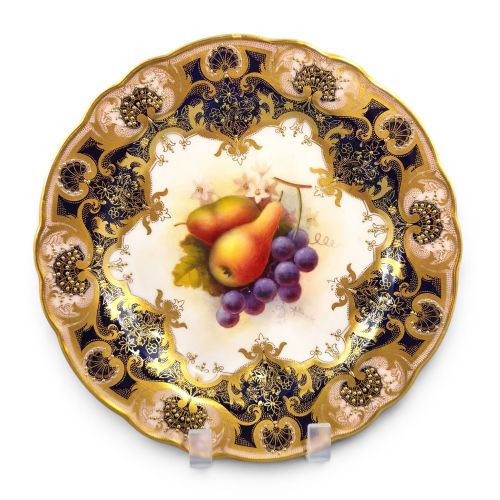
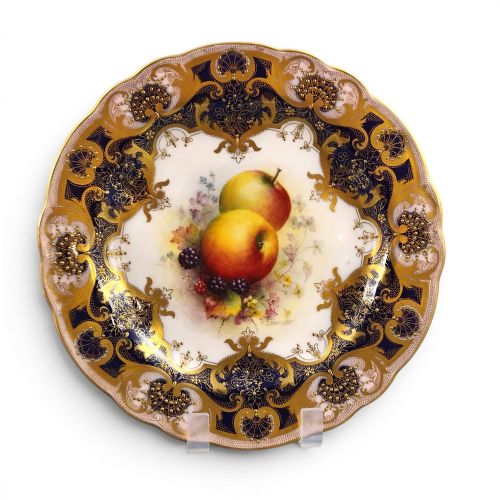
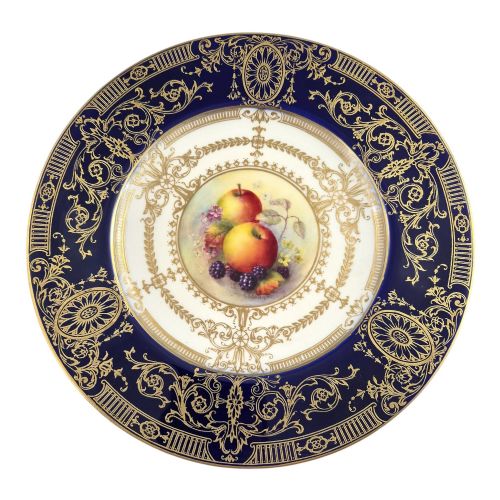
Gilded Cabinet Dish
When you handle a gilded cabinet dish, you hold a piece of porcelain designed to be displayed rather than used at the dining table.
Gilded Cabinet Dish
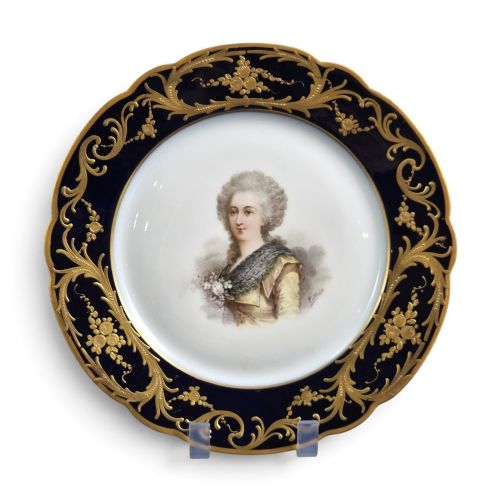
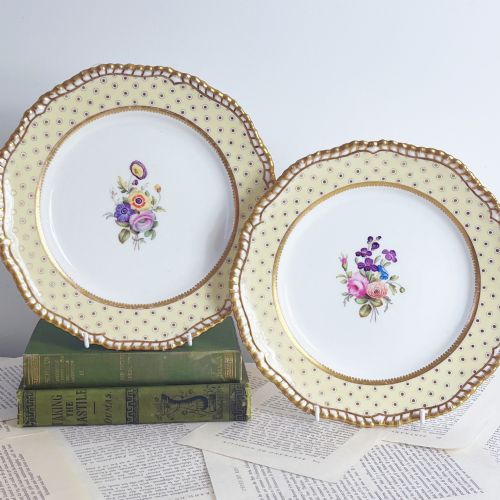
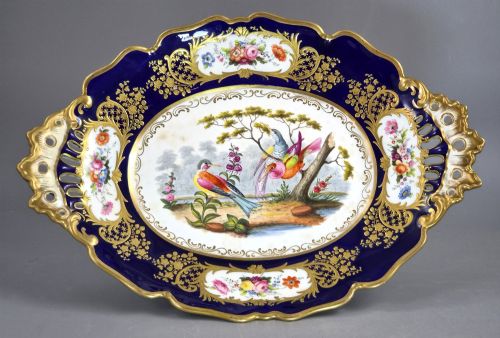
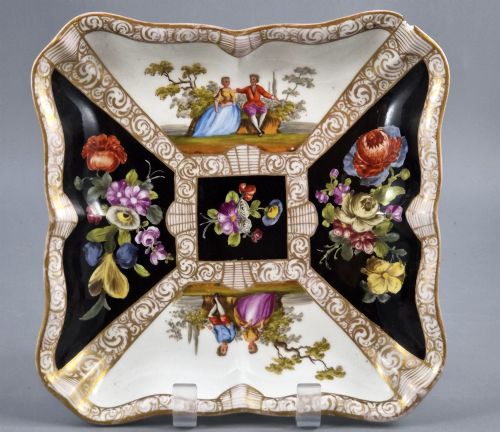
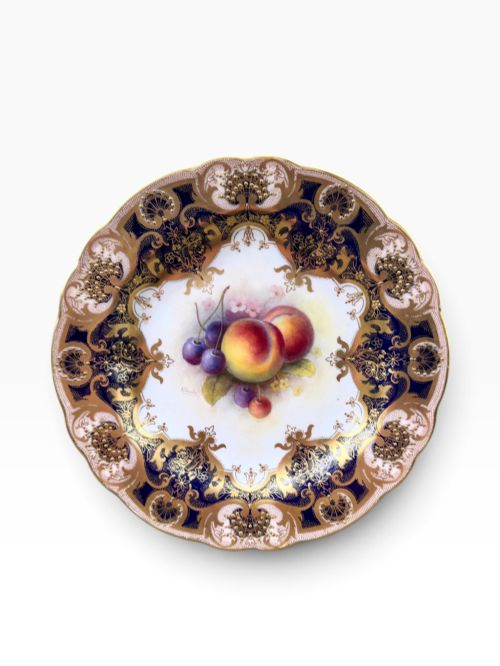
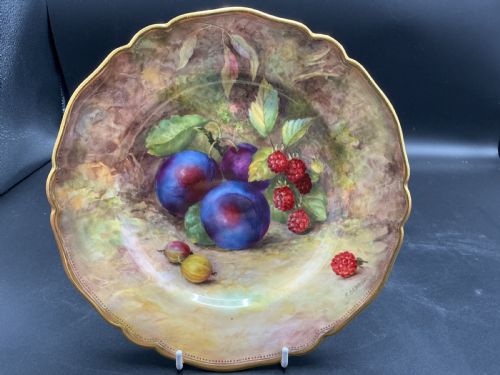
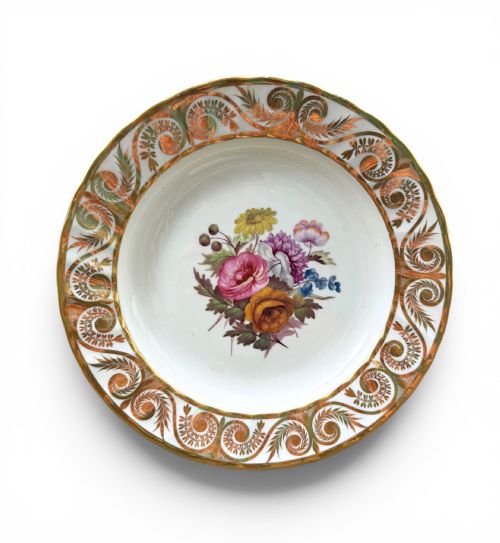
A gilded cabinet dish is a decorative ceramic plate, platter, or tray finished with gold leaf, gilt, or gilding, intended for display in a cabinet or on a wall. The pieces you encounter here span several centuries and styles, ranging from Georgian and Regency productions to Victorian, Edwardian, and later twentieth-century works.
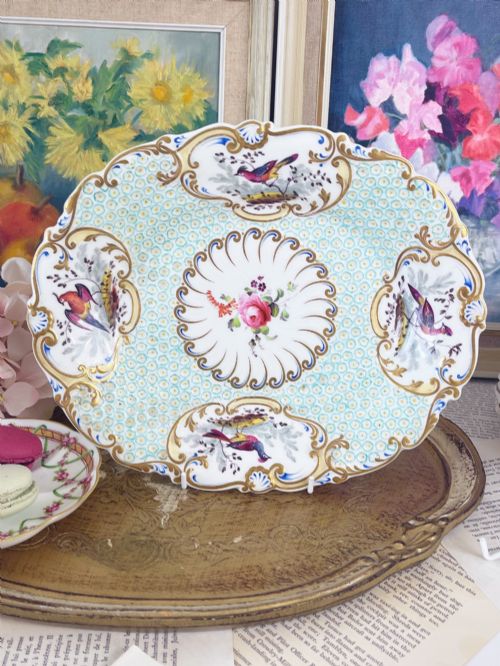
The form encompasses cabinet plates, dessert plates, serving dishes, and square or oval trays. Many examples originate from prominent English factories such as Royal Worcester, Derby, Coalport, and Spode, alongside continental European makers like Meissen and Sèvres-style workshops.
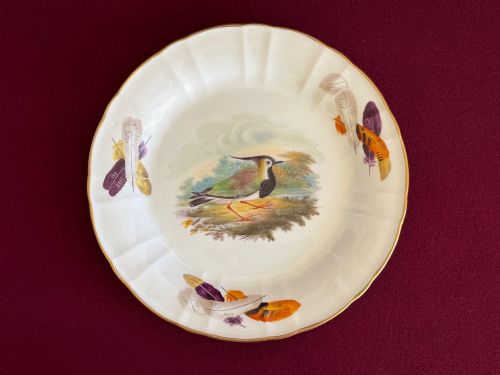
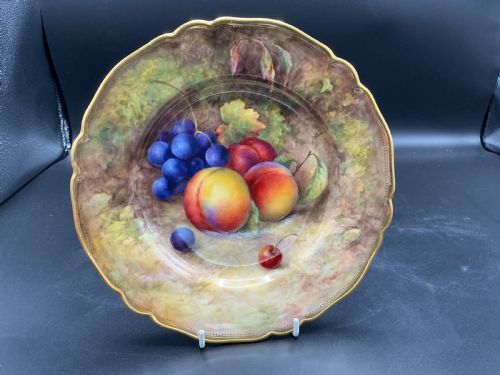
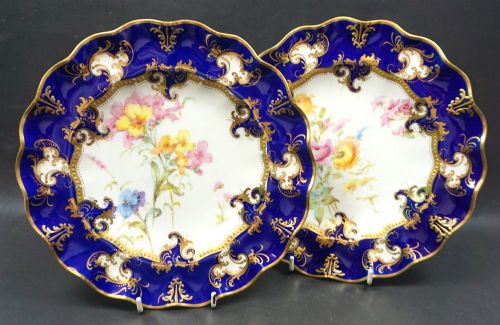
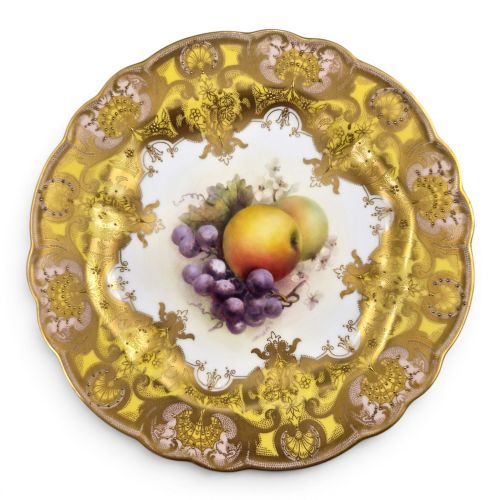
You are most likely to meet nineteenth-century and early twentieth-century British porcelain decorated with handpainted birds, flowers, fruit, or figural scenes framed by elaborate gilt borders. These items reflect the shifting aesthetic tastes of the Victorian and Edwardian eras, moving from traditional botanical studies to Japanese-inspired motifs and rich cobalt grounds.
Materials and methods
These items rely on hard-paste porcelain, bone china, and enamel, providing a smooth, white ground suited to detailed miniature painting. Factories prepared clay bodies that could withstand the high temperatures required for vitrification in a kiln.
Painters applied mineral pigments by hand to create intricate botanical subjects, landscapes, and portraits before subjecting the piece to subsequent firings to fix the colours. Guild artisans then added gold leaf, gilt, or liquid gilding by brush, often burnishing the dried metal to achieve a bright finish.
Listings span the eighteenth to the twentieth centuries, featuring bone china, hard-paste porcelain, and enamel.
Assessing quality
Quality in a gilded cabinet dish rests upon the skill of the painter and the precision of the gilding. Handpainted subjects executed by named artists or skilled factory hands command greater attention than mass-transferred patterns.
The application of the gilt itself dictates the distinction between standard factory output and the finest presentation pieces. Thick, hand-chased or burnished gold leaf applied over elaborate moulded borders indicates a higher grade of manufacture.
Spode·Wedgwood·Coalport·Meissen·Royal Worcester·Royal Crown Derby·Minton·Edmé Samson And Cie·Royal Doulton·Cauldon Ltd·Doe And Rogers·John Ridgway·Barr Flight And Barr·Chamberlain·Copeland
The Gilded Cabinet Dish Glossary
- Cabinet plate
- A decorative ceramic plate intended strictly for display in a cabinet or on a wall rather than for dining use. These often feature elaborate handpainted scenes and heavy gilding.
- Gilt
- A thin layer of gold applied to the surface of porcelain, either as gold leaf or as a metallic paint mixture. Burnishing gives this layer its reflective sheen.
- Bone china
- A type of soft-paste porcelain incorporating animal bone ash, developed in England to create a strong, translucent ceramic body.
- Hard-paste porcelain
- A true porcelain made from kaolin and petuntse fired at high temperatures, producing a dense, vitreous material that resists scratching.
- Reticulated plate
- A ceramic plate featuring pierced or openwork designs cut into the rim before firing, creating an intricate lace-like border.
Gilded Cabinet Dish: Frequently Asked Questions
What is a gilded cabinet dish used for?
These dishes were created purely for visual display in drawing rooms, cabinets, or formal dining spaces during the eighteenth, nineteenth, and twentieth centuries. Their rich painted decoration and gold accents were meant to signal the wealth and taste of the owner.
Unlike everyday tableware, they rarely saw use for serving food. Instead, stands or wall-hanging brackets kept them secure as ornamental works of art.
How do I care for a painted cabinet dish?
Maintenance requires gentle handling and protection from abrasive cleaning materials that might harm the delicate enamel paints and gold leaf. Dusting with a soft, dry cloth is usually sufficient to keep the surface clean.
Keeping the dish away from direct sunlight prevents the handpainted pigments from fading over time. If a secure mount is necessary, padded display stands prevent scratching to the foot rim.
How can I tell the period of a porcelain dish?
Dating relies primarily on factory backstamps, factory marks, and the specific style of painting and gilding applied to the piece. Reference books cataloguing ceramic marks provide the dates associated with particular factory signatures.
Stylistic clues also help, as the heavy cobalt and floral motifs of the Victorian era differ distinctly from the neoclassical tastes of the Regency period or the clean lines of later twentieth-century work.
Are all cabinet plates handpainted?
Many fine examples feature entirely handpainted scenes created by specialist ceramic artists, often recording fruit, birds, or portraits. These pieces required considerable skill and multiple kiln firings to achieve their detailed finish.
Later or more commercial productions sometimes utilised transfer printing for the central image, though skilled hands frequently added touches of paint and gold leaf over the print to enhance the final effect.