


Vintage Wall Plate
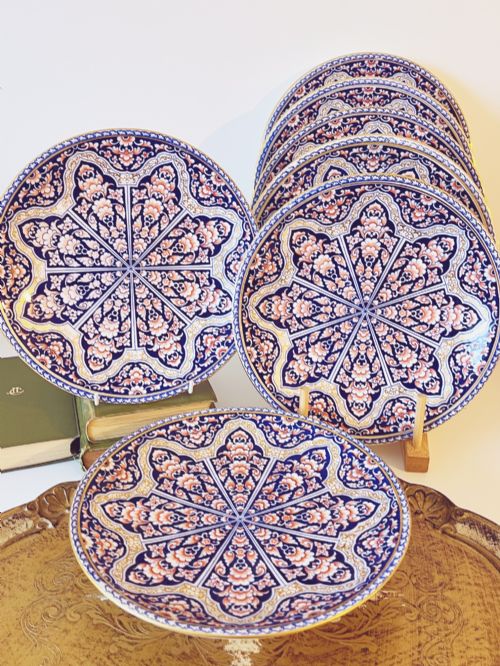
A vintage wall plate brings historic pattern and colour to a room, ranging from blue and white tin-glazed earthenware to hand-painted botanical bone china.
Vintage Wall Plate
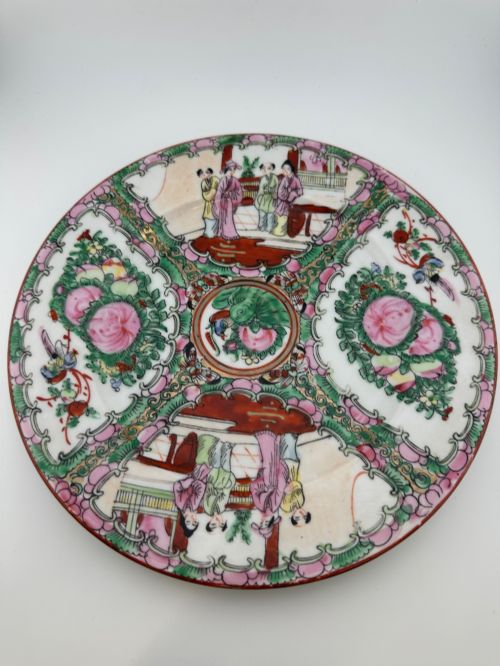
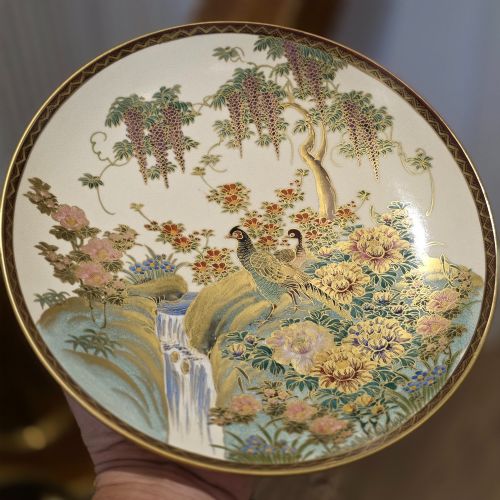
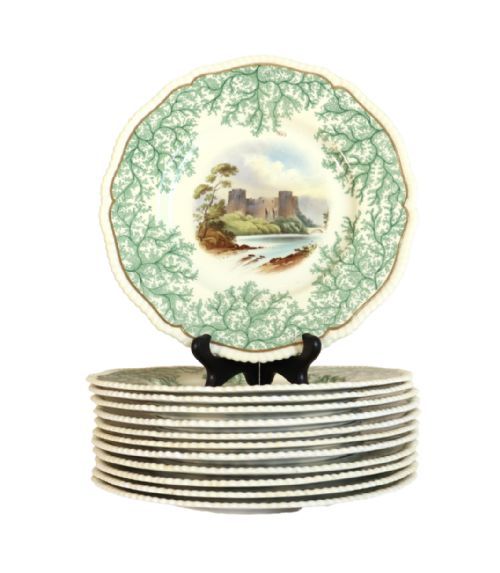
A vintage wall plate covers various decorative ceramic and porcelain vessels designed for display rather than dining. The selection includes charger plates, cabinet plates, and traditional Delftware originating across the eighteenth, nineteenth, and early twentieth centuries.
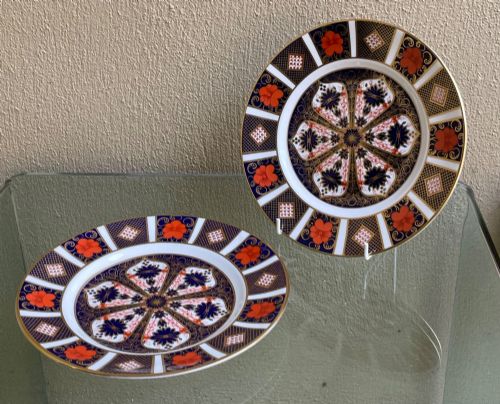
Buyers frequently encounter English bone china, Japanese Imari porcelain, and tin-glazed earthenware amongst the listings. These objects range from cabinet pieces painted with fruit to large chargers intended for domestic walls.
The material forms span multiple styles, including Japanese Imari, Dutch Baroque, and Traditional English. Each period offers distinct palette choices and firing techniques that define its visual character.
Materials and construction
Makers utilised ceramic, earthenware, bone china, and porcelain as the primary substrate for these pieces. Cobalt oxide provided the blue pigment for tin-glazed earthenware, while enamels and gold leaf added polychrome detail to later porcelain.
Hand-painting and transfer printing represent the dominant decorative techniques recorded in the evidence. Artisans applied pigments directly to the unfired glaze or onto a pre-fired surface before subjecting the piece to kiln firing.
Materials across the inventory include enamel, porcelain, gold leaf, glass, ceramic, earthenware, bone china, and silver plate.
Markers of distinction
Quality rests upon the crispness of the painted detail and the complexity of the glaze chemistry. Hand-painted cabinet plates by named artists display greater precision in brushwork than standard transfer-printed wares.
The preservation of the original glaze and the absence of firing faults dictate the desirability of a piece. Early earthenware often exhibits deliberate craquelure and minor kiln stilt marks which reflect period production methods.
Royal Crown Derby·Royal Worcester·Spode·Liberty and Company
The Vintage Wall Plate Glossary
- Charger plate
- A large decorative dish traditionally placed beneath other courses or hung independently on a wall for display. These items often feature elaborate hand-painted scenes or border patterns.
- Cabinet plate
- A high-quality ceramic or porcelain dish produced specifically for display in a cabinet rather than functional table use. They frequently showcase intricate artistic painting.
- Delftware
- Tin-glazed earthenware produced in England and the Netherlands, typically decorated in blue and white or polychrome pigments. The porous clay body receives an opaque white lead and tin glaze.
- Imari
- Japanese porcelain decorated in underglaze blue, iron red, and gold, named after the port of shipment. European factories frequently copied these distinct patterns during subsequent centuries.
- Bone china
- A type of porcelain composed of clay, feldspar, and bone ash, offering high strength and translucency. This material allowed makers to produce thinner walls for refined decorative plates.
Vintage Wall Plate: Frequently Asked Questions
How do I hang a vintage wall plate safely?
Utilise specialised brass or coated wire spring hangers that grip the rim without damaging the ceramic body. Ensure the mounting fixings match the weight of the specific plate and the wall type.
Avoid adhesive disc hangers on antique earthenware or pieces with delicate glaze surfaces, as removal can cause permanent damage to the historic material.
What is the difference between a charger and a cabinet plate?
Chargers measure significantly larger in diameter and traditionally served a foundational role on dining tables or sideboards before transitioning to wall display. Cabinet plates feature finer artistic detail and were produced in smaller sizes specifically for visual appreciation.
Both categories appear across eighteenth and nineteenth-century listings, though cabinet plates more frequently display artist signatures.
Are these plates meant for daily dining?
Historic decorative plates serve primarily as visual objects rather than functional tableware. The soft glazes and delicate hand-painted enamels on eighteenth and nineteenth-century pieces deteriorate rapidly under regular use and cutlery contact.
Displaying them on walls or within dedicated plate racks protects the historic finish from unnecessary wear.