
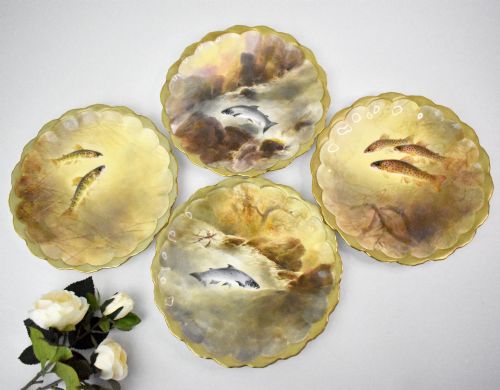


Yellow Ceramic Display Plate
These yellow ceramic display plates bring bright colour to a room through painted glazes and rich earthenware surfaces.
Yellow Ceramic Display Plate
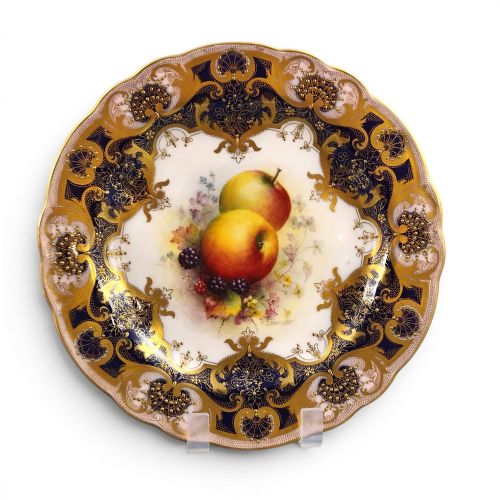
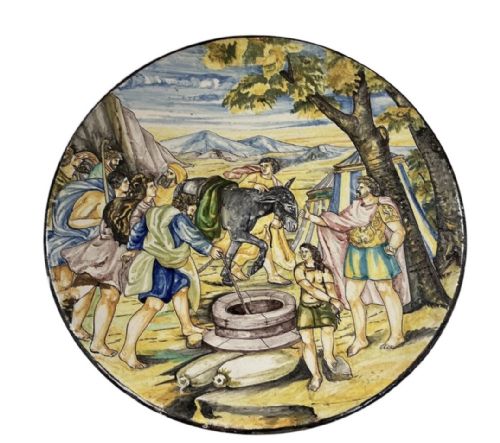
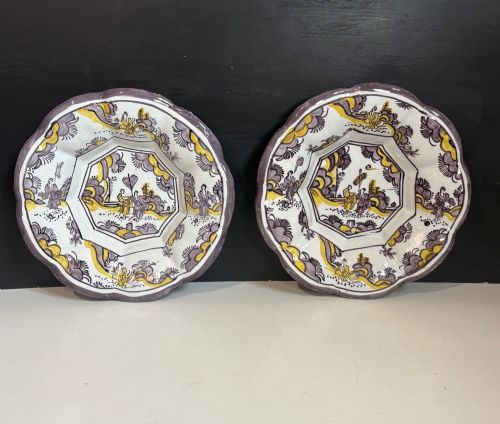
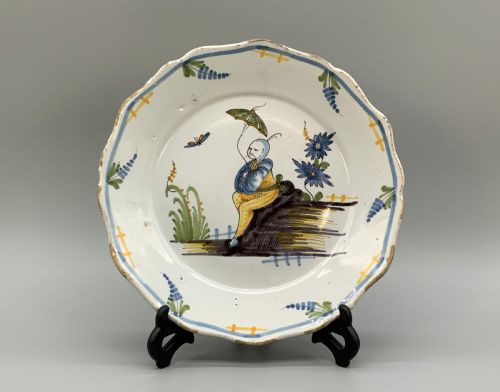
A yellow ceramic display plate brings decorative presence to a room, appearing in forms such as cabinet plates, chargers, and decorative dishes. These pieces range from substantial 17th-century tin-glazed dishes to 19th-century majolica chargers and delicate 20th-century porcelain.
The selection includes wares shaped by distinct historical movements, spanning Renaissance Revival, Dutch Baroque, Chinoiserie, and Art Deco designs. Buyers encounter everything from bold folk art dishes to finely painted cabinet plates featuring intricate motifs.
Many examples utilise bright yellow ground colours to highlight exotic birds, floral arrangements, or classical scenes. They serve primarily as decorative wall or cabinet pieces rather than functional tableware.
How they were made
Potters shaped these vessels using earthenware, ironstone, and porcelain, applying tin glaze or enamel surfaces to create a smooth base for colour. Artisans then hand-painted the designs directly onto the ceramic body.
Techniques such as polychrome painting, tin-glazing, and the application of gold leaf define the decoration across these pieces. Firing methods varied from early earthenware kilns to later refined porcelain production.
An antique yellow ground plate brings a burst of perpetual sunshine indoors, no matter how grey the afternoon sky.
What varies in quality
The precision and hand-painted detail of the surface decoration separate standard production items from master-painted cabinet pieces. Finer works display meticulous brushwork in floral motifs, birds, and figural scenes.
The complexity of the glaze chemistry and the richness of the yellow ground tone influence the visual depth of each charger or plate. Earlier tin-glazed and maiolica examples rely on the character of the glaze, while later porcelain pieces showcase refined enamel work.
Royal Worcester·Royal Doulton·Mason·Meissen
The Yellow Ceramic Display Plate Glossary
- Maiolica
- Tin-glazed earthenware produced in Italy and other Mediterranean regions, often featuring brightly coloured painted decoration. It gained popularity during the Renaissance and inspired later revival styles.
- Charger
- A large decorative plate or dish intended for display on a sideboard or wall rather than for serving food. These pieces provide a broad canvas for elaborate painted scenes.
- Tin Glaze
- A ceramic glaze made opaque by the addition of tin oxide, providing a white or tinted surface for hand-painted pigments. This technique underpins Dutch Delft and various European faience wares.
- Ironstone
- A heavy, durable type of earthenware patented in the 19th century to imitate porcelain. It offers a sturdy body well-suited to large display chargers and richly coloured grounds.
- Cabinet Plate
- A decorative plate intended to be displayed in a glass cabinet or on a stand. These items typically feature high-quality hand-painted artwork by notable artists.
Yellow Ceramic Display Plate: Frequently Asked Questions
Are these plates meant for dining?
Most of these pieces are cabinet plates, chargers, and decorative dishes intended strictly for display rather than everyday meals. Their painted surfaces and historical glazes are preserved best when kept off the dining table.
Larger chargers work well mounted on walls or displayed on sturdy stands, while cabinet plates fit securely inside glass-fronted furniture.
How do I date an antique plate?
Dating relies on identifying the ceramic material, glaze type, and decorative style visible on the piece. Earthenware and tin-glazed dishes often point to earlier centuries, while refined porcelain and specific ironstone bodies typically suggest later periods.
Maker marks, where present on the reverse, provide further confirmation of the manufacturing era.
What is a charger plate?
A charger is a large ornamental plate used historically as a base for other dishes or displayed upright on a sideboard. In antique ceramics, these large pieces often showcase the maker's finest painted work.
Their substantial size makes them prominent focal points in a room.