




18th Century German Porcelain
These pieces of 18th century german porcelain bring cabinet ceramics and sculptural figures from European kilns directly to a modern interior.
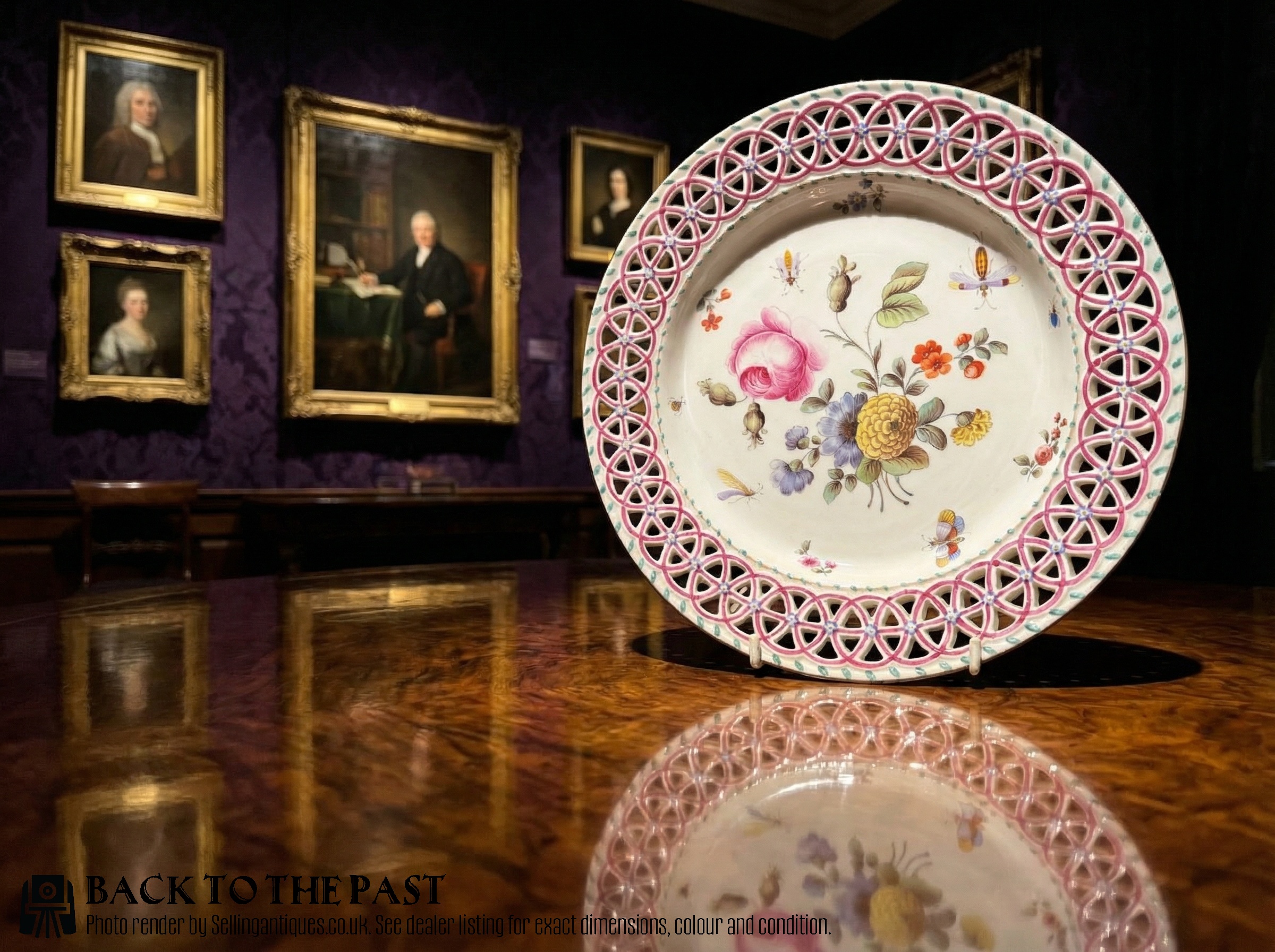
18th Century German Porcelain
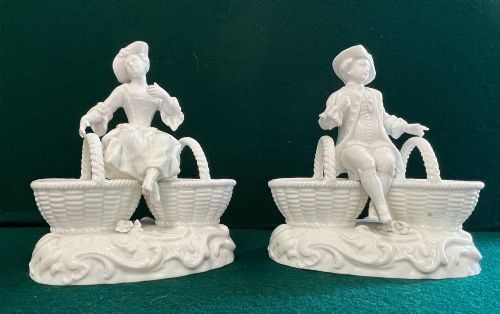
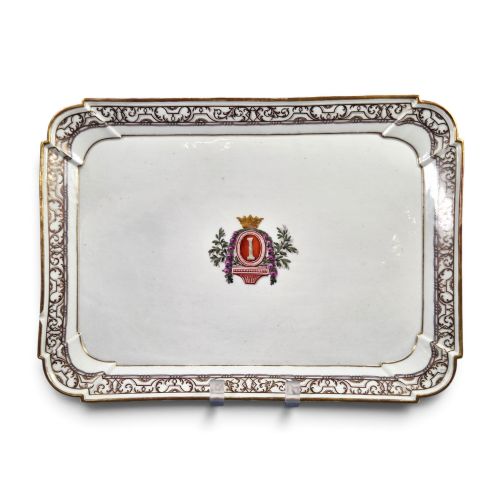
When you search for 18th century german porcelain, you encounter a diverse range of fragile objects that emerged from historic European kilns. These items include figurines, decorative plates, trinket boxes, and serving trays produced during a period of intense artistic experimentation.
The versions you are most likely to meet on this page span tablewares and sculptural groups originating from prominent European manufactories. Figures depicting tradespeople, musicians, and mythological subjects appear frequently alongside utilitarian vessels like milk jugs, coffee pots, and gravy boats.
Many of these surviving pieces carry the aesthetic hallmarks of the Rococo and Neoclassical movements, reflecting the decorative tastes of European courts. Artisans rendered subjects with notable detail, capturing human expression and flora in durable ceramic forms.
Materials and Techniques
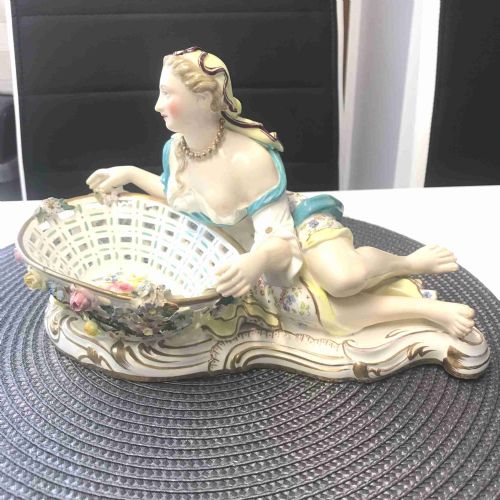
Makers utilised hard-paste porcelain as the primary body for these items, combining kaolin and petuntse to achieve a dense, vitrified ceramic structure. This durable matrix allowed artisans to shape complex forms such as openwork sweet baskets and delicate floral appliques.
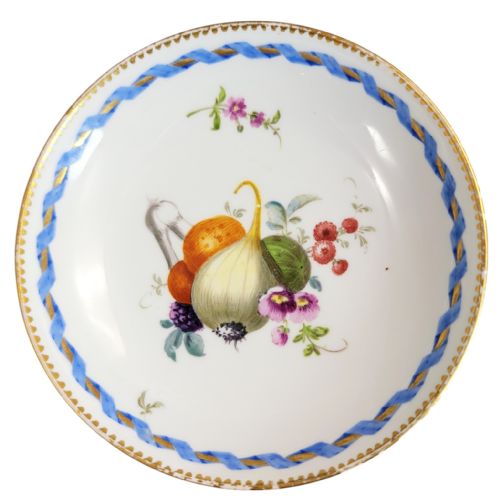
Surfaces received hand-applied enamel painting, often enhanced with gold leaf and gilding to accentuate sculptural contours and borders. Transparent glaze coats provided a protective, glossy finish that sealed the painted decoration during subsequent kiln firings.
Monkeys holding instruments and angels wearing tricorne hats remind us that eighteenth-century porcelain makers possessed a wonderfully theatrical sense of humour.
Evaluating Quality
The sophistication of the kiln work also dictates the standard of the piece, with successful firings avoiding warping or excessive glaze pooling. Early modeling by master sculptors yields proportions and anatomical clarity that distinguish high-grade figures from later, more mechanical productions.
Meissen·Ludwigsburg·Furstenberg·KPM·Ernst Bohne Sohne·Volkstedt
The 18th Century German Porcelain Glossary
- Hard-paste porcelain
- A true ceramic composition containing kaolin and alabaster or petuntse, fired at very high temperatures to create a dense, waterproof body. This material forms the durable foundation for the majority of these historic European vessels and figures.
- Enamel
- Opaque vitreous colours fused to the ceramic surface during a secondary low-temperature kiln firing. Artisans employed this palette to achieve the vivid skin tones, garments, and floral patterns seen across these objects.
- Gilding
- The application of gold leaf or powdered gold to ceramic edges, handles, and raised relief elements. This technique highlights decorative motifs and adds a reflective quality to plates, cups, and figural bases.
- Bouquetiere
- A specialised vessel featuring multiple apertures designed for arranging cut flowers. These decorative containers often incorporate sculptural figures or rocaille framing.
- Sweetmeat dish
- A small compartmented serving dish intended for confectioneries, nuts, or sweet preserves during formal dining. Such pieces frequently take whimsical or figural forms.
- Marcolini period
- The era of Meissen production overseen by Count Camillo Marcolini from the late eighteenth into the early nineteenth century. Works from this timeframe often bear specific factory mark variations associated with neoclassical restraint.
18th Century German Porcelain: Frequently Asked Questions
How were these porcelain figures used originally?
These figures served primarily as decorative centerpieces for elite dining tables during formal meals and dessert courses. Guests admired the sculptural groups as conversation pieces that reflected contemporary theatrical and pastoral themes.
Over time, owners transitioned these ceramics from dining tables to enclosed display cabinets and mantelpieces. This shift preserved the delicate hand-painted surfaces from the wear of daily household use.
How do I distinguish 18th century pieces from later revivals?
Examination of the paste, glaze texture, and hand-painting style provides key indicators for dating these ceramics. Eighteenth-century pieces often exhibit subtle irregularities in form and brushwork that reflect period workshop practices.
Factory marks beneath the glaze also assist in separating original 18th-century production from 19th-century Rococo Revival copies. Comparing the modeling crispness against documented archival examples clarifies the timeline of manufacture.
What is Schneeballen decoration?
Schneeballen, meaning snowball, is a dense cluster of tiny applied porcelain petals covering the entire surface of a vessel or stand. Artisans laboriously attached each individual flower by hand before firing the complex piece.
This technique required exceptional skill to prevent the fragile porcelain blossoms from detaching during high-temperature kiln firing. Surviving examples demonstrate the extreme patience of historic ceramic workers.
How should I care for historic German porcelain?
Display these delicate ceramics away from direct sunlight to prevent fading in the hand-painted enamel colours. Stable indoor humidity and temperature protect the aged body and historic metal mounts from stress.
When cleaning is necessary, dust gently with a soft, dry brush rather than employing liquid immersion. Avoiding harsh chemicals preserves both the original glaze and any delicate gold leaf accents.