
White Ceramic Pitcher
These white ceramic pitcher examples range from Georgian earthenware to Victorian washstand sets, offering both utility and decorative presence.
White Ceramic Pitcher
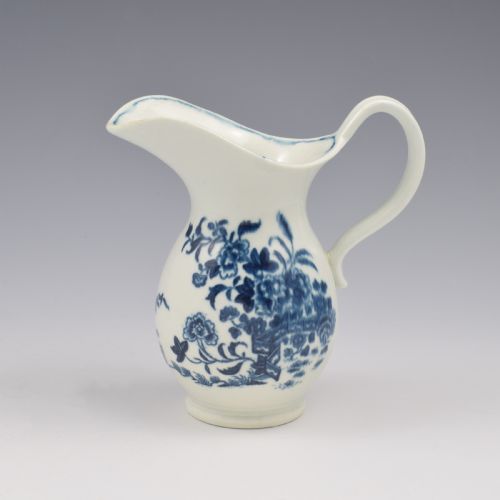
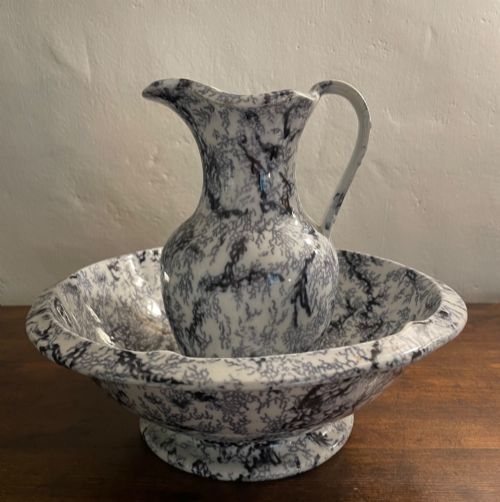
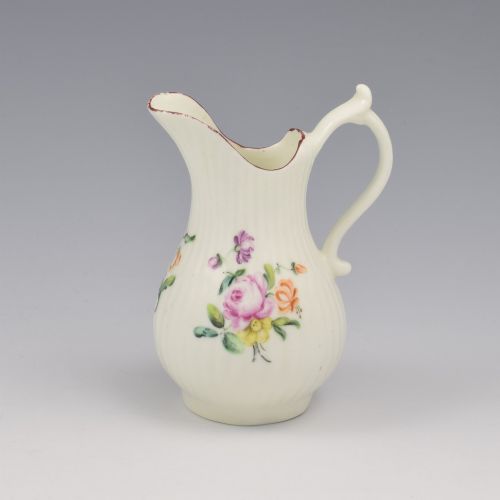
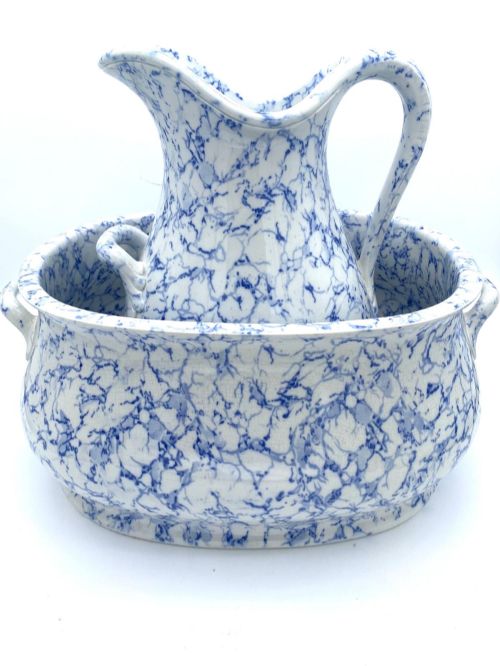
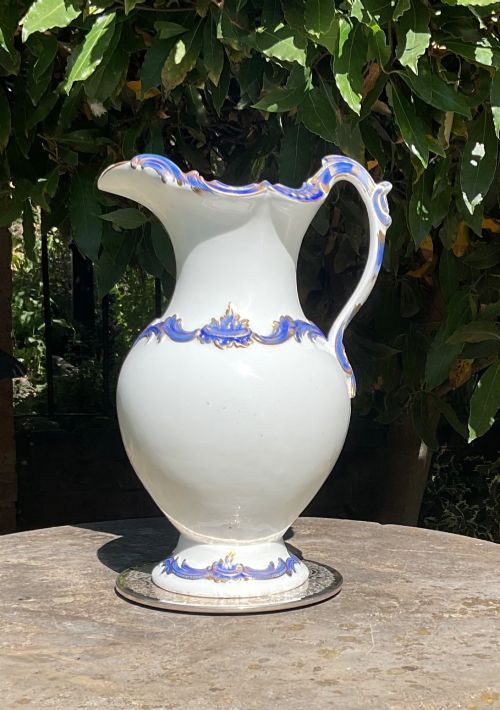
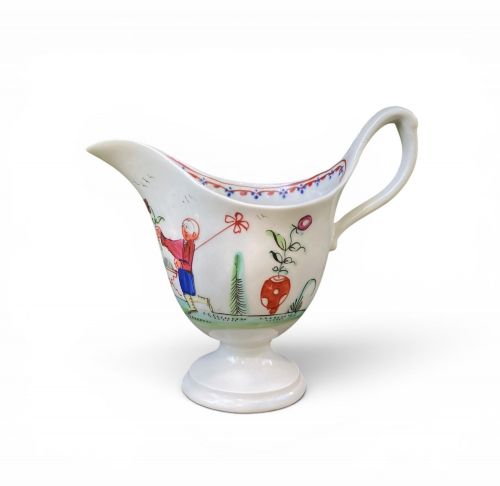
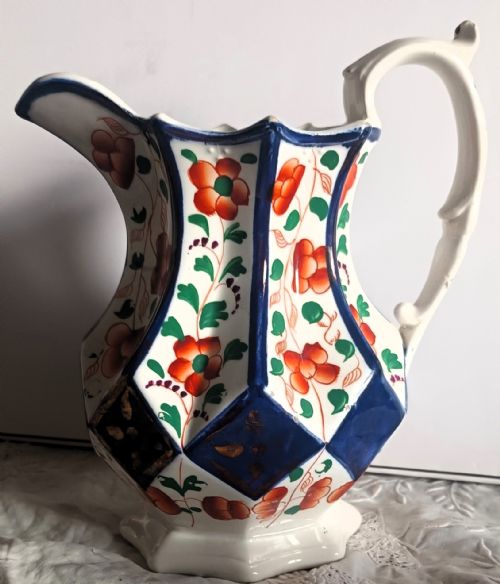
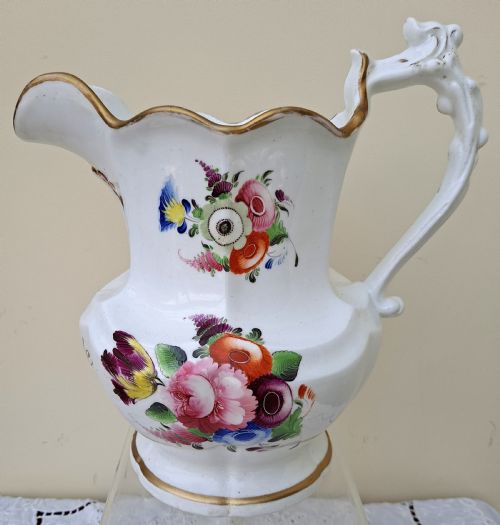
A white ceramic pitcher serves practical and decorative functions across several centuries of domestic life. You will encounter various forms here, ranging from small cream jugs to large water ewers and complete washstand sets.
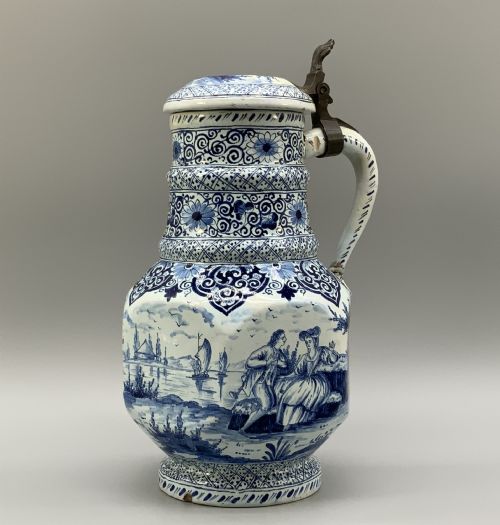
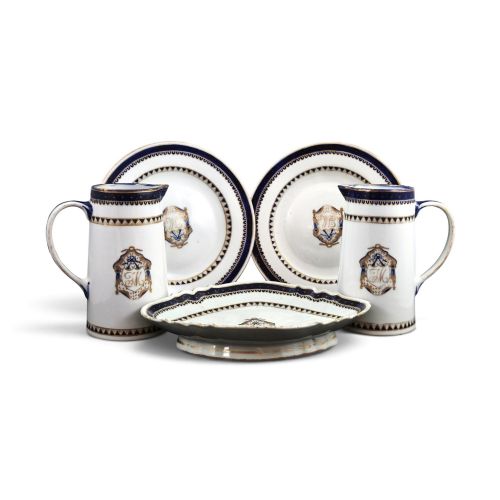
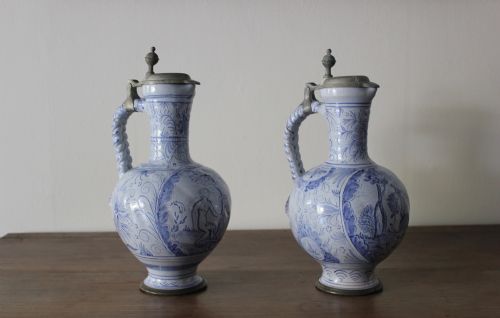
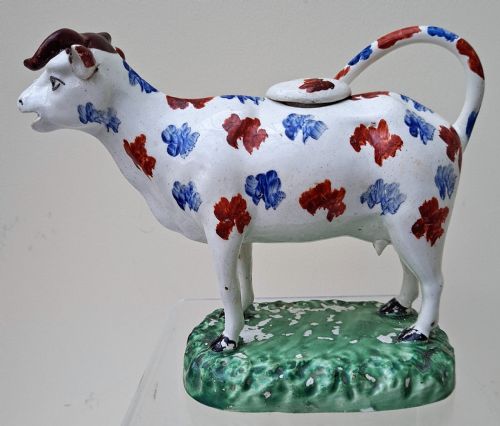
The pieces on this page span from the seventeenth century through the Edwardian period, encompassing English potteries, Chinese export porcelain, and Dutch delftware. Domestic vessels like milk jugs and large bedroom basins appear frequently alongside specialised puzzle jugs and commemorative pieces.
Makers utilised traditional methods to shape utilitarian vessels into decorative objects that reflect the changing domestic tastes of Georgian, Victorian, and Edwardian households.
How They Were Made
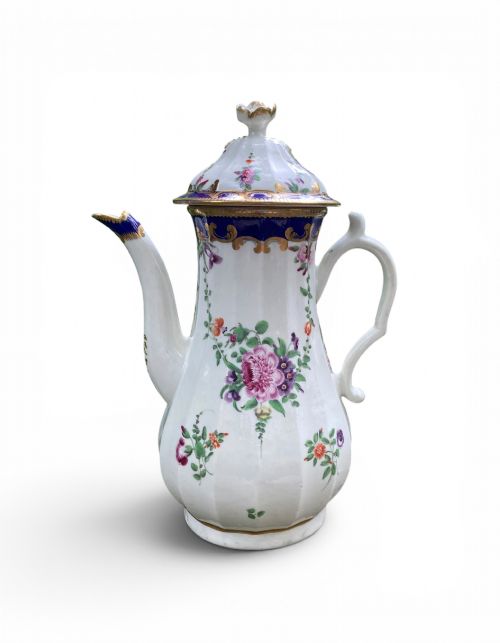
Potters shaped these vessels using earthenware, pearlware, ironstone, and fine porcelain bodies, often employing moulds to achieve fluted baluster forms or cabbage leaf decorations. Tin-glazing and enamel painting provided the white and blue surfaces seen on delftware and oriental-inspired designs.
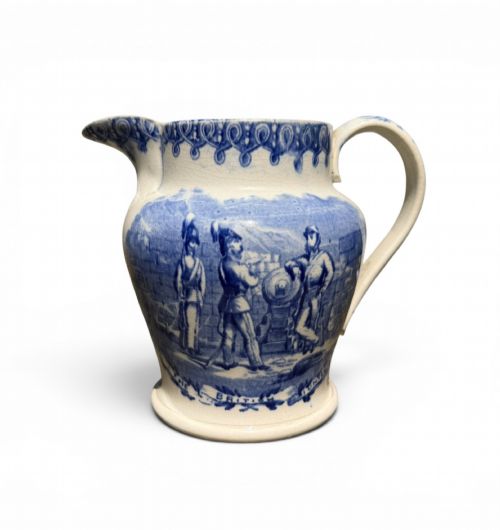
Underglaze painting and transfer printing added detailed scenes, monograms, and floral motifs before a final firing fused the glaze to the ceramic body.
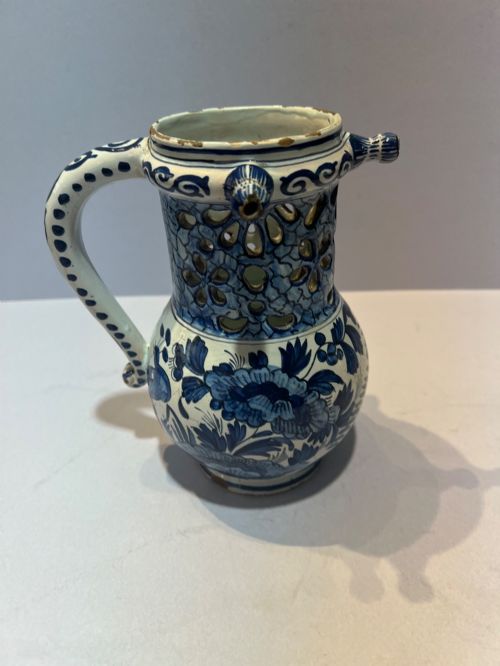
Some eighteenth-century puzzle jugs feature hidden holes in the neck that spill beer down your front unless you cover them with your fingers.
What Varies In Quality
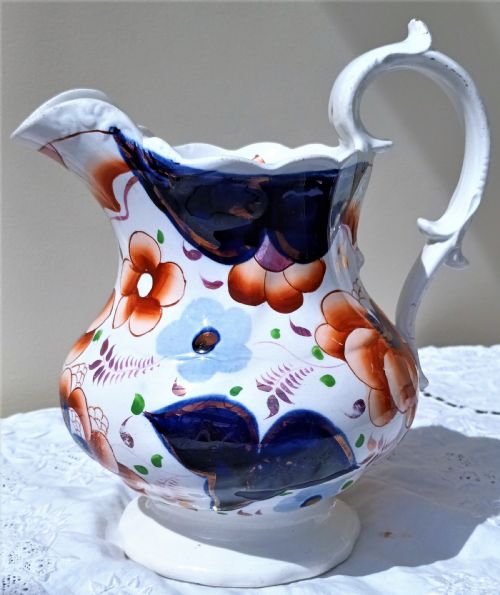
The refinement of the ceramic body and the crispness of the moulded relief work distinguish the finer examples from standard utilitarian wares. Hand-painted precision in floral decoration or transfer printing also marks the distinction between everyday items and superior production.
Preservation of the original glaze and the clarity of cobalt blue pigments determine the visual impact of tin-glazed earthenware and porcelain pieces.
Minton·New Hall·H & R Daniel·Leeds Pottery·Doulton Lambeth·Charles Meigh
The White Ceramic Pitcher Glossary
- Pearlware
- A refined earthenware developed in the eighteenth century featuring a subtle blue-tinted glaze over a white body. This innovation bridged the gap between creamware and true porcelain.
- Tin-Glaze
- An opaque white glaze containing tin oxide that provides a smooth surface for painted decoration. It is characteristic of delftware and majolica.
- Ironstone
- A heavy, durable type of ceramic patented in the nineteenth century to imitate porcelain. It resists chipping while offering a bright white ground for transfer printing.
- Transfer Printing
- A technique of applying engraved designs to pottery using paper templates and metallic oxides. This method allowed intricate patterns to be reproduced consistently across multiple vessels.
White Ceramic Pitcher: Frequently Asked Questions
What is a white ceramic pitcher used for?
These vessels served various domestic purposes including serving milk or cream at table, pouring water for washing, and holding beverages.
Larger versions formed part of washstand sets in bedrooms before running water became common in homes.
How do I identify a Georgian pitcher?
Georgian examples often feature creamware or pearlware bodies with moulded details like cabbage leaves or classical neoclassical transfer prints.
They generally display lighter proportions and refined handles compared to heavier Victorian utility wares.
What is the difference between earthenware and porcelain?
Earthenware is an opaque, porous ceramic fired at lower temperatures that requires a glaze to hold liquids.
Porcelain uses finer clay ingredients fired at high heat to create a dense, white material that is impervious to water even without glaze.
How should I display my pitcher?
These vessels suit open shelving, sideboards, or mantelpieces where their form and blue-and-white decoration remain visible.
Pairing a large water jug with its original basin creates a striking display for an entrance hall or bedroom.