



Victorian Copper Lustreware
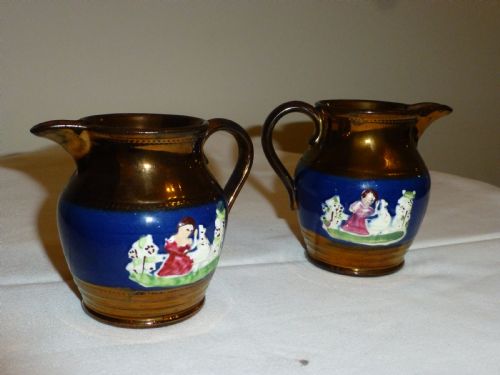
Victorian copper lustreware brings the warm metallic shine of the nineteenth century into your home through sturdy earthenware jugs and decorative bowls.
Victorian Copper Lustreware
Victorian copper lustreware consists of ceramic and earthenware vessels finished with a metallic glaze that catches the light with a coppery sheen. These pieces date across the nineteenth century, including the Georgian era and early Victorian periods.
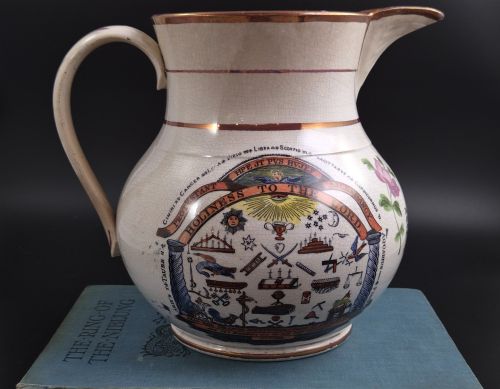
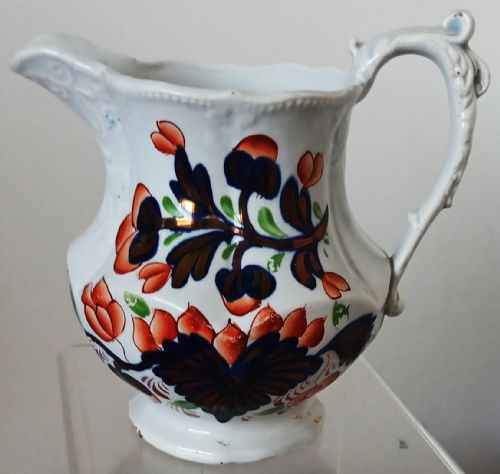
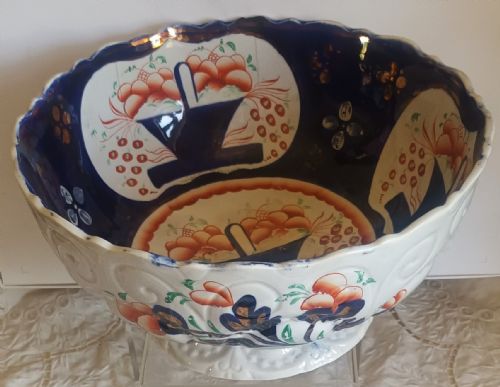
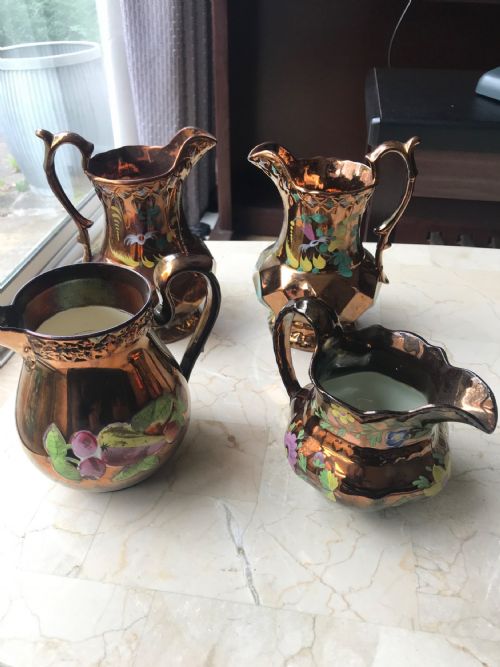
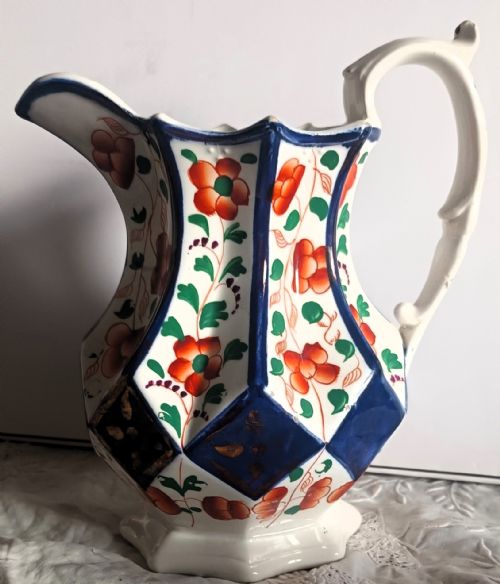
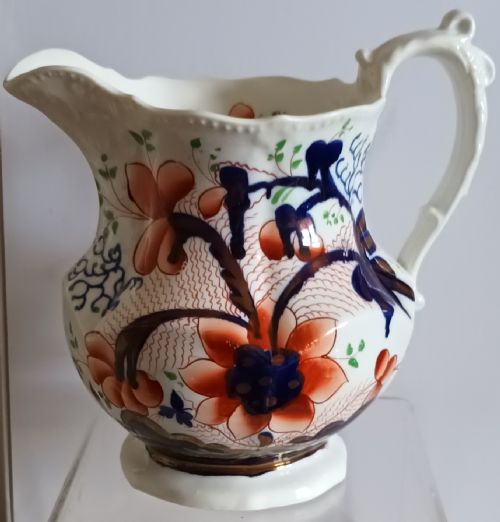
Jug forms dominate the offerings, ranging from small cream and milk jugs to larger pitchers decorated with hand-painted fruit, botanical motifs, and commemorative themes. Bowls and decorative sculptures also appear among the ceramic and ironstone items.
Makers from Staffordshire produced many of these items, utilising traditional potting methods that combined durable earthenware with distinct lustre finishes. Collectors often find these robust domestic wares preserved in surprising quantities from the mid-nineteenth century.
Materials and construction
Potters shaped these vessels from earthenware and ironstone clay bodies, forming jugs, bowls, and sculptural shapes by hand or in moulds. The porous clay body provided a stable base for subsequent decoration and glazing steps.
Makers applied metallic lustre glazes containing copper to create the signature reflective surface, sometimes combining this finish with polychrome enamel paints. Hand-decorated botanical patterns, fruit motifs, and commemorative scenes were then painted over or beneath the glaze before final firing.
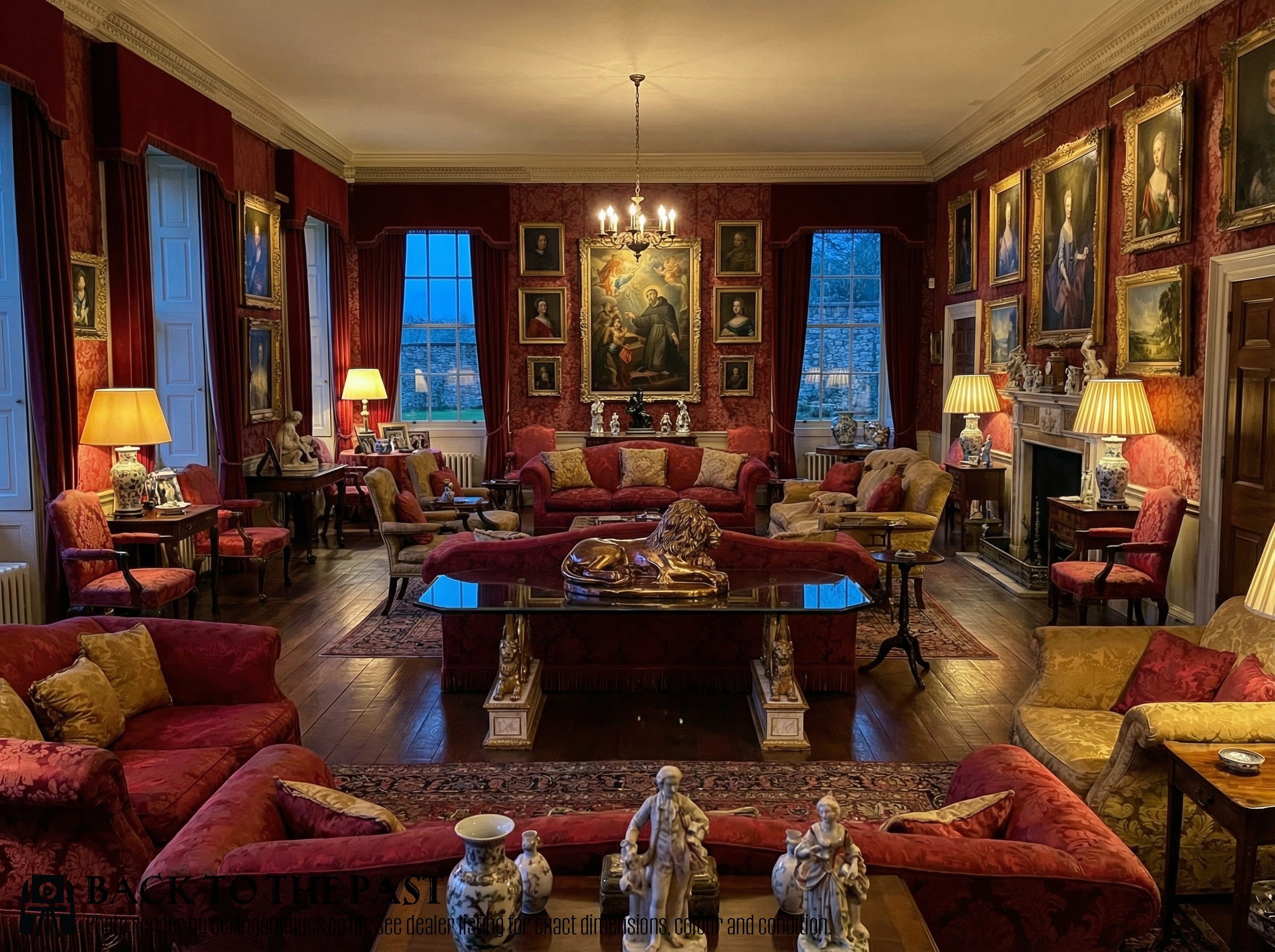
One robust lion sculpture stands proudly in a coat of copper lustre glaze, watching over the tea cups.
Judging quality in lustre pottery
The crispness of the hand-painted decoration and the evenness of the metallic glaze distinguish finer pieces from simpler utilitarian wares. Well-executed botanical details and carefully applied polychrome enamels elevate the visual appeal of a jug or bowl.
The depth and brilliance of the copper lustre finish vary according to the metal content and the firing technique used in the pottery. Pieces with rich, unblemished metallic surfaces command greater attention from collectors than those with dull or patchy glaze application.
Livesley Powell & Co
The Victorian Copper Lustreware Glossary
- Lustreware
- Pottery decorated with a metallic glaze that produces an iridescent or shiny surface. This technique dates back centuries but saw widespread use in nineteenth-century Staffordshire potteries.
- Earthenware
- Porous pottery fired at relatively low temperatures, commonly used for domestic jugs and bowls before being glazed. It forms the structural base for most copper lustre pieces.
- Polychrome
- Decoration utilising multiple distinct colours painted onto the ceramic body or glaze. This technique often appears alongside metallic lustre to highlight floral or figural motifs.
- Ironstone
- A durable type of heavy ceramic developed in the nineteenth century to imitate porcelain. It provides a robust alternative to standard earthenware for domestic vessels.
Victorian Copper Lustreware: Frequently Asked Questions
What is copper lustreware?
Copper lustreware refers to ceramic and earthenware pottery finished with a metallic glaze that creates a shiny, coppery appearance. These nineteenth-century pieces catch the light and were commonly formed into jugs and decorative bowls.
Pottters achieved this effect by applying metallic compounds to the clay body before firing. The resulting finish ranges from a subtle sheen to a deeply reflective metallic surface.
How were these jugs used?
These ceramic vessels served practical roles on nineteenth-century dining tables as milk jugs, creamers, and water pitchers. Their durable earthenware and ironstone construction made them suitable for daily household tasks.
Over time, many of these utilitarian objects transitioned into display pieces as collectors began to value their distinct metallic glazes and hand-painted decorations.
How do I date these pieces?
Dating Victorian copper lustreware relies on examining the ceramic body, the style of the handle, and the nature of any hand-painted decoration. Pieces from the early nineteenth century often exhibit heavier earthenware bodies and simpler botanical or floral motifs.
Makers' marks, where present on the base of ironstone or earthenware items, provide more precise chronological markers. Comparison with dated archival examples helps narrow down the decade of production.
How do I care for lustreware?
Caring for antique lustreware involves gentle hand washing with mild soap and warm water rather than placing pieces in a dishwasher. The metallic glaze can be sensitive to harsh abrasives and strong chemical cleaners.
Displaying these items away from direct, continuous sunlight helps protect any polychrome enamel paints from fading over time.