



Ceramic Lion Statue
These ceramic lion statue pieces range from Staffordshire pottery figures to Japanese porcelain guardian dogs, offering decorative presence for home and garden.
Ceramic Lion Statue
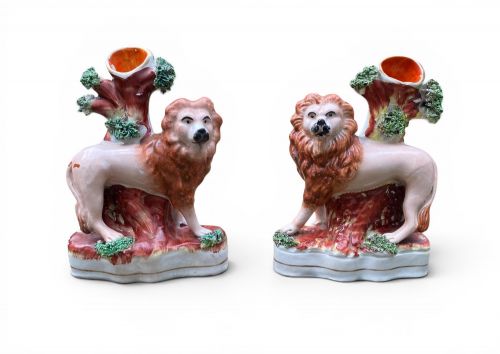
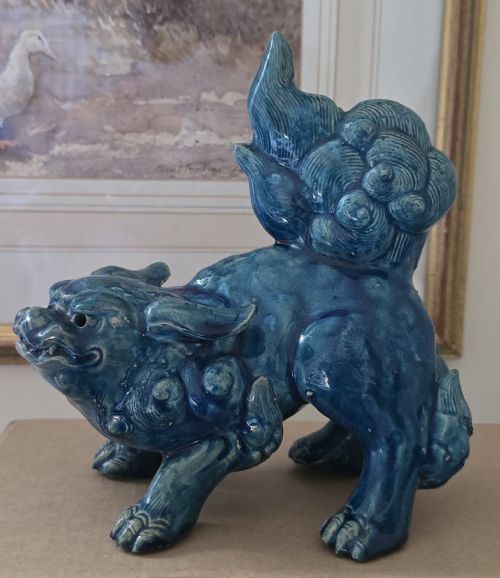
A ceramic lion statue brings centuries of sculptural tradition into domestic and garden spaces, drawing from both British pottery works and Asian ceramic arts. Buyers searching for a ceramic lion statue encounter diverse interpretations, from Staffordshire spill vases and recumbent bookends to Japanese Shishi guardian figures and Chinese pottery Buddhist lions.
The selections span the nineteenth and early twentieth centuries, capturing periods such as the Victorian era alongside the Japanese Meiji period and the Chinese Qing dynasty. English earthenware pairs sit alongside salt-glazed garden models and Italianate terracotta sculptures, reflecting global influences on domestic display.
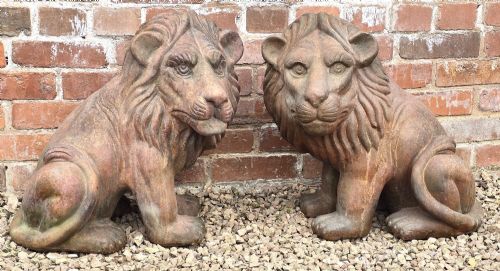
Staffordshire pairs and large terracotta garden models appear frequently among the pieces, often modelled as recumbent beasts or formal Medici guardians. These figures served both decorative and practical roles, functioning as mantel ornaments, spill vases, bookends and estate sculptures.
How They Were Made
Makers shaped these sculptures from earthenware, terracotta, stoneware, porcelain and clay, applying lead, copper lustre, turquoise, pale green and sancai glazes to finish the surfaces. Hand sculpting and moulding techniques created both delicate porcelain models and robust terracotta garden statues.
Kiln firing transformed the raw clay bodies, while skilled artisans hand-painted details onto earthenware and porcelain figures such as Staffordshire lions and Hirado guardian dogs. Glazing methods varied from simple lead coats to vibrant turquoise and copper lustre applications, sealing the ceramic body and adding colour.
Listings feature earthenware, porcelain, stoneware and terracotta materials shaped into garden statues, spill vases and decorative figures.
What Varies in Quality
Surface finish also determines standing, with controlled copper lustre, rich sancai glazes and hand-painted touches separating exceptional sculptural models from routine production wares. Scale and proportion further differentiate substantial garden terracotta pairs from smaller interior figurines.
Lancaster and Sons of Hanley·Hurlford Kilmarnock
The Ceramic Lion Statue Glossary
- Staffordshire pottery
- Earthenware figures and utilitarian wares produced in the pottery districts of Staffordshire, England. These pieces include decorative lions, spill vases and dog figures from the nineteenth century.
- Shishi
- A Japanese term for a guardian lion or lion dog derived from Chinese Buddhist tradition. These mythical beasts appear in porcelain, earthenware and Kutani models.
- Terracotta
- Fired unglazed clay of a brownish-red colour, used extensively for garden sculptures and large architectural figures. The material withstands outdoor placement when properly dense.
- Sancai
- A three-colour glaze tradition used on Chinese pottery, typically combining green, amber and creamy white tones. This technique decorates figures such as the Dogs of Foe.
- Spill vase
- A hollow pottery figure incorporating a small cylindrical holder designed to store wooden spill strips for lighting fires. Pairs of Staffordshire lions frequently doubled as these functional mantel ornaments.
- Pearlware
- A refined earthenware developed in England featuring a thin glaze with a slight bluish tinge over a white body. Staffordshire potters utilised this ceramic body for early nineteenth-century figures.
Ceramic Lion Statue: Frequently Asked Questions
What is a Shishi?
A Shishi is a traditional guardian lion or lion dog originating from Buddhist iconography in East Asia. Japanese and Chinese artisans rendered these protective beasts in porcelain, earthenware and glazed ceramics.
These figures often served to ward off evil spirits and protect sacred spaces. In domestic settings, they functioned as ornamental sculptures displaying intricate glazes and detailed modelling.
How were Staffordshire lions used?
Staffordshire lion figures served primarily as decorative mantel ornaments in Victorian homes. Pairs were positioned facing inward on either side of a fireplace or shelf.
Some examples incorporated cylindrical backs to act as spill vases for holding wooden matches. Others functioned simply as ornamental bookends or fireside figures.
Where do terracotta lions go?
Large terracotta lion sculptures were traditionally placed at the entrances of country houses, estate gardens and formal terraces. Their durable clay body suited outdoor placement on stone bases.
In interior settings, smaller terracotta or pottery models occupied halls, libraries and drawing rooms. They brought classical Italianate or Victorian garden aesthetics into domestic spaces.
How do you date ceramic lions?
Dating relies on stylistic markers, manufacturing materials and glaze types characteristic of specific nineteenth and early twentieth-century periods. Victorian Staffordshire pieces show distinct modelling conventions compared to Meiji period Japanese porcelain or Qing dynasty figures.
Pots and figures from the mid-nineteenth century often employ earthenware bodies with lead or copper lustre glazes. Later twentieth-century productions reflect shifting regional manufacturing styles and kiln technologies.