


English Pottery Pitcher
An English pottery pitcher brings tactile history to a table, offering hand-thrown earthenware and transfer-printed lustre from centuries past.
English Pottery Pitcher
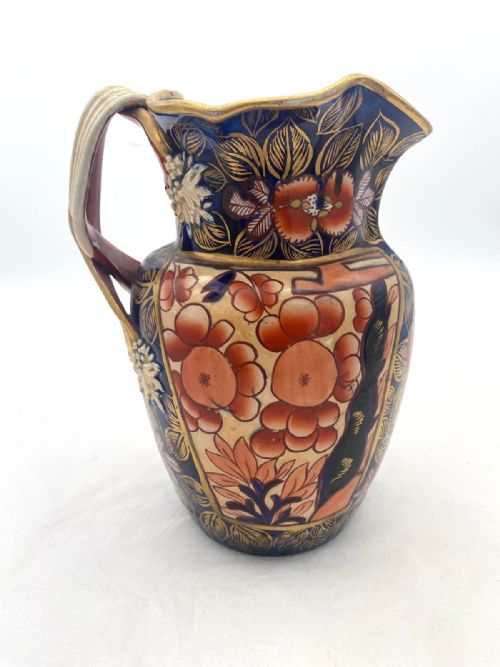
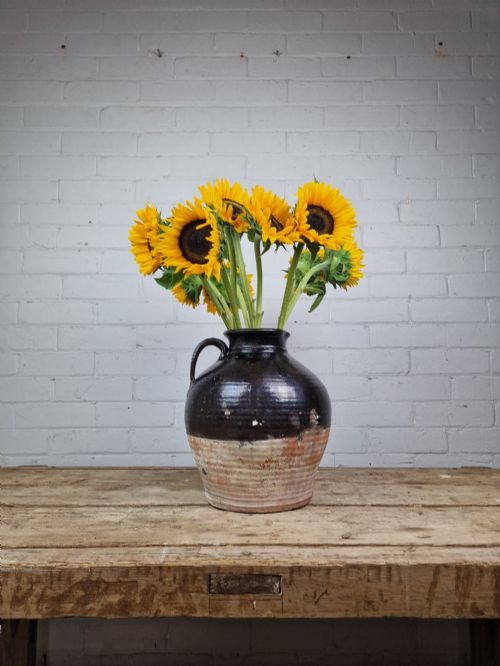
An English pottery pitcher encompasses utilitarian vessels and decorative jugs shaped from earthenware, stoneware, and ironstone across the Georgian and Victorian eras. These pieces range from robust slipware and salt-glazed harvest jugs to delicate pearlware and creamware milk jugs.
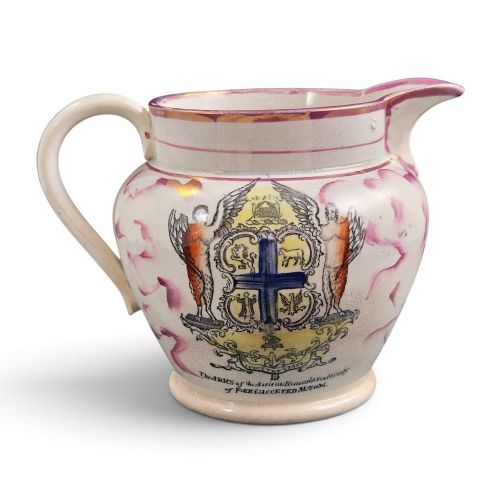
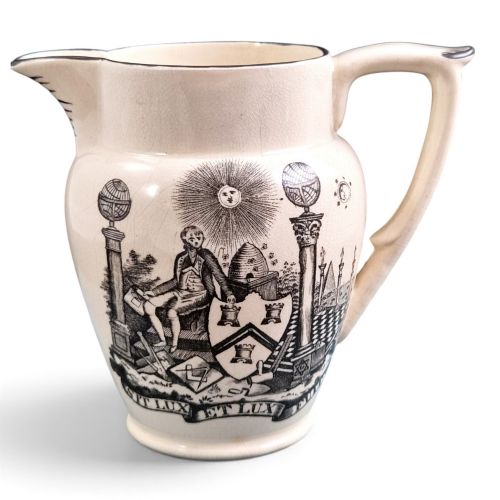
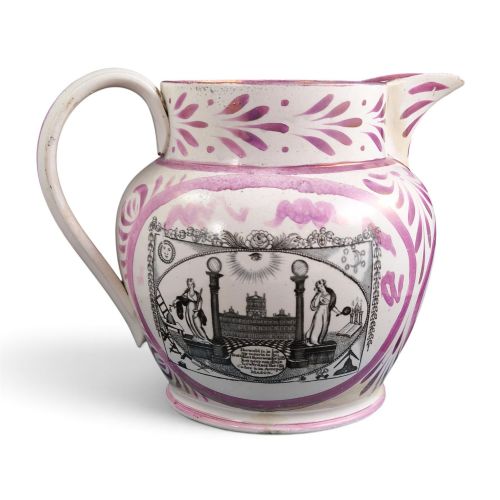
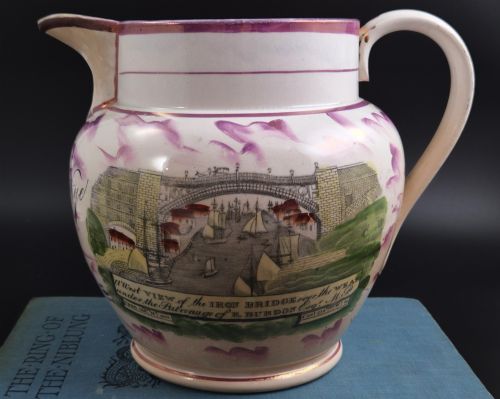
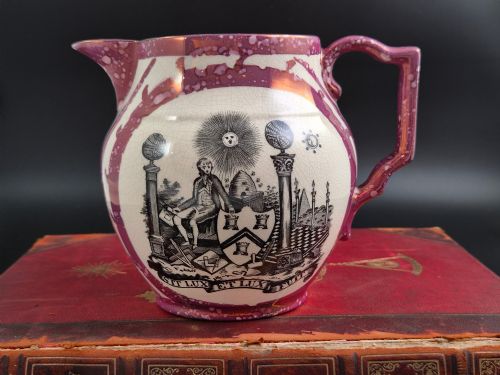
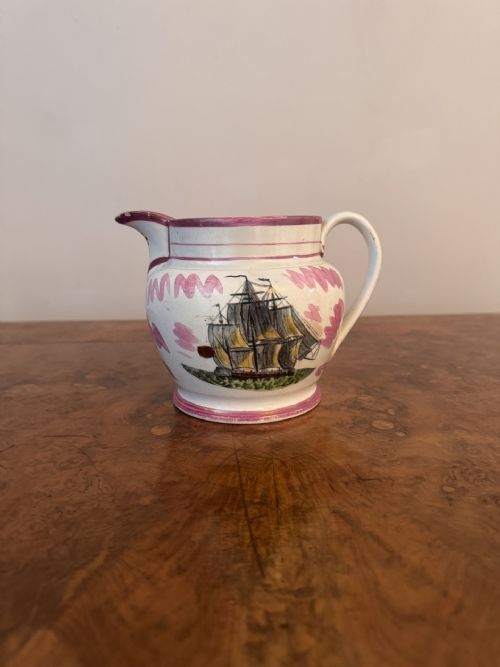
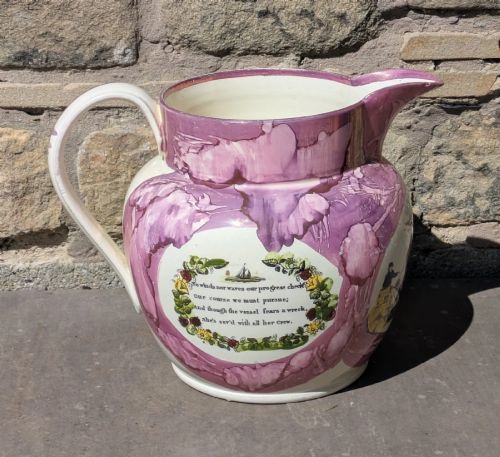
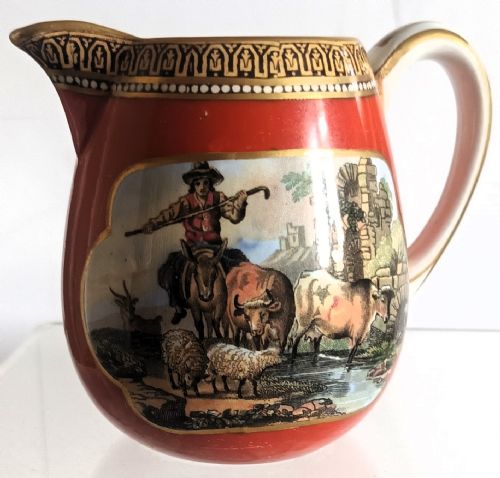
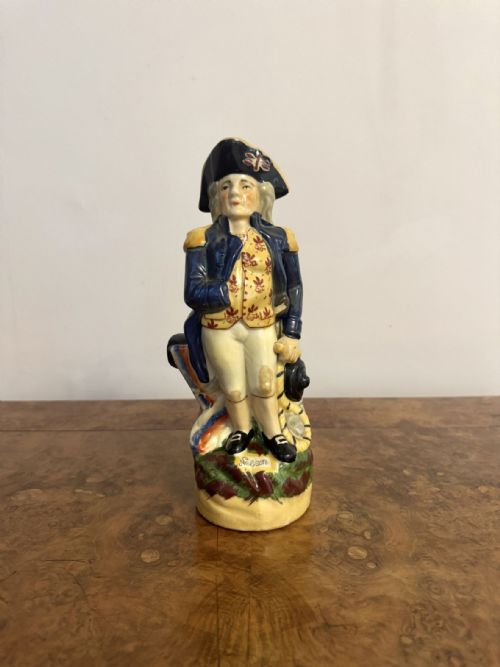
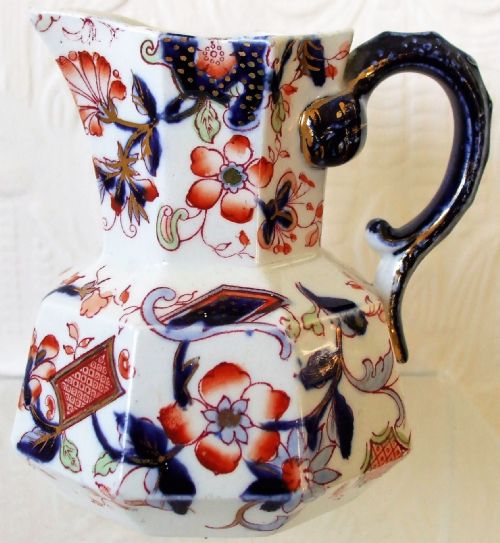
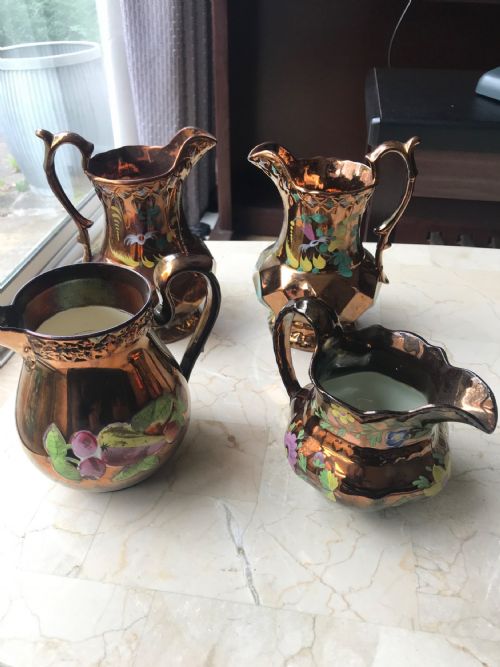
Buyers most frequently encounter 19th-century earthenware and stoneware examples, particularly transfer-printed Sunderland lustre jugs and moulded Staffordshire figures such as toby jugs. These items reflect the domestic and commemorative needs of their periods, featuring maritime themes, Masonic emblems, and botanical motifs.
How They Were Made
Potters shaped these vessels using traditional throwing on the wheel or by pressing clay into plaster moulds, as seen in relief-moulded and cabbage leaf designs. They applied lead and salt glazes, alongside metallic lustres, to seal the porous ceramic bodies.
Decoration relied on hand painting, transfer printing in black or blue, and slip trailing. Firing took place in traditional kilns, fixing the enamel colours and copper or pink splash lustre effects onto the earthenware or stoneware surface.
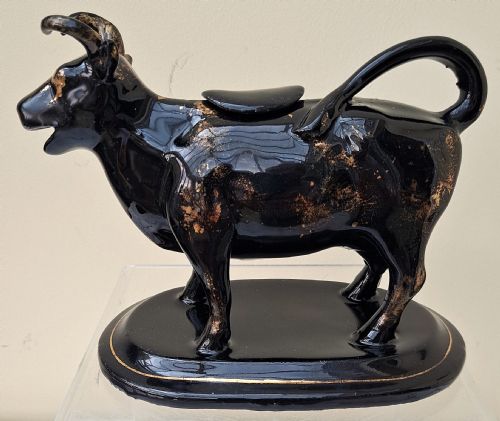
Surviving forms span Toby jugs, cow creamers, harvest jugs, and maritime lustre pitchers.
What Varies in Quality
Quality rests in the crispness of the moulding and the depth of the glaze, distinguishing sharp relief work from worn, soft impressions. Hand-painted details and transfer prints show varying levels of precision and artistic control.
The sophistication of the ceramic body itself - whether common earthenware, refined creamware, or dense Doulton stoneware - dictates the refinement of the finished pitcher.
Keeling And Co·Livesley Powell And Co·John Rogers And Son·Emma Shute
The English Pottery Pitcher Glossary
- Creamware
- A fine earthenware developed in Yorkshire and Staffordshire during the 18th century, known for its pale yellowish cream glaze. It replaced heavier salt-glazed stonewares on many dining tables.
- Lustreware
- Pottery decorated with a metallic glaze that produces an iridescent, reflective sheen. Pink and copper lustres are common on 19th-century pieces.
- Pearlware
- A refined earthenware with a bluish-white glaze created by Josiah Wedgwood to mimic Chinese porcelain. It dates predominantly from the late 18th and early 19th centuries.
- Toby jug
- A pottery jug modelled in the form of a stout, cheerful man usually holding a mug of beer and a pipe. These character jugs became popular in Staffordshire during the Georgian period.
- Slipware
- Pottery decorated with liquid clay applied to a wet or leather-hard clay body before firing. It creates contrasting tactile patterns on utilitarian vessels.
English Pottery Pitcher: Frequently Asked Questions
How were antique pitchers used?
These vessels served practical roles on dining tables and in taverns for pouring milk, water, ale, and cider. Many also functioned as commemorative objects for marriages, lodges, and political events.
Larger pitchers held water for washing or beer for communal drinking, while smaller creamers accompanied tea services.
How do I date a jug?
Dating relies on stylistic clues, ceramic bodies, and manufacturing techniques such as transfer printing and lustre application. Creamware and pearlware point towards the Georgian era, while heavy salt-glazed stoneware and aesthetic motifs suggest the later Victorian period.
Inscribed dates and named historical events on pieces like Sunderland lustre provide a direct marker of production time.
What is pink lustre?
Pink lustre is a decorative ceramic technique utilising a thin wash of gold or platinum to create a metallic, iridescent pink sheen. It often appears as a marbled splash or frames transfer-printed poems and ships.
Potters in Sunderland and other northern English centres specialised in this distinctive finish.