



Vintage Milk Pitcher
These vintage milk pitcher pieces span earthenware, porcelain, and sterling silver across multiple centuries.
Vintage Milk Pitcher
A vintage milk pitcher brings utilitarian forms from the eighteenth, nineteenth, and early twentieth centuries into daily domestic use. When searching for a vintage milk pitcher, buyers encounter cream jugs, copper vessels, and earthenware containers from various British and European potteries.
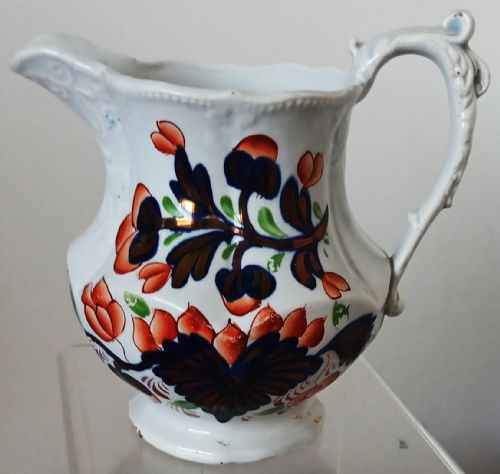
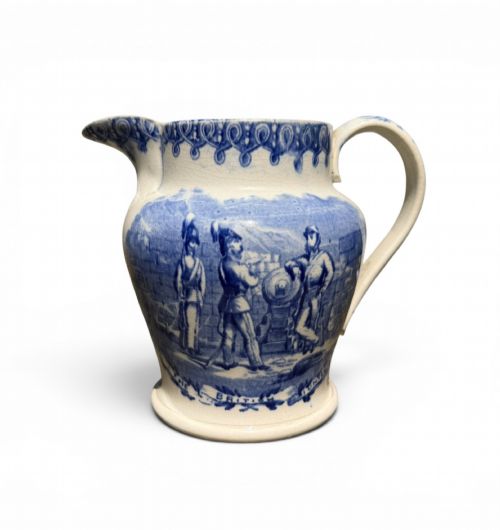
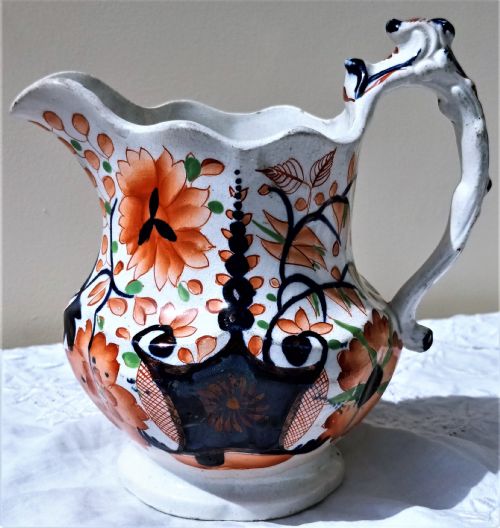
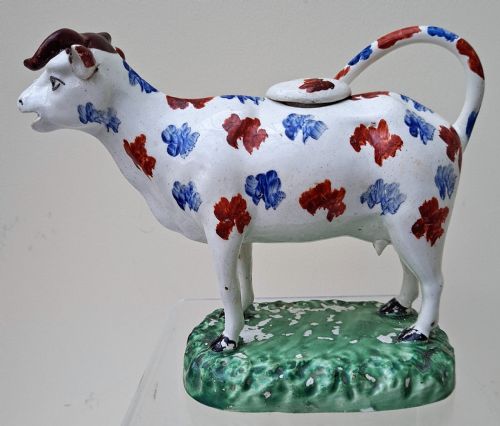
The selections on this page range from Georgian creamware and pearlware to Victorian Gaudy Welsh pottery and twentieth-century porcelain. Each piece reflects the functional requirements of serving milk or cream at the table during its respective period.
Materials and construction methods
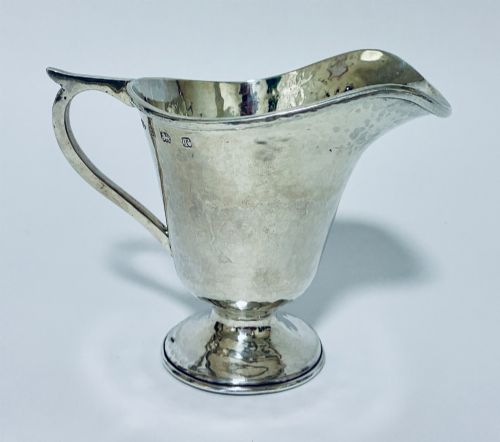
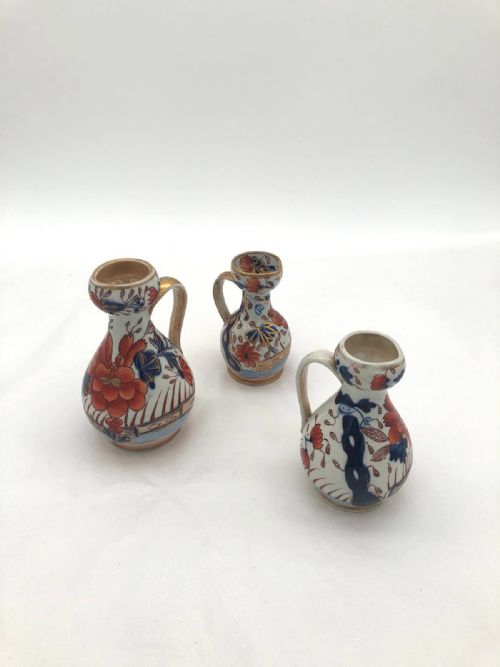
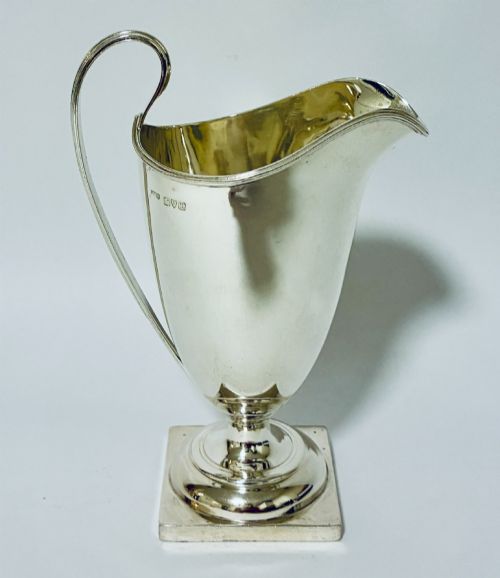
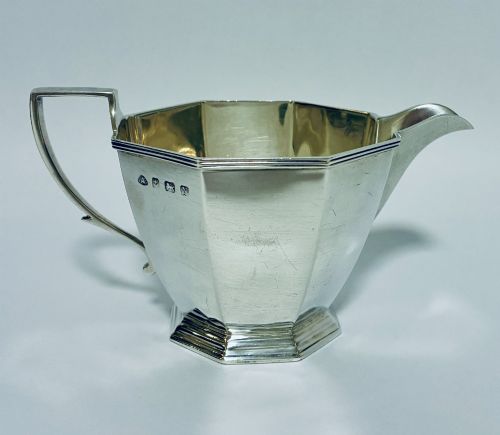
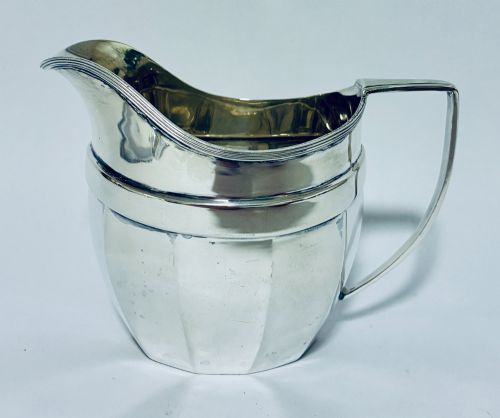
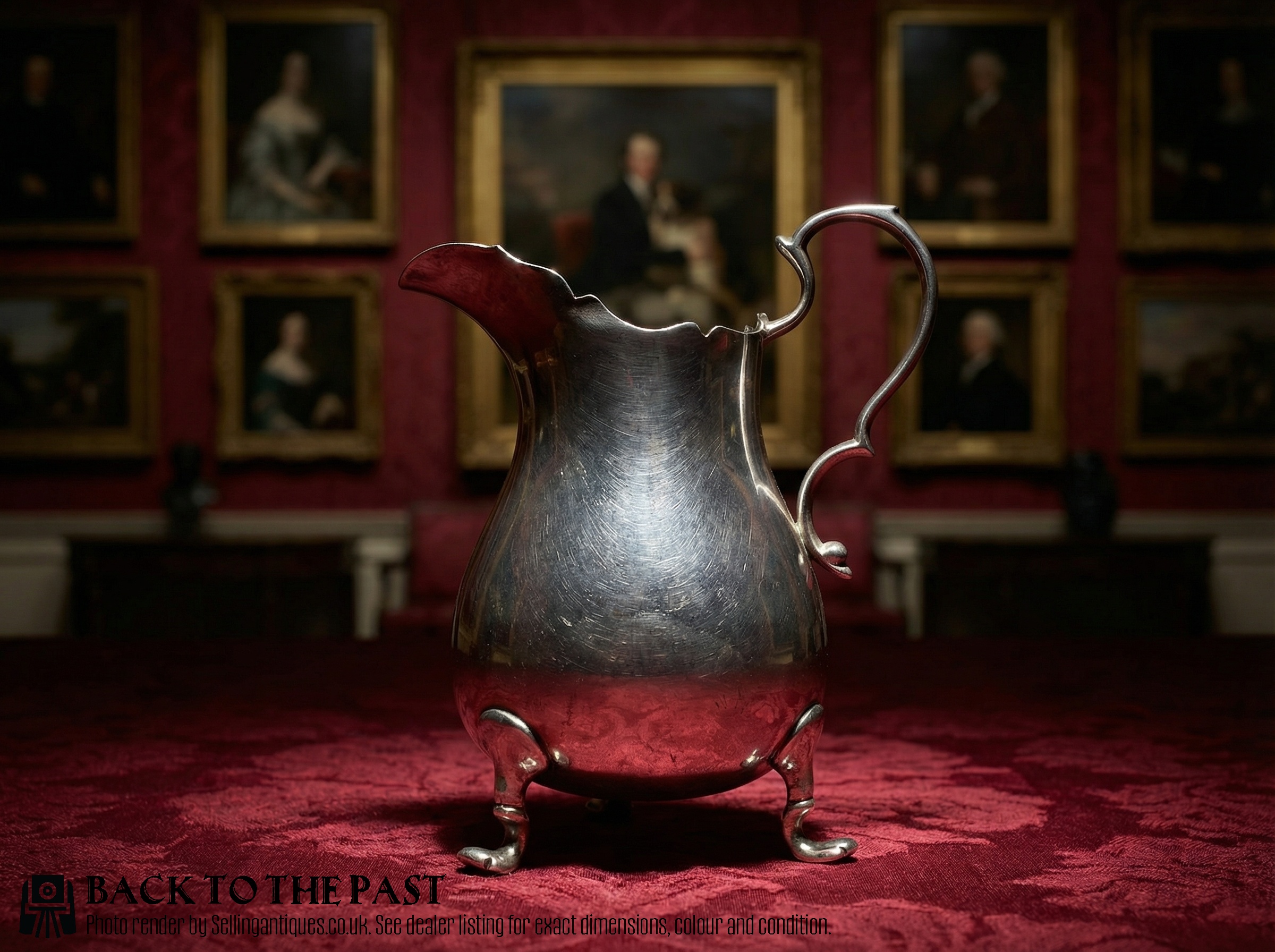
Pottery examples utilise earthenware, ironstone, and porcelain bodies, often finished with handpainted decoration, transfer printing, or lustering techniques. Silversmiths formed metal vessels from sterling silver or Sheffield plate, frequently incorporating hand-engraved designs and applied handles.
Copper and brass variants utilise sheet metal construction with soldered joints, typical of utility vessels such as Jersey cans.
Listings feature items spanning the 18th, 19th, and 20th centuries, executed in materials including porcelain, earthenware, sterling silver, copper, and enamel.
Factors determining quality
The quality of a piece rests in the crispness of its moulding, the precision of handpainted or transfer-printed details, and the integrity of the material. Fine porcelain and early creamware display delicate wall thickness and balanced form.
Metal examples show distinction through clean silversmithing marks, controlled engraving depth, and sturdy handle attachments.
Mason's Ironstone·George Unite·Robert Pringle And Sons·Livesley Powell And Co·Royal Worcester·New Hall·Chamberlain Worcester
The Vintage Milk Pitcher Glossary
- Pearlware
- An refined earthenware introduced in the late eighteenth century with a bluish glaze intended to mimic Chinese porcelain. It frequently carries underglaze blue or polychrome transfer decoration.
- Ironstone
- A durable type of heavy earthenware patented in the nineteenth century for commercial and domestic service. It resists chipping better than standard earthenware while accepting rich enamelled patterns.
- Gaudy Welsh
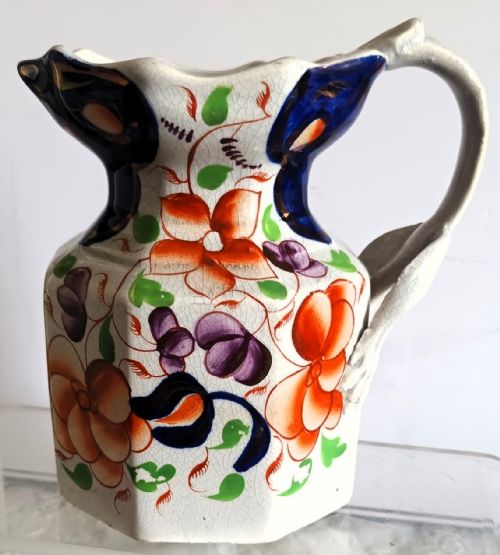
- A style of colourful pottery decorated with cobalt blue, copper lustre, and iron-red enamel, produced in Staffordshire and Welsh potteries during the nineteenth century. The patterns typically feature handpainted floral or architectural motifs.
- Sheffield Plate
- A composite material made by fusing a thin sheet of silver to a thicker copper core, prevalent before electroplating methods replaced it in the nineteenth century.
Vintage Milk Pitcher: Frequently Asked Questions
How do I clean an antique silver cream jug?
Use a soft cloth and a gentle, non-abrasive polish specifically formulated for silver. Avoid harsh scrubbing that can wear away hand-engraved surface details.
Store the piece in a dry environment to prevent tarnishing and maintain the finish of the metal.
Are these pitchers suitable for daily use?
Ceramic and silver pieces function well for serving cream or milk at the table. Hand washing is strongly recommended to preserve painted enamels and delicate glazes.
Copper vessels require specific care depending on whether their interior surfaces are lined for food contact.
How do I identify a Georgian period jug?
Look at the ceramic body and form, as Georgian pieces frequently employ creamware, pearlware, or soft-paste porcelain. Neoclassical shapes and handpainted floral sprigs often indicate late eighteenth or early nineteenth-century production.
Maker marks, where present, help confirm the exact era of manufacture.
What distinguishes ironstone from standard earthenware?
Ironstone offers a heavier, denser body designed to withstand robust daily service. It presents a more opaque appearance beneath the glaze compared to finer pearlware or porcelain.
Many nineteenth-century examples feature embossed or moulded relief decoration.