




Solid Silver Milk Pitcher
A solid silver milk pitcher brings historic weight to the breakfast table, offering lasting utility and unmistakable period craftsmanship.
Solid Silver Milk Pitcher
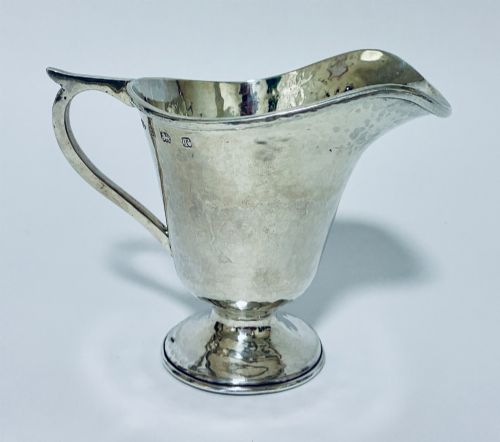
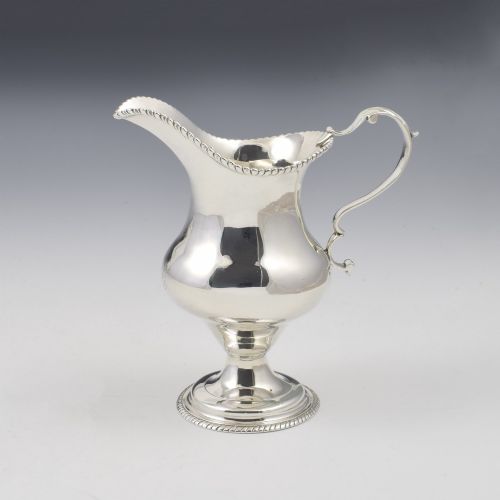
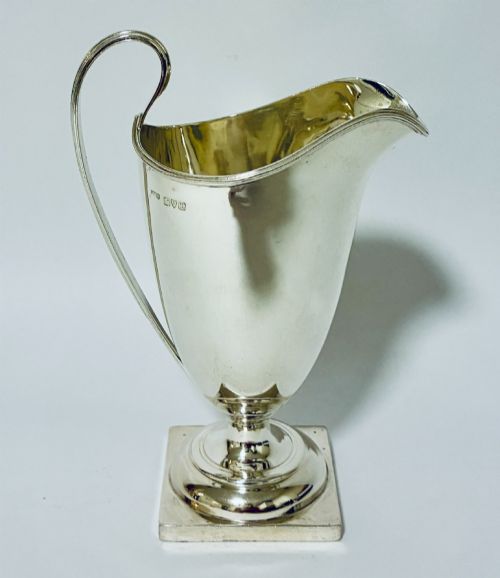
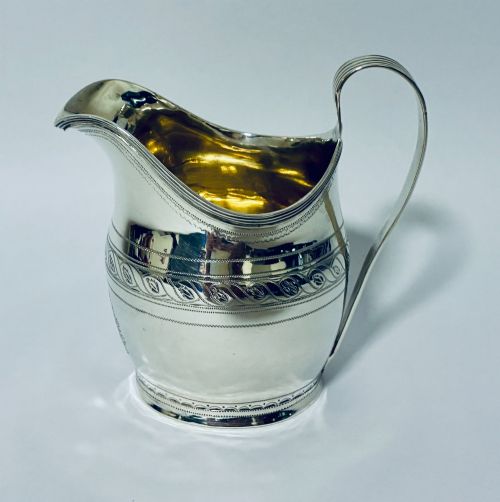
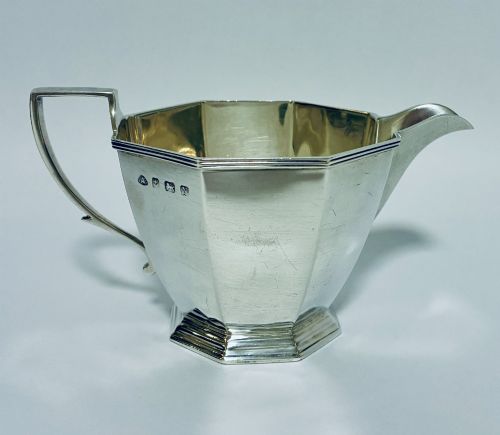
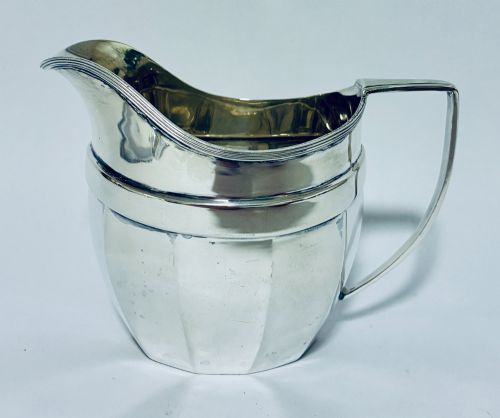
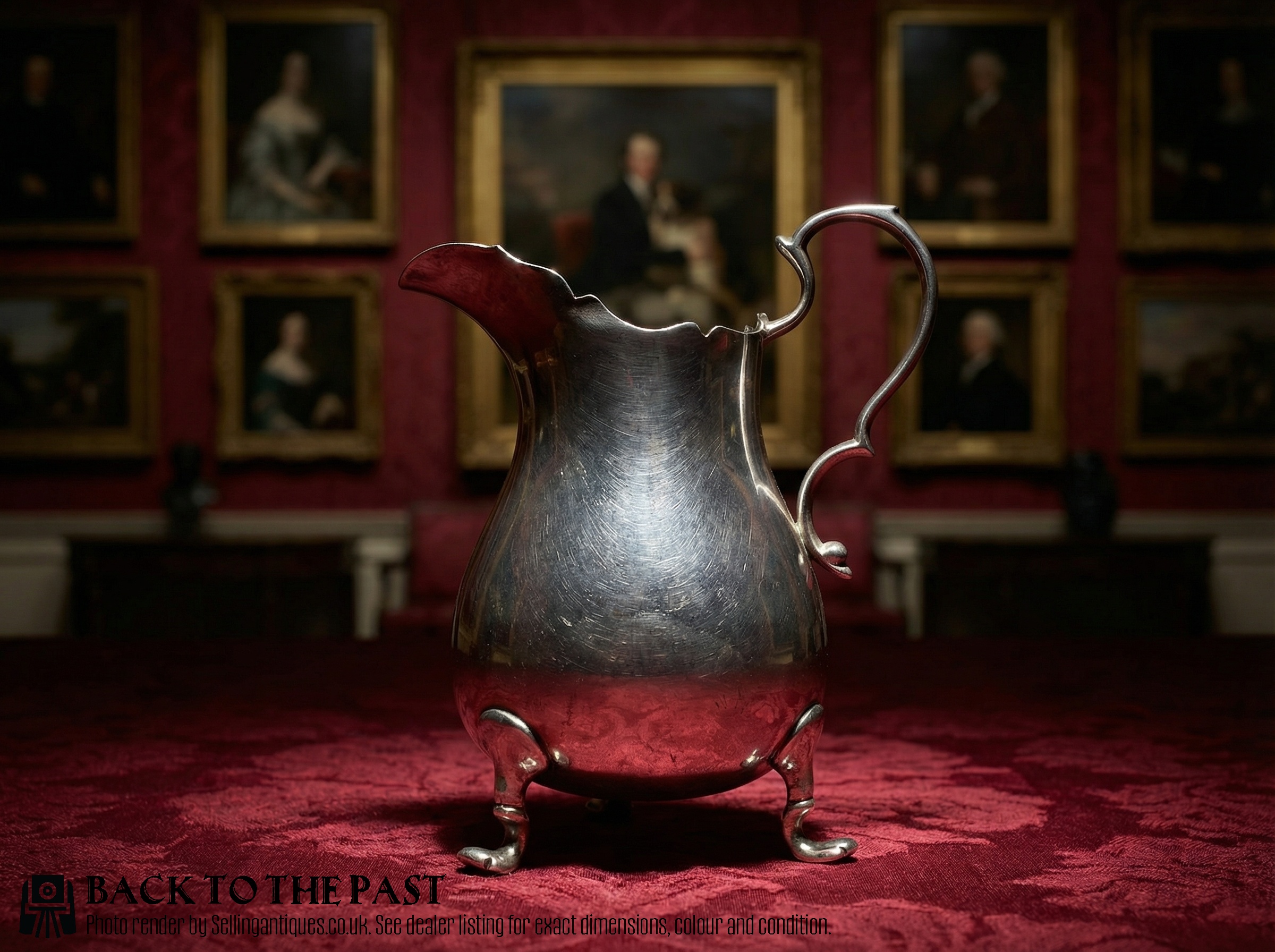
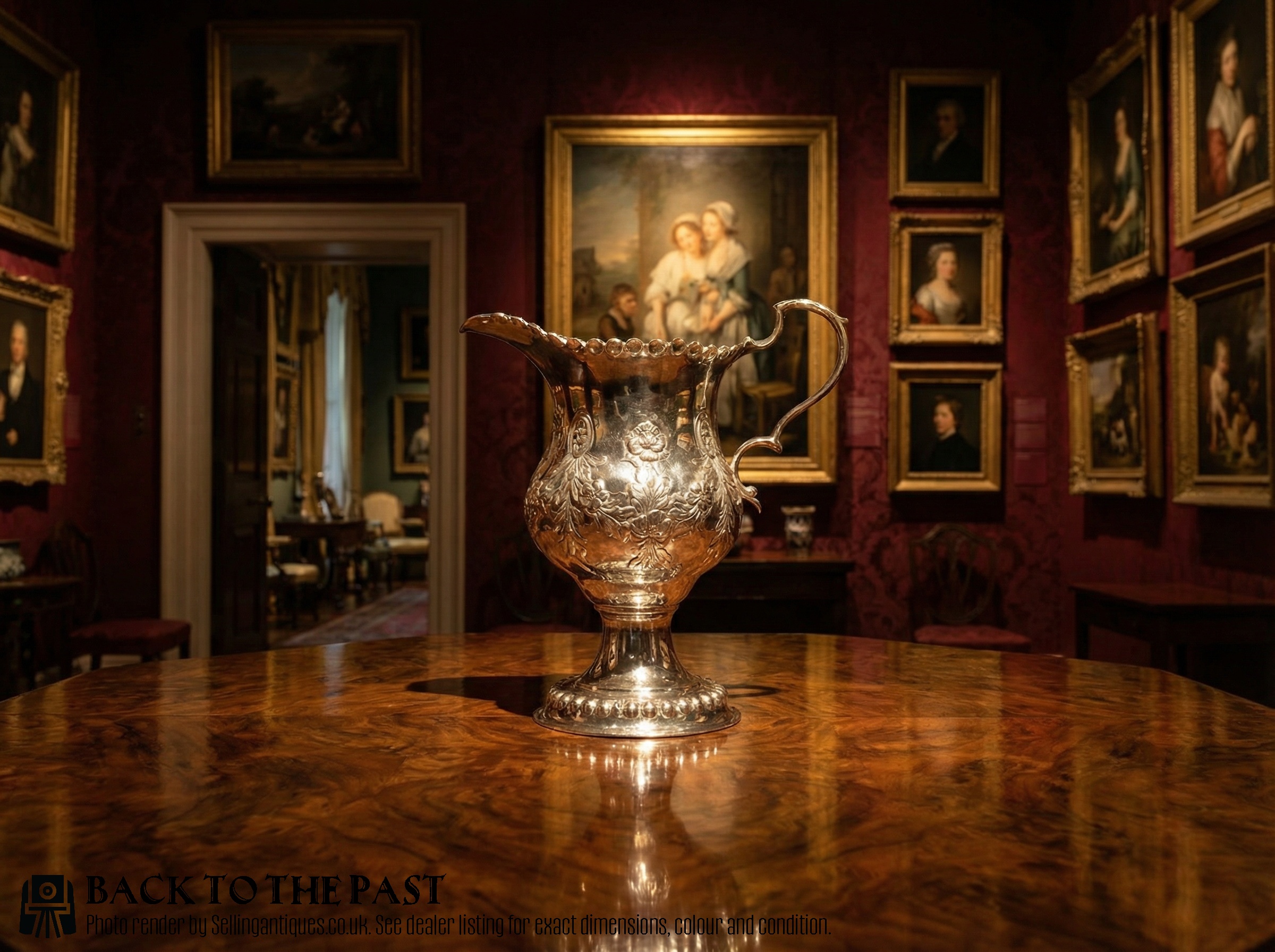
When you search for a solid silver milk pitcher, you encounter domestic vessels designed to serve milk or cream alongside tea and coffee. These pieces appear in forms ranging from compact sparrow beak jugs to larger pedestal designs and helmet shapes.
The selections available here span several centuries of British and American silversmithing, drawing heavily from the Georgian and Victorian eras as well as the early twentieth century. You will frequently find traditional cream jugs and milk jugs alongside more substantial water jugs and pitchers.
Makers shaped these items for practical daily use in dining rooms and parlours, employing durable sterling silver often paired with interior gilt or wood handles. Each piece reflects the dominant design vocabulary of its decade, from Neoclassical bright cutting to ornate Victorian chasing.
How they were made
Silversmiths constructed these jugs primarily from sterling silver, shaping the metal through hammer work, raising, and casting. Many interiors feature a gold wash or gilt finish to protect the silver from acidic dairy contents.
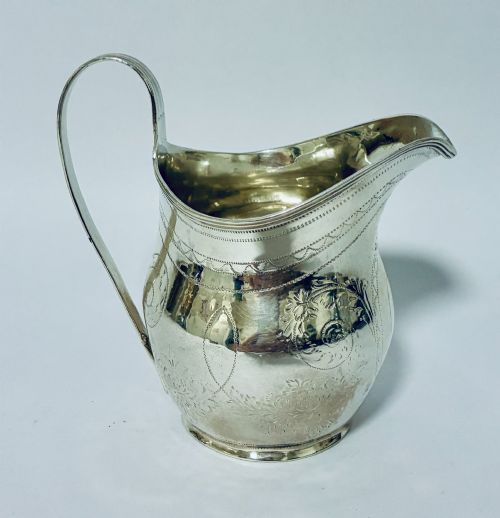
Makers applied decorative techniques such as bright cut engraving and intricate chasing to the exterior surfaces. Handles occasionally incorporate wood elements to insulate against heat when pouring warm liquids.
Listings feature solid silver milk pitchers from the Georgian, Victorian, and Edwardian periods, utilising sterling silver alongside gold wash and wood elements.
What varies in quality
The calibre of a solid silver milk pitcher rests upon the crispness of its chasing and the structural integrity of its handle and foot. Superior examples display balanced proportions, clean hallmarks, and precise hand engraving rather than worn or shallow surface details.
The weight of the metal and the complexity of the form distinguish standard domestic items from exceptional workshop productions. Pieces retaining their original interior gilding and sharp decorative motifs demonstrate superior preservation.
Stalker and Mitchison·George Unite·Robert Pringle and Sons·Robert Hennel·Hamilton Crichton and Co·William Hunter·Thomas Smily
The Solid Silver Milk Pitcher Glossary
- Sterling silver
- A silver alloy containing ninety-two point five percent pure silver by mass, standard for quality domestic plate. This composition provides the necessary durability for functional tableware.
- Bright cut
- An engraving technique utilising faceted cuts to create a sparkling geometric pattern. It defines many late eighteenth-century designs.
- Gilt
- A thin layer of gold applied to the interior surface of a silver vessel. This treatment prevents dairy products from tarnishing the silver metal.
- Sparrow beak
- An early eighteenth-century form characterised by a small, pinched spout resembling a bird's beak. These compact cream jugs are highly sought after by collectors.
- Pedestal
- A raised foot or base supporting the main body of the jug. This construction elevates the vessel and adds architectural presence.
Solid Silver Milk Pitcher: Frequently Asked Questions
How do I clean a silver milk jug?
Wash the jug gently in warm water with mild soap and dry it immediately with a soft cloth. Avoid abrasive dips or harsh commercial cleaners that strip away historic patina.
Store the piece in a dry environment to minimise tarnishing. Regular gentle handling prevents the buildup of residue without harming the metal.
Were these jugs used for milk or cream?
Historical domestic service utilised these vessels for both milk and cream depending on the household requirements at the time. The smaller sparrow beak and helmet forms typically served rich cream, while larger pitchers accommodated milk.
Makers adapted the capacities and spouts to suit the density of the dairy product being poured. Today, either function remains entirely appropriate for daily use or display.
How can I date a silver jug?
British pieces typically bear hallmarks indicating the assay office, date letter, and maker's mark stamped directly into the metal. Consulting standard silver date tables allows you to read these letters and determine the exact year of manufacture.
Stylistic indicators such as Neoclassical bright cutting or Victorian chased tavern scenes also help narrow down the period when hallmarks are rubbed.
Can I use an antique silver jug daily?
Solid silver milk pitchers are durable utensils built for practical use over centuries. Modern dairy products pose no chemical threat to sterling silver, provided the vessel is washed promptly after use.
Careful handling ensures these historic items continue to function at the modern table. Many collectors enjoy integrating them into contemporary dining routines.