

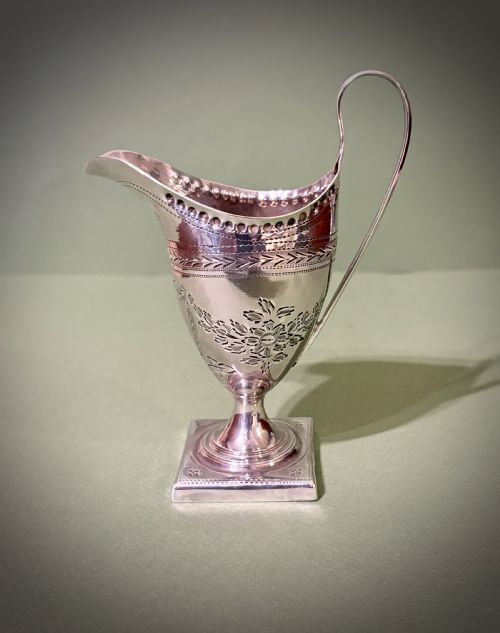


18th Century Silver Creamer
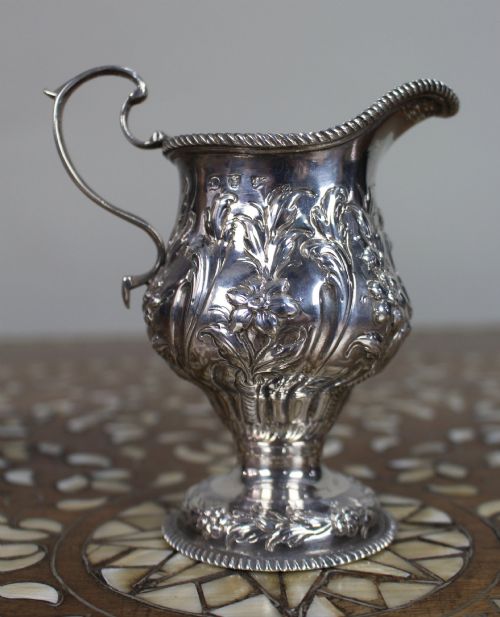
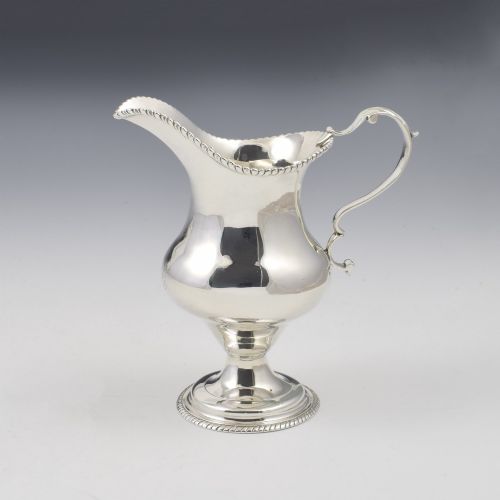
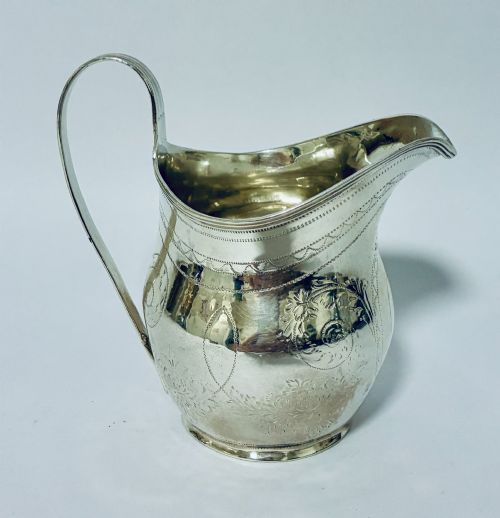
These 18th century silver creamer examples offer small, elegant vessels for milk or cream, bringing period proportion and hand-wrought character to the table.
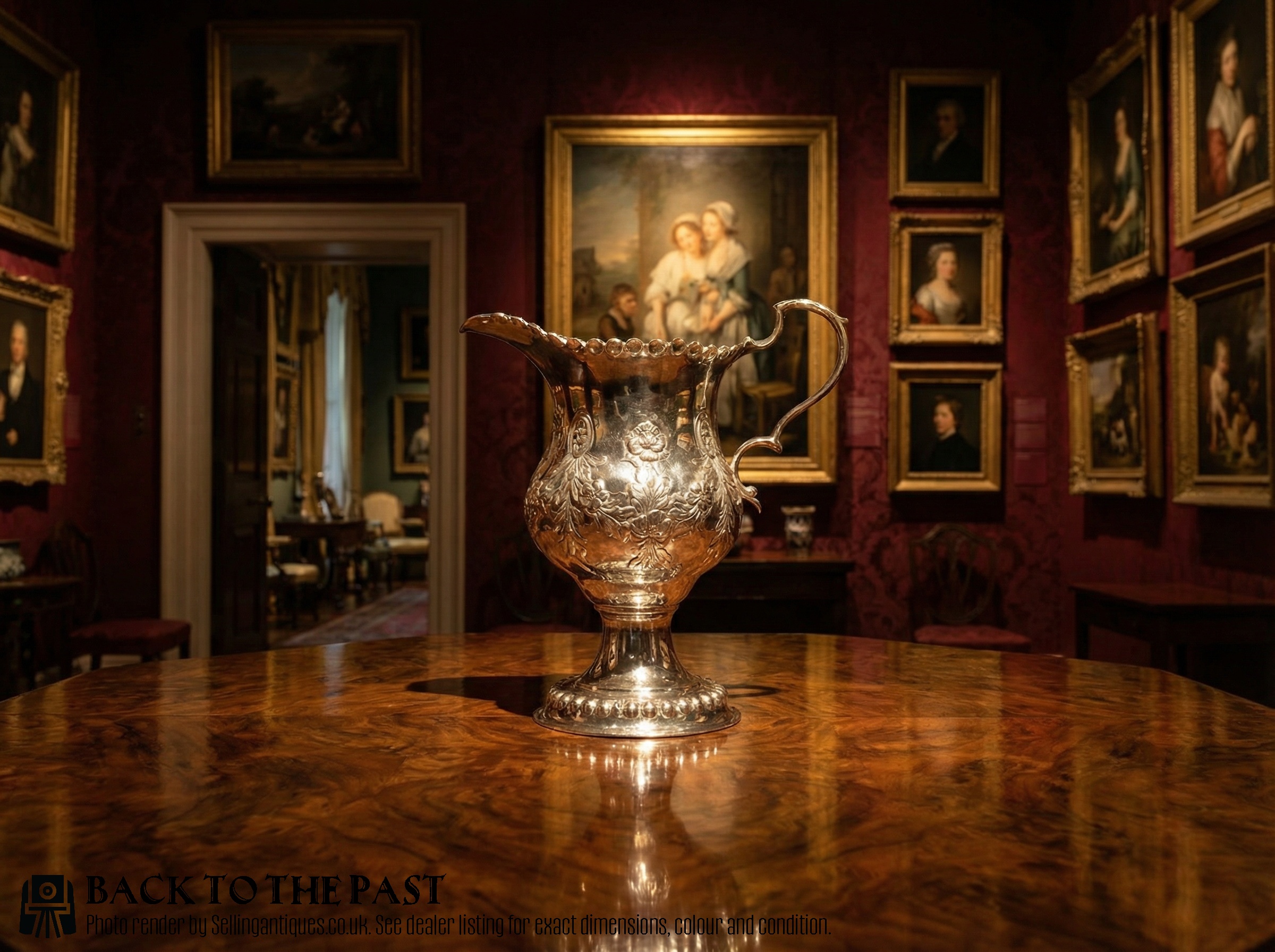
18th Century Silver Creamer
When you search for an 18th century silver creamer, you are looking at small pouring vessels designed for tea and coffee service during the Georgian period. These items appear in domestic settings from the early decades of the seventeen-hundreds through to the turn of the nineteenth century.
The versions you are most likely to meet on this page take the form of cream jugs, milk jugs, and pitchers. Makers produced them in distinct regional styles across England, Scotland, and Ireland.
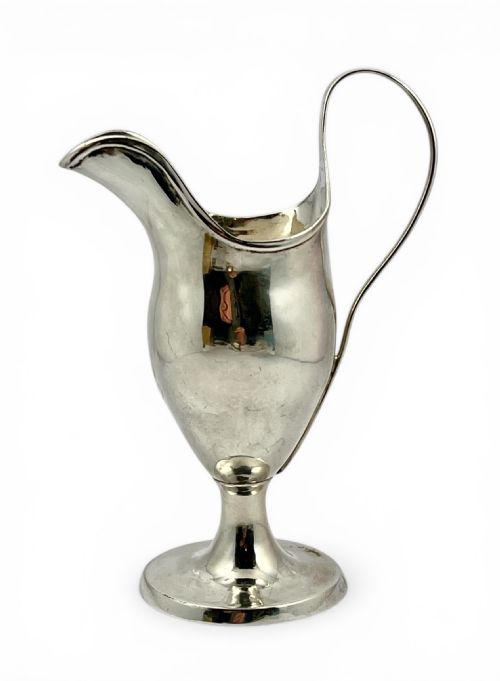
The selection ranges from early sparrow beak designs to later helmet shapes. They span reigns from George I through to George III and the year 1800, executed in sterling silver or solid silver.
How they were made
Silversmiths constructed these creamers using sterling silver and solid silver, hammering and shaping the metal by hand. Workshops employed techniques such as casting and raising to form the bodies and handles.
Regional silversmiths in London, Newcastle, Aberdeen, and Dublin applied hand-raised construction methods. They incorporated applied handles and chased or embossed decorative elements depending on the prevailing Rococo or Georgian taste.
Listings span the Georgian period from George I through to George III, alongside items dated to the year 1800.
What varies in quality
Quality varies in the crispness of the chasing and the weight of the silver used in the vessel. Earlier sparrow beak models and provincial Scottish or Irish pieces often display distinctive local hammer marks and individual silversmith signatures.
The balance of the handle and the formation of the pouring lip distinguish standard domestic production from finer workshop output. Maker marks and town assay stamps provide clear indicators of origin and workshop standard.
Stalker & Mitchison·James Gordon·Peter & Ann Bateman
The 18th Century Silver Creamer Glossary
- Sparrow beak
- A small, early eighteenth-century cream jug form featuring a diminutive, pointed pouring spout resembling a bird's beak. This style typically dates to the George I and George II periods.
- Helmet cream jug
- A vessel shape popular in the latter half of the eighteenth century, featuring a flared rim and footed base that resembles an upturned classical helmet. These often date to the George III era.
- Sterling silver
- An alloy of silver containing ninety-two point five percent silver by mass, with the remainder consisting of other metals, usually copper. It serves as the primary material for British domestic silver.
- Provincial silver
- Silverware manufactured, marked, and assayed outside of the main London assay office, in regional centres such as Newcastle, Aberdeen, or Dublin. These items often possess unique regional characteristics.
18th Century Silver Creamer: Frequently Asked Questions
Where were these creamers made?
Silversmiths produced these creamers in London as well as regional workshops across Britain and Ireland. Provincial pieces often carry marks from cities such as Newcastle, Aberdeen, and Dublin.
Regional assay offices stamped the silver to guarantee its standard and record the origin of manufacture.
How do I care for antique silver?
Care for antique silver by washing it gently in warm, soapy water and drying it with a soft cloth. Avoid abrasive cleaners that can wear away crisp maker marks and hand-chased details.
Store the pieces in dry, tarnish-resistant environments to preserve the natural patina developed over centuries of use.
What is a helmet cream jug?
A helmet cream jug is a Georgian vessel shape featuring a flared, curving rim that resembles a classical helmet. These pieces often stand upon a square or spread foot base.
They became fashionable during the reign of George III, matching the neoclassical taste of the late eighteenth century.