




Antique Botanical Jug
An antique botanical jug brings flowers and foliage into the room through pottery, porcelain, silver plate and paintings.
Antique Botanical Jug
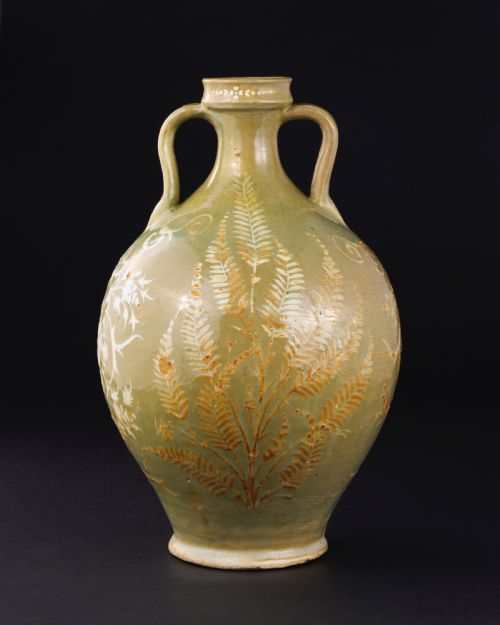
When you search for an antique botanical jug, you encounter a mix of ceramic vessels and still-life paintings depicting floral subjects. The ceramic pieces range from cream jugs and porcelain ewers to large earthenware pitchers, Majolica vessels and ironstone china.
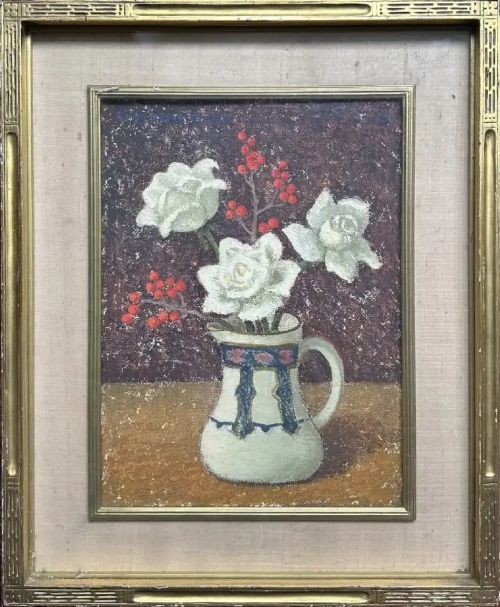
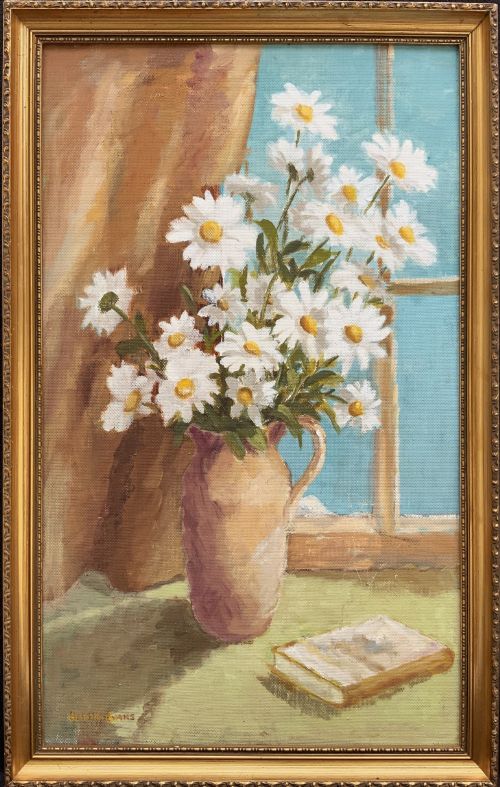
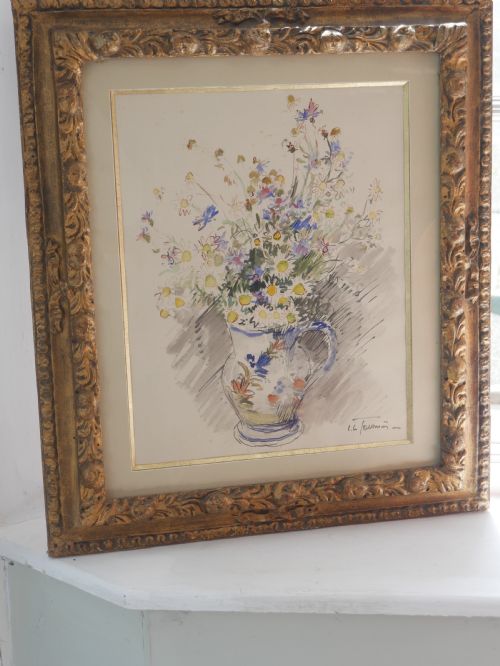
The painted examples include watercolours of gladioli, pelargoniums and cosmos flowers alongside oil paintings of summer flowers and spring blooms in jugs. Many items date from the nineteenth century, including the Regency period, Victorian era, and Art Nouveau years, stretching into the mid-twentieth century.
How they were made
Makers shaped ceramic jugs from earthenware, porcelain and ironstone, often applying hand-painted floral panels, lusterware finishes, gilding and moulded plant motifs such as bullrushes and lilies. Silver plate and enamel served for metal vessels, while painters used watercolour, oil and ink on paper and canvas.
Studio pottery methods produced distinctive pieces like sunflower jugs, whereas factories utilised transfer printing and hand-brushing for botanical patterns.
Sunflower studio pottery sits comfortably beside painted cosmos flowers and metallic bullrush jugs.
What varies in quality
The standard of a piece depends upon the crispness of the modelled plant details, the precision of the hand-painted floral decoration, and the richness of the gilding or glaze. Painted works vary according to the brushwork skill of the artist in capturing naturalistic flower forms.
Maker attribution also influences standing, with established factories and named studio potters achieving greater recognition than anonymous production.
H & R Daniel·Sir Edmund Elton·Livesley Powell and Co·Owen Bowen·Rockingham·Marion Broom·Edith Alice Andrews·Christofle·George Jones·Crown Derby
The Antique Botanical Jug Glossary
- Ewer
- A large jug with a wide spout and handle, traditionally used for holding water or wine. Many ceramic examples served decorative purposes in domestic settings.
- Majolica
- A type of earthenware coated with an opaque tin glaze and painted with brightly coloured metal oxides. This technique allowed makers to create raised botanical motifs like bullrushes and leaves.
- Lusterware
- Pottery featuring a metallic glaze that produces an iridescent sheen. It was often combined with botanical transfers or hand-painted floral designs on ironstone china.
- Claret jug
- A table vessel designed specifically for serving red wine, frequently constructed from silver plate with etched or engraved glass and ceramic bodies.
Antique Botanical Jug: Frequently Asked Questions
What is an antique botanical jug?
An antique botanical jug is either a ceramic vessel decorated with flowers, leaves and plant motifs, or a painting depicting floral arrangements inside a pitcher. These objects combine utilitarian forms with natural history illustration and still-life art.
They encompass everything from small porcelain cream jugs to large Majolica ewers and framed canvas paintings.
How were these jugs used?
Many ceramic and silver-plated vessels functioned at the dining table for serving cream, wine or water, while others served a purely decorative role on sideboards and washstands. Paintings recorded ephemeral floral displays, preserving summer blooms permanently on canvas and paper.
Larger earthenware pieces often formed part of toilet sets paired with matching basins.
How do I display an antique botanical jug?
Ceramic and metal jugs look effective placed on wooden tables, mantelpieces or open shelving where their glaze colours and plant reliefs catch the light. Painted artworks require wall placement away from direct sunlight to protect watercolours and oils.
Grouping pottery vessels with actual foliage or dried flowers highlights their botanical theme.
How can I tell the period of a jug?
Stylistic indicators such as flowing Art Nouveau plant tendrils, Regency gadroon borders, or Victorian Majolica glazing point towards specific eras of manufacture. Maker marks stamped on the base of porcelain and ironstone pieces also provide exact chronological clues.
Paintings often carry signatures and dates that help place them within the nineteenth or twentieth century.