




19th Century Lustre Jug
These 19th century lustre jug examples bring metallic sheens and transfer-printed maritime scenes straight from pottery kilns into modern homes.
19th Century Lustre Jug
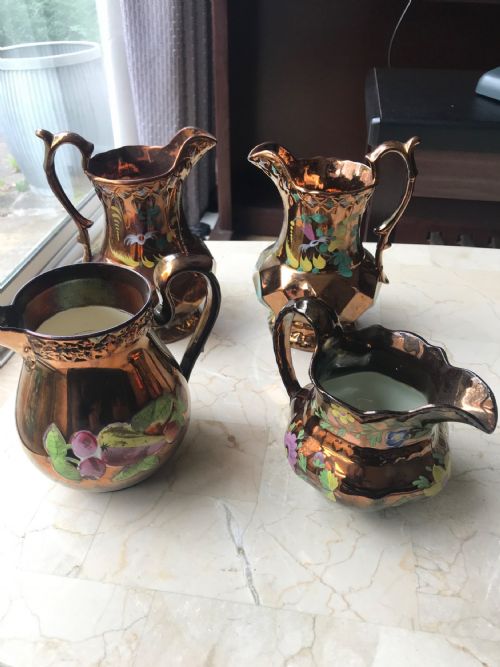
A 19th century lustre jug is a ceramic vessel coated in metallic glazes that catch the light with copper, silver, or pink reflections. Buyers searching this phrase typically encounter earthenware forms decorated with transfer-printed maritime themes, poetic panels, or hand-painted patterns.
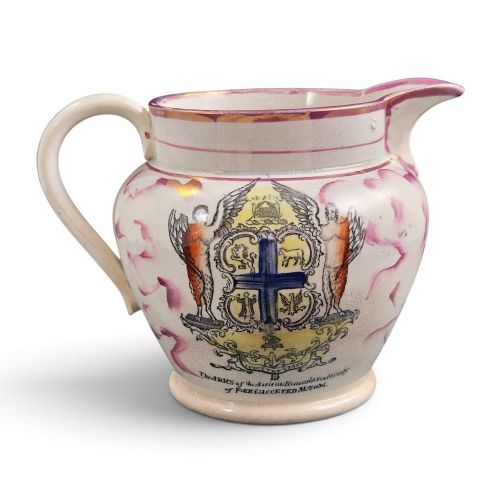
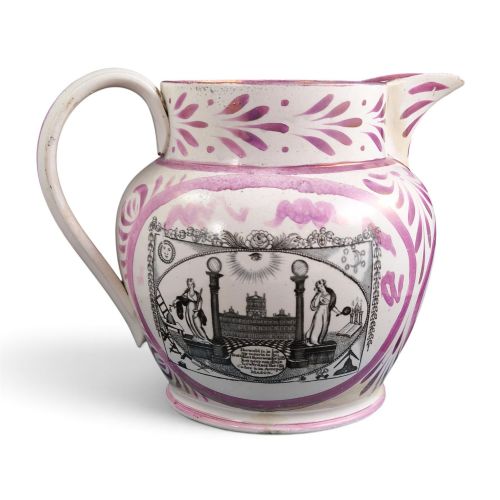
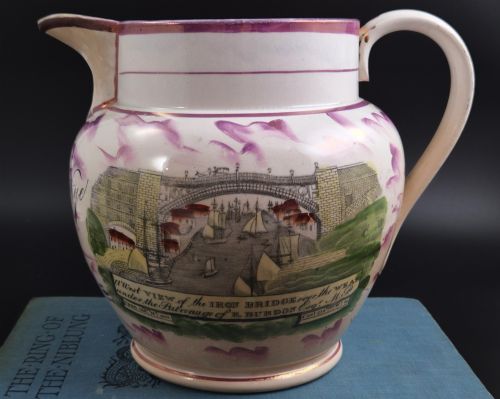
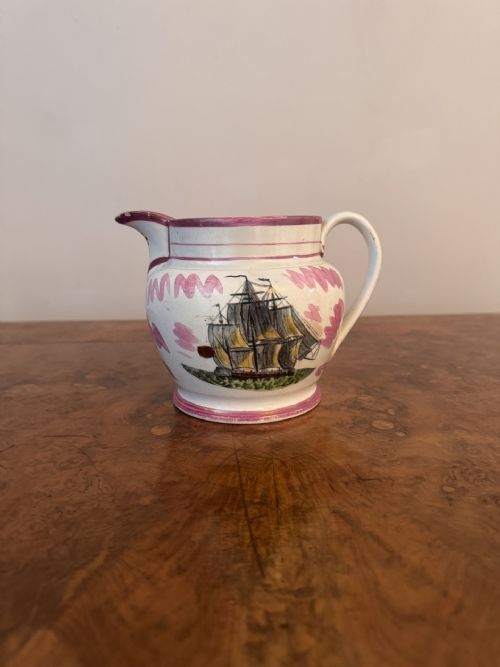
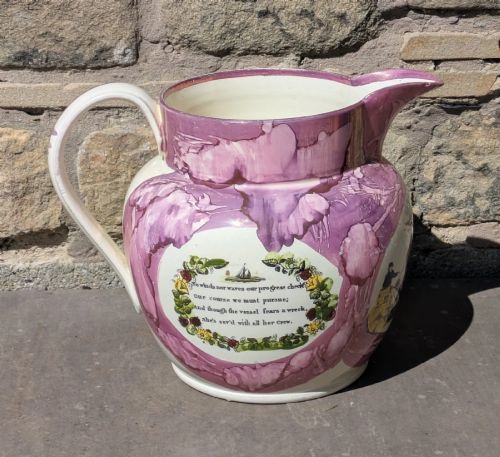
The pieces on this page span the Georgian and Victorian eras, taking shapes from small cream jugs to large pitchers. Sunderland potteries and Staffordshire makers dominate the selection, often featuring pink splash lustre and nautical transfers depicting ships and local bridges.
How they were made
Potters shaped these vessels from earthenware, ceramic, and pearlware before applying metallic glazes containing real metals like copper to achieve the characteristic reflective sheen. Many surfaces received pink splash effects created by dropping oil onto the wet glaze during firing to scatter the metallic pigment.
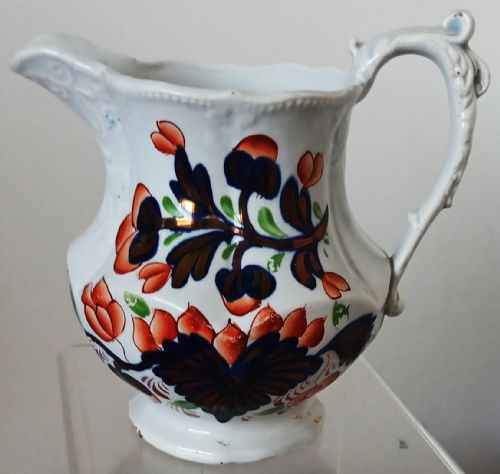
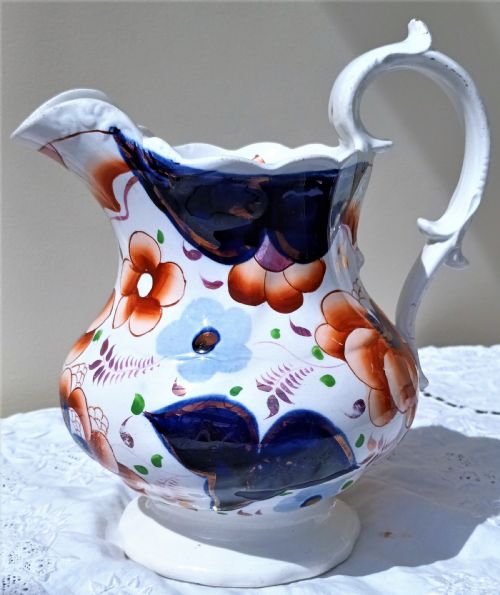
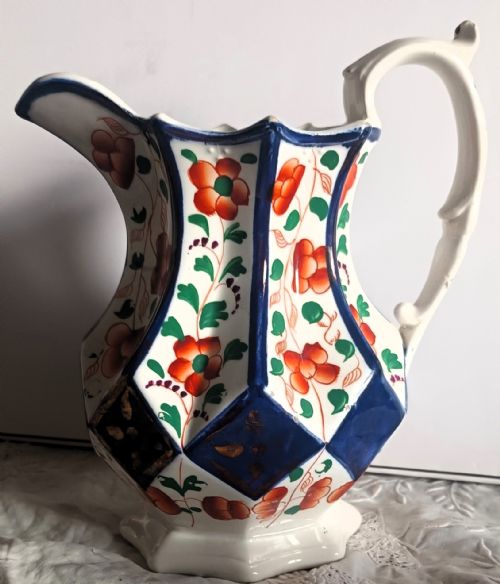
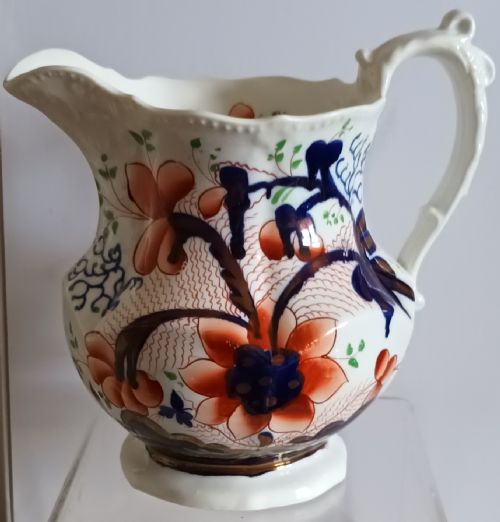
Makers embellished the pottery using transfer printing for detailed images of clipper ships and poems, supplemented by hand-painted polychrome enamels in patterns like Gaudy Welsh. A final kiln firing fixed the metallic lustre and enamel colours permanently to the ceramic body.
Sailors departing on long voyages often ordered jugs inscribed with farewell poems to ensure they had a comforting reminder of home.
What varies in quality
Quality in a 19th century lustre jug rests upon the crispness of the transfer prints and the intensity of the metallic glaze reflection. Pieces with strong, even copper or pink lustre coverage and clear maritime details stand apart from simpler iterations.
The precision of hand-painted enamel highlights and the complexity of the transfer-printed subjects, such as named ships or local landmarks, signal finer production standards. Larger scale vessels and those featuring uncommon commemorative themes also show superior craftsmanship from the pottery floor.
Sunderland Garrison Pottery·Wedgwood
The 19th Century Lustre Jug Glossary
- Lustre Glaze
- A metallic ceramic coating that produces an iridescent, reflective surface resembling copper, silver, or gold. This finish was achieved by applying a thin layer of metal salts to the fired pot and subjecting it to a reduced oxygen atmosphere in the kiln.
- Pink Splash
- A mottled pink and white lustre effect created by flicking oil onto the wet glaze before firing. The technique produces a distinctive speckled pattern popular on nineteenth-century Sunderland earthenware.
- Pearlware
- A refined earthenware developed in the late eighteenth century with a slightly bluish glaze that pooled in recesses to mimic Chinese porcelain. It served as a common body for early nineteenth-century transfer-printed jugs.
- Gaudy Welsh
- A distinctive pottery style characterised by bold cobalt blue, copper lustre, and iron-red enamel patterns on white ceramic bodies. These wares were produced extensively in the nineteenth century for domestic use.
- Transfer Printing
- A method of decorating ceramics by pressing a paper sheet engraved with an inked design onto the unglazed or glazed surface. This technique allowed potteries to reproduce complex maritime scenes and poems consistently across multiple jugs.
19th Century Lustre Jug: Frequently Asked Questions
What were 19th century lustre jugs used for?
These vessels served practical domestic roles as milk jugs, water pitchers, and cream jugs on dining tables. Many larger examples functioned primarily as decorative display pieces or commemorative items celebrating sailors and local architecture.
Potteries produced specific designs for gifting to mariners or marking special occasions, meaning owners often displayed them on mantelpieces rather than using them for daily service.
How can I tell a Georgian jug from a Victorian one?
Georgian examples often utilise pearlware bodies with early transfer prints and distinct potting weights, reflecting the styles of the early decades of the century. Victorian pieces tend to show heavier earthenware construction and brighter, more varied enamel palettes.
Examining the glaze composition and stylistic markers such as Gaudy Welsh patterns or specific pink splash techniques helps narrow the production period within the nineteenth century.
How do I care for a lustre jug at home?
Display these ceramics away from direct sunlight to protect the delicate enamel colours and metallic glazes from fading over time. Dust them gently with a soft, dry cloth rather than using liquid cleaners.
Avoid washing them in dishwashers or submerging them in water, as the historical earthenware body and metallic surface layer remain sensitive to moisture and harsh detergents.
Why do some jugs feature pink splash lustre?
Potters created the pink splash effect by applying oil droplets to the wet metallic glaze before the final firing. This chemical reaction caused the lustre to scatter into distinct mottled patches across the ceramic surface.
The technique became a hallmark of nineteenth-century Sunderland potteries, prized for its decorative contrast against white earthenware and transfer-printed maritime scenes.