
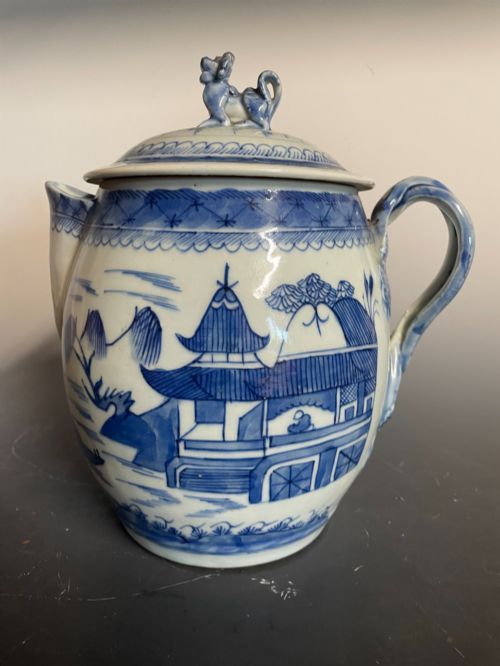


Hand Painted Milk Jug
A hand painted milk jug brings domestic warmth to the table, combining functional pouring vessels with intricate painted decoration from past centuries.
Hand Painted Milk Jug
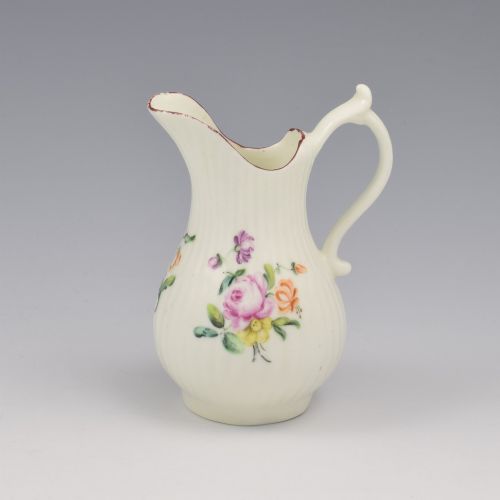
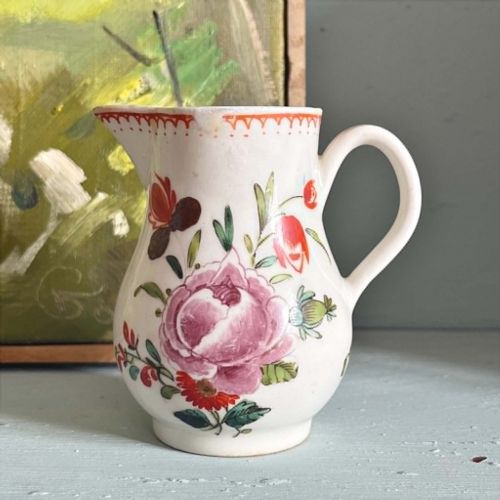
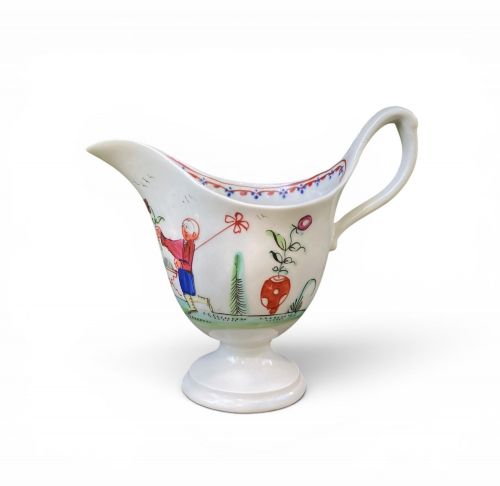
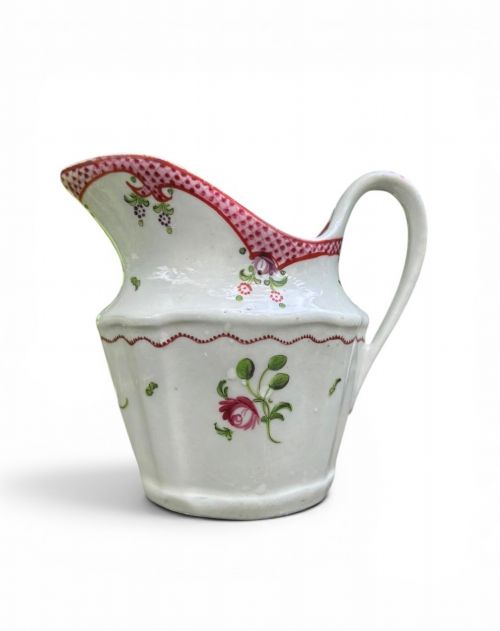
A hand painted milk jug is a small ceramic vessel designed for serving cream or milk, frequently encountered in porcelain and earthenware bodies. When searching this phrase, a buyer discovers items spanning from the eighteenth century through the nineteenth century, including Georgian and Victorian examples.
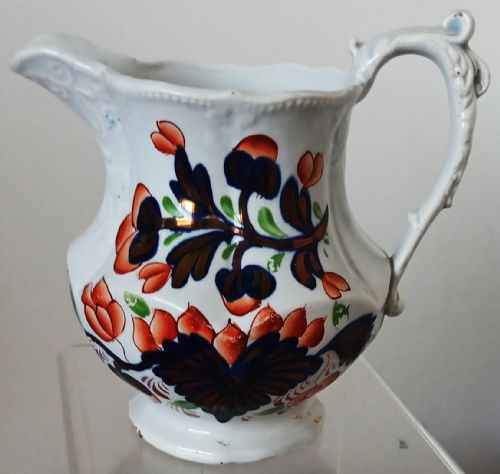
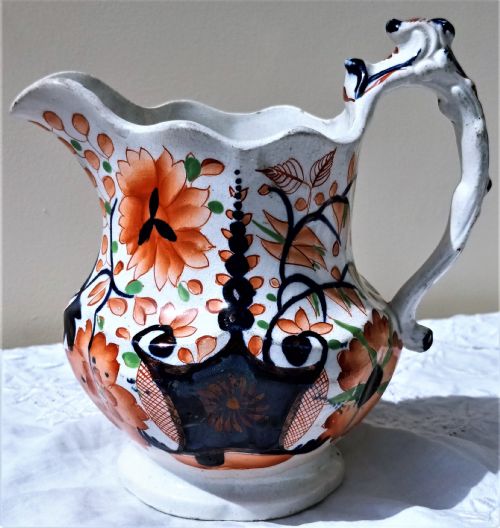
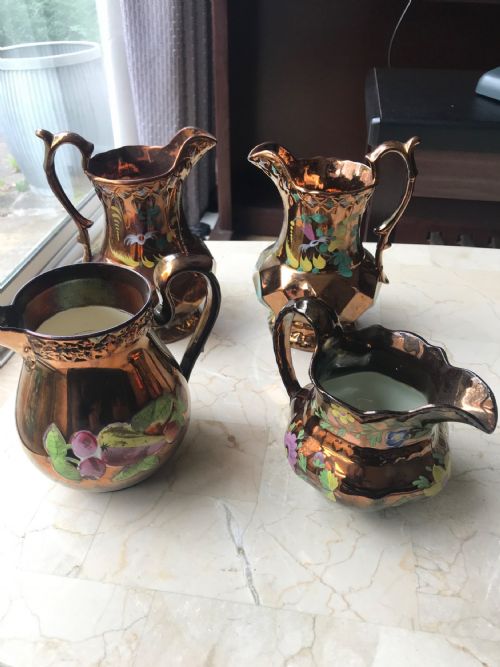
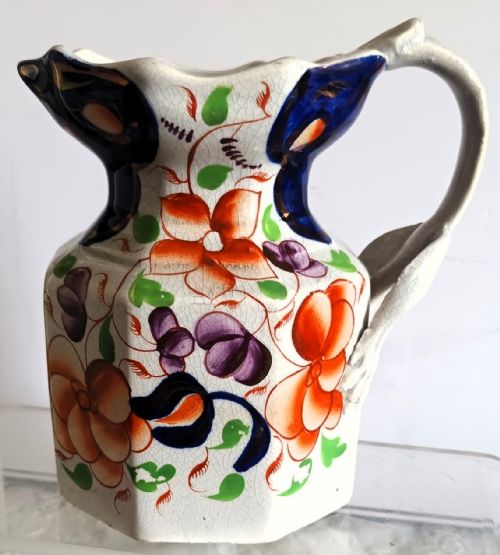
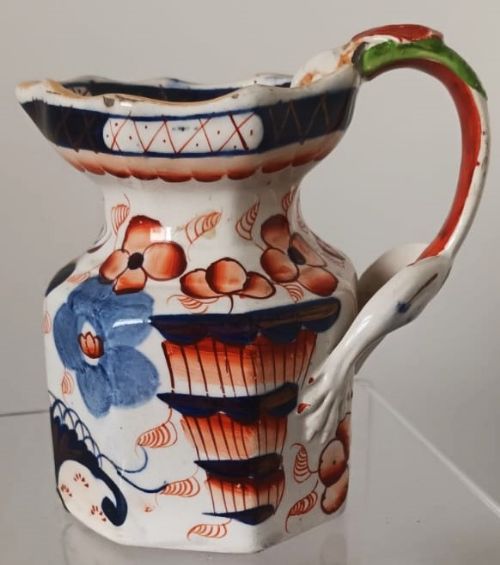
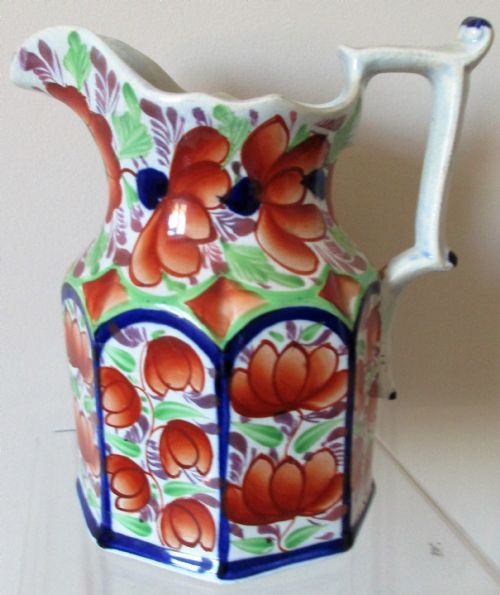
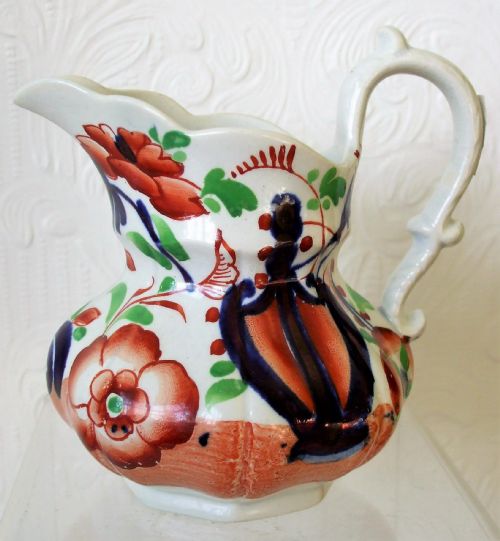
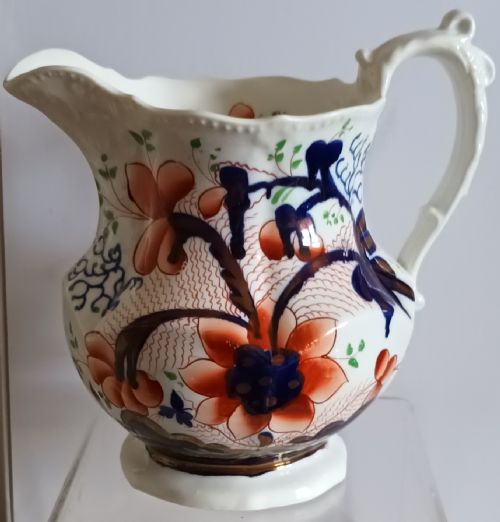
Regional British wares sit alongside Chinese export porcelain, offering buyers a choice between vibrant Gaudy Welsh patterns, copper lustre, and delicate floral enamels.
Materials and technique
Potters shaped these milk jugs from porcelain, earthenware, and ceramic bodies, utilising techniques such as casting, moulding, and turning on a potter's wheel. Handles were frequently applied by hand, visible in clip handles and sparrowbeak formations.
Decoration relied on hand painted enamel colours, sometimes enhanced with gold leaf, gilding, or copper lustre glazes. Firing took place in kilns, fixing the polychrome pigments and metallic sheens directly onto the ceramic surface.
A tiny bird-like beak pours the cream, proving that eighteenth-century potters enjoyed a sense of humour with their breakfastware.
Judging execution
The fineness of the painting dictates much of the character, separating standard pottery production from meticulous porcelain artistry. Precision in brushwork, particularly on floral panels, birds, insects, and armorial crests, defines the upper tier of execution.
The handling of gilding and enamel application shows the artisan's skill, where crisp outlines and well-preserved gold leaf elevate the piece. The thinness and translucency of porcelain bodies, such as early Derby or Worcester, also indicate superior manufacture.
Derby Porcelain·Bow porcelain·New Hall·Meissen·H & R Daniel·Royal Worcester·Chamberlain Worcester·John Rose Coalport·Rockingham Porcelain·Herculaneum·Crown Derby·Ridgway
The Hand Painted Milk Jug Glossary
- Sparrowbeak
- A small eighteenth-century cream jug featuring a pinched spout resembling a bird's beak. This specific form is typical of early porcelain manufacture.
- Copper Lustre
- A pottery technique imparting a metallic, coppery sheen to the surface of the jug. It is frequently seen on nineteenth-century Staffordshire wares.
- Gaudy Welsh
- A style of colourful pottery characterised by cobalt blue, copper lustre, and bright enamel accents. It gained popularity during the nineteenth century.
- Armorial
- A ceramic design featuring a family coat of arms or crest. These were often custom-ordered on porcelain during the Georgian period.
- Baluster
- An architectural shape featuring a curved, swelling body tapering toward the top. This profile appears frequently on eighteenth-century milk jugs.
Hand Painted Milk Jug: Frequently Asked Questions
How do I use an antique milk jug?
These historical vessels suit everyday table service for milk or cream just as their makers originally intended. Hand washing preserves the delicate painted enamels and gilding.
Displaying them on open shelving or within cabinets protects the ceramic bodies from accidental chips while highlighting their decorative patterns.
How can I tell eighteenth-century jugs apart?
Eighteenth-century pieces typically display porcelain bodies that show translucency when held to the light. Makers such as Bow and Derby utilised distinct paste compositions and hand-painted polychrome florals.
Form also aids identification, with sparrowbeak profiles and low chelsea ewers pointing directly to this earlier period of production.
What is Gaudy Welsh pottery?
Gaudy Welsh pottery comprises nineteenth-century earthenware featuring saturated enamel palettes. These wares rely heavily on cobalt blue, iron red, and copper lustre.
Pattern names such as Pagoda, Gwent, and Grape identify specific Staffordshire and Welsh border productions from the Victorian era.
Are these jugs made of porcelain or earthenware?
The listings encompass both porcelain and earthenware bodies, depending on the manufacturing origin and date. Porcelain examples often feel lighter and exhibit translucent qualities under strong light.
Earthenware jugs, including Staffordshire copper lustre and Gaudy Welsh items, offer heavier utility pottery with opaque glazed finishes.