




Antique Copper Lustreware
These antique copper lustreware pieces catch the eye with their metallic sheen, offering a touch of nineteenth-century ceramic history for your home.
Antique Copper Lustreware
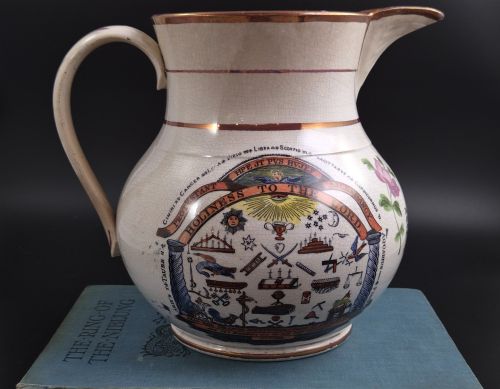
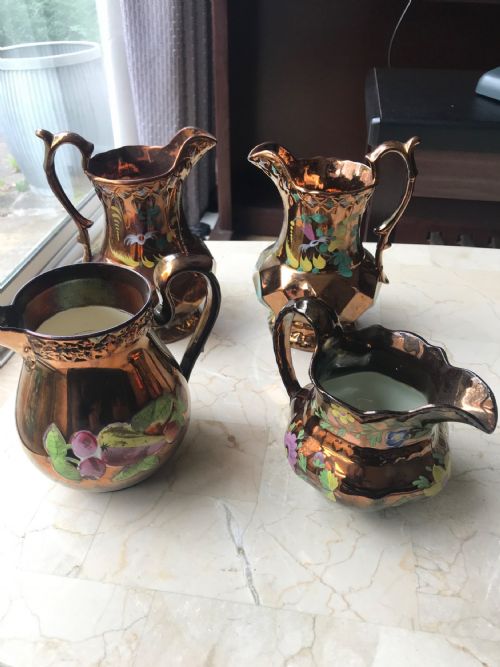
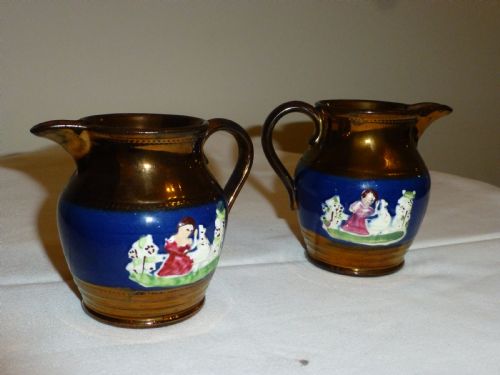
When you search for antique copper lustreware, you are looking at earthenware ceramic items coated in a distinctive metallic glaze that creates a warm, reflective finish. These pieces span the Georgian and Victorian eras, bringing domestic utility and decorative charm from the nineteenth century into modern interiors.
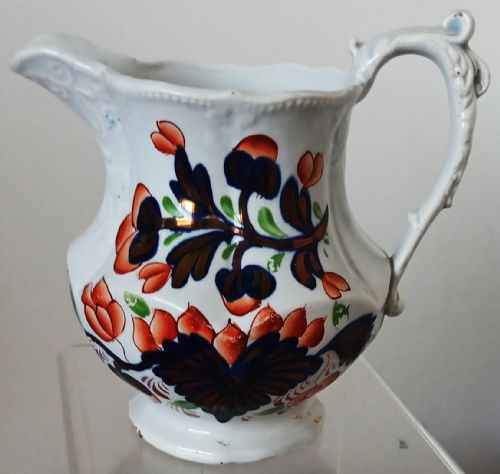
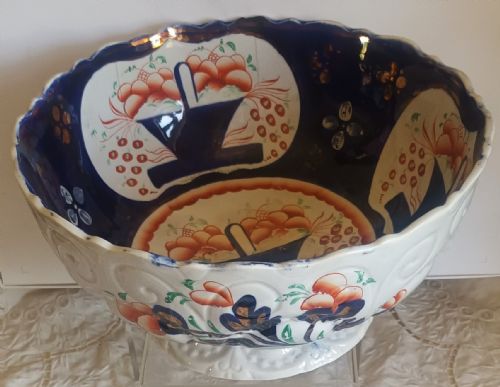
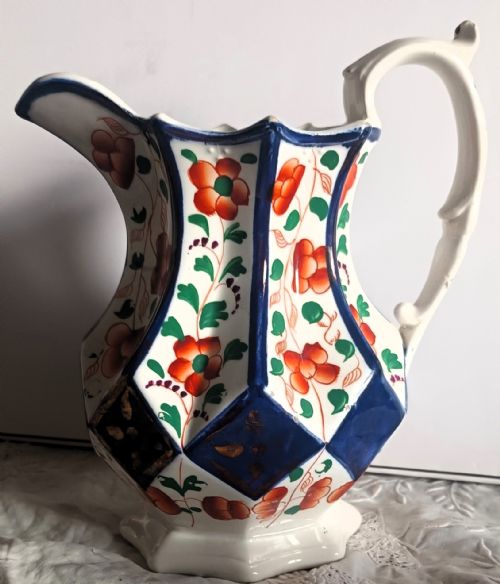
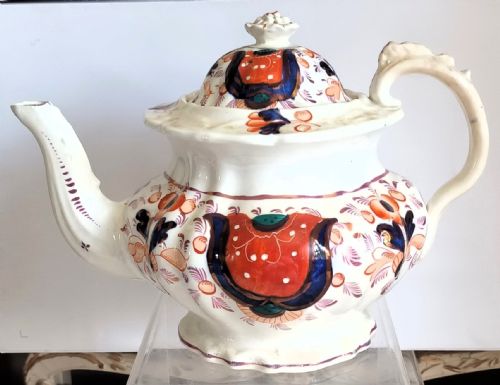
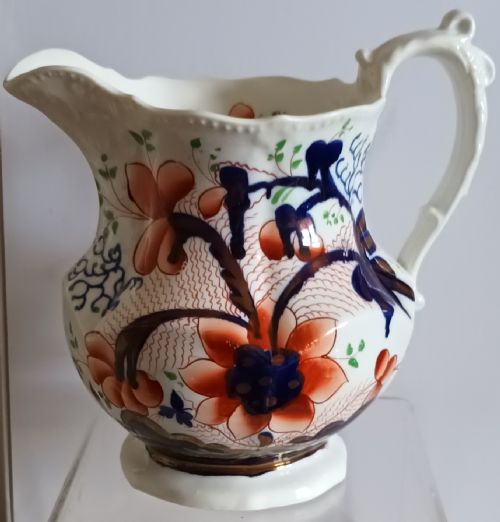
You are most likely to meet jugs and pitchers on this page, as pouring vessels form the core of the listed objects. Alongside these jugs, you will encounter teapots, decorative bowls, and tea cups spanning periods from the 1830s through to the end of the nineteenth century.
The origins of these items trace back to Staffordshire potteries and related British factories, capturing the prevalent styles of Early Victorian, Victorian, and Georgian manufacturing. Makers such as Livesley Powell and Co contributed to this rich tradition of lustre-glazed ceramics.
What varies in quality
The refinement of the metallic glaze sets pieces apart, with smoother, more even copper coverage indicating superior ceramic work. Differences in application lead to varying depths of reflection across the surface of each jug or bowl.
The intricacy of the hand decoration also distinguishes the range, as finely executed polychrome enamel patterns and detailed fruit motifs require greater skill than plain glazed versions. Additionally, the crispness of moulded details on Staffordshire figures and pitchers reflects the quality of the original production.
Materials recorded across the available pieces include earthenware, ceramic, ironstone, and metallic lustre glaze.
Livesley Powell and Co·Staffordshire
The Antique Copper Lustreware Glossary
- Copper Lustre
- A metallic glaze containing copper that imparts a reflective, coppery sheen to pottery surfaces. This finish defines the primary visual characteristic of these nineteenth-century ceramics.
- Earthenware
- A porous type of pottery fired at relatively low temperatures, commonly used as the base body for nineteenth-century lustreware. It requires a glaze to become impermeable to liquids.
- Polychrome
- Decoration employing several colours painted onto the ceramic body or glaze. This technique frequently appears in floral and fruit patterns on Staffordshire jugs.
- Ironstone China
- A durable type of British pottery patented in the nineteenth century, known for its hardness and strength. It served as a robust body for botanical jugs and tableware.
- Staffordshire
- A geographic area in England famous for its extensive pottery industry during the Georgian and Victorian periods. Local works produced the majority of jugs and decorative sculptures found in this category.
Antique Copper Lustreware: Frequently Asked Questions
What is copper lustreware?
Copper lustreware refers to ceramic and earthenware items coated with a metallic glaze that produces a reflective, coppery finish. These objects date primarily from the nineteenth century and include jugs, teapots, and decorative bowls.
Potters created the metallic effect by applying a thin layer of metal compounds to the fired clay before a secondary firing. This resulted in the distinctive shiny surface valued by collectors today.
How do I date an antique jug?
Dating an antique jug involves examining the ceramic body, the style of the handle, and the characteristics of the glaze. Georgian and Victorian pieces often exhibit specific manufacturing traits and moulding styles typical of their decade.
Makers' marks, where present, help pinpoint the exact pottery and production era. Comparing the decorative patterns, such as botanical hand-painted motifs, further aids in placing the piece within the nineteenth century.
Can I use these jugs for serving?
While these nineteenth-century vessels were originally made for domestic utility like holding milk, water, or tea, their age requires careful handling. Many collectors prefer to display them rather than subject them to modern daily use.
Hand-washing gently is essential if you choose to display liquids in them, as harsh detergents can affect the historic glaze. Old earthenware can also be porous or fragile after generations of existence.
How should I clean my lustreware?
Cleaning antique lustreware requires only warm water and a soft cloth to remove dust without harming the delicate metallic surface. Avoid abrasive scourers, harsh chemicals, and dishwashers entirely.
Patting the piece dry immediately after washing prevents moisture from lingering on vulnerable areas of the earthenware body. Gentle maintenance preserves the reflective copper sheen for the future.