



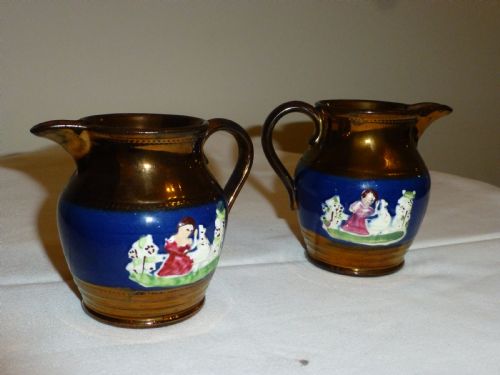

Victorian Lustreware Jug
These Victorian lustreware jugs catch the light with metallic glazes and transfer prints that bring nineteenth-century parlours straight into the present room.
Victorian Lustreware Jug
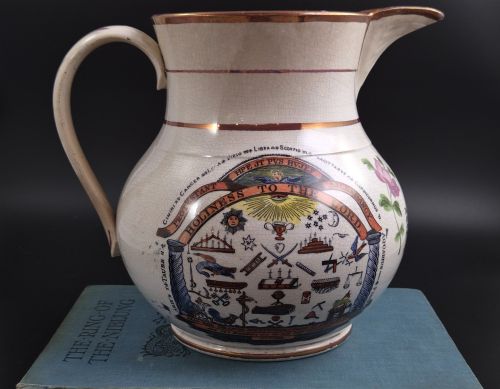
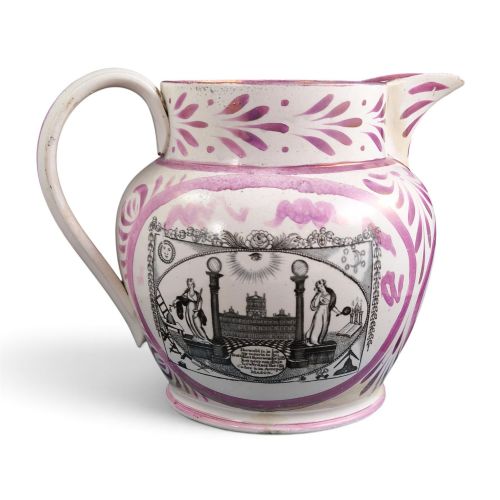
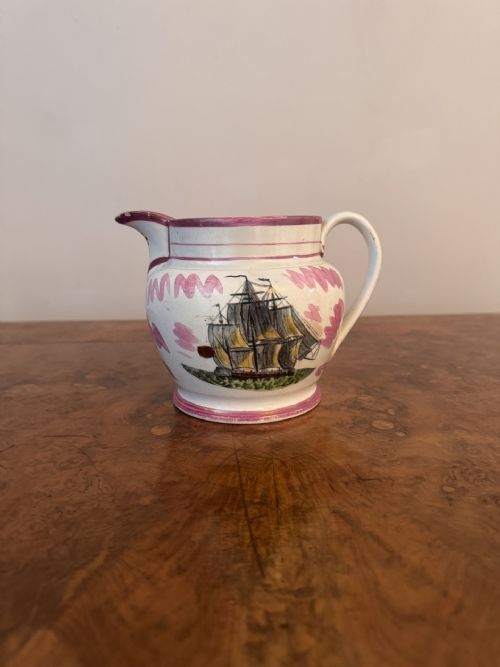
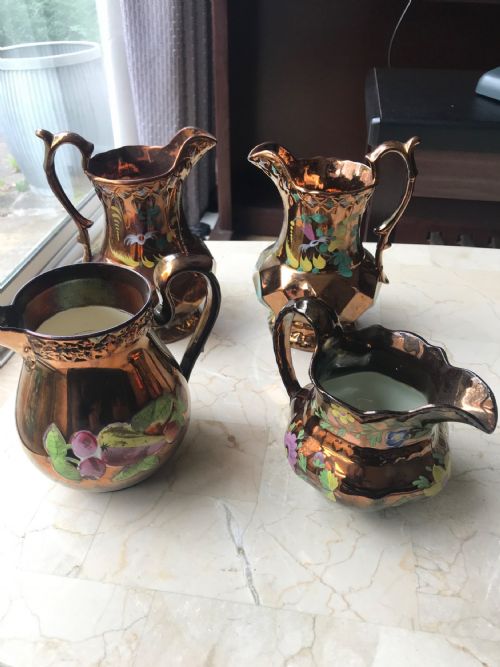
A victorian lustreware jug combines domestic earthenware with metallic glazes and transfer-printed scenes to create vessels that served milk, water, and cream. These pieces range from small cream jugs to large commemorative pitchers decorated with maritime subjects, local bridges, and Masonic emblems.
The selections on this page centre on nineteenth-century examples, spanning early Victorian items through to pieces dated around eighteen sixty. Makers from Staffordshire and Sunderland produced these jugs with rich pink splash effects, copper finishes, and polychrome details.
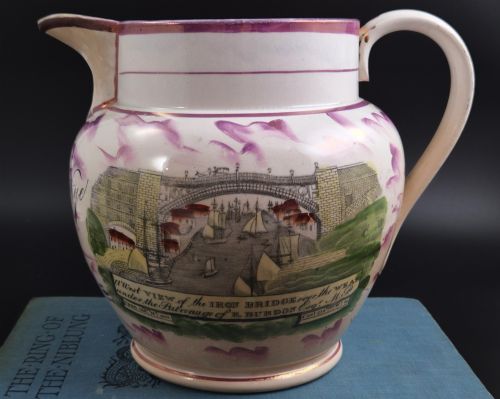
Buyers encounter earthenware and ironstone bodies decorated by hand alongside printed motifs like the Iron Bridge over the Wear or boxing matches. The forms vary from modest milk vessels to substantial pitchers designed for display on dresser shelves.
How they were made
Potters shaped these vessels from earthenware and ironstone bodies, applying liquid clay to form durable jugs before initial kiln firing. Artisans then added metallic glazes containing copper or pink lustre mixtures to achieve the characteristic shimmering surface.
Decoration relied heavily on transfer printing for intricate maritime scenes, Masonic symbols, and architectural landmarks like the Iron Bridge over the Wear. Workers often completed these designs with hand-painted enamel highlights in colours such as purple and orange.
Victorian potters captured everything from local iron bridges to bare-knuckle boxing matches on the sides of milk jugs.
What varies in quality
The richness and stability of the metallic glaze distinguish finer examples, where the copper or pink finish retains a deep, even sheen across the body. Lesser pieces show uneven pooling or dull patches in the reflective surface where the chemical reduction failed during firing.
Clarity and complexity in the transfer-printed subjects separate standard production from superior output, particularly on large Sunderland pieces bearing detailed maritime or Masonic imagery. Hand-painted enamel additions that remain crisp and well-aligned with the underlying print elevate the visual weight of the jug.
Livesley Powell & Co
The Victorian Lustreware Jug Glossary
- Lustre Glaze
- A metallic coating applied to ceramics that produces an iridescent, reflective surface upon firing. This finish mimics precious metals using thin layers of copper, silver, or gold compounds.
- Pink Splash
- A mottled pink or purple lustre effect created by flicking metallic solution onto the white ceramic ground. Sunderland potteries utilised this technique extensively for maritime and commemorative wares.
- Transfer Print
- A method of applying pre-printed designs from an engraved copper plate onto pottery using tissue paper. This allowed intricate scenes and texts to be reproduced consistently across multiple vessels.
- Ironstone
- A dense, durable type of ceramic developed in the nineteenth century as a robust alternative to porcelain. It provided a strong white body well-suited for heavy domestic service and bright lustre glazes.
- Gaudy Welsh
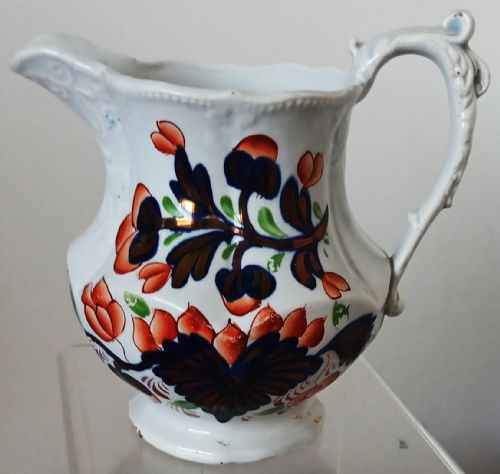
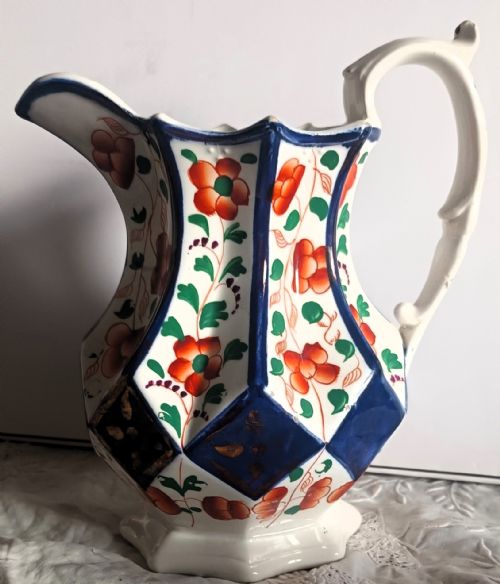
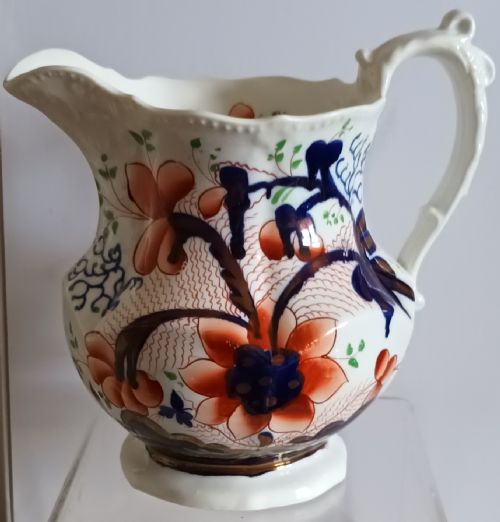
- A distinctive style of nineteenth-century pottery decorated with vibrant cobalt blue, copper lustre, and iron-red enamel patterns. These wares often feature floral motifs like the grape or named regional patterns.
Victorian Lustreware Jug: Frequently Asked Questions
What were these jugs used for?
These vessels served everyday domestic purposes such as pouring milk, cream, and water at the table. Larger examples functioned as presentation pieces, commemorating local landmarks, fraternal orders, and notable events.
Many larger pieces remained on display in parlours rather than seeing active service, acting as decorative statements of local pride or personal association.
How do I tell Sunderland lustre from other types?
Sunderland pieces frequently display the characteristic pink splash glaze combined with transfer-printed maritime scenes, verse, or local structures like the Iron Bridge. They often incorporate multiple print applications alongside hand-coloured enamel details.
Other regional potteries, such as those in Staffordshire, tended to focus on solid copper lustre finishes or figural subjects rather than the mottled pink background typical of northern works.
How should I display a lustre jug?
Position these jugs where ambient light can catch the metallic glaze, bringing out the reflective copper and pink tones. Placing them on open shelving or dressers allows the transfer-printed scenes to remain visible from across the room.
Keep them away from direct, harsh sunlight to protect any delicate hand-painted enamel highlights from fading over extended periods.
How do I care for antique earthenware?
Clean these vessels gently using warm water and mild soap, avoiding harsh scrubbing or abrasive sponges that could scratch the metallic glaze. Hand washing is essential, as dishwasher heat and detergents will damage the historic surface.
Dry them immediately with a soft cloth to prevent water spots from forming on the sensitive lustre finish.