



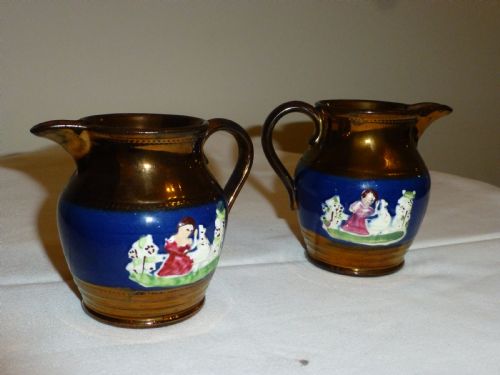
Hand Painted Lustreware
Hand painted lustreware pieces bring an unmistakable metallic sheen and vibrant colour to a room, catching the light with iridescent pinks, coppers and enamels.
Hand Painted Lustreware
When you search for hand painted lustreware, you encounter ceramics finished with metallic glazes that catch the light in distinct ways. The listings here span the nineteenth century up to nineteen thirty, taking in Georgian tea wares, Victorian jugs and Art Deco bowls.
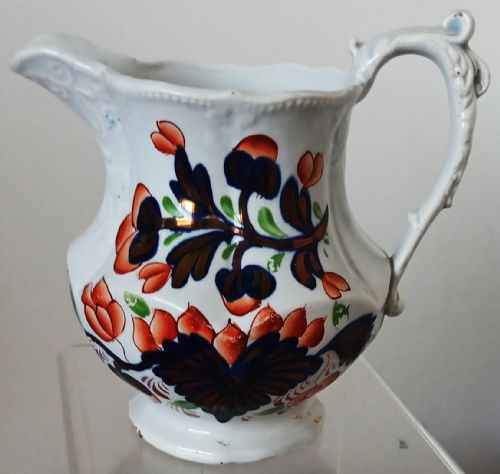
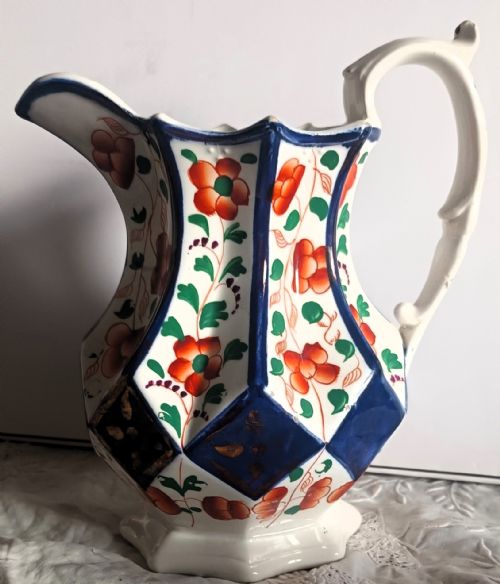
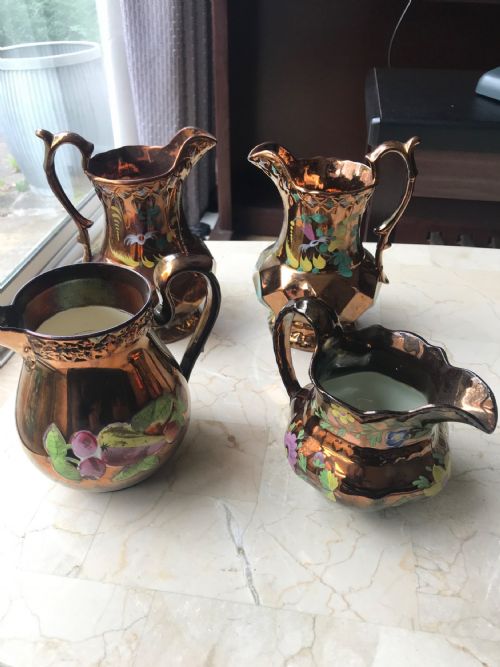
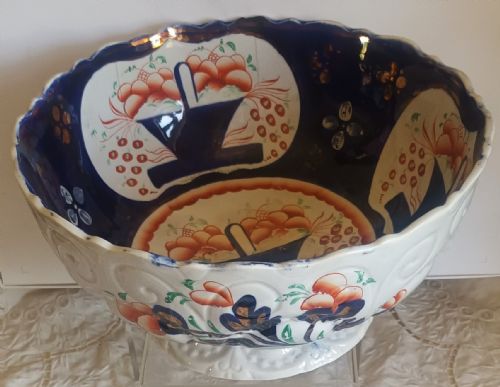
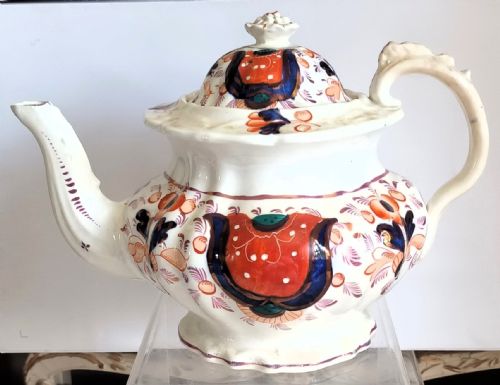
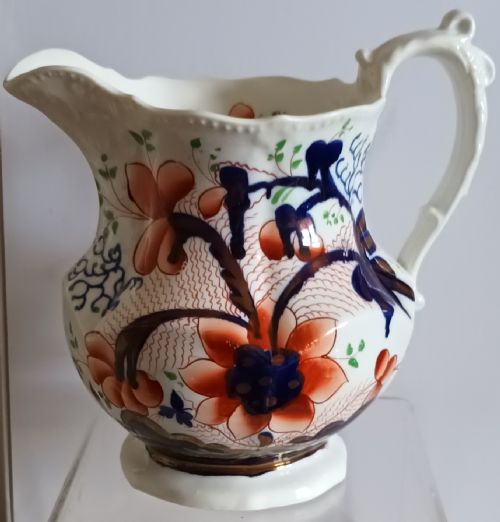
You are most likely to meet nineteenth century Staffordshire copper lustre jugs decorated with fruit, alongside Gaudy Welsh pottery featuring patterns like Grape and Basket of Flowers. English pieces from later decades, including Shelley and Maling, also appear in the selection.
How they were made
Potters applied metallic glazes to earthenware and ceramic bodies before firing, creating the characteristic iridescent surfaces seen on copper lustre jugs and vases. Enamel colours were often hand painted over the glaze to build up floral motifs and geometric designs.
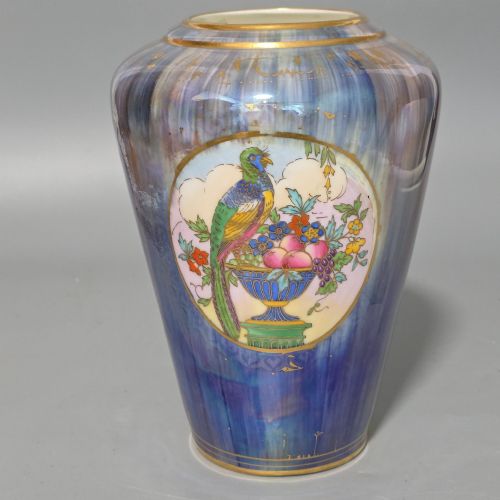
Specialised firing techniques allowed metallic salts to reduce on the ceramic surface, yielding the deep metallic sheen that defines lustreware. Artisans combined these lustres with hand enamelling, particularly on twentieth century pieces from makers like Minton and Shelley.
The listings here include nineteenth century earthenware, twentieth century Art Deco ceramics, and Georgian tea wares decorated with copper lustre glazes and hand painted enamels.
What varies in quality
The crispness of the hand painted decoration separates the finer examples from simpler production pieces. In early Staffordshire and Gaudy Welsh items, the precision of the brushwork and the richness of the copper glaze determine the visual impact.
On later Art Deco pieces, the depth of the metallic glaze and the complexity of the enamelled design dictate the standard. Superior examples show careful application where the metallic sheen remains even and bright across the entire ceramic form.
Walter Slater·Minton·Maling·Sutherland Ware
The Hand Painted Lustreware Glossary
- Copper Lustre
- A ceramic finish containing metallic elements that produce a warm, reflective brownish-red sheen resembling polished copper. This glaze was widely used on nineteenth century Staffordshire jugs.
- Gaudy Welsh
- A style of colourful pottery made in the nineteenth century featuring vibrant hand painted patterns like Grape and Basket of Flowers, often highlighted with copper lustre.
- Metallic Glaze
- A liquid coating containing metal particles applied to earthenware before firing to create a reflective surface. It gives lustreware its characteristic shine.
- Enamel
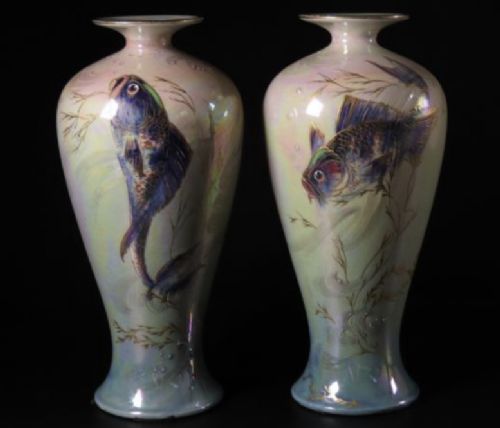
- Opaque glass used as a coloured paint on pottery and fired at a lower temperature to fix the design. It provides the bright hues seen on floral and fish patterns.
- Earthenware
- Porous pottery fired at lower temperatures than stoneware or porcelain, forming the heavy body beneath most nineteenth century lustre jugs and bowls.
Hand Painted Lustreware: Frequently Asked Questions
What is hand painted lustreware?
Hand painted lustreware comprises ceramic pieces finished with metallic glazes and hand applied enamels. The category spans nineteenth century Staffordshire jugs and Gaudy Welsh tea wares alongside twentieth century art pottery.
Potters used metallic solutions to create reflective surfaces that shimmer in the light. These wares range from simple cream jugs to large decorative bowls and vases.
How do I date a lustre jug?
Dating relies on stylistic clues, ceramic bodies and the specific lustre techniques employed. Nineteenth century pieces often show heavier earthenware bodies and traditional Staffordshire or Gaudy Welsh patterns.
Twentieth century examples from makers like Shelley and Maling reflect Art Deco forms and brighter, stylised enamel designs. Comparing the decorative motifs and glaze characteristics helps place a piece within its proper era.
How were these pieces used?
Many lustreware items served practical functions in the home for pouring milk, serving tea or holding water. Jugs, teapots and cream jugs were everyday dining table items during the Georgian and Victorian periods.
Other forms, such as footed bowls and vases, were intended purely for display and interior decoration. Their reflective surfaces added brightness to dimly lit nineteenth century rooms.
How do I care for lustreware?
Lustreware requires gentle handling due to the delicate metallic glazes and overglaze enamels applied to the ceramic surface. Hand washing with mild soap preserves the finish, as abrasive cleaners can dull the metallic sheen.
Displaying pieces away from direct sunlight protects the vibrant enamel colours from fading over time. Careful placement ensures the reflective glazes continue to catch the light safely.