



Staffordshire Milk Jug
These staffordshire milk jug pieces are small ceramic pitchers that bring tactile country house charm and practical utility to the table.
Staffordshire Milk Jug
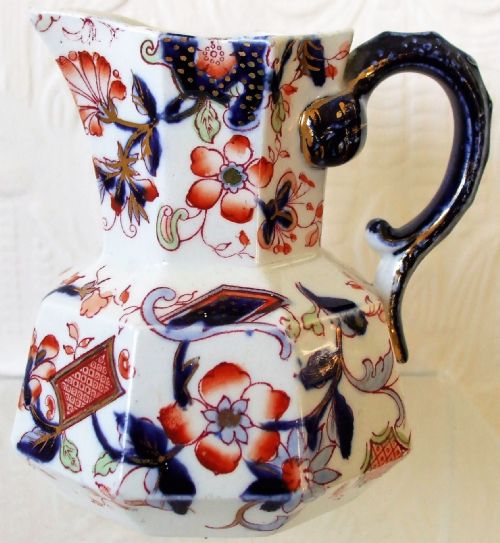
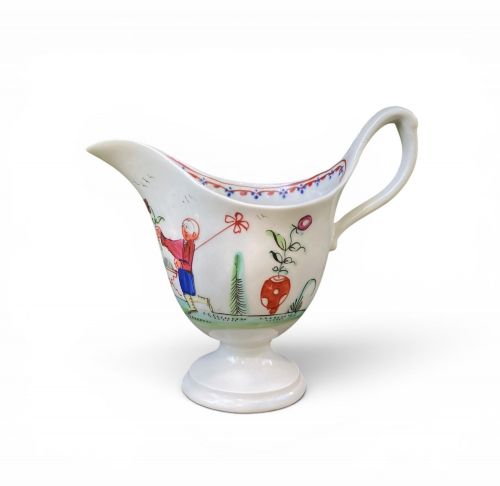
When you search for staffordshire milk jug, you encounter an assortment of small ceramic pitchers spanning the Georgian, Regency, and Victorian periods. The selection encompasses plain creamers alongside figurative cow creamers complete with milkmaid figures.
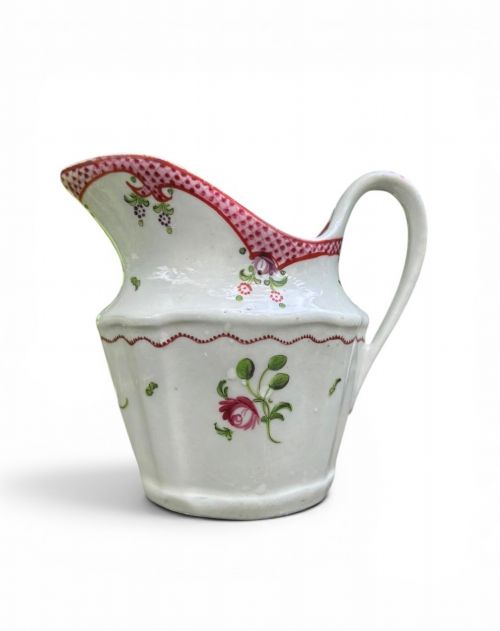
The objects take various shapes, from faceted bodies with oriental scenes to graduated sets and classic earthenware vessels. Many pieces originate from regional potteries across England and Wales, dating from the late eighteenth century into the early twentieth century.
Materials and production methods
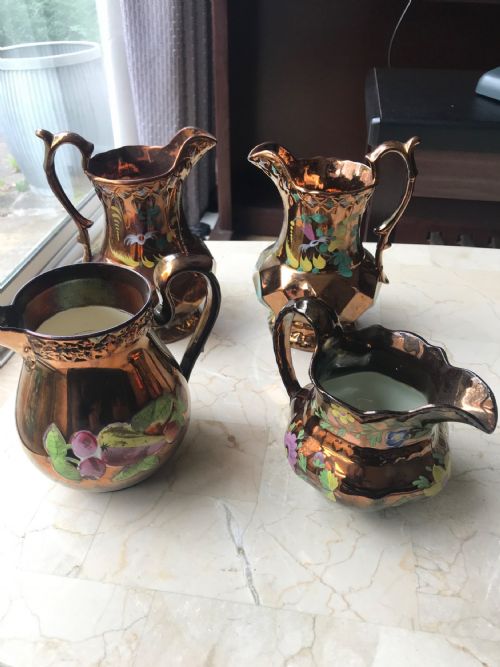
Potters shaped these vessels using earthenware, pearlware, and porcelain, often finishing them with a protective glaze. Decoration relied on enamel hand-painting, copper lustre glaze, and purple transfer printing to apply colour and pattern.
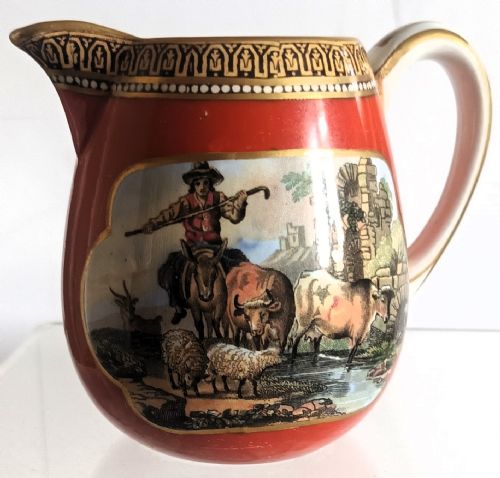
Specialised techniques produced specific effects, such as the dark metallic sheen of Jackfield pottery or the moulded details found on Pratt-ware and copper lustre jugs.
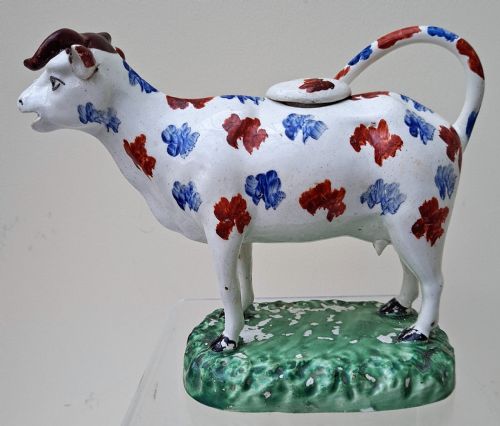
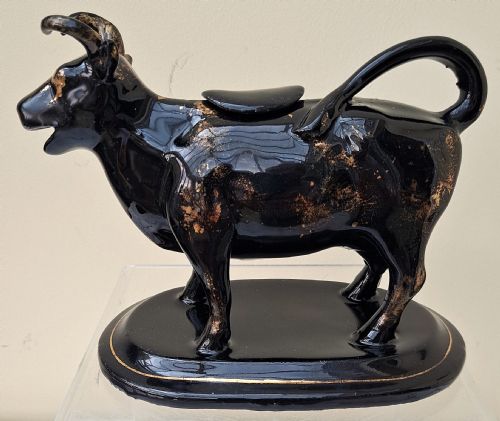
Several cows wear cheerful expressions while doubling as functional cream jugs.
Factors of distinction
The finer examples display crisp moulding on figurative pieces like cow creamers and precise hand-painted or transfer-printed details on the body. Superior glaze application and well-defined facets separate the more ambitious works from standard utility items.
Condition and the preservation of original enamel work or copper lustre finishes also define the standing of individual jugs within their respective periods.
New Hall·H & R Daniel·Keeling & Co.·Copeland Spode
The Staffordshire Milk Jug Glossary
- Pearlware
- A refined earthenware developed in the late eighteenth century featuring a subtle bluish tinge in the glaze pooled in crevices.
- Copper lustre
- A metallic glaze technique producing a reflective, coppery sheen across the surface of the ceramic vessel.
- Pratt-ware
- An early type of earthenware characterised by underglaze colour decoration in muted shades like blue, ochre, and brown.
- Cow creamer
- A hollow figurative vessel shaped like a cow, designed to hold cream or milk poured through an opening on the back.
- Jackfield
- A glossy black-glazed earthenware originating from Shropshire and popular during the nineteenth century.
Staffordshire Milk Jug: Frequently Asked Questions
How are cow creamers used?
These figurative jugs hold milk or cream for the tea table, dispensed through an opening on the cow's back while the tail forms the handle.
Historically, they sat on domestic tables as both functional tableware and playful conversation pieces.
What is copper lustre?
Copper lustre is a decorative metallic glaze applied to earthenware to give the surface a reflective, copper-coloured sheen.
Potters often combined this technique with hand-painted floral motifs or bands of colour.
How do I date a jug?
Dating relies on identifying the ceramic body, such as early pearlware versus later Victorian earthenware, alongside stylistic markers of the period.
Specific glaze types and decorative techniques like transfer printing also help narrow down the decade of manufacture.
Are these jugs waterproof?
Most of these ceramic and porcelain pieces remain fully functional and watertight for everyday use on the table.
However, older earthenware with delicate enamel decoration benefits from gentle hand washing rather than immersion in modern dishwashers.