




Victorian Copper Lustre Pitcher
These Victorian copper lustre pitcher pieces bring rich metallic warmth to any room, offering the distinct charm of nineteenth-century earthenware.
Victorian Copper Lustre Pitcher
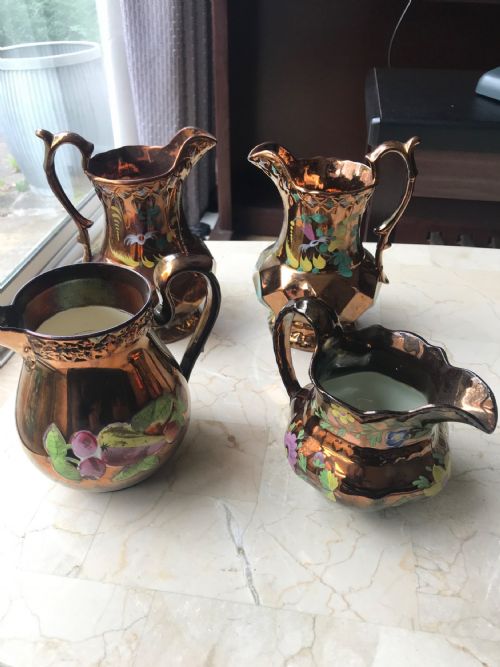
When you search for a victorian copper lustre pitcher, you are looking at nineteenth-century earthenware and ironstone vessels produced in Staffordshire and associated potteries. These jugs and pitchers served practical dairy and table functions in households, evolving from modest utility items into decorative ceramic pieces.
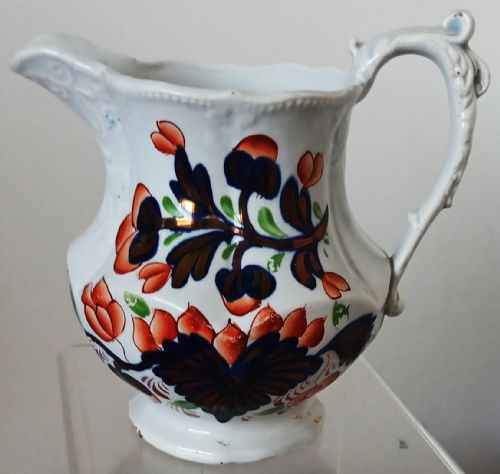
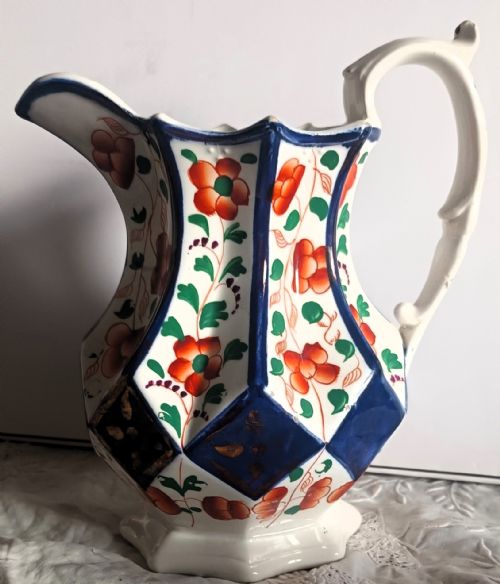
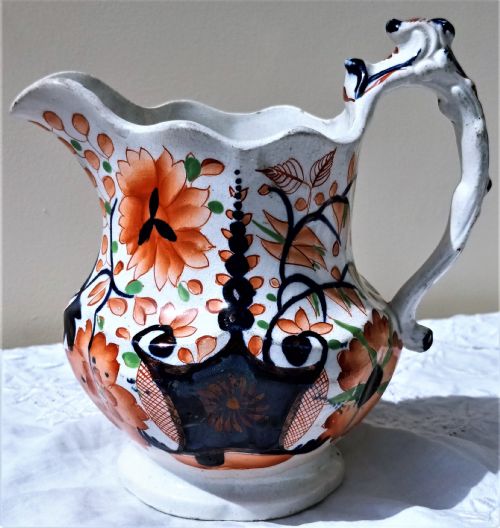
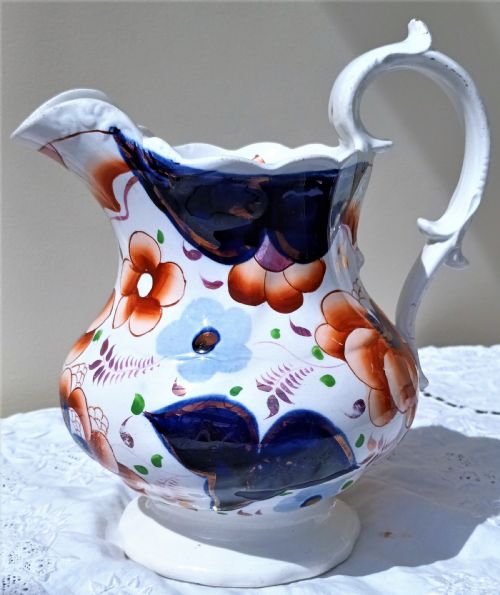
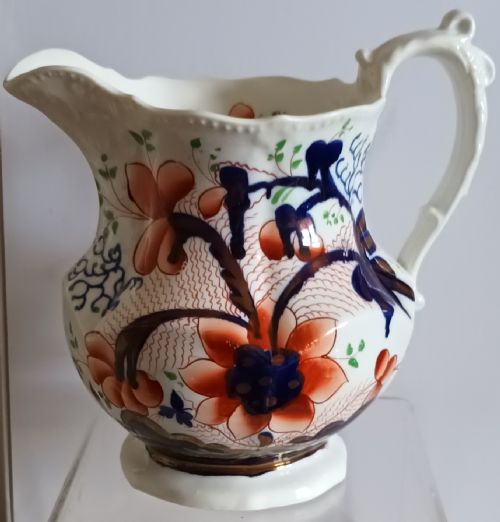
The versions most commonly met on this page belong to the Victorian period, spanning standard milk and water jugs alongside smaller cream jugs. Many examples feature hand-decorated motifs or traditional regional patterns such as Gaudy Welsh designs.
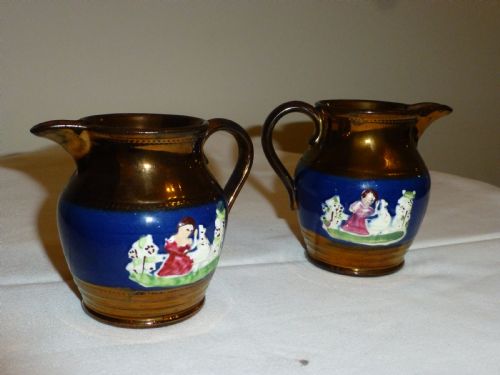
The forms range from large milk jugs to pairs of early cream jugs, reflecting the diverse domestic output of the era. Makers such as Livesley Powell and Co contributed to this tradition, producing botanical ironstone china alongside standard earthenware bodies.
How They Were Made
These items were shaped from ceramic bodies including earthenware and ironstone ceramic, then finished with a copper lustre glaze. Potters applied metallic solutions to the fired clay before a secondary firing created the characteristic reflective sheen.
Decoration often involved hand-painted details over the glaze, incorporating botanical or fruit motifs alongside traditional coloured patterns. Enamel highlights were frequently added to specific areas of the design to provide contrast against the metallic lustre surface.
Some nineteenth-century makers decorated their milk jugs with painted fruit so vibrant it managed to outshine the kitchen butter.
What Varies in Quality
Quality in a victorian copper lustre pitcher is determined by the evenness of the metallic glaze and the crispness of any hand-decorated elements. Superior examples display a rich, deep copper sheen without excessive dullness or patchy application across the earthenware body.
The clarity of hand-painted fruit or botanical motifs and the precision of patterned borders distinguish finer pieces from standard utilitarian ware. Well-balanced proportions and well-preserved enamel details further elevate the visual appeal of an individual jug.
Livesley Powell and Co
The Victorian Copper Lustre Pitcher Glossary
- Copper Lustre
- A metallic glaze technique involving copper compounds applied to ceramics to produce a reflective, bronze-like surface finish. This finish was widely utilised across nineteenth-century Staffordshire potteries.
- Ironstone Ceramic
- A durable type of heavy earthenware patented in the nineteenth century, designed to resist chipping and cracking. It provided a stable white body suitable for printed and painted decoration.
- Gaudy Welsh
- A distinctive style of nineteenth-century pottery featuring bright cobalt blue, copper lustre, and iron-red enamel motifs. It was produced largely for the Welsh market and domestic households.
- Earthenware
- Porous pottery fired at lower temperatures than porcelain, requiring a glaze to achieve impermeability. Most nineteenth-century kitchen and table vessels utilised this accessible ceramic body.
Victorian Copper Lustre Pitcher: Frequently Asked Questions
What is a Victorian copper lustre pitcher?
These items are nineteenth-century ceramic jugs coated with a metallic copper glaze, produced primarily in Staffordshire potteries during the Victorian era.
They encompass a range of sizes from small cream jugs to large milk jugs, often featuring hand-painted botanical or fruit decoration.
How were these pitchers used originally?
Households utilised these vessels for serving milk, cream, and water at the dining table during the nineteenth century.
Over time, many of these earthenware pieces transitioned from daily utility items to decorative mantel and display objects.
How do you style them in a home?
These pitchers integrate well into traditional kitchen displays, open shelving, or dining room dressers alongside other nineteenth-century ceramics.
Their reflective metallic surfaces catch natural light effectively, making them strong focal points when grouped together by form or period.
How can you tell the periods apart?
Differentiating periods relies on examining the ceramic body, glaze characteristics, and decorative patterns recorded in nineteenth-century production.
Earlier Staffordshire pieces often display distinctive hand-decoration and heavier earthenware bodies compared to later Victorian output.