

Victorian Earthenware Pitcher
A victorian earthenware pitcher brings weight and narrative to a table, combining utilitarian form with expressive nineteenth-century surface decoration.
Victorian Earthenware Pitcher
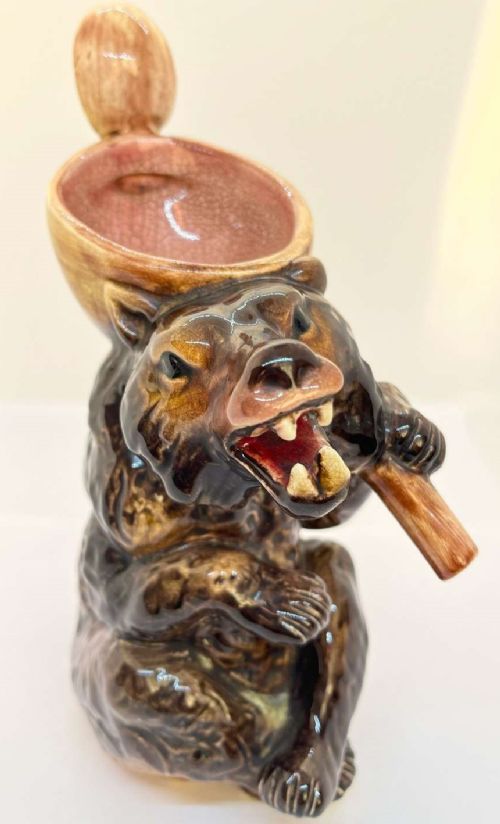
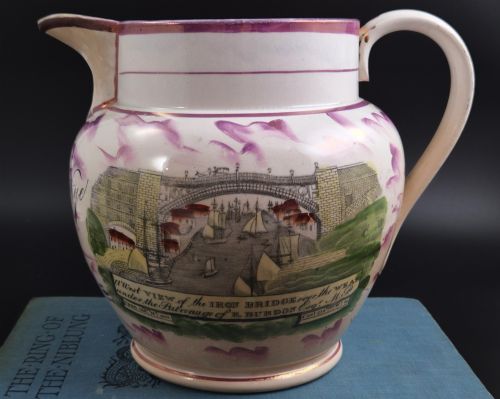
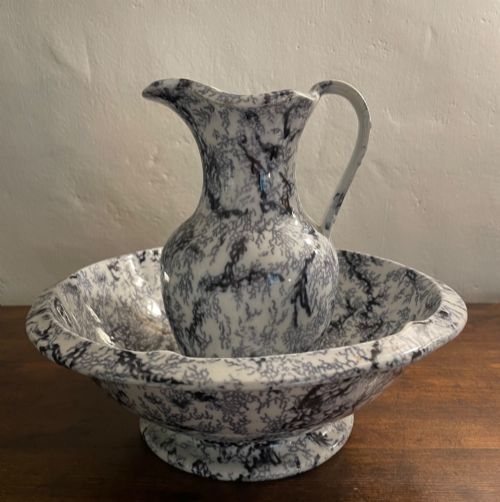
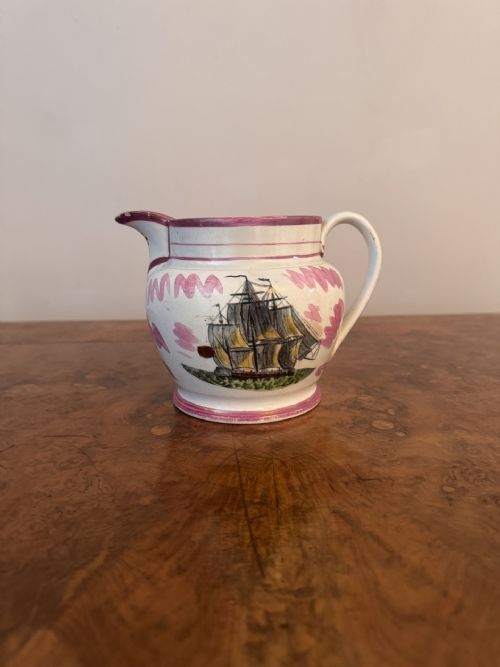
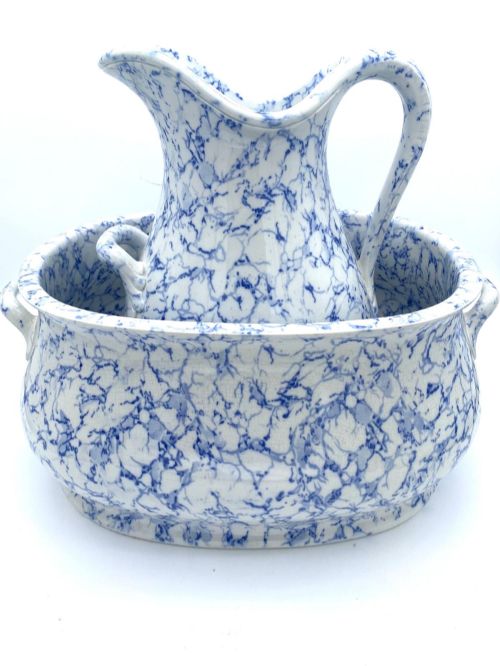
When you search for a victorian earthenware pitcher, you encounter diverse functional vessels ranging from robust majolica bear jugs and toby jugs to commemorative Sunderland lustre pieces. These items span the nineteenth century, including examples from the 1840s, 1850s, 1860s, 1870s, and 1880s, alongside Edwardian wash sets.
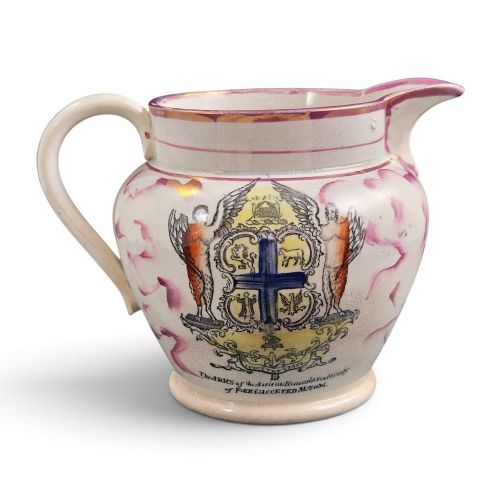
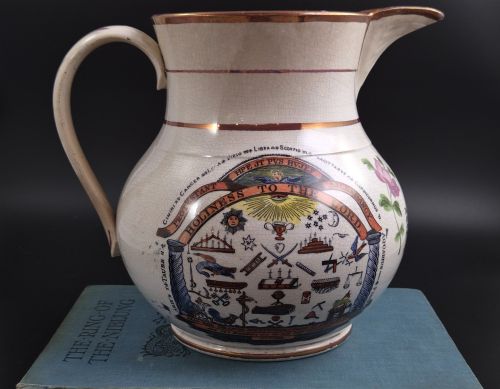
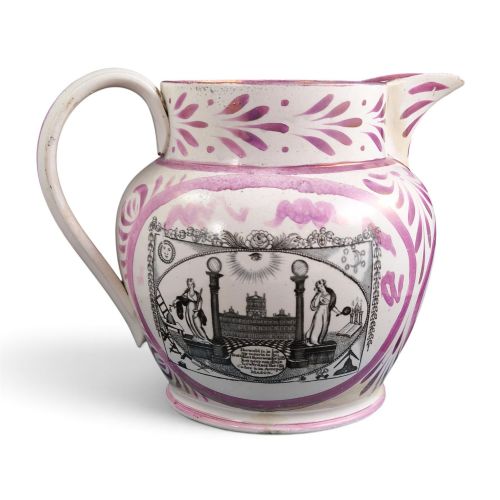
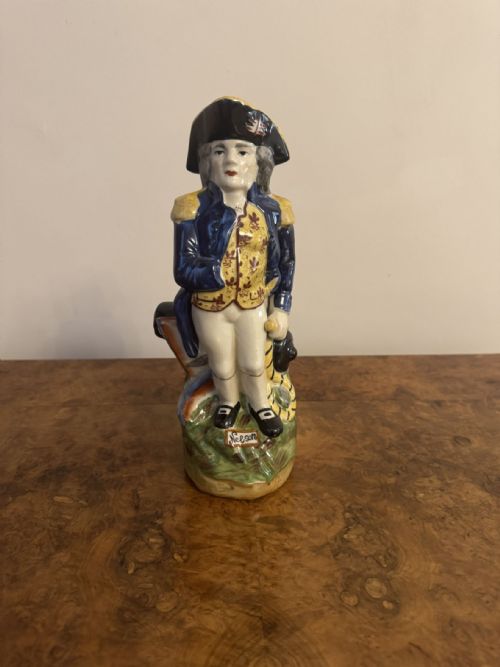
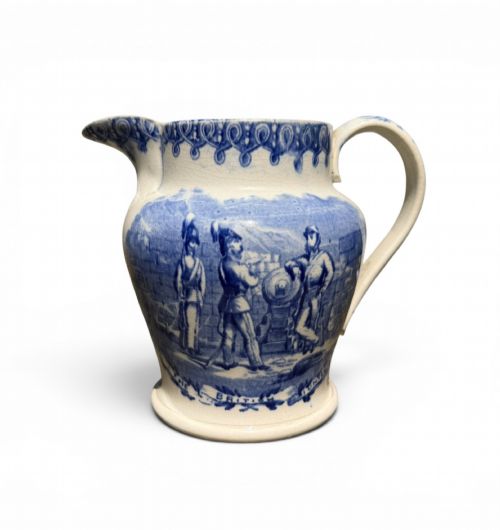
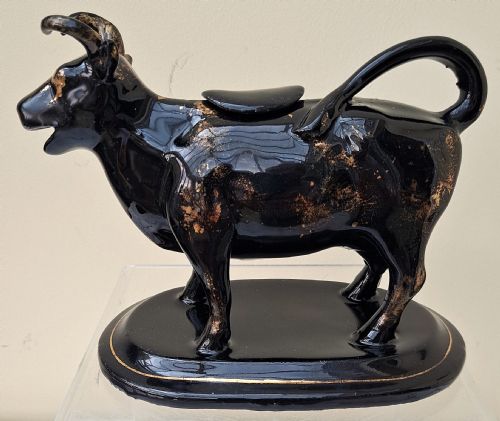
The domestic forms recorded on this page include water jugs, footbath sets, cow creamers, and tavern jugs produced by Staffordshire potteries and regional workshops. You also find specialised commemoratives carrying transfer prints of Masonic symbols, clipper ships, or portraits of Lord Nelson.
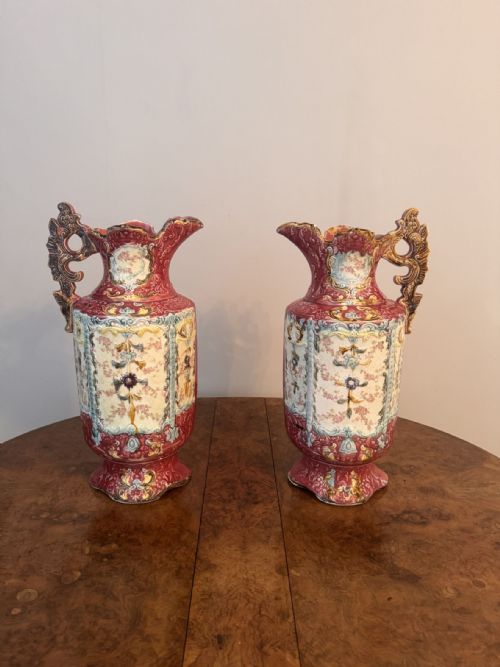
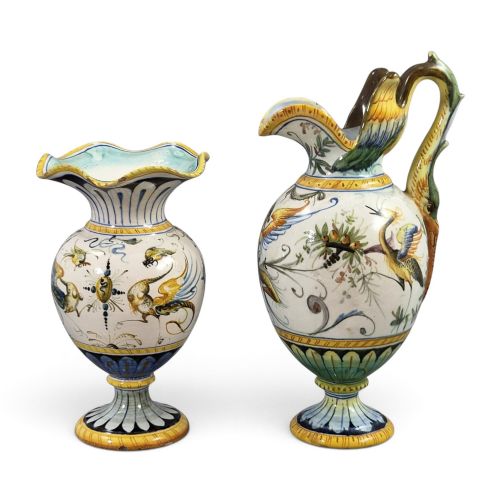
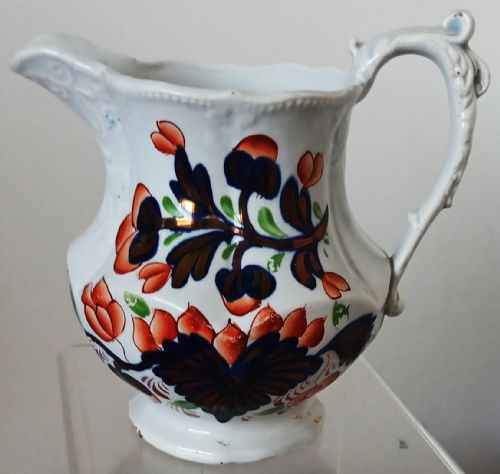
Makers and regional styles represented across the inventory include Masons, Doulton Lambeth, Minton, Cantagalli Florence, and the varied patterned wares known as Gaudy Welsh. These pieces reflect both vernacular English traditions and continental Renaissance Revival aesthetics.
Materials and Techniques
Potters shaped these vessels from local and refined earthenware bodies, applying glazes, enamel colours, and sometimes copper lustre or pink splash effects to the porous clay. Many examples utilise transfer printing in flow blue or magenta to transfer detailed pictorial narratives onto the ceramic surface.
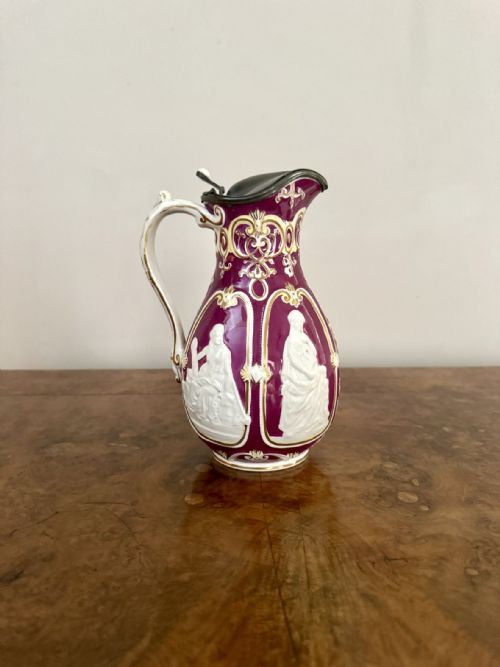
Decoration often extends to polychrome hand-painting, gilt highlights, and relief moulding as seen in harvest jugs and majolica pieces. Certain vessels incorporate functional pewter lids or metal mounts attached to the ceramic handle and rim.
Victorian Earthenware Pitcher Retail Price Guide 2026
Typical asking prices for victorian earthenware pitcher among the pieces listed under this phrase on Sellingantiques today, from the lower quarter to the upper quarter. They describe what is for sale here now, not the wider market.
Several cows double as cream jugs.
Assessing the Pieces
The standard of a victorian earthenware pitcher rests upon the crispness of the moulded relief and the depth of the glaze, whether in copper lustre, flow blue, or polychrome enamel. Superior examples retain clear transfer printing details and vibrant hand-applied pigments without muddy overlapping.
Artistic execution distinguishes utilitarian wares from exhibition pieces, particularly in figural toby jugs and majolica ewers where facial modelling and surface texture require skilled hand-tooling. The integration of maker marks and specific historical inscriptions also elevates the interest of a vessel.
Holdcroft·Sunderland Garrison Pottery·Minton·Cantagalli Florence·Keeling And Co·Masons·Gien Faience·Doulton Lambeth·Ridgway And Sons·Sir Edmund Elton
The Victorian Earthenware Pitcher Glossary
- Earthenware
- A porous pottery body fired at lower temperatures than stoneware or porcelain, requiring an impermeable glaze to hold liquids.
- Majolica
- A colourful, lead-glazed earthenware popular during the Victorian period, known for vibrant hues and naturalistic relief ornamentation.
- Lustre Glaze
- A metallic film applied to pottery to create an iridescent, reflective surface sheen, prominently featured in pink and copper tones.
- Flow Blue
- A transfer printing technique where cobalt blue ink deliberately blurs into the surrounding white glaze during firing.
- Toby Jug
- A pottery jug modelled as a seated, heavy-set eighteenth or nineteenth-century figure holding a mug and jug of beer.
Victorian Earthenware Pitcher: Frequently Asked Questions
How were these pitchers used?
Victorian households utilised these pitchers for serving water, milk, or beer at the table, as well as components of larger wash sets for bedroom hygiene.
Many examples also served as commemorative items displayed on mantelpieces to mark political events, Masonic memberships, or naval heroes.
Can I use these jugs daily?
While these earthenware pitchers remain structurally robust, their historic glazes and porous bodies make them better suited for gentle display or holding dried flowers rather than heavy daily use.
Hand washing in lukewarm water preserves the delicate enamel and lustre surfaces against modern detergents.
How do I identify a Toby jug?
A Toby jug depicts a cheerful, rotund historic character, often wearing a tricorn hat and holding a mug of ale, modelled in high relief earthenware.
Nineteenth-century versions frequently feature bright polychrome glazes and specific regional facial characteristics that distinguish them from standard pouring vessels.
What is Sunderland lustre?
Sunderland lustre refers to nineteenth-century earthenware featuring a distinctive pink or purple metallic sheen, often combined with marbled splash effects.
Potters in the Sunderland region frequently decorated these jugs with transfer prints of local landmarks like the Iron Bridge or Masonic emblems.