
Brown Glazed Earthenware
Brown glazed earthenware brings together domestic pots and heavy dairy vessels coated in rich, dark lead and treacle finishes.
Brown Glazed Earthenware
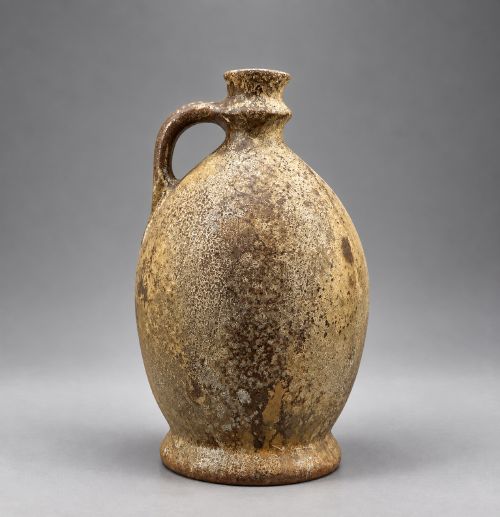
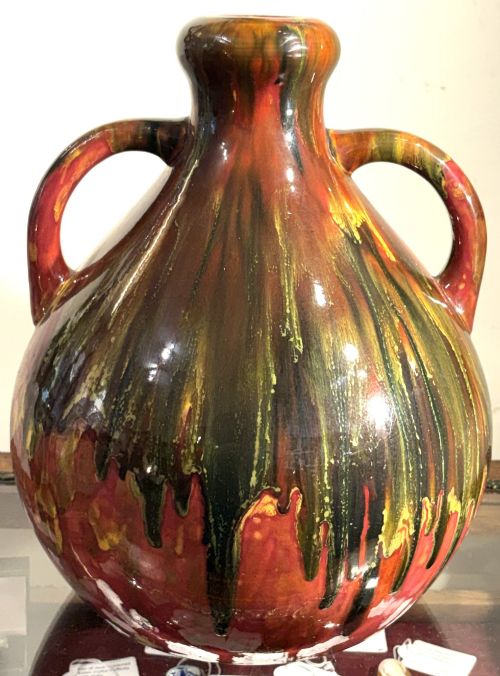
When you search for brown glazed earthenware, you encounter functional kitchenware, dairy crocks, and heavy utilitarian vessels alongside decorative domestic items. The pieces stem primarily from the nineteenth century, with Victorian country and folk art examples appearing frequently alongside salt-glazed items.
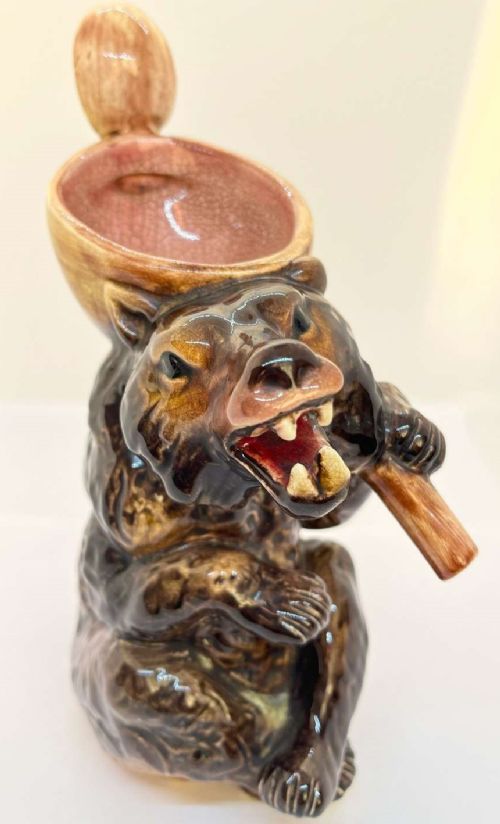
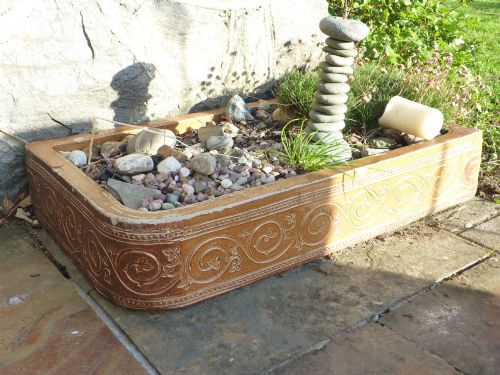
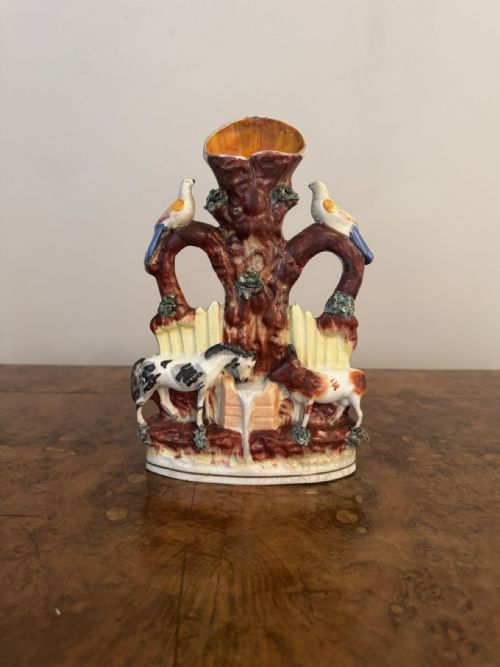
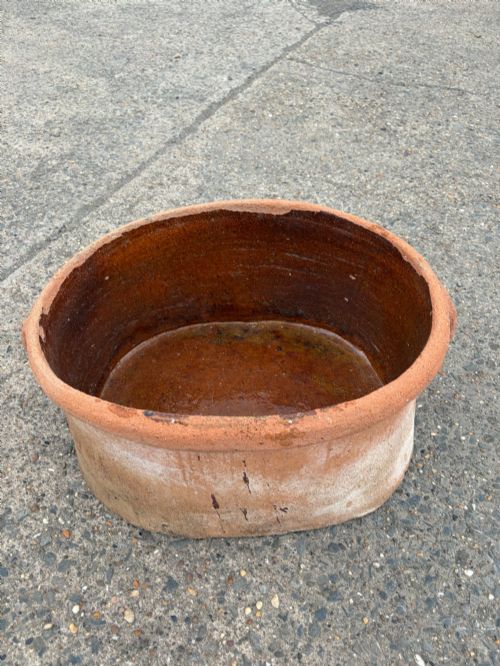
Forms range from large salting troughs and dairy bowls to jugs, teapots, and figural ornaments. Makers shaped these items from heavy clay bodies designed for robust daily use in farmhouse kitchens and dairies.
The aesthetic leans towards utilitarian practicality combined with traditional regional potting styles. Many pieces show the simple, honest forms typical of nineteenth-century rural workshops and local potteries.
How brown glazed earthenware was made
Potters relied on local earthenware and terracotta clays, shaping them on the wheel or pressing them into moulds for larger vessels like dairy bowls and jars. Stoneware bodies also occur, providing a denser and more vitrified alternative for liquid storage.
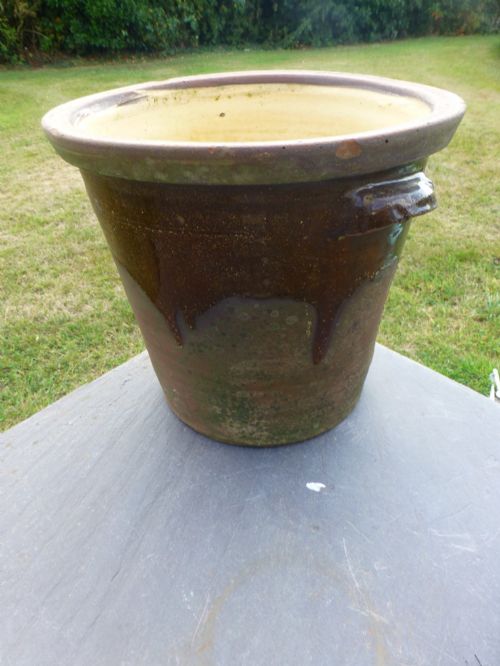
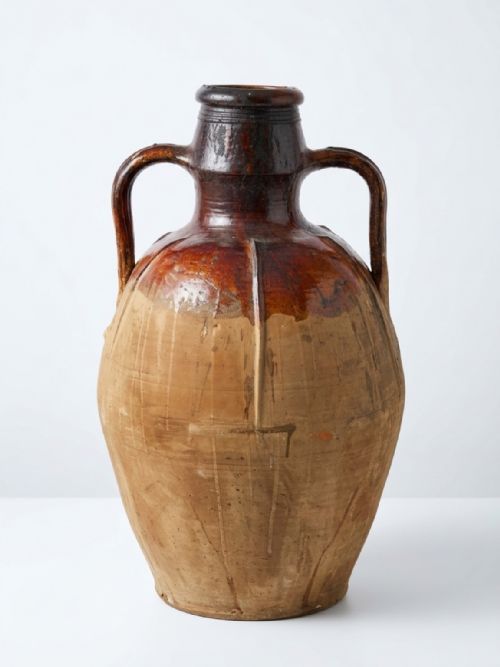
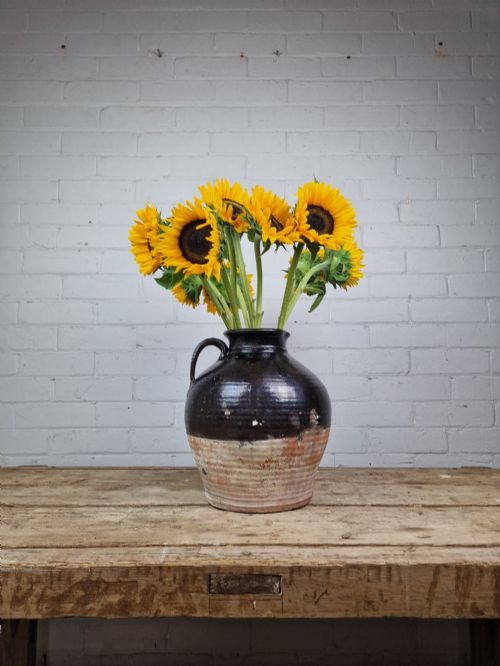
Surfaces received rich brown lead glazes or treacle coatings that added depth and protected the porous clay body underneath. Firing took place in traditional kilns where fluctuating temperatures often produced subtle variations in the glossy finish.
Listings feature nineteenth-century and Victorian pieces alongside eighteenth-century examples, utilising earthenware, terracotta, and stoneware.
What varies in quality
The distinction between ordinary utility wares and finer pieces lies in the precision of the throwing and the depth of the glaze. Rich, even brown surfaces with good pooling reveal skilled handling in the kiln.
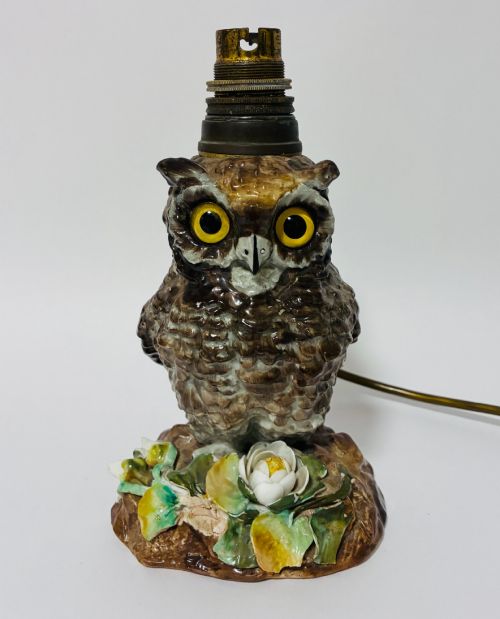
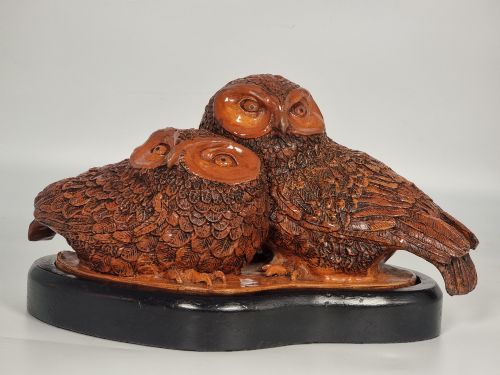
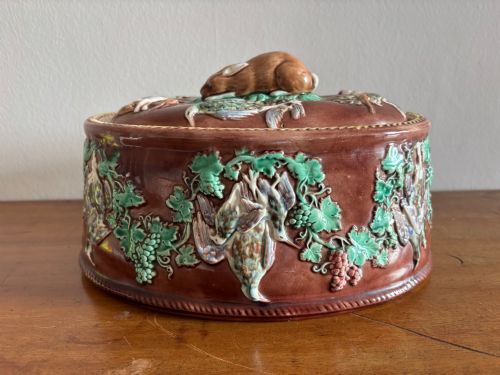
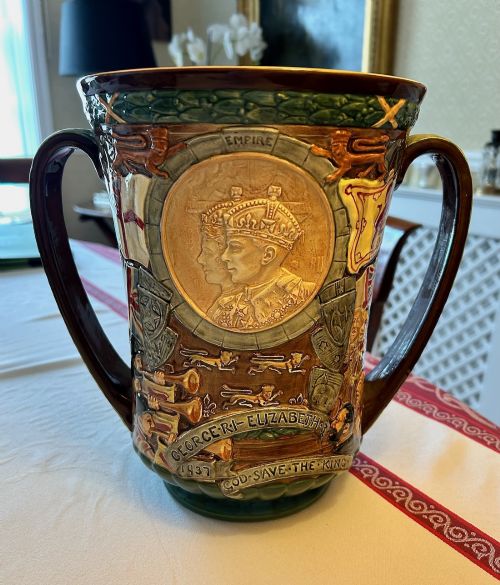
Decorative detailing on figures, animals, and relief-moulded jugs separates basic production items from superior artistic works. Crisp modelling and careful application of colour elevate utilitarian forms into collectible display pieces.
Burmantofts·Holdcroft·Minton·Wedgwood·Royal Doulton·Clarice Cliff·Doulton Lambeth
The Brown Glazed Earthenware Glossary
- Earthenware
- Porous pottery fired at lower temperatures, requiring a glaze to hold liquids. It forms the primary body for traditional domestic kitchenware.
- Lead glaze
- A glossy coating containing lead oxide that melts during firing to create a waterproof surface. It yields warm tones ranging from amber to deep brown.
- Slipware
- Pottery decorated with liquid clay slip trailed or brushed over a contrasting body before firing. It represents an early technique common in country wares.
- Stoneware
- Dense, non-porous pottery fired at high temperatures until the clay vitrifies. It resists acids and liquids without needing an internal glaze.
Brown Glazed Earthenware: Frequently Asked Questions
What is brown glazed earthenware?
Brown glazed earthenware comprises utilitarian and decorative pottery coated in dark, glossy lead or treacle finishes. These items span nineteenth-century domestic wares, dairy vessels, and folk art.
Potters created these pieces for heavy everyday use in kitchens and dairies. The dark glazes provided a practical, waterproof seal for porous clay bodies.
How were dairy bowls used?
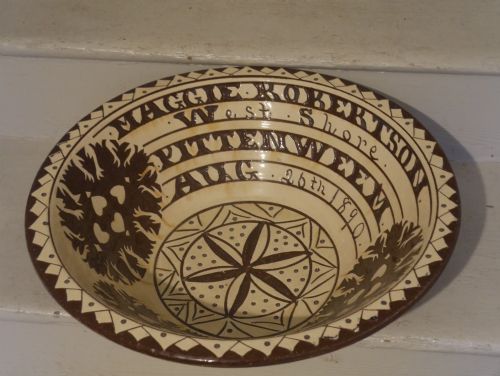
Dairy bowls held milk during the skimming process on nineteenth-century farms. Their wide, open forms allowed cream to rise to the surface efficiently.
The glazed interiors prevented dairy fats from soaking into the clay. This made the heavy terracotta and earthenware vessels easy to clean between uses.
How do I date these pieces?
Dating relies on stylistic clues, clay types, and manufacturing techniques associated with the nineteenth century and Victorian periods. Marked pieces from larger potteries offer more precise chronological reference points.
Country wares and folk pieces often lack makers marks. Collectors instead examine the wear patterns, glaze characteristics, and potting methods to determine age.
How should I display them?
These robust pots suit rustic and traditional interiors, where their warm brown tones complement natural wood and stone surfaces. Large bowls and crocks work well as standalone focal points.
Smaller jugs and decorative figures sit comfortably on open shelving or sideboards. Their earthy materials bring texture and historical depth to a room.