

Hand Painted Floral Pitcher
A hand painted floral pitcher brings bright botanical colour to a table, combining practical utility with eighteenth- and nineteenth-century ceramic artistry.
Hand Painted Floral Pitcher
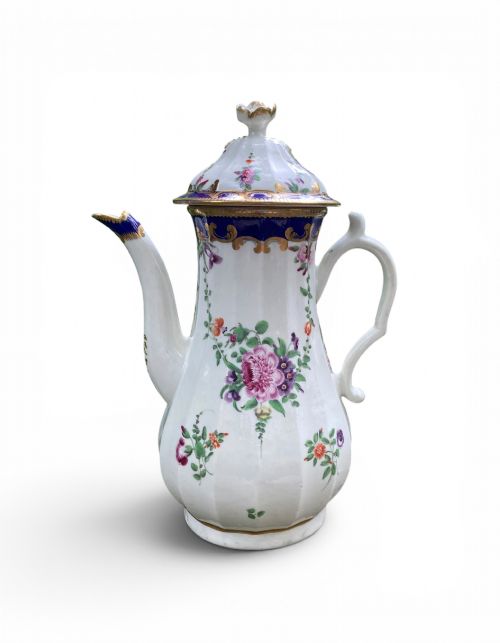
When you search for a hand painted floral pitcher, you encounter diverse forms ranging from small cream jugs and milk jugs to larger ewers, coffee pots, and decorative pitchers spanning the eighteenth, nineteenth, and early twentieth centuries.
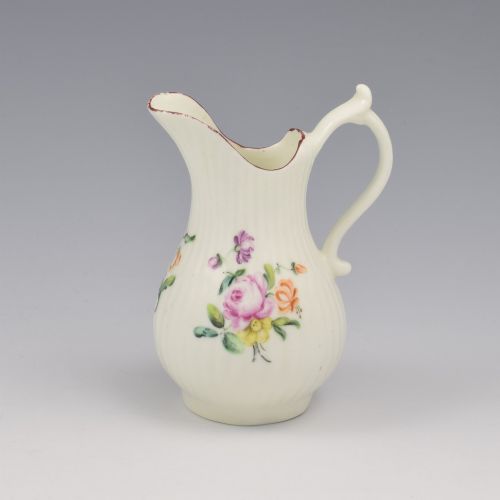
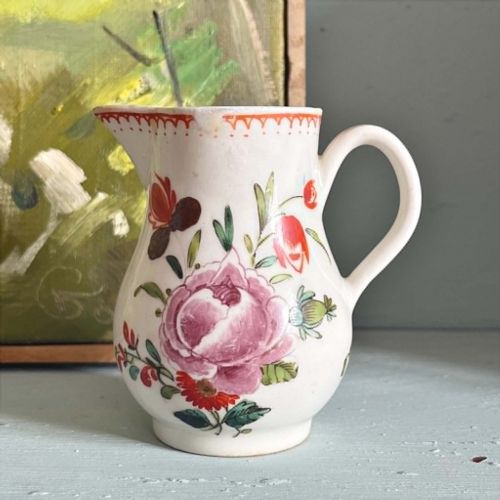
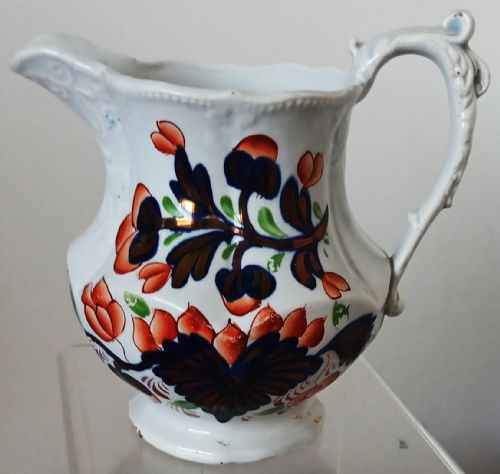
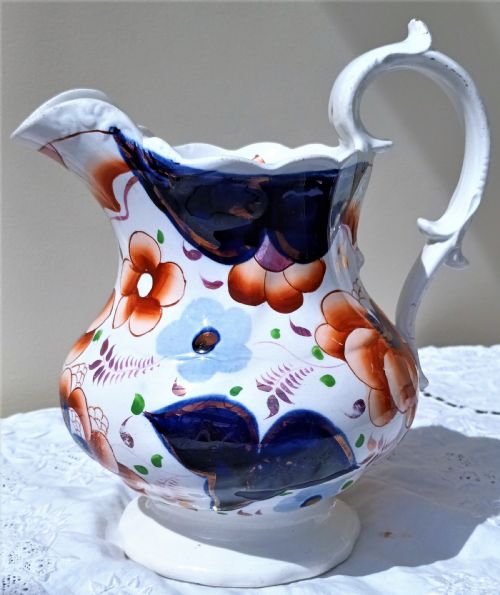
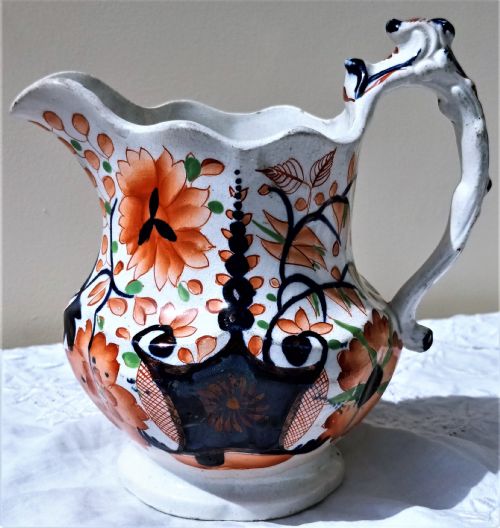
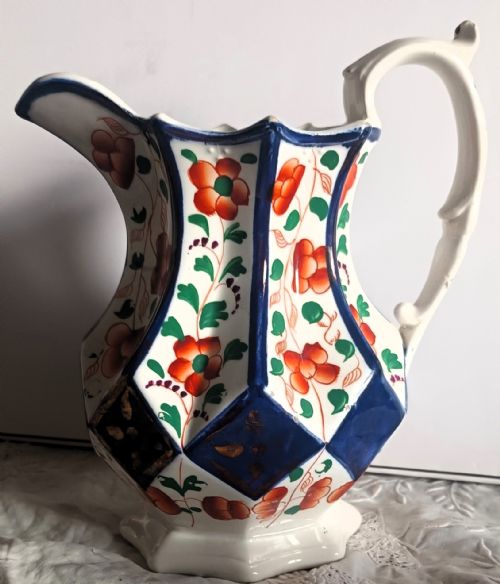
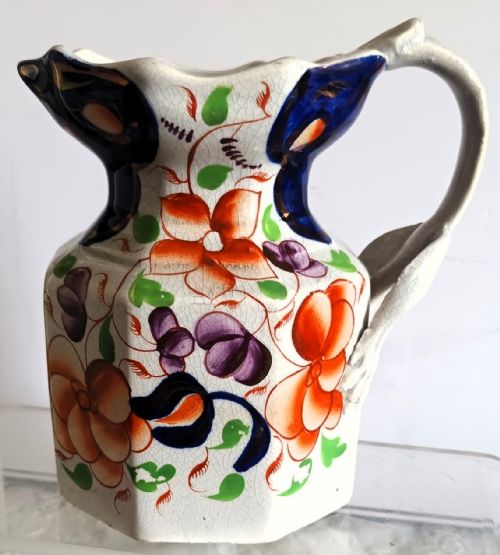
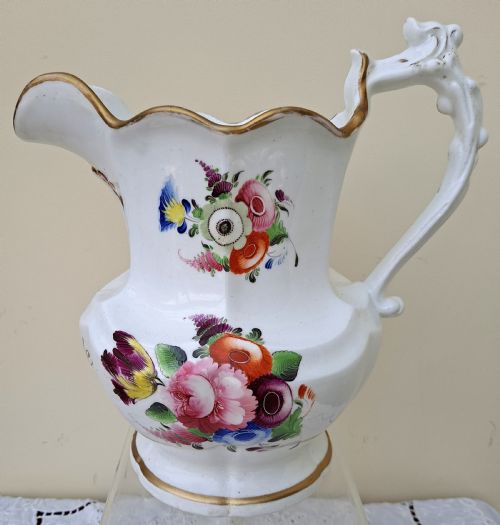
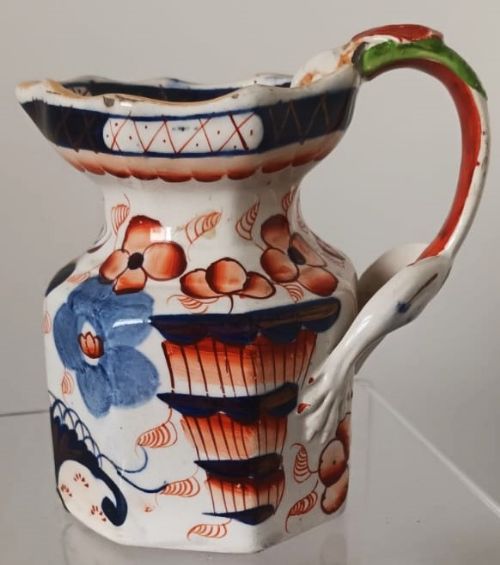
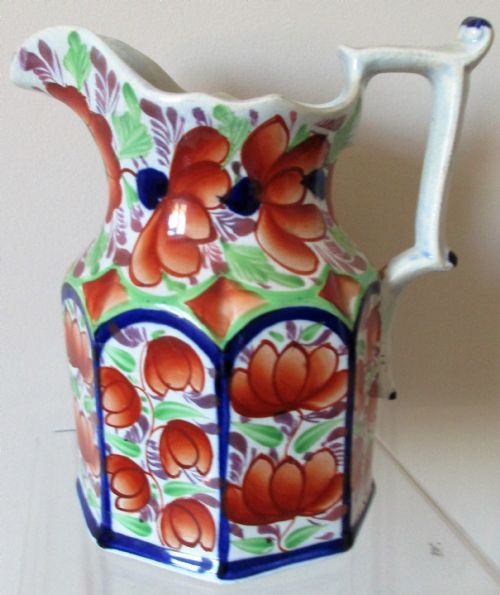
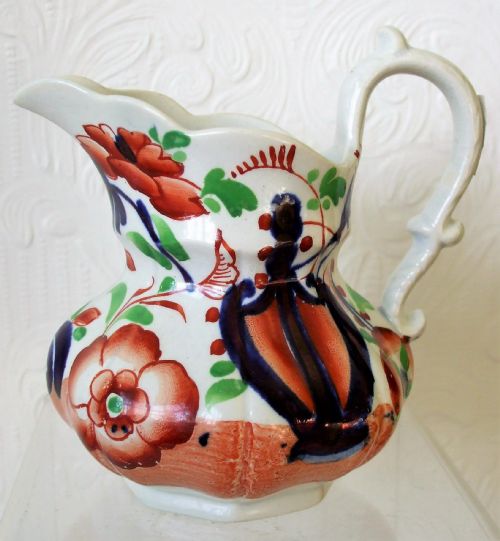
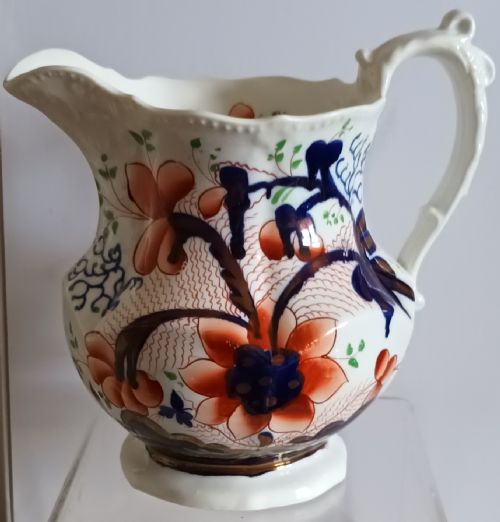
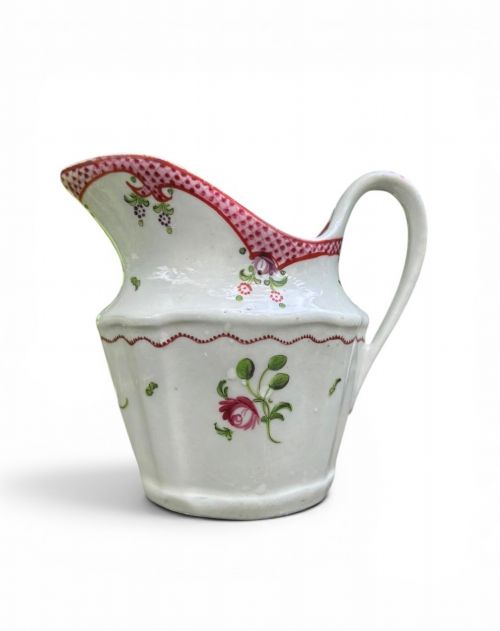
The selections on this page draw heavily from Victorian pottery traditions such as Gaudy Welsh patterns, alongside Georgian pearlware and porcelain cream jugs produced by factories like Royal Worcester and New Hall.
Forms vary from fluted baluster shapes and sparrowbeak creamers to cleft jugs, pouch jugs, and Persian-influenced earthenware ewers decorated with floral motifs, fruit, and polychrome enamels.
How they were made
Potters shaped these vessels using porcelain, earthenware, pearlware, and tin-glazed delftware, often applying cabbage leaf moulding or fluted ribbing to give the body texture before glazing.
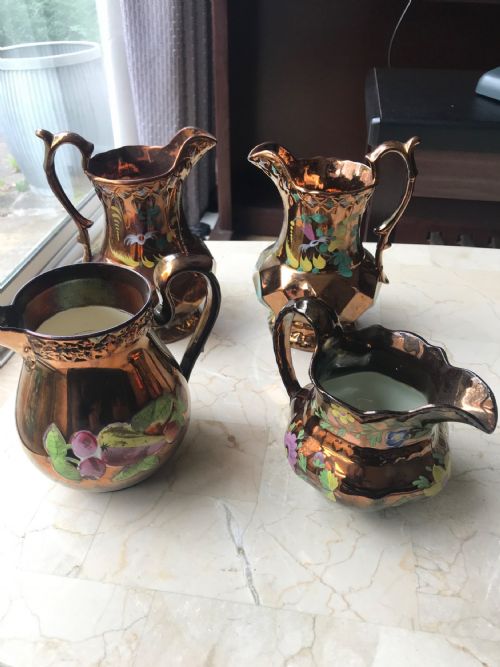
Decorators applied pigments by hand, sometimes combining enamel painting, copper lustre, and gold leaf gilding to highlight floral panels and patterns.
Listings feature porcelain, earthenware, and tin-glazed delftware vessels decorated with hand-painted floral designs.
What varies in quality
Quality rests in the crispness of the hand painting and the precision of the gilding, where confident brushwork on floral panels distinguishes finer factory output from standard domestic wares.
The subtlety of the glaze application and the preservation of delicate enamel colours over centuries separate well-kept cabinet pieces from heavily handled utilitarian vessels.
Royal Worcester·New Hall·Meissen·Doulton Burslem·Rockingham
The Hand Painted Floral Pitcher Glossary
- Pearlware
- A refined earthenware developed in the eighteenth century with a bluish glaze that pooled slightly in recesses to mimic Chinese porcelain.
- Gaudy Welsh
- A brightly coloured pottery style produced in the nineteenth century, characterised by cobalt blue, copper lustre, and iron-red floral motifs.
- Ewer
- A large jug with a wide spout and elaborate handle, historically used for water or wine rather than dairy.
- Sparrowbeak
- A small eighteenth-century cream jug featuring a distinctive, pointed lip resembling a bird's beak.
Hand Painted Floral Pitcher: Frequently Asked Questions
How do I date a floral pitcher?
Dating relies on identifying the ceramic body, such as early pearlware or fine porcelain, alongside factory marks where present. Stylistic clues like rococo moulding or Victorian aesthetic movement transfer prints also help narrow the decade.
Examining the base and wear patterns provides further confirmation of age, linking the piece to eighteenth- or nineteenth-century production periods.
Were these pitchers used for daily dining?
Many examples began as practical vessels for serving cream, milk, or water at the table. Over time, changing domestic habits turned similar jugs into decorative display pieces.
Heavily gilded ewers and delicate porcelain pieces were often made specifically for display or tea service rather than rough daily use.
How should I clean my antique pitcher?
Careful dusting with a soft, dry cloth is usually sufficient for pieces with delicate enamel paint and gold leaf gilding. Harsh detergents and modern dishwashers can strip fragile hand-painted floral details.
If washing is necessary, use lukewarm water and mild soap, drying the vessel immediately with a lint-free cloth.
What is copper lustre decoration?
Copper lustre involves applying a metallic glaze or wash over the ceramic body to create a reflective, coppery sheen. Potters often combined this technique with hand-painted floral reserves or Gaudy Welsh patterns.
This finish catches the light and adds a warm, metallic contrast to the colourful earthenware beneath.