


Hand Painted Pottery Jug
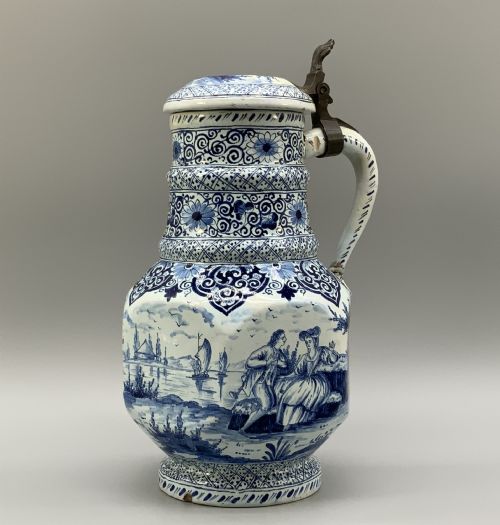
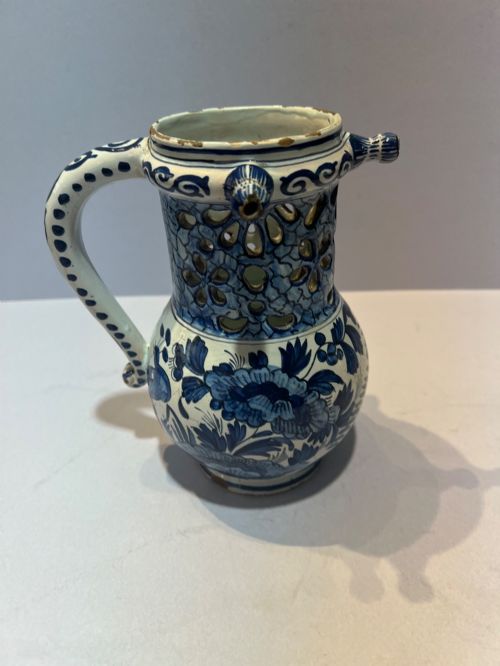
These hand painted pottery jug examples bring vibrant pattern and colour to a room, offering tactile historical character for daily display.
What They Are
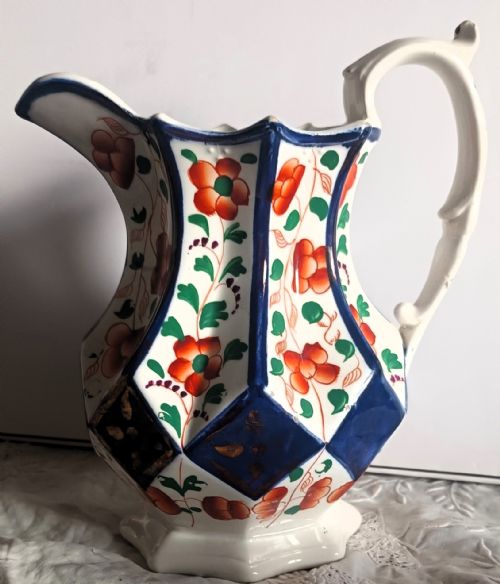
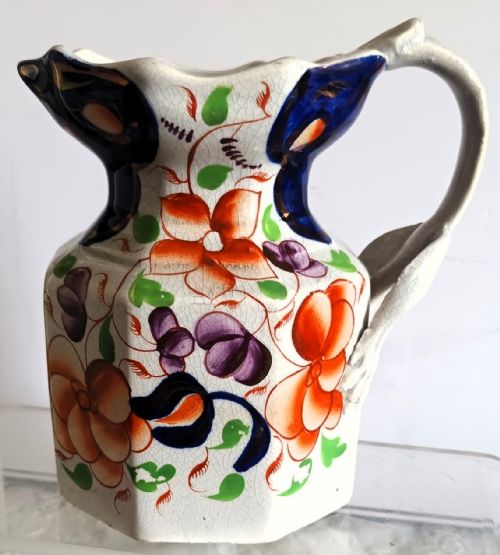
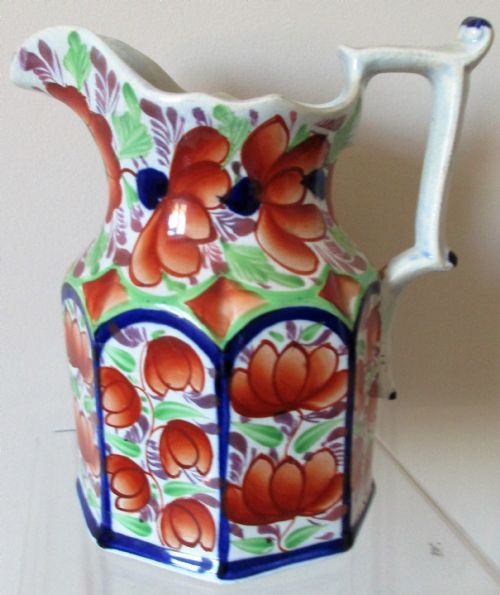
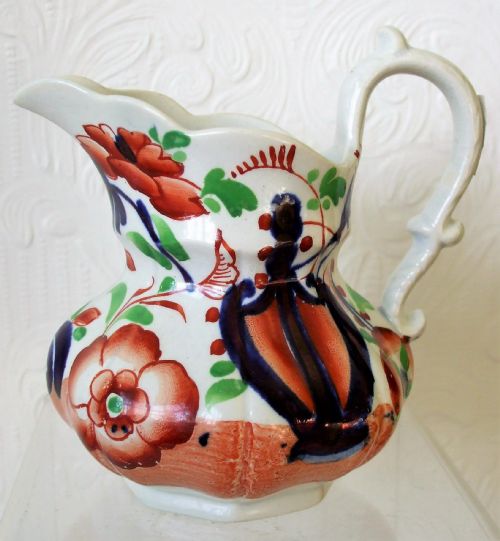
A hand painted pottery jug takes several recognisable forms across the nineteenth and twentieth centuries, ranging from utilitarian vessels to decorative flower holders. Buyers encountering this search phrase will regularly find nineteenth century Victorian examples alongside later decorative pieces.
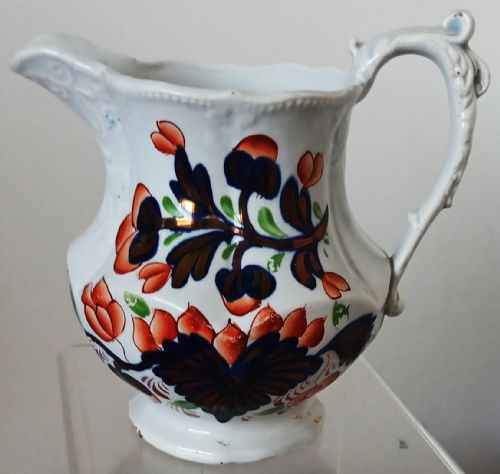
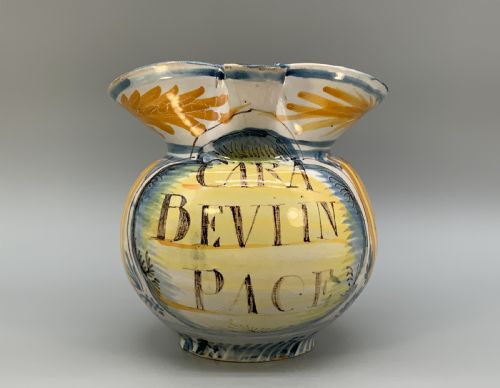
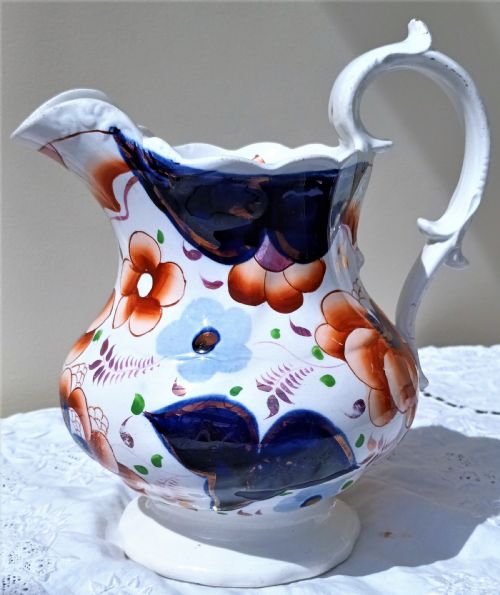
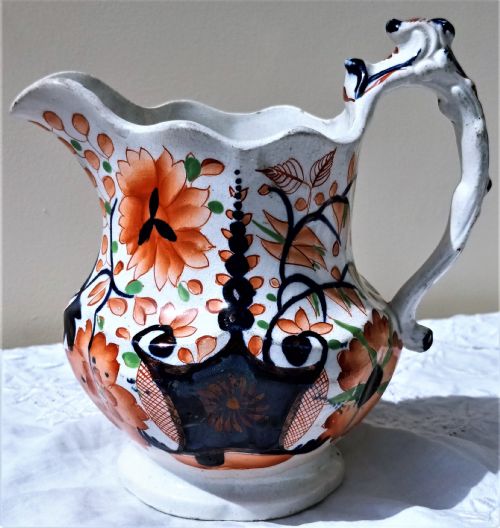
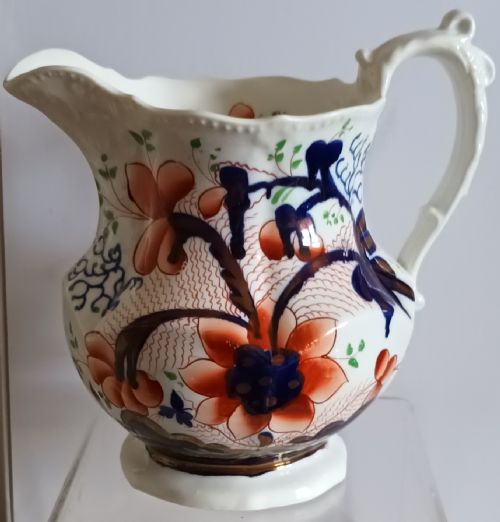
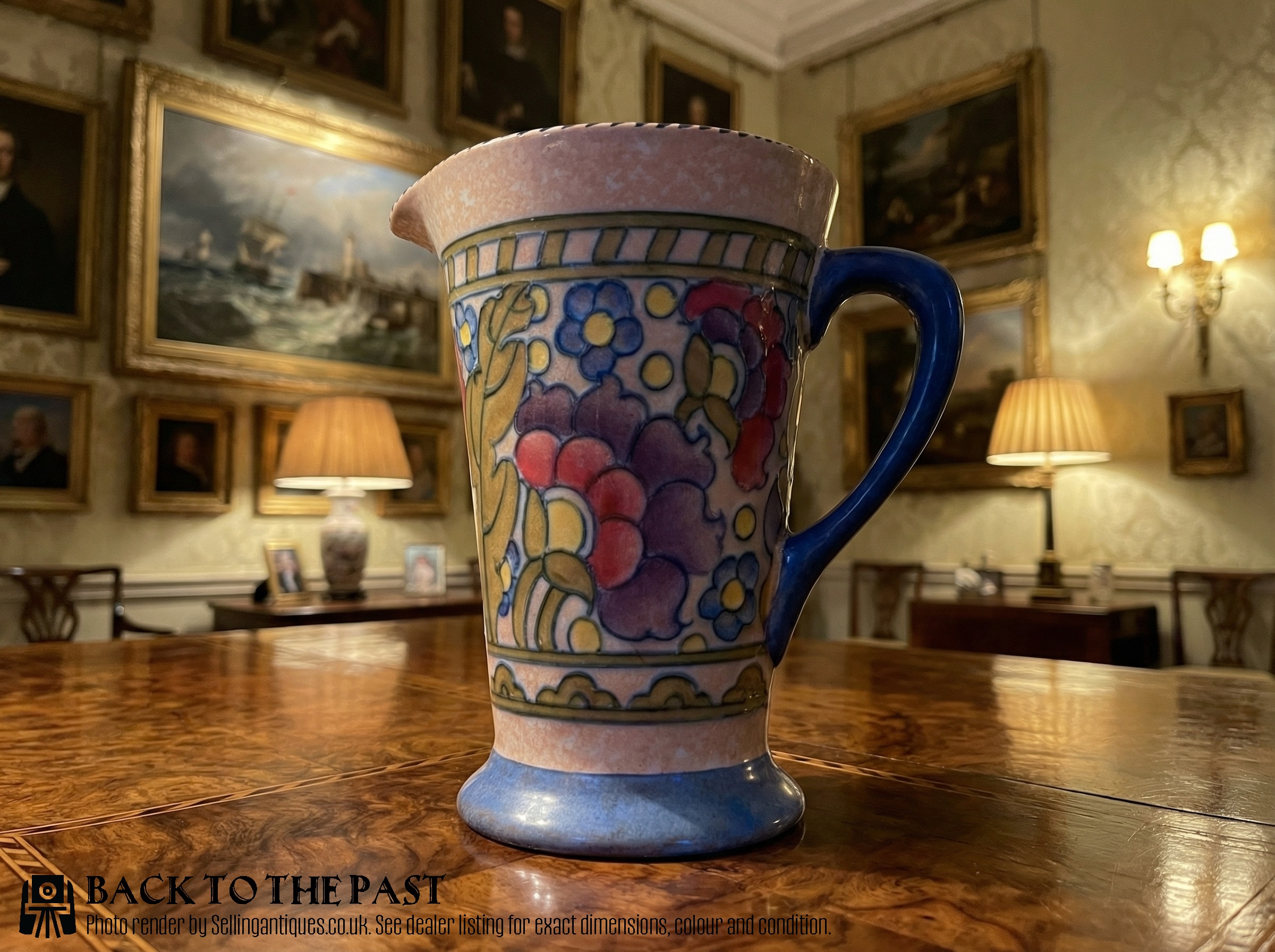
The selection includes pattern names such as Gower and Pagoda within Gaudy Welsh styles, as well as Mediterranean folk art designs and Art Deco floral vessels. These items function primarily as decorative vessels, pitchers, and pouches.
Origins span distinct historical moments including the nineteenth century, eighteen eighty, and nineteen thirty. Each piece demonstrates how makers combined ceramic bodies with painted decoration to create lasting decorative objects.
How They Were Made
Makers shaped these vessels from terracotta, clay, and earthenware ceramic bodies before applying surface decoration. The resulting forms rely on traditional pottery construction methods suited to domestic and decorative use.
Makers applied surface paint directly to the ceramic material, finishing the pieces with a protective glaze. This combination of paint and glaze preserved the hand applied colours across the Victorian and Art Deco periods.
Retail Price Guide 2026
Typical UK retail prices for hand painted pottery jug, calculated from the Sellingantiques database of over a million retail prices indexed since 2003. This retail price guide relies exclusively on Sellingantiques data; no external sources or auction records are used, so the figures do not describe the wider market.
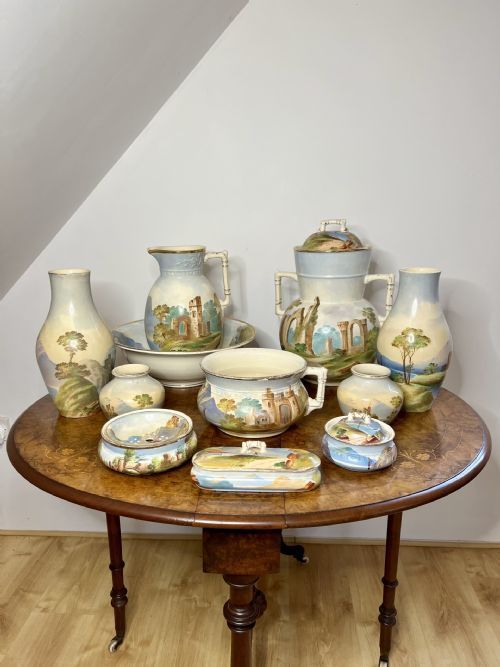
Some nineteenth century jugs arrived bundled with matching basins, ensuring the bedroom washing routine matched the parlour's enthusiasm for floral motifs.
What Varies Across the Range
Quality reveals itself in the confidence of the brushwork and the clarity of the applied patterns, such as the intricate details found on Mediterranean folk art and Gaudy Welsh pieces. Stronger examples display deliberate control over paint and glaze applications.
The sophistication of the form and the cohesion of the decorative scheme distinguish finer vessels from simpler utilitarian items. Art Deco and Victorian pieces demonstrate differing stylistic ambitions, where refined execution elevates the overall visual presence.
Charlotte Rhead
The Hand Painted Pottery Jug Glossary
- Earthenware
- A porous type of pottery fired at relatively low temperatures, requiring a glaze to become impermeable. It forms the base material for many traditional jugs.
- Gaudy Welsh
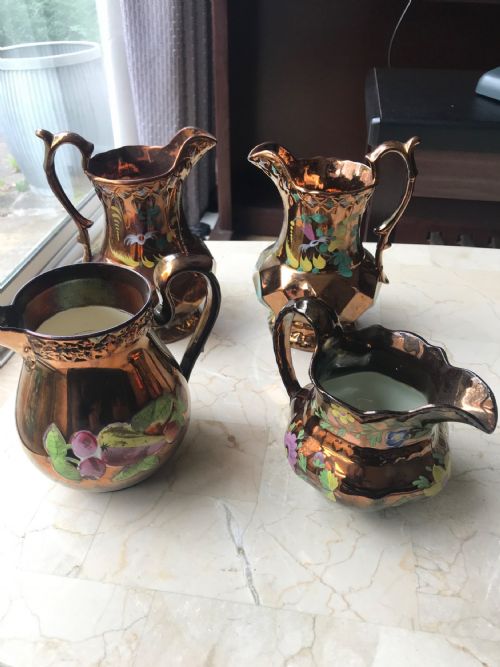
- A nineteenth century ceramic style characterised by vibrant, brightly coloured hand painted patterns often incorporating cobalt blue, copper lustre, and iron red. These patterns appear on domestic tableware and jugs.
- Terracotta
- An unglazed or glazed fired clay of a brownish red colour. It provides a sturdy structural body for decorative vessels.
- Art Deco
- A design style popular in the nineteen thirties characterised by stylised floral motifs and geometric patterns. Pieces from this era often feature distinctive moulded and painted surfaces.
- Glaze
- A glassy coating fused to ceramic ware through firing, which seals the porous clay body and holds the painted decoration beneath or upon its surface.
Frequently Asked Questions
What is a hand painted pottery jug?
A hand painted pottery jug is a ceramic vessel decorated by hand with painted patterns, ranging from nineteenth century Victorian tableware to nineteen thirties decorative flower jugs.
These pieces combine functional forms with applied artistic designs, reflecting the aesthetic preferences of periods such as the Victorian era and the Art Deco movement.
How do I date a pottery jug?
Dating relies on identifying stylistic markers, manufacturing materials, and recorded patterns associated with specific eras like the nineteenth century or nineteen thirty. Victorian examples often feature distinct regional patterns, while later pieces adopt Art Deco motifs.
Examining the base ceramic body, glaze type, and painting style helps place the object within its historical period.
Were these jugs used for water?
Many nineteenth century examples served practical domestic functions, including water carriage and washing routines when paired with basins. Over time, similar forms transitioned into purely decorative vessels.
The inclusion of glazed ceramic surfaces ensured the vessels could hold liquids safely during daily household use.
How do I style a pottery jug?
These vessels suit open shelving, mantelpieces, or tabletops where their hand painted patterns and ceramic textures become visual focal points. They function well displayed alone or holding dried botanicals.
Pairing them with neutral backgrounds allows the vibrant colours of Gaudy Welsh or Mediterranean folk art designs to stand out.