



English Art Deco Ceramics
English art deco ceramics bring geometric vigour and bold colour to domestic spaces through glazed earthenware, porcelain and studio pottery.
English Art Deco Ceramics
English art deco ceramics encompass vibrant table sets, decorative bowls, vases, lamps, and characterful figurines produced during the early twentieth century. Buyers seeking this phrase encounter distinct geometric patterns, stylised floral motifs, and rich lustre finishes characteristic of the interwar period.
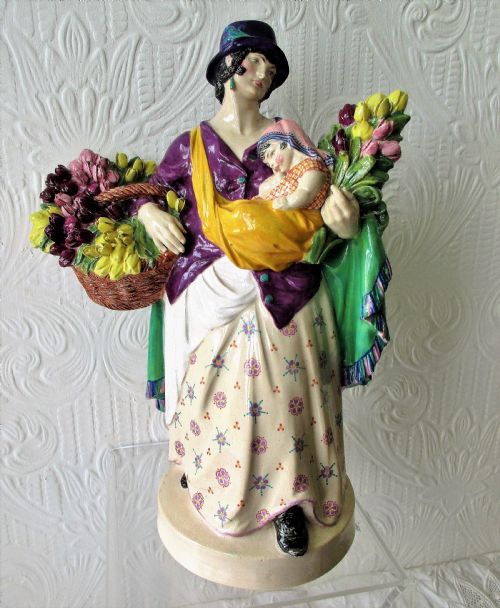
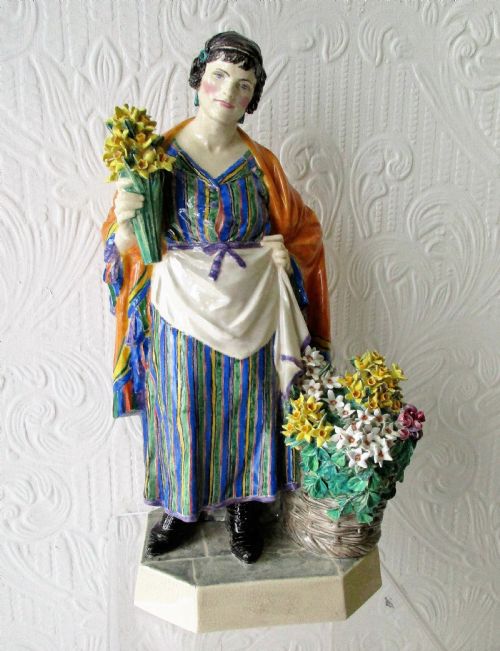
The selection on this page centres on pieces from the 1920s and 1930s, alongside transitional works drawing upon earlier Edwardian aesthetics. Common forms include large chargers, tea services, and sculptural earthenware figures modelled by notable studio potters and major factories.
Makers represented span commercial potteries and individual workshops, offering everything from mass-produced tableware with hand-painted elements to limited studio creations. Each item reflects the shift towards modern design principles while retaining traditional British ceramic manufacturing methods.
Materials and Manufacturing Techniques
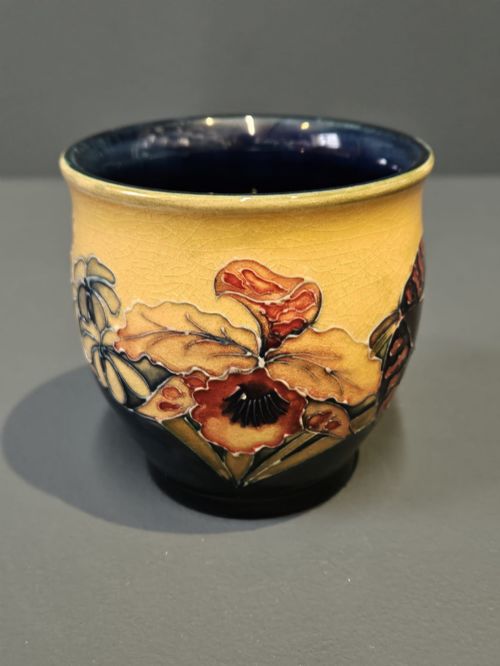
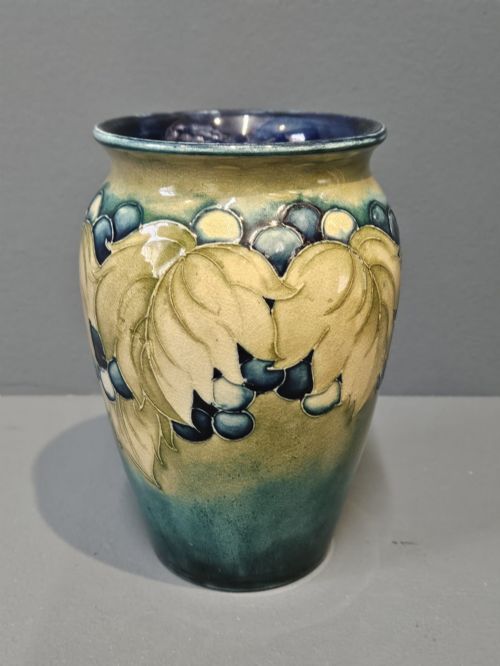
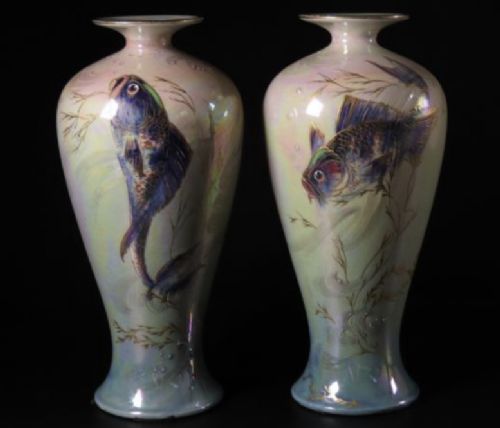
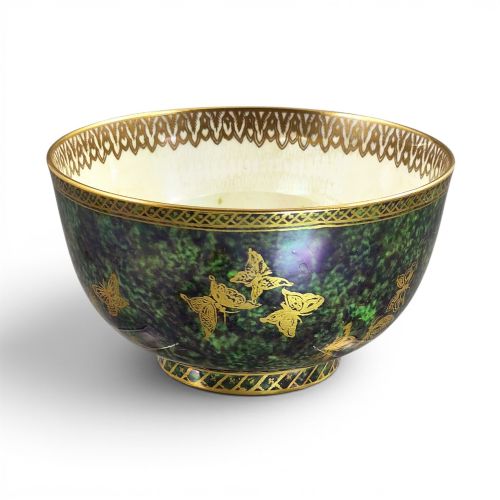
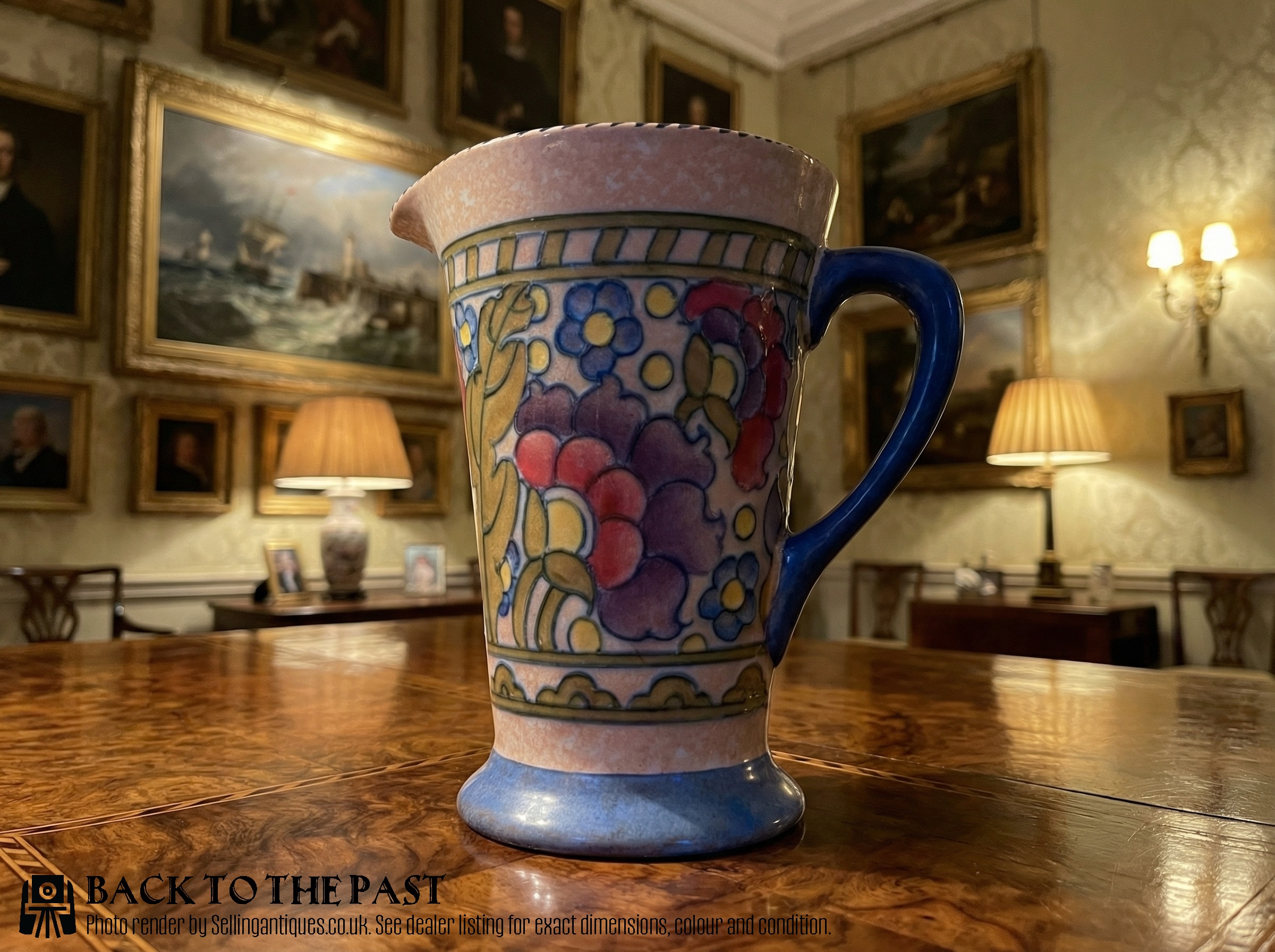
Potters shaped these objects using earthenware, bone china, and porcelain bodies, frequently applying lustre glazes that imparted an iridescent, metallic sheen. Tubelined decoration served as a primary technique for containing bright enamel colours on chargers and vases.
Kiln firing methods determined the depth of the glaze and the permanence of the hand-painted or transferred patterns. Artisans also utilised salt glazes and gold leaf accents to enhance surface texture and visual contrast on studio pieces.
Several charming figurines depict characters caught in domestic mishaps, including one unfortunate soul stuck firmly in the village stocks.
Distinctions in Quality and Execution
Superior examples display precise control over the complex chemistry of lustre glazes and vibrant enamels, ensuring deep saturation without running or pooling. The crispness of tubelined borders and the subtlety of hand-painted brushwork clearly separate master potter output from standard factory production.
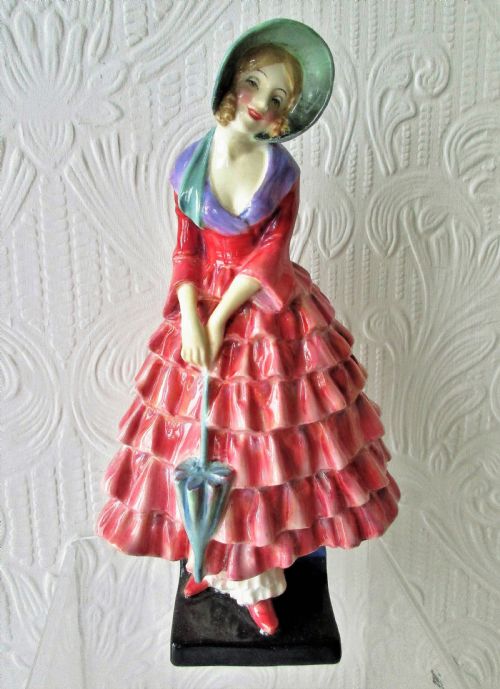
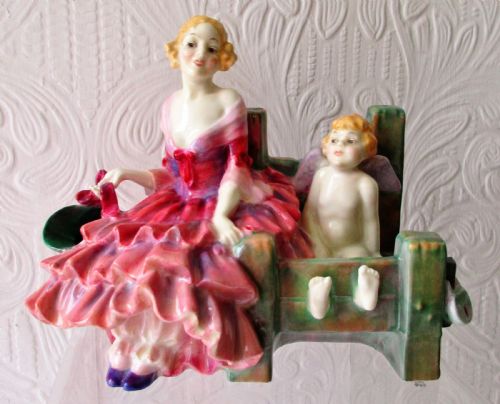
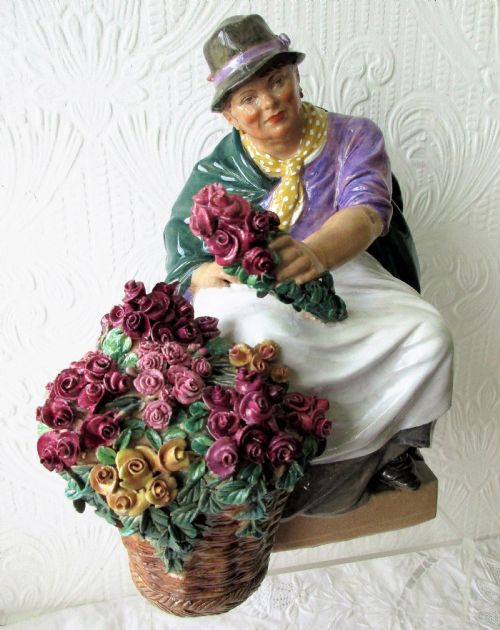
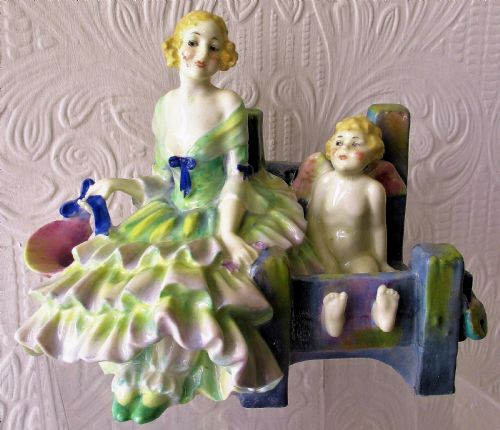
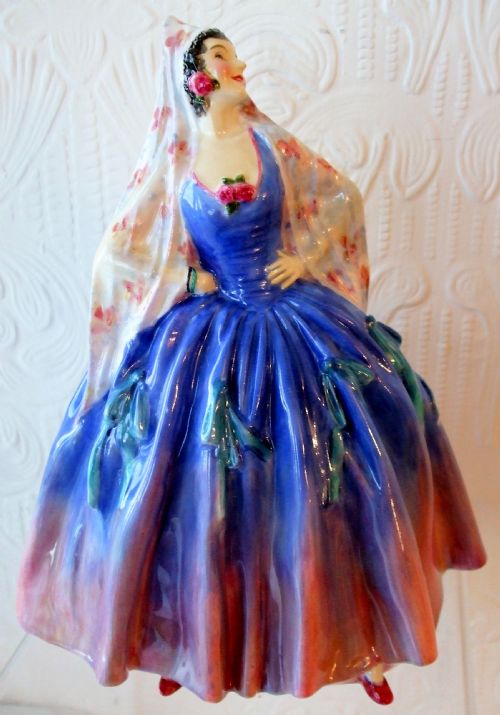
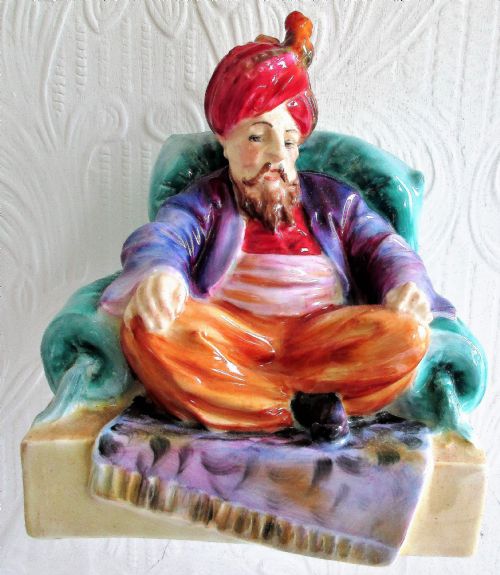
Sculptural fidelity defines figurine quality, where delicate facial expressions and intricate hand-modelled clothing details indicate superior craftsmanship. The registration of maker stamps, pattern numbers, and artist signatures further distinguishes significant production runs from minor commercial items.
Royal Doulton·Daisy Makeig Jones·Moorcroft·Walter Slater·Charles Vyse·Clarice Cliff·Maling·Charlotte Rhead·Richard Joyce·Pilkingtons Royal Lancastrian
The English Art Deco Ceramics Glossary
- Lustre Glaze
- A metallic ceramic finish that creates an iridescent, shimmering surface effect when fired in a reducing kiln. This technique was used extensively on early twentieth-century decorative wares to catch the light.
- Tubelining
- A decorative method where liquid clay is squeezed through a fine nozzle onto a ceramic body to create raised outlines for enamel colours. The technique produces a distinct, tactile grid on patterned plates and vases.
- Earthenware
- A porous, opaque ceramic body fired at lower temperatures than porcelain and glazed to achieve impermeability. It formed the robust base for many domestic bowls and decorative vessels of the period.
- Bone China
- A translucent white ceramic incorporating animal bone ash for added strength and delicate thinness. British factories utilised this material for fine tea sets and intricate figurines.
- Charger
- A large decorative plate intended for display rather than functional dining use. These substantial pieces frequently showcased ambitious painted or tubelined patterns.
English Art Deco Ceramics: Frequently Asked Questions
How do I identify art deco ceramics?
Look for symmetrical geometric patterns, stylised animal motifs, and bold colour palettes applied across earthenware and porcelain bodies.
Maker marks and registration numbers stamped on the underside provide definitive confirmation of production dates and manufacturing origins.
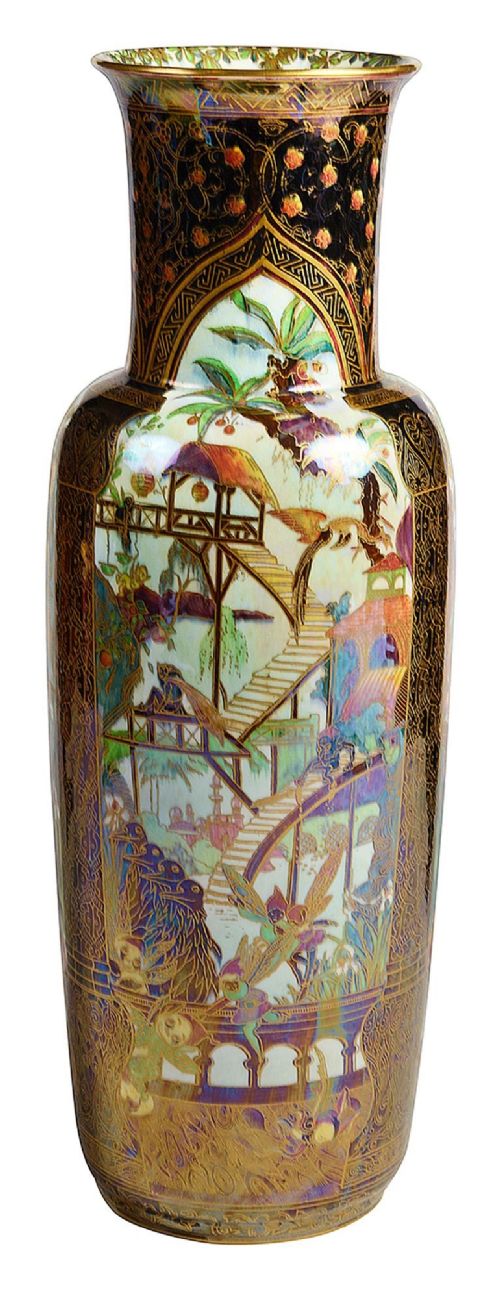
What is fairyland lustre?
Fairyland lustre is a complex decorative glaze technique developed by Wedgwood featuring fantastical scenes of goblins, elves, and mythical creatures.
These pieces required multiple high-temperature firings to achieve their characteristic multi-layered, iridescent sheen and depth of colour.
How should I display ceramic chargers?
Large decorative chargers require sturdy wall mountings or specialist plate stands designed to support their substantial weight safely.
Positioning them away from direct sunlight preserves the vibrancy of the hand-painted enamel and lustre finishes over time.
Are studio pottery figures different from factory pieces?
Studio pottery figures were individually modelled and glazed by named artists working independently, resulting in unique textural variations.
Factory pieces followed standardised moulding and painting processes to produce uniform editions across large commercial runs.