

Blue Ceramic Jug
A blue ceramic jug brings the depth of cobalt glaze and centuries of kiln work straight to your table or shelf.
Blue Ceramic Jug
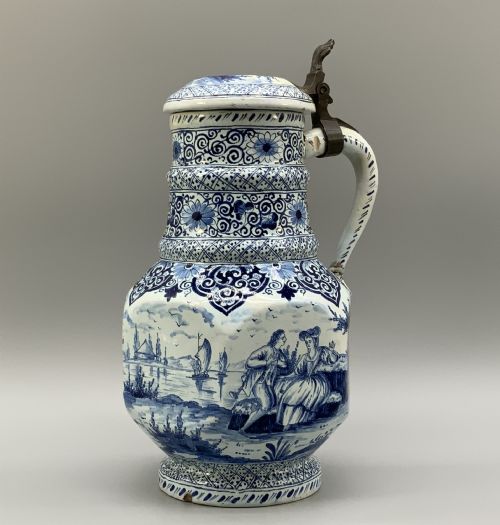
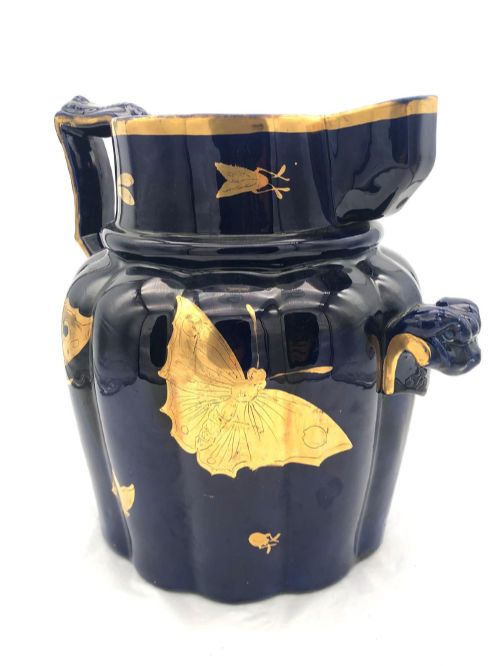
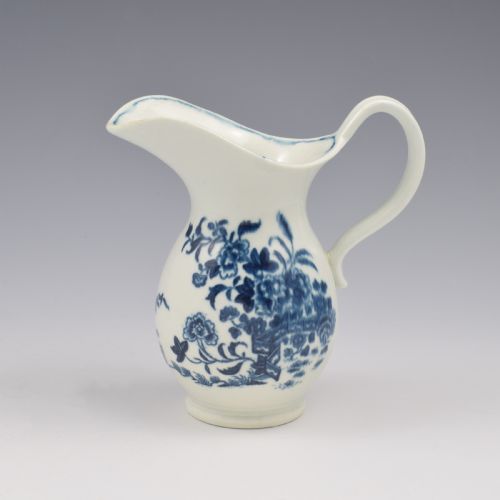
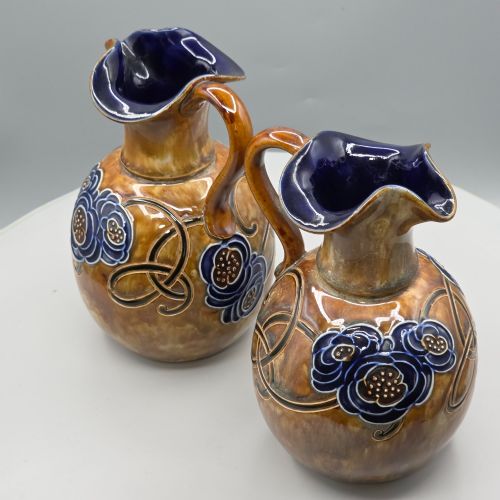
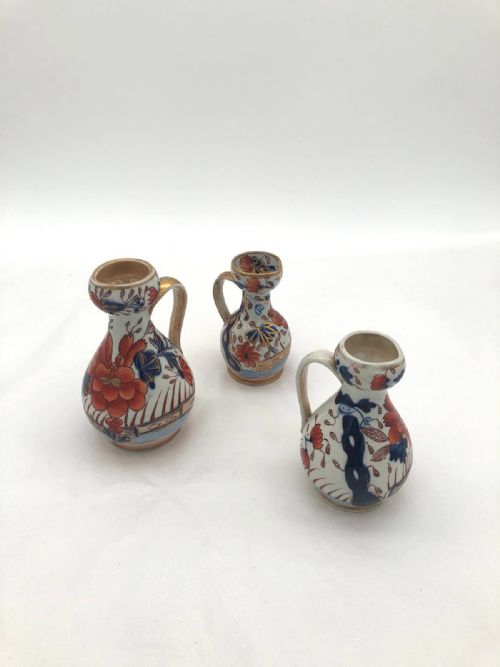
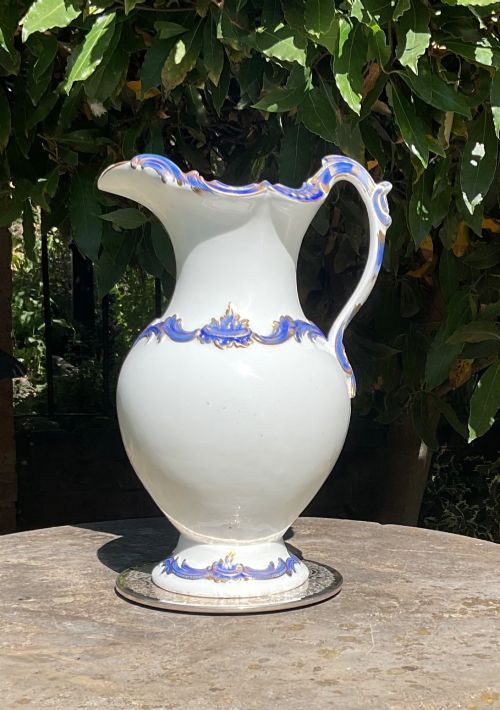
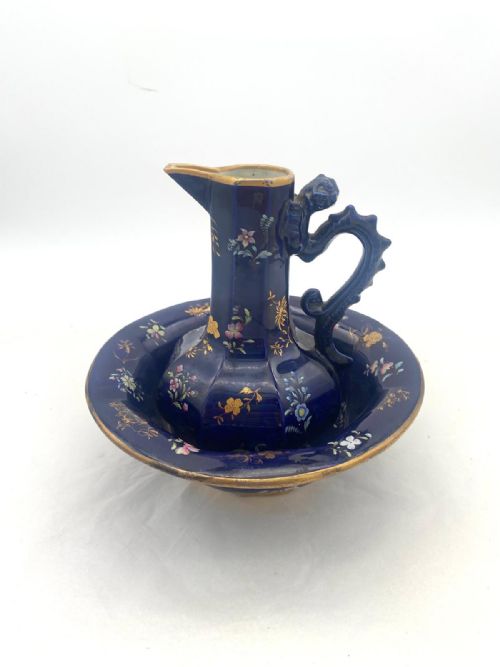
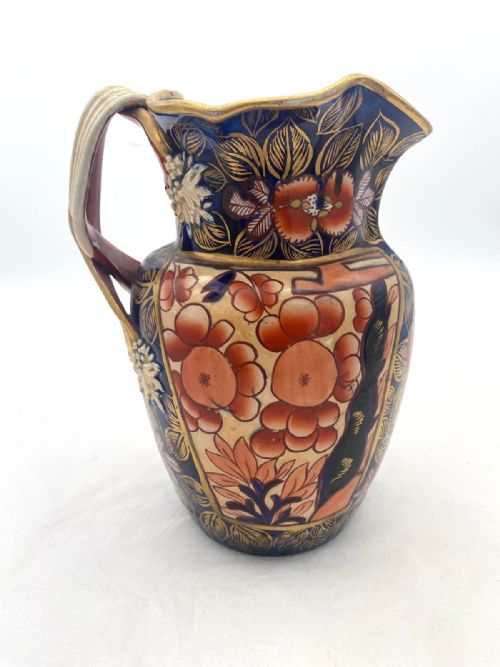
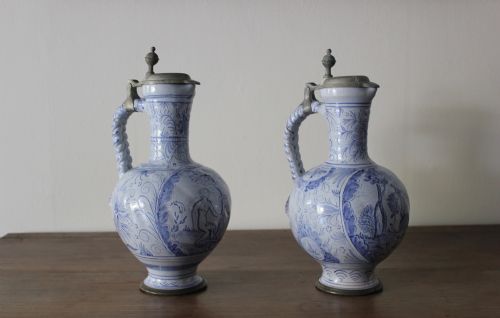
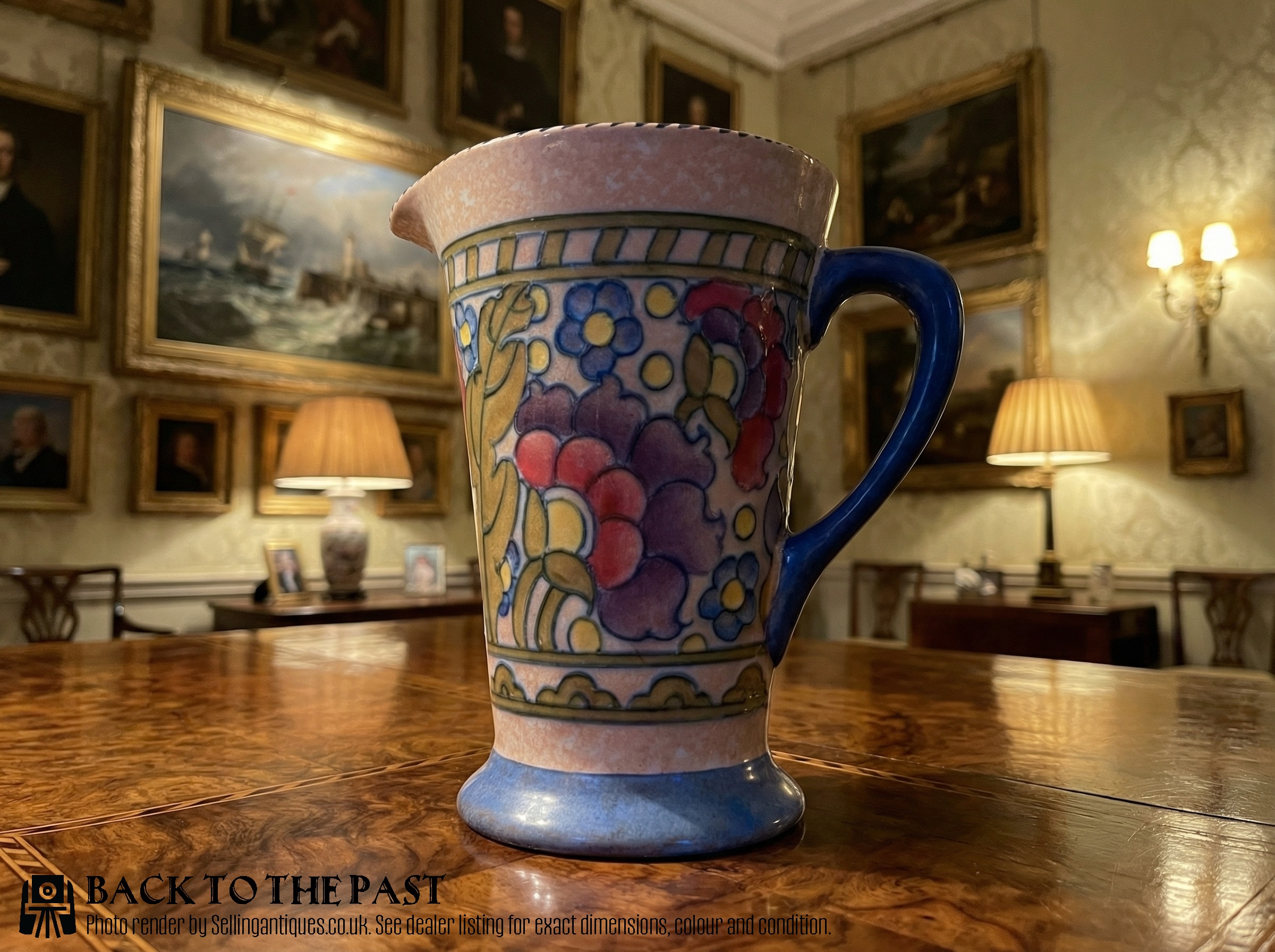
When you search for a blue ceramic jug, you encounter a range of forms spanning from eighteenth-century Dutch Delftware and Westerwald salt-glazed stoneware to nineteenth-century Staffordshire earthenware and ironstone. These vessels served practical roles as milk jugs, water ewers, and washstand pitchers, alongside decorative Toby jugs and puzzle jugs.
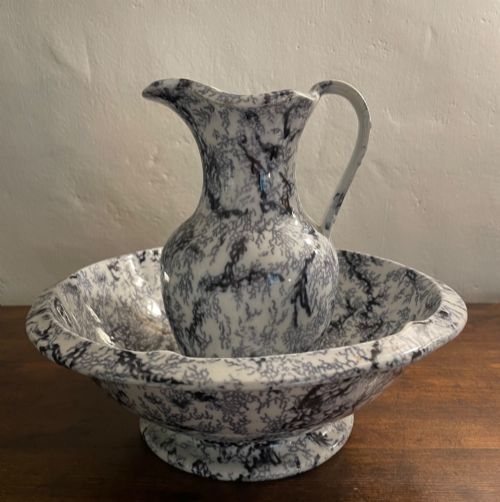
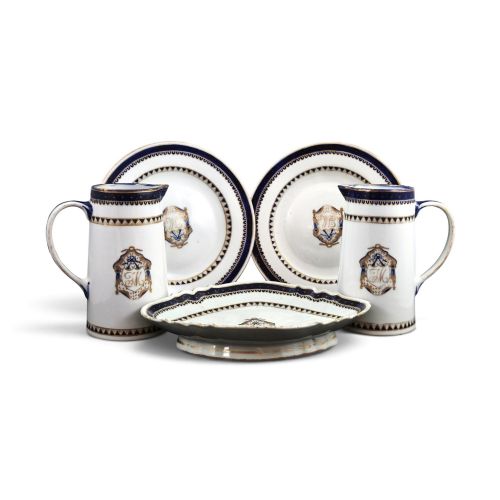
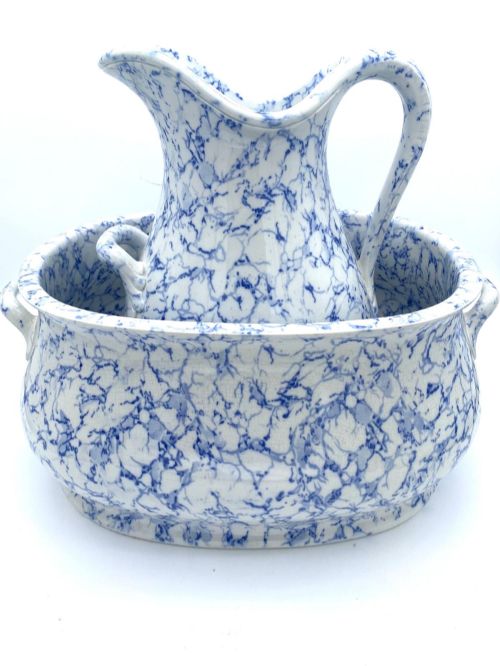
The pieces appearing on this page stretch from the 17th century through the Victorian era and into the early 20th century, encompassing British regional potteries, Chinese export porcelain, and European manufactories. You find standalone pitchers as well as larger jug and basin sets designed for bedroom washstands.
The dominant aesthetic relies on blue and white pigments, whether applied as hand-painted Chinese export scenes, flow blue transfers, or cobalt highlights on salt-glazed stoneware. Forms vary from simple utilitarian milk containers to heavily ornamented octagonal shapes and figural jugs.
How they were made
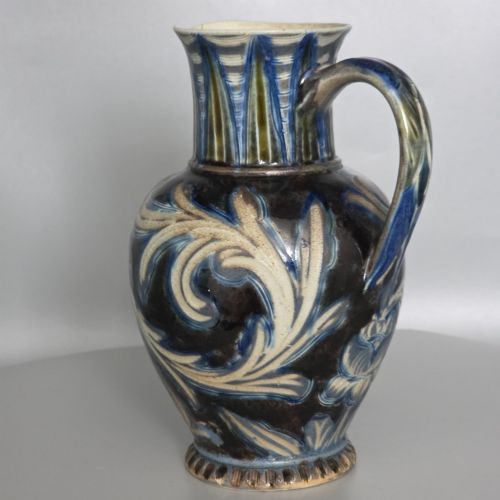
Potters shaped these vessels using earthenware, ironstone, stoneware, and porcelain bodies, often throwing them on a wheel or pressing them into moulds. Stoneware pieces like those from the Westerwald region required high-firing temperatures and salt thrown into the kiln to produce a characteristic pitted, impermeable glaze.
Decoration relied heavily on cobalt oxide for the blue coloration, applied either under the glaze before firing or over enamel in specific regional styles. Transfer printing technology emerged in the nineteenth century, allowing factories to apply complex patterns like flow blue and Gaudy Welsh designs onto ironstone and earthenware surfaces.
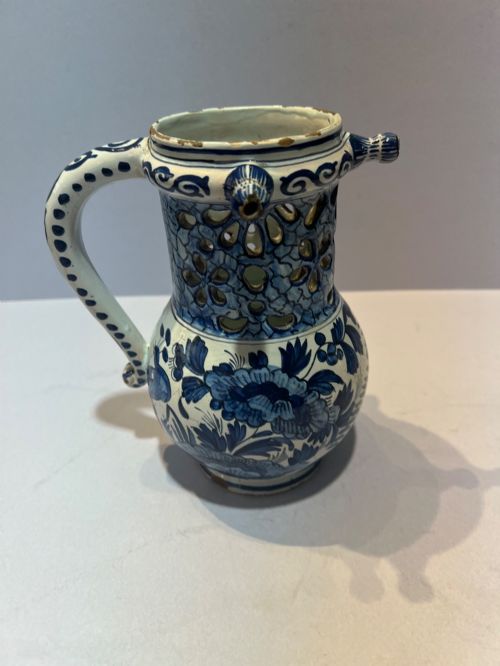
Puzzle jugs feature hidden perforated necks that spill liquid down your sleeve unless you know the secret trick to drink through the hollow handle.
What varies in quality
Quality rests upon the crispness of the moulding and the control of the cobalt pigment during the firing process. Finer pieces display sharp relief work, clean transfer lines without excessive blurring, and an even distribution of glaze across the body.
The artistic ambition of the decoration separates standard utilitarian ware from superior examples. Hand-painted Chinese export porcelain and finely incised stoneware demonstrate distinct technical skill in brushwork and handling compared to mass-produced transfer-printed household vessels.
Royal Doulton·Doulton Lambeth·Mason's·Minton·Simon Peter Gerz
The Blue Ceramic Jug Glossary
- Flow blue
- A nineteenth-century transfer printing technique where the cobalt blue pigment intentionally bled into the surrounding white glaze during firing, creating a soft, hazy effect. This style proved especially popular on Staffordshire ironstone and earthenware.
- Salt glaze
- A glassy, slightly textured finish achieved by throwing common salt into the kiln at the peak temperature, which vaporised and combined with the silica in the clay body. This method typifies German Westerwald stoneware jugs.
- Ironstone
- A durable, dense type of earthenware patented in the nineteenth century to imitate porcelain while offering greater strength for daily use. Factories like Mason's utilised this body for heavy, ornate jugs.
- Toby jug
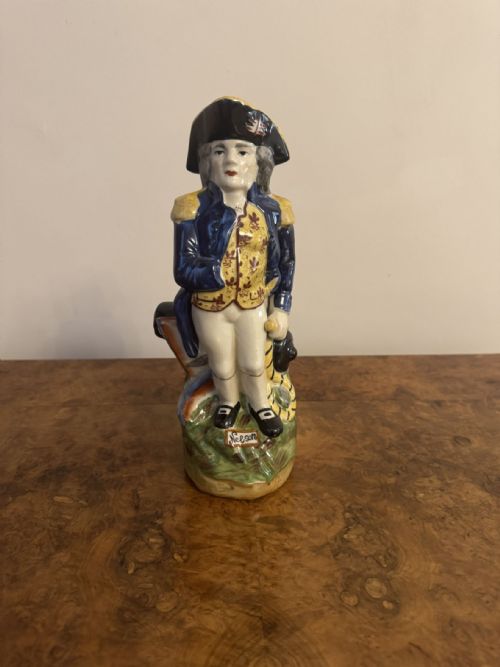
- A pottery jug modelled as a full-figured, cheerful eighteenth-century gentleman holding a mug of beer and a pipe. These figural pieces form a distinct subcategory of Staffordshire ceramics.
- Delftware
- Tin-glazed earthenware produced in the Netherlands and England, featuring an opaque white surface painted with blue designs inspired by imported Chinese porcelain.
Blue Ceramic Jug: Frequently Asked Questions
How do I date a blue ceramic jug?
Dating relies upon examining the ceramic body, glaze characteristics, and any factory stamps or registration marks on the base. Stylistic clues such as the boldness of the transfer print or the presence of a pewter lid also help narrow the period.
Earlier pieces from the seventeenth and eighteenth centuries typically feature salt-glazed stoneware or tin-glazed earthenware bodies, while nineteenth-century items more commonly utilise ironstone or flow blue earthenware.
Were these jugs used for dining or display?
Most of these vessels started as functional household items intended for pouring milk, water, or beer at the table. Larger examples served as ewers paired with basins for washing.
Over time, many utilitarian jugs transitioned into decorative display pieces due to their striking cobalt designs and sculptural forms. Figural Toby jugs and puzzle jugs were often conversational objects used in social settings.
What is the difference between stoneware and ironstone?
Stoneware is a heavy, dense ceramic fired at high temperatures until vitrified, making it naturally waterproof without requiring a fine glaze. Westerwald jugs are classic examples of this durable material.
Ironstone is a patented type of earthenware developed to be hard and robust, bridging the gap between heavy pottery and expensive porcelain. It formed the sturdy base for many nineteenth-century patterned jugs.
How should I clean an antique jug?
Wash antique ceramics gently by hand using lukewarm water and a mild detergent, avoiding harsh scrubbing or soaking. Older glazed surfaces can develop crazing, which absorbs dirty water if left submerged.
Keep antique jugs away from modern dishwashers and sudden temperature changes to protect the historic glaze and any delicate applied handles.