
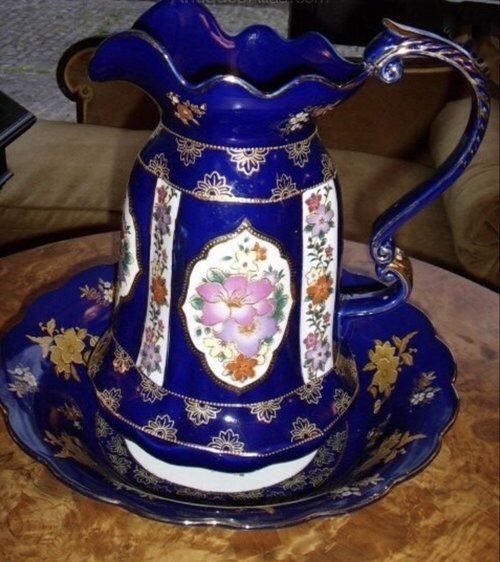


Vintage Decorative Water Jug
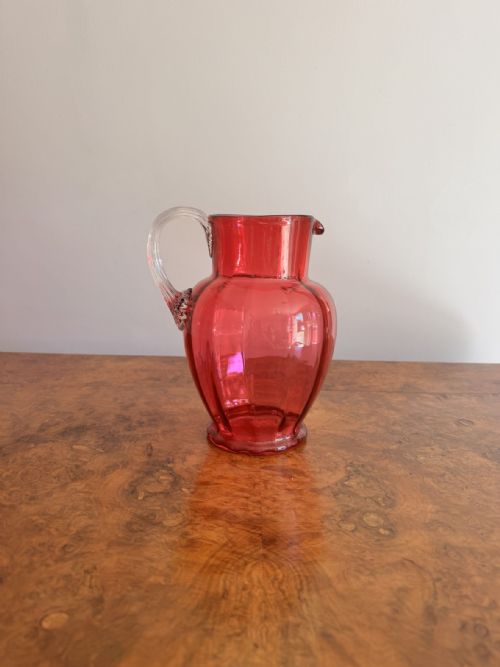
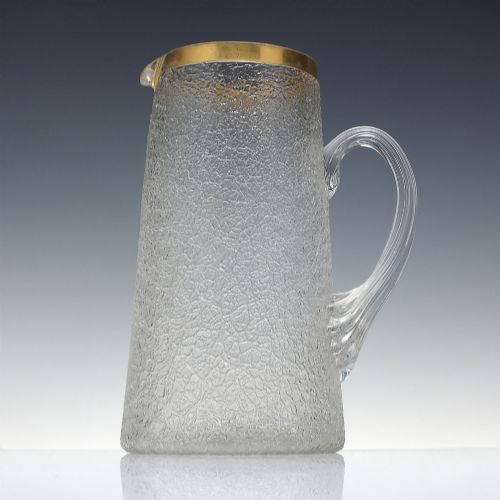
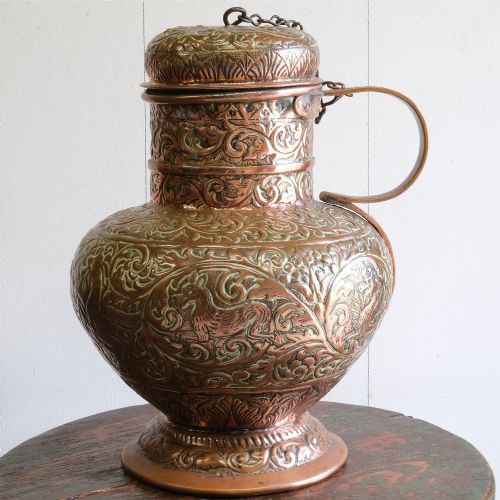
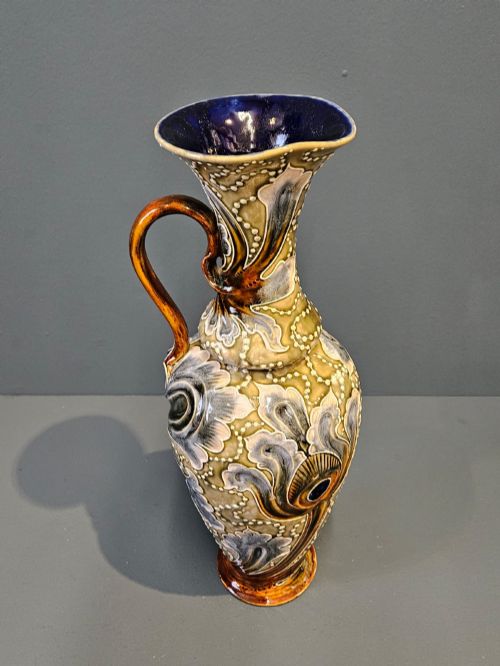
These vintage decorative water jugs bring tactile weight and historic form to a room, ranging from robust copper vessels to delicate porcelain ewers.
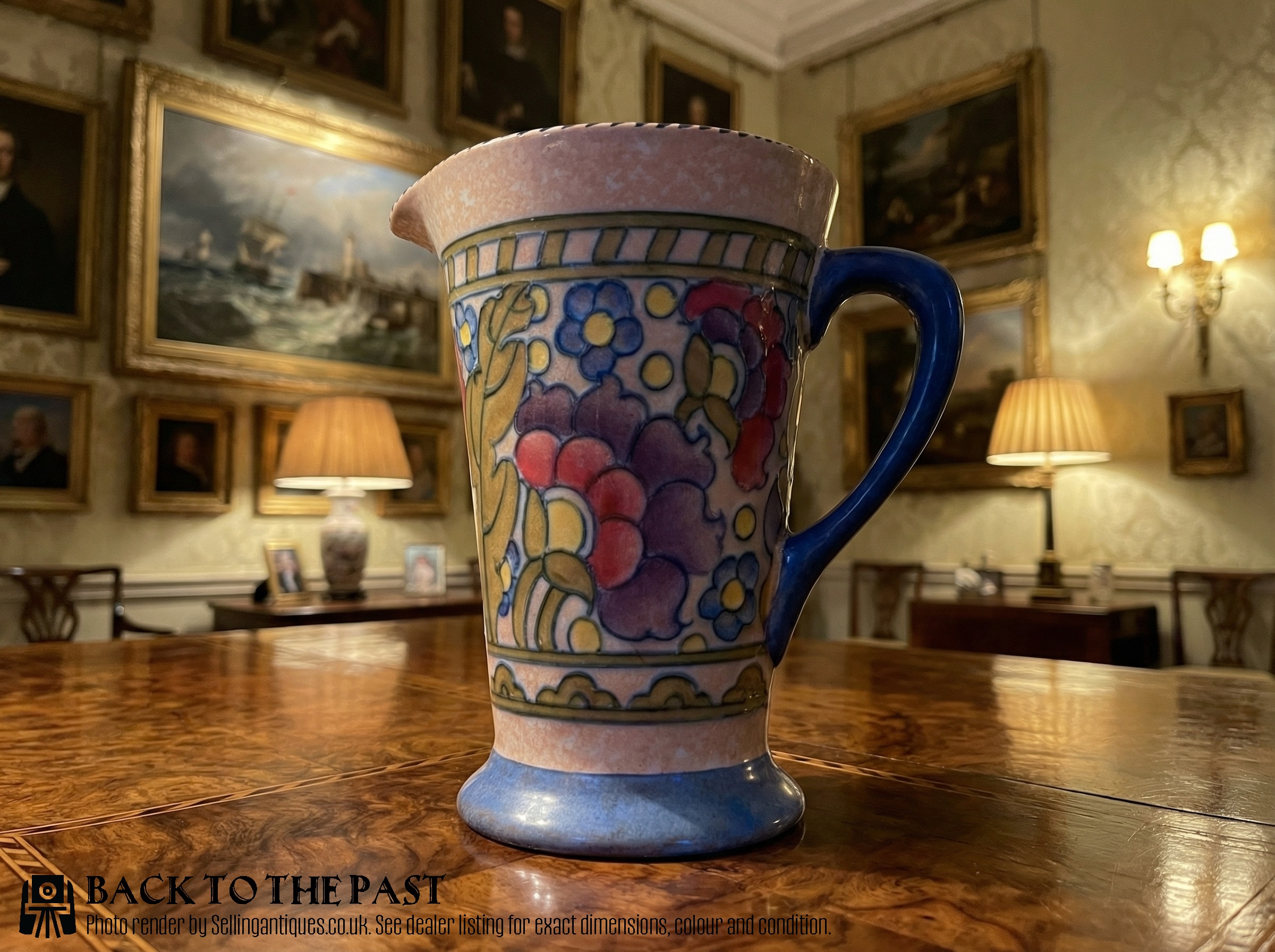
Vintage Decorative Water Jug
A vintage decorative water jug encompasses utilitarian pouring vessels transformed into ornamental objects across the eighteenth, nineteenth, and early twentieth centuries. The selection here leans heavily towards Victorian and Edwardian examples, spanning robust stoneware ewers, copper serving vessels, and printed earthenware pitchers.
Makers utilised these pieces for washstands, table service, and interior decoration, resulting in forms from simple stoneware jugs to ornate Victorian Rococo Revival ewers. Buyers find everything from utilitarian salt-glazed storage vessels to cabinet porcelain and decorative brassware.
Originating across English potteries and continental workshops, these items reflect changing domestic habits and interior tastes. The inventory includes specialised forms such as washstand sets, commemorative jubilee pieces, and sculptural porcelain figures holding water vessels.
Materials and Construction Techniques
Pottery and ceramic pieces rely on clay bodies including stoneware, earthenware, ironstone, and porcelain, shaped on the wheel or pressed into moulds. Surfaces frequently feature cobalt blue glaze, enamel colours, and applied transfer prints.
Metal vessels combine heavy copper, brass, and silver, shaped through beating, spinning, and soldering with riveted handles. Artisans finished these with polished metallic sheens or applied gold leaf highlights.
Decorative detailing incorporates salt glazing, majolica lead glazes, and overshot glass techniques. Specialised makers added structural elements like hinged lids and applied sculptural motifs.
A porcelain lady figurine permanently holds her tiny decorative jug, entirely immune to the daily scramble for washing water.
Evaluating Quality and Execution
Quality rests in the crispness of the moulding, the depth of the glaze, and the structural integrity of the handle and spout attachment. Heavier gauge metals and well-balanced ceramic forms demonstrate superior workshop standards.
The sophistication of the surface decoration separates standard production from exceptional examples, seen in hand-painted floral details, clean transfer printing, and rich cobalt coloration. Stamped factory marks and named potteries indicate higher provenance.
Doulton Lambeth·Royal Doulton·Royal Dux·Royal Worcester·Mason's·Spode·Charlotte Rhead·H F Fearncombe & Co
The Vintage Decorative Water Jug Glossary
- Ewer
- A large jug with a wide spout and curved handle, traditionally used for holding water alongside a matching washbasin.
- Majolica
- A type of earthenware coated in an opaque tin glaze and decorated with vibrant metallic oxide colours.
- Stoneware
- A heavy, dense ceramic fired at high temperatures until vitrified, making it impermeable to liquids without requiring a glaze.
- Ironstone
- A durable type of British pottery developed as a tough alternative to porcelain, often featuring heavy moulded details.
- Salt Glaze
- A glossy, slightly textured finish achieved by throwing common salt into the kiln during high-temperature firing.
Vintage Decorative Water Jug: Frequently Asked Questions
How do I clean a antique metal jug?
Dust the surface regularly with a soft, dry cloth to prevent the accumulation of grime.
Avoid abrasive metal polishes that can strip original patination from copper and brass surfaces.
Can I use these jugs for fresh flowers?
Many ceramic and metal jugs hold water safely for display purposes.
Inspect glazed interiors for hairline cracks before filling older earthenware or unglazed stoneware.
What is a washstand set?
A washstand set pairs a large water jug with a matching bowl for bedroom hygiene before indoor plumbing.
Individual pieces often survive independently from their original bedroom furniture suites.
How do I date a ceramic jug?
Look for impressed factory marks, registration numbers, and stylistic clues like Victorian or Arts and Crafts motifs.
Clay body weight and glaze characteristics also help narrow down the period of manufacture.