


Antique Ceramics Collection
These pieces gather centuries of skilled firing and painting, bringing focused displays of ceramic history directly to your shelves.
Antique Ceramics Collection
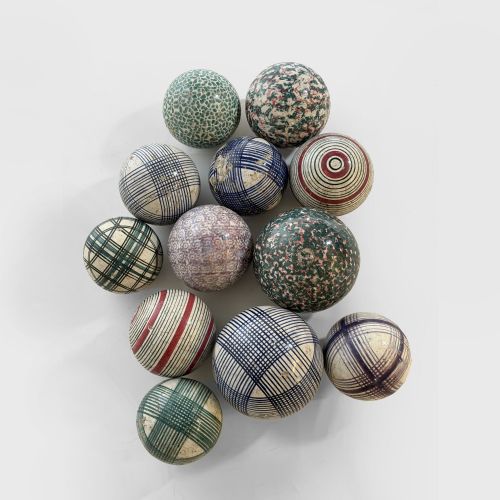
An antique ceramics collection brings together diverse fired objects, ranging from domestic ware to decorative display pieces. You will find groupings assembled over decades, uniting themed plates, figures, and vessels.
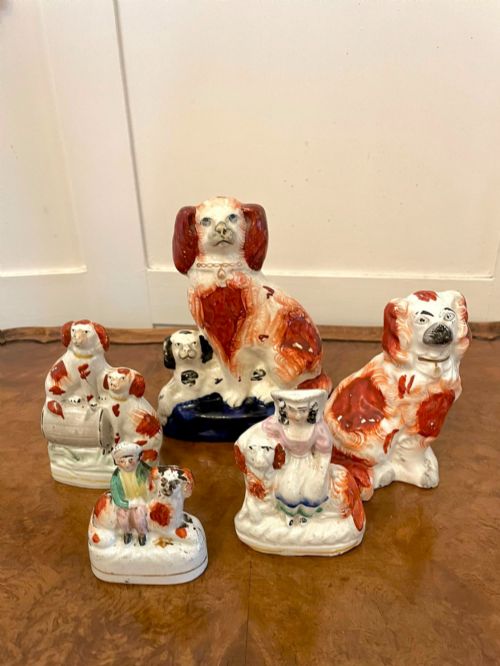
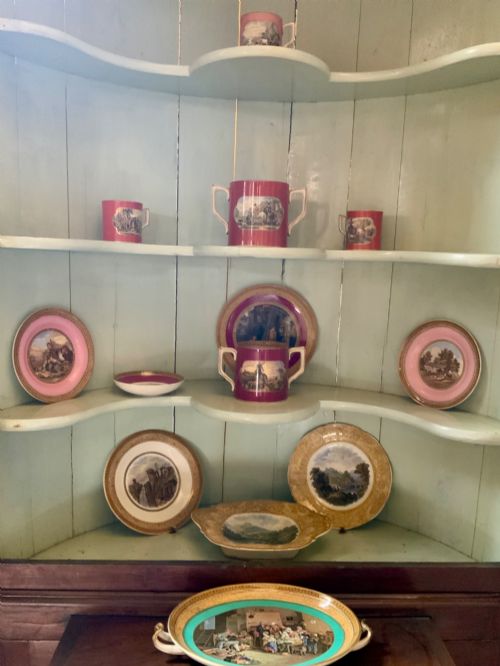
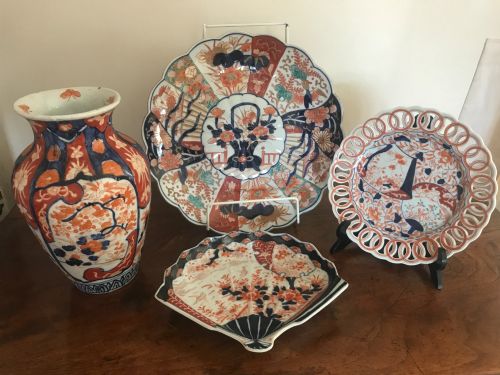
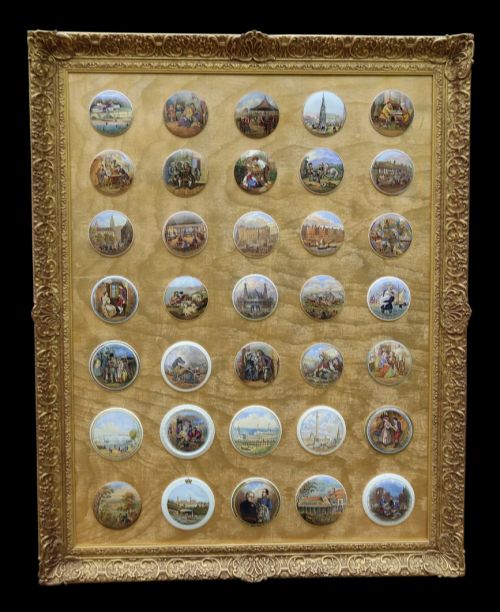
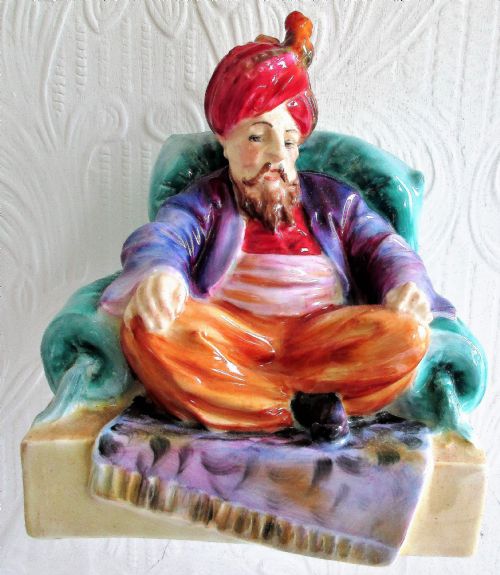
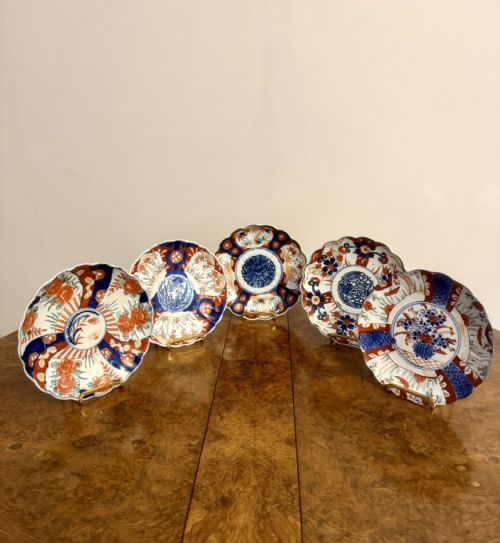
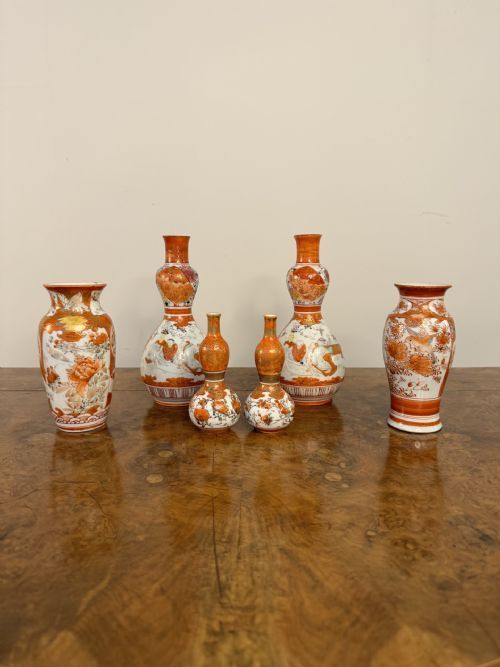
The versions most common here include groupings of Japanese Imari plates and vases alongside English Staffordshire figures and Pratt Ware lids. These assembled sets offer a comprehensive view of specific potteries and periods.
Spanning from the eighteenth century through the art deco era, these groupings reflect distinct regional aesthetics and domestic habits. Each gathered set demonstrates the prevalent tastes of its specific period of manufacture.
Materials and construction methods
Makers utilised fine porcelain, earthenware, and ceramic bodies shaped by hand or moulded into complex forms. Potters applied rich glazes, enamel colours, and occasional gold leaf highlights before high-temperature firing.
Surface decoration involved careful hand painting or transfer printing, particularly visible on plates, tiles, and pot lids. Artisans achieved vibrant cobalt blues, iron reds, and intricate polychrome details through successive kiln firings.
Materials documented across items include porcelain, earthenware, enamel, gold leaf, and wood.
Distinctions in quality and execution
Quality rests upon the crispness of the moulded form and the precision of the hand-painted details. Superior examples display balanced composition, controlled glaze application, and sharp transfer prints without blurring.
The cohesion of an assembled group dictates its overall standing, with matched sets commanding greater interest than miscellaneous lots. Uniformity in colour depth and consistency across all items mark the superior gatherings.
Royal Doulton·Doulton Burslem·Doulton Lambeth·Thomas Wolfe·Herend·Wedgwood·Charlotte Rhead·Worcester·Spode
The Antique Ceramics Collection Glossary
- Imari
- A style of Japanese export porcelain characterised by underglaze blue and overglaze iron red, gold, and green. These pieces were widely produced during the Edo and Meiji periods.
- Pratt Ware
- English earthenware produced during the nineteenth century, known for multi-coloured underglaze decoration on pot lids and jars. The technique created bright, durable pictorial surfaces.
- Jasperware
- A fine stoneware developed by Josiah Wedgwood, featuring matte relief figures applied against a contrasting coloured background. It typically emulates classical neo-classical motifs.
- Famille Verte
- A Chinese porcelain palette dominated by green enamel overglaze colours, developed during the Qing dynasty. These wares often depict elaborate court scenes and natural subjects.
- Scale Pan
- A ceramic weighing dish utilised in commercial scales during the nineteenth century. They frequently bear painted retail inscriptions or numerals.
Antique Ceramics Collection: Frequently Asked Questions
How do I display antique ceramics safely?
Support heavier vessels with secure wall brackets or dedicated display stands to prevent tipping. Keep groupings away from direct sunlight to preserve the vibrancy of enamel colours.
Ensure shelves are level and stable, particularly when exhibiting collections of plates or delicate figurines. Adequate spacing between pieces prevents accidental chipping during cleaning.
What defines Japanese Imari porcelain?
Imari wares originate from the Arita region and feature a distinctive palette of underglaze blue, iron red, and gilding. Artisans applied these pigments over a white porcelain body to create intricate floral and geometric designs.
Production spanned multiple centuries, adapting traditional patterns for both domestic Japanese use and European export markets.
How can I identify Staffordshire figures?
Staffordshire figures typically consist of earthenware pottery modelled as animals, people, or historic scenes. They are hand-painted with underglaze colours and often feature high-gloss lead glazes.
Most date from the nineteenth century and were produced by numerous potteries in the Staffordshire region for mantelpiece display.
What is Pratt Ware?
Pratt Ware refers to English earthenware produced with specific multi-coloured underglaze printing techniques. The method was widely used for decorative pot lids, jars, and plaques during the Victorian era.
These pieces capture contemporary historical events, portraits, and landscapes in miniature, utilising a stable palette that resisted fading.