


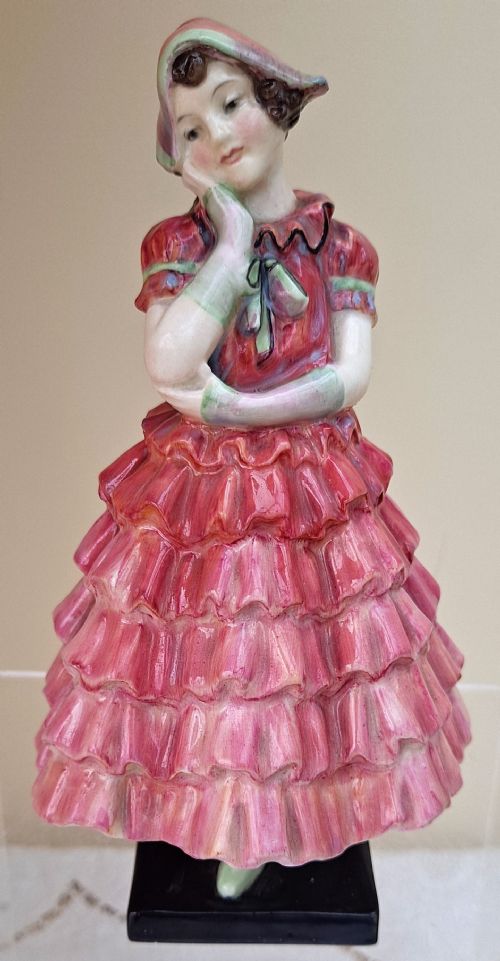

1930s English Art Pottery
These pieces of 1930s english art pottery bring the vibrant geometry of Art Deco into daily spaces through distinct glazed ceramics and porcelain.
1930s English Art Pottery
Collectors seeking 1930s english art pottery encounter an array of vases, decorative ornaments, tea sets, and bowls defined by the Art Deco style. The items span decorative chargers, jugs, table lamps, and plates produced during an era of bold design experimentation.
Most pieces on this page emerge from the 1930 period, featuring characteristic earthenware, ceramic, and porcelain bodies shaped into functional and ornamental forms. Table lamps and tea sets sit alongside large bowls and chargers to represent the domestic output of the decade.
How They Were Made
Potters shaped earthenware, stoneware, and porcelain bodies before applying complex glazes, enamel, and salt-glazed finishes. Many examples utilise tubelined design techniques to raise patterns from the ceramic surface before firing.
Makers combined traditional ceramic forming with decorative surface treatments, ranging from hand-painted motifs to lustrous glaze effects. Occasional fabric components appear on table lighting elements alongside the primary ceramic structures.
1930s English Art Pottery Retail Price Guide 2026
Typical asking prices for 1930s english art pottery among the pieces listed under this phrase on Sellingantiques today, from the lower quarter to the upper quarter. They describe what is for sale here now, not the wider market.
Tea for two sets ensured nobody had to drink alone while admiring their bold geometric glazes.
What Varies in Quality
The standard of 1930s english art pottery rests upon the clarity of the design application and the complexity of the glaze work. Pieces with intricate tubelined patterns or rich lustre finishes demand greater skill in execution than plain glazed surfaces.
Scale and proportion distinguish the range, with large chargers and expansive bowls showing the decorator's ability to balance pattern across a wide ceramic canvas. Marked and signed works carry the tangible assurance of named designers and established potteries.
Clarice Cliff·Maling·Charlotte Rhead·Crown Ducal·Denby Ware·Bursley Ware·Royal Doulton·Moorcroft
The 1930s English Art Pottery Glossary
- Art Deco
- A design style of the 1920s and 1930s characterised by geometric shapes, stylised motifs, and vibrant colours. It influenced all forms of decorative art during the period.
- Tubelined
- A ceramic decoration technique where a thin line of clay slip is squeezed onto the body to create raised outlines for enamel colours. This method creates a distinct tactile boundary between pattern segments.
- Earthenware
- Porous pottery fired at lower temperatures, requiring an impermeable glaze to hold liquids. It forms the foundation of many domestic vessels and decorative objects from the era.
- Lustre
- A type of metallic glaze that produces an iridescent sheen when fired in a reduced oxygen environment. Potters utilised this effect to catch light across vase surfaces.
- Charger
- A large decorative plate intended for display rather than dining use. These pieces often showcase the most ambitious pattern work of a pottery.
1930s English Art Pottery: Frequently Asked Questions
How do I identify a Charlotte Rhead piece?
Charlotte Rhead pieces typically display characteristic tubelined patterns with signature designs such as Byzantine, Arabesque, or floral motifs. Look for her painted or printed signature alongside factory backstamps on the underside.
Her work for potteries like Crown Ducal and Bursley Ware reflects the distinct hand of a master designer operating within the Art Deco idiom.
What is a tubelined Art Deco design?
Tubelined decoration involves squeezing liquid clay through a nozzle onto the unfired ceramic body to build raised outlines. Artisans then fill the resulting compartments with coloured enamels before glazing.
This technique gives the surface a dimensional quality that distinguishes high-grade art pottery from simple painted ceramics.
Where were these ceramics manufactured?
The pieces originate from major English pottery manufacturing centres, notably the Staffordshire potteries where firms like Royal Doulton and Bursley Ware operated. Other regional works such as Denby Ware produced durable domestic ceramics.
Each manufactory employed distinct clay bodies and glazing traditions specific to its local workforce.
How should I display a large decorative charger?
Large chargers require secure wall mounting brackets or sturdy display stands designed to support the weight of heavy earthenware ceramics. Their substantial diameters make them natural focal points in a room.
Position them away from direct foot traffic to protect the glazed and enamelled surfaces from accidental impact.