


Vintage Ceramic Fruit Bowl
A vintage ceramic fruit bowl brings colour and historic weight to a table, offering generous proportions designed to hold fruit or anchor a room.
Vintage Ceramic Fruit Bowl
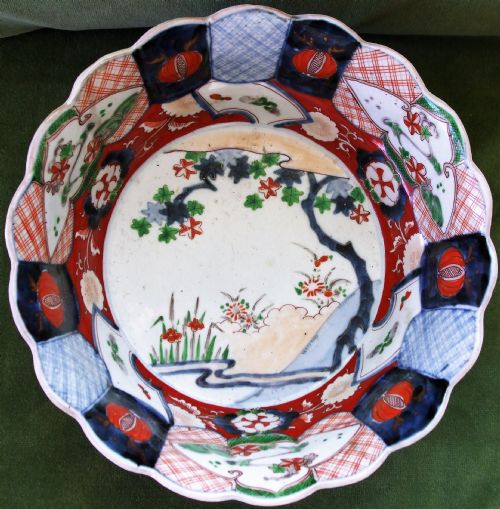
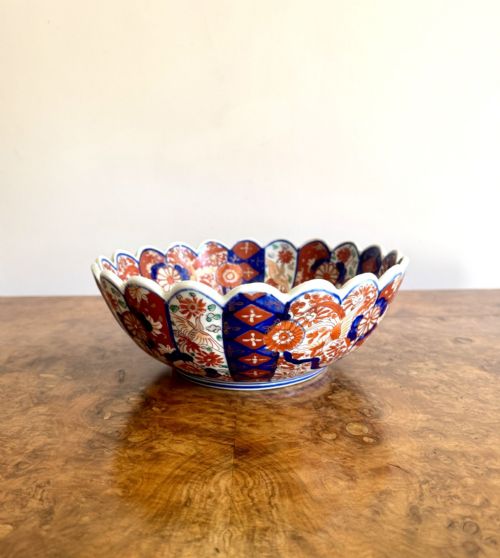
A vintage ceramic fruit bowl encompasses a broad spectrum of decorative vessels, ranging from traditional Japanese Imari scalloped pieces to large English earthenware and porcelain centrepieces. Buyers seeking a vintage ceramic fruit bowl will encounter diverse origins spanning the eighteenth century through to the mid-twentieth century, including Chinese export porcelain, Maling patterns, and Wedgwood lustre wares.
The selection includes specialised forms such as punch bowls, dessert dishes, comport bowls, and chestnut baskets alongside traditional fruit bowls. Pieces hail from distinct stylistic movements, embracing Edwardian presentation items, Arts and Crafts copper and cabochon pedestals, and intricate Victorian centrepieces adorned with applied figures.
Materials and Techniques
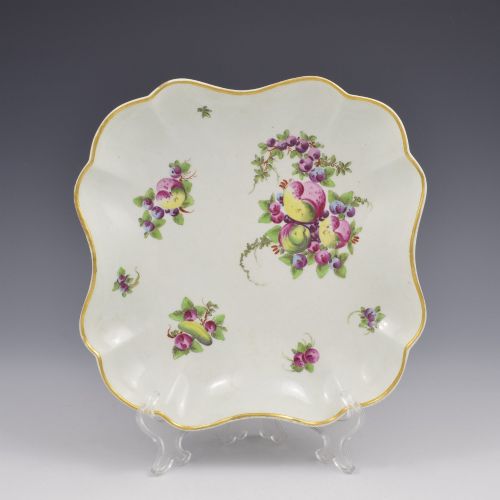
Potters utilised durable earthenware, ironstone, and fine porcelain bodies, applying intricate cobalt blue motifs, transfer-printed river scenes, and rich hand-painted enamels. Many vessels incorporate lustrous glazes, gold leaf highlights, and gilding that catch the light across fluted or lobed rims.
Makers employed specialised throwing, moulding, and firing techniques, sometimes mounting ceramic bowls on metal stands or integrating copper and Ruskin cabochons. Surface decoration ranges from delicate hand-painted fruit and floral studies to bold tube-lined patterns.
The selection spans Georgian, Victorian, and Edwardian periods alongside twentieth-century Arts and Crafts and Art Deco designs.
Judging the Work
Quality rests in the crispness of the moulding, the precision of the hand-painting, and the depth of the glaze. Superior pieces display vibrant, intact enamel colours and securely applied decorative elements without blurring or misregistration in the transfer printing.
The sophistication of the form and the clarity of factory stamps or artist signatures elevate an object's standing. Finer vessels achieve a successful harmony between the body's weight, the complexity of the painted or gilt decoration, and the stability of any pedestal or handles.
Wedgwood·Royal Worcester·Maling·Schierholz Plaue·Mason’s·Moorcroft·Charlotte Rhead Bursley Ware
The Vintage Ceramic Fruit Bowl Glossary
- Imari
- A style of Japanese porcelain decorated in underglaze blue and predominantly red, gold, and green enamel. This vibrant aesthetic influenced European potteries throughout the eighteenth and nineteenth centuries.
- Comport
- A shallow decorative bowl elevated on a foot or pedestal, traditionally used for serving fruit or dessert at the end of a meal. These pieces often feature scalloped edges or pierced galleries.
- Lustre
- A type of ceramic glaze that imparts a metallic sheen through the reduction of metallic oxides during firing. Wedgwood famously utilised this technique to create iridescent orange and mottled surfaces.
- Ironstone
- A type of durable heavy earthenware patented in the nineteenth century to rival true porcelain. It provides a robust body well suited to colourful transfer-printed or hand-painted patterns.
Vintage Ceramic Fruit Bowl: Frequently Asked Questions
What is a vintage ceramic fruit bowl used for?
These vessels were originally manufactured to serve fruit, punch, or sweet desserts at formal dining tables. Today they serve equally well as decorative centrepieces or practical display bowls in domestic spaces.
Their robust ceramic and porcelain construction ensures they withstand everyday use while adding historic character to a room.
How do I date a ceramic bowl?
Dating relies on identifying maker marks, factory stamps, and the stylistic traits of periods like the Edwardian era or the eighteenth century. Examining the glaze type and manufacturing method also provides strong clues.
Comparing the decorative motifs, such as transfer-printed scenes or hand-painted fruit, against known factory production windows helps narrow down the year of creation.
Are these bowls safe for holding fruit?
Most antique and vintage ceramic vessels are entirely suitable for holding dry fruit or functioning as decorative table ornaments. Glazed ceramic and porcelain surfaces provide a stable, cleanable layer for everyday display.
Care should be taken with older gilt or hand-painted pieces to avoid abrasive cleaning that might damage the historic surface decoration.