


Decorative Earthenware Dish
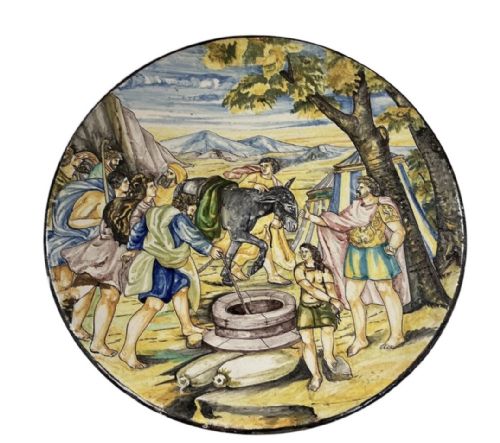
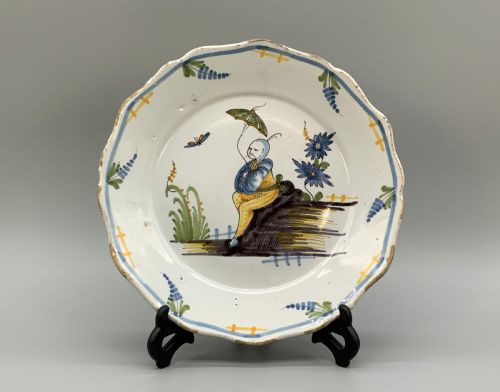
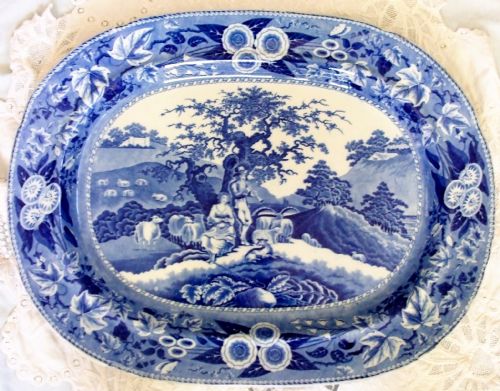
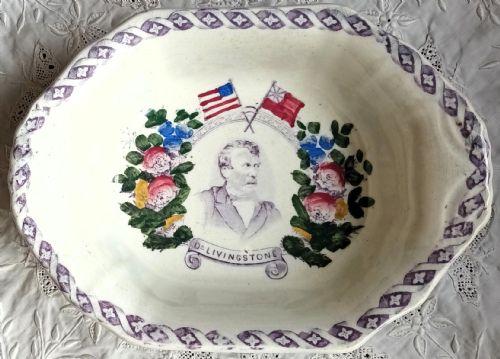
When you search for a decorative earthenware dish, you are looking at tin-glazed chargers, slip-painted bowls, and transferware platters made to be displayed.
Decorative Earthenware Dish
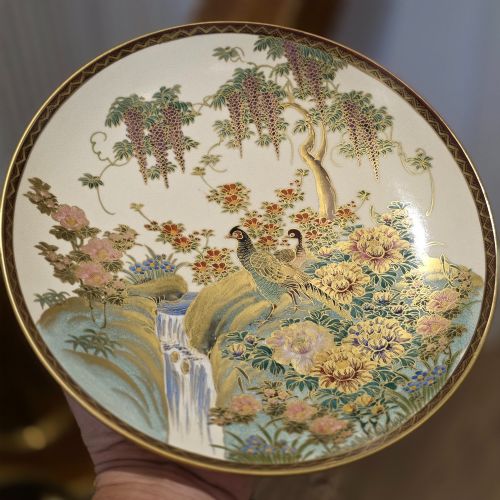
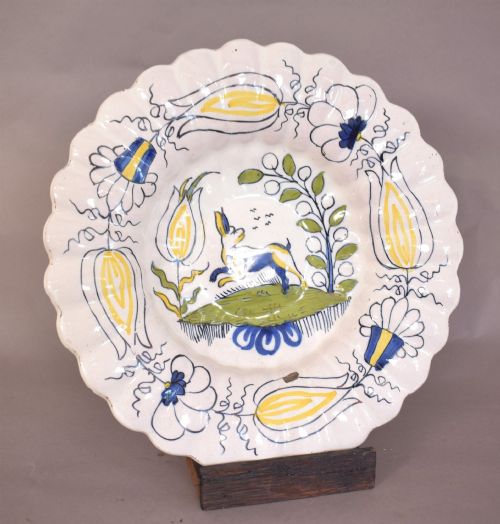
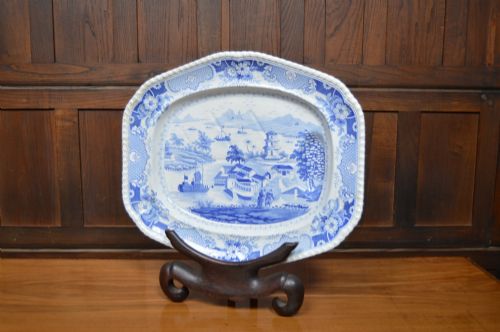
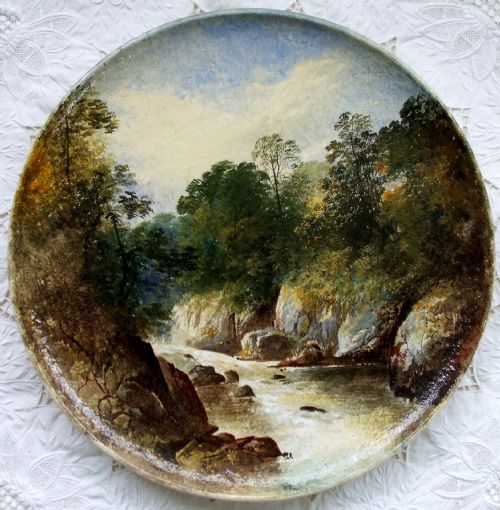
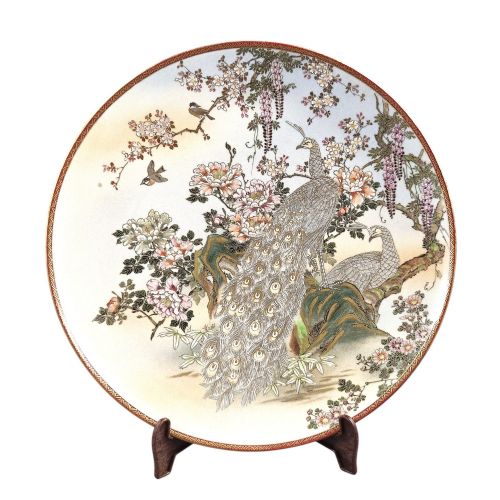
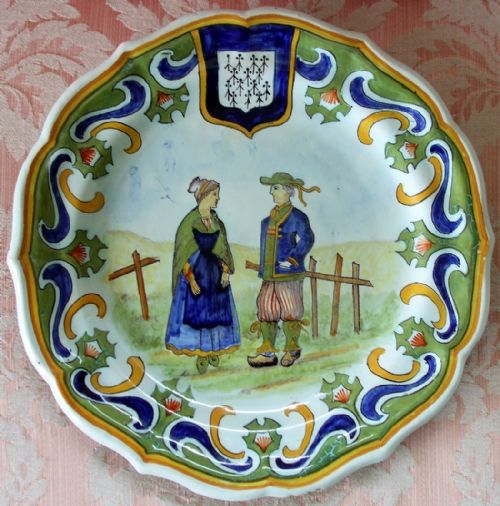
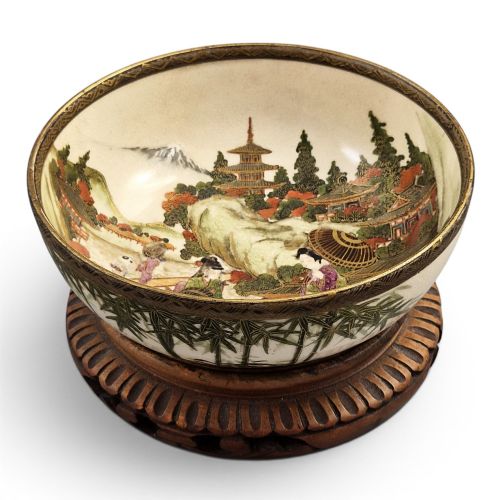
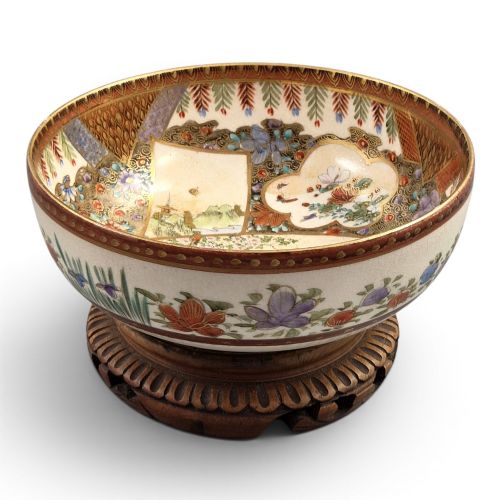
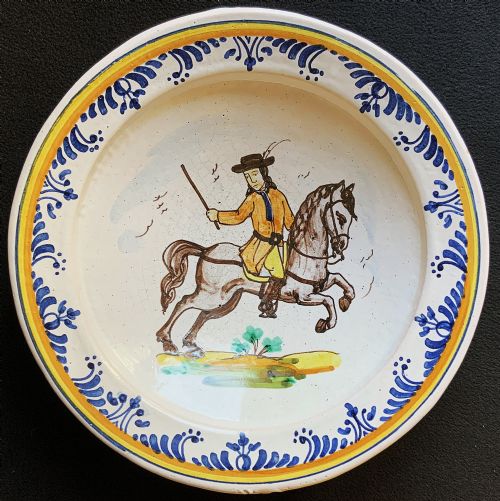
A decorative earthenware dish encompasses a diverse group of ceramic objects, from large chargers and comports to commemorative plaques and shallow bowls. The selections on this page span several centuries, including 18th-century Delft chargers, Victorian transferware platters, and Meiji period Satsuma bowls.
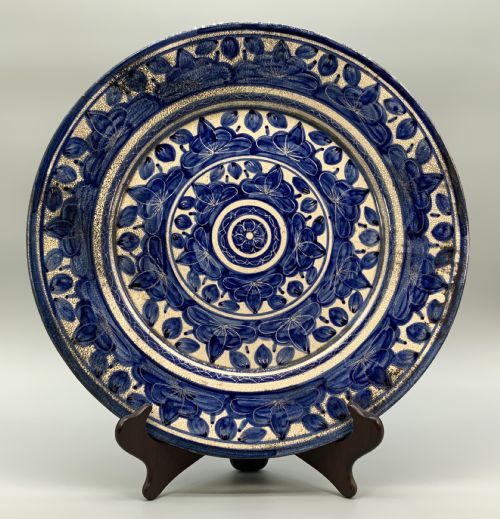
Buyers will encounter various regional traditions, such as English transferware, French faience, Italian maiolica, and Japanese earthenware. Forms range from deep chargers intended for display on walls or dressers to plates and bowls utilised for service or ornament.
How they were made
Makers shaped porous earthenware bodies from clay, often coating them in tin glazes or opaque enamel to create a smooth surface for painting. Artisans applied pigments by hand or utilised transfer printing techniques, sometimes incorporating gold leaf or raised moriage details.
Firing took place in kilns at varying temperatures, fixing cobalt blues, manganese purples, and polychrome pigments into the glaze. Potters utilised lead glazes and slip-painting methods across different periods and workshops to achieve durable finishes.
Listings feature earthenware pieces spanning the tenth century through to the Art Deco period, including transferware, majolica, and slip-painted pottery.
What varies in quality
Quality rests in the crispness of the painted or transferred design, the evenness of the glaze, and the skill evident in figural or floral compositions. Master painters working in established studios achieved finer brushwork and more complex layering of pigments than jobbing potteries.
The sophistication of the potting, the clarity of kiln-firing without surface distortion, and the preservation of delicate raised enamels or gilt highlights distinguish superior examples from standard production wares.
Koshida·J.W.R.·William Yale·Gyokkō·Kozan·Mann Co·Toshozan·Nikko·Hododa·Meizan·Stubbs·Clarice Cliff·Charlotte Rhead
The Decorative Earthenware Dish Glossary
- Charger
- A large decorative plate or dish, typically measuring over thirty centimetres in diameter, designed for display on sideboard or wall rather than everyday dining.
- Tin-Glazed Earthenware
- Pottery covered with a glaze containing tin oxide, which fires to an opaque white surface suitable for direct painting in cobalt blue and other colours.
- Transferware
- Ceramic pieces decorated by transferring a printed design from a copper plate onto paper and then onto the unglazed or biscuit-fired pottery.
- Maiolica
- Italian tin-glazed earthenware decorated with colourful pigments, frequently depicting historical, mythological, or botanical scenes.
- Satsuma
- Japanese earthenware pottery featuring a crackle-glaze ivory body, traditionally decorated with intricate enamel patterns and gilt motifs.
Decorative Earthenware Dish: Frequently Asked Questions
How were antique earthenware chargers displayed?
Large chargers were traditionally hung on walls using wire fittings or displayed upright on dressers and sideboards in domestic reception rooms.
Their substantial size and painted pictorial scenes made them prominent decorative statements rather than functional tableware.
What is the difference between Delft and maiolica?
Delft refers to tin-glazed earthenware originating primarily in the Netherlands and England, often featuring blue and white Chinoiserie or floral motifs.
Maiolica is the Italian equivalent, known for its bright polychrome palette and Renaissance-influenced historical or narrative scenes.
How do I care for an earthenware dish?
Earthenware is porous and prone to moisture absorption if the glaze has craquelure or chips, so pieces should be kept dry and dusted gently with a soft cloth.
Hand washing in warm water without harsh detergents is necessary only when required, avoiding soaking altogether.
How can I tell the period of Satsuma pottery?
Satsuma pieces from the Meiji period typically display fine crackle glazes combined with dense polychrome enamel painting and gilt detailing.
Signatures or studio marks painted on the base often help identify specific Meiji-era makers and workshops.