

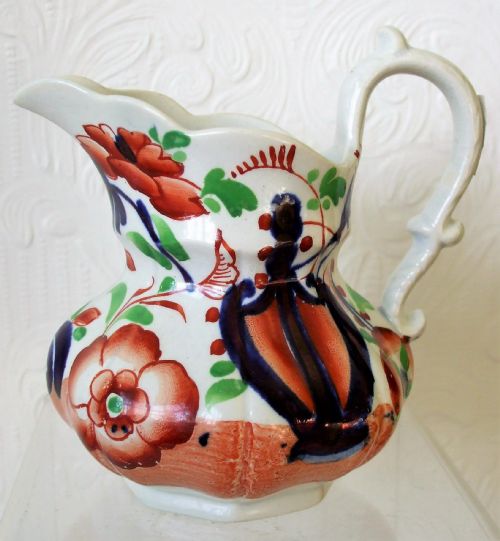


Imari Style Ceramic Pitcher
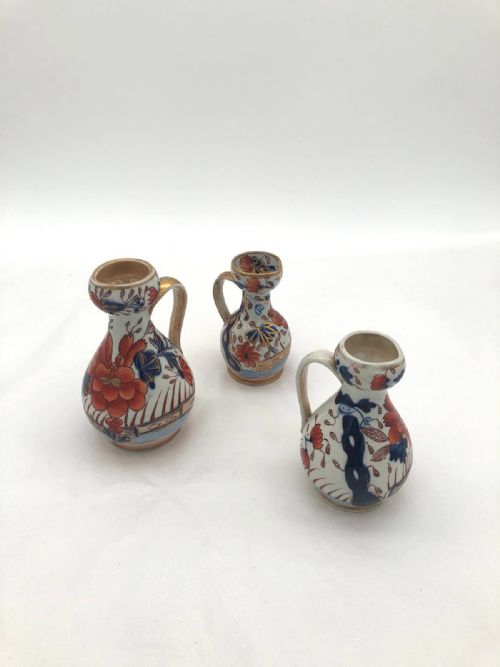
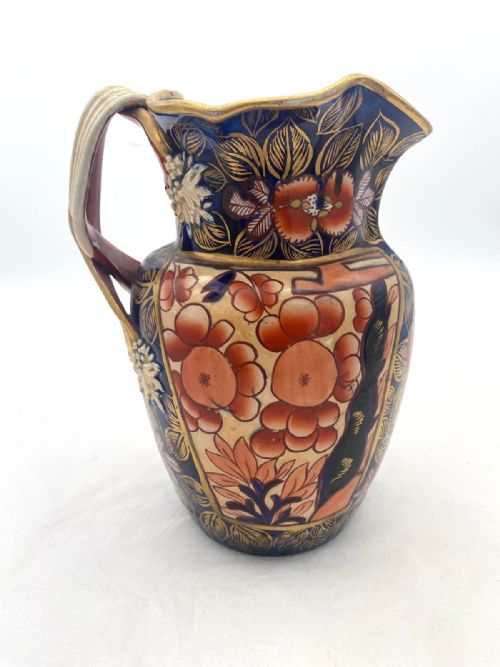
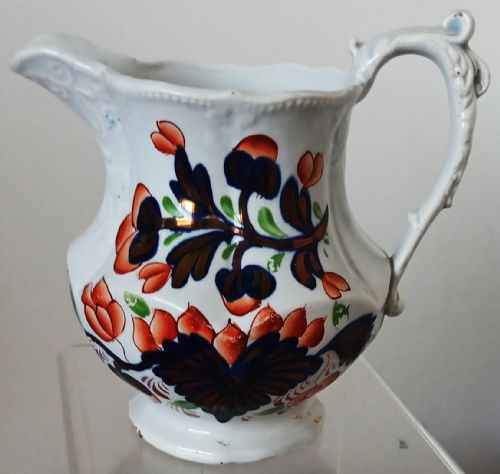
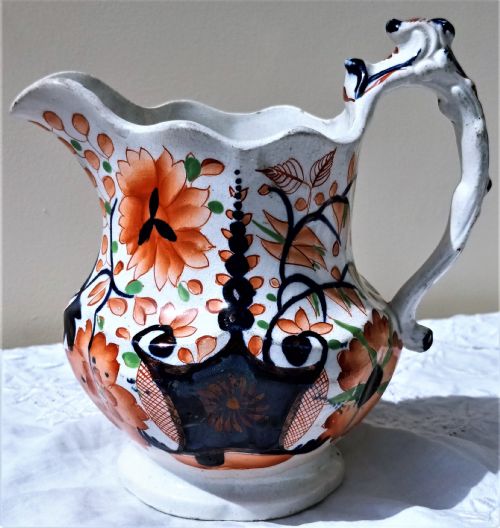
These imari style ceramic pitcher examples bring vibrant enamel palettes and striking patterns to a room, offering a rich history of cross-cultural design.
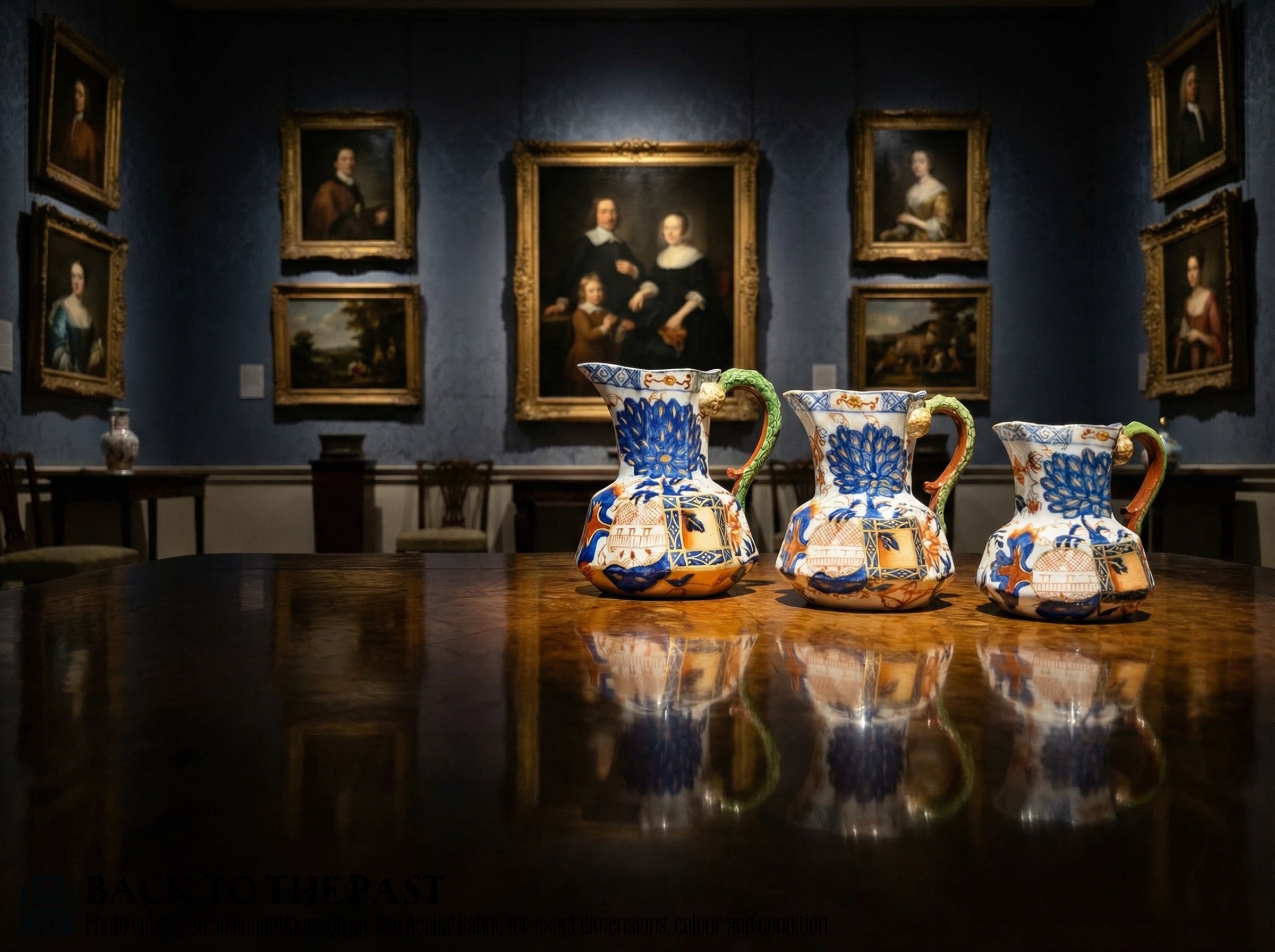
Imari Style Ceramic Pitcher
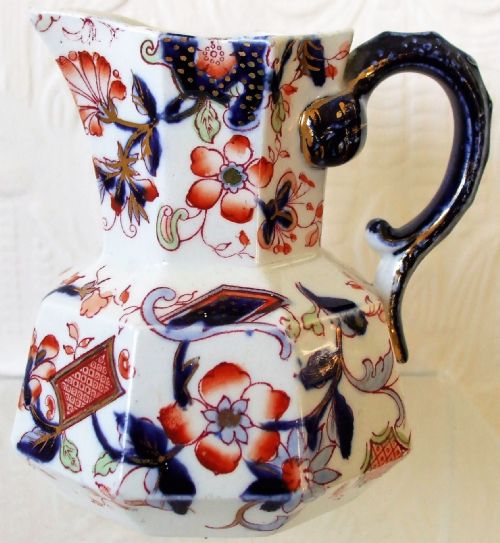
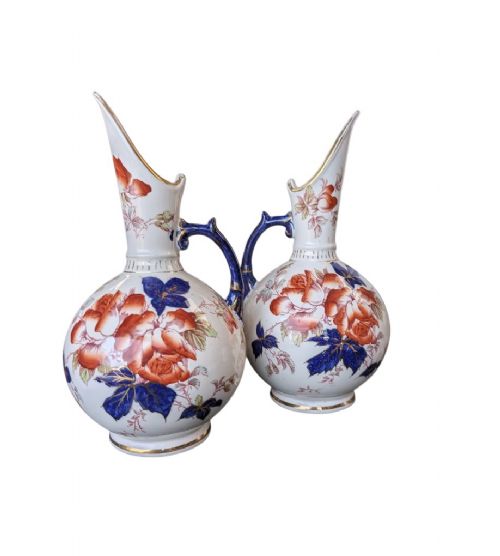
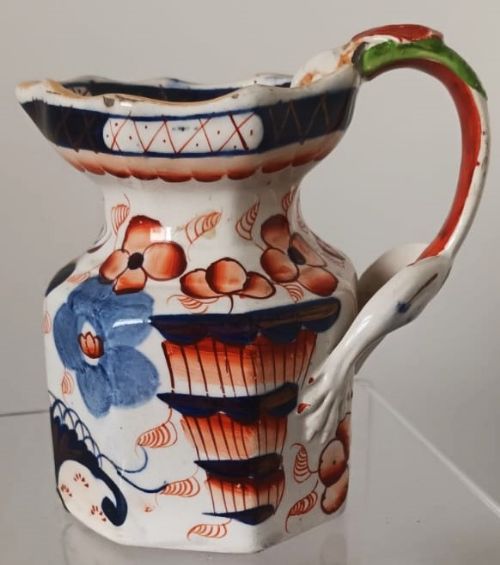
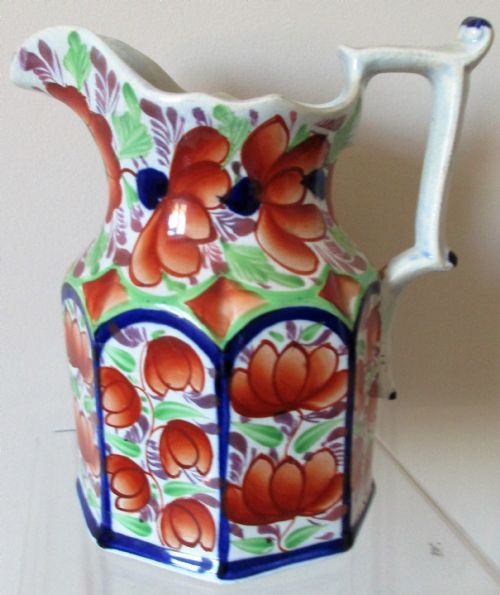
An imari style ceramic pitcher combines bold palettes with intricate motifs, drawing on Japanese Edo period traditions and British pottery practices from the nineteenth century. Buyers searching for an imari style ceramic pitcher typically encounter nineteenth-century British ironstone and earthenware, alongside Japanese examples from earlier periods.
Forms vary from robust jugs and basin sets to octagonal jugs and pouch jugs. These vessels display patterns such as Pagoda, Gwent, and Bethesda, reflecting both domestic Staffordshire production and overseas craftsmanship.
The aesthetic merges cobalt blue underglaze with iron red and gold leaf highlights. This distinctive combination creates a striking visual impact that suits both traditional displays and eclectic interiors.
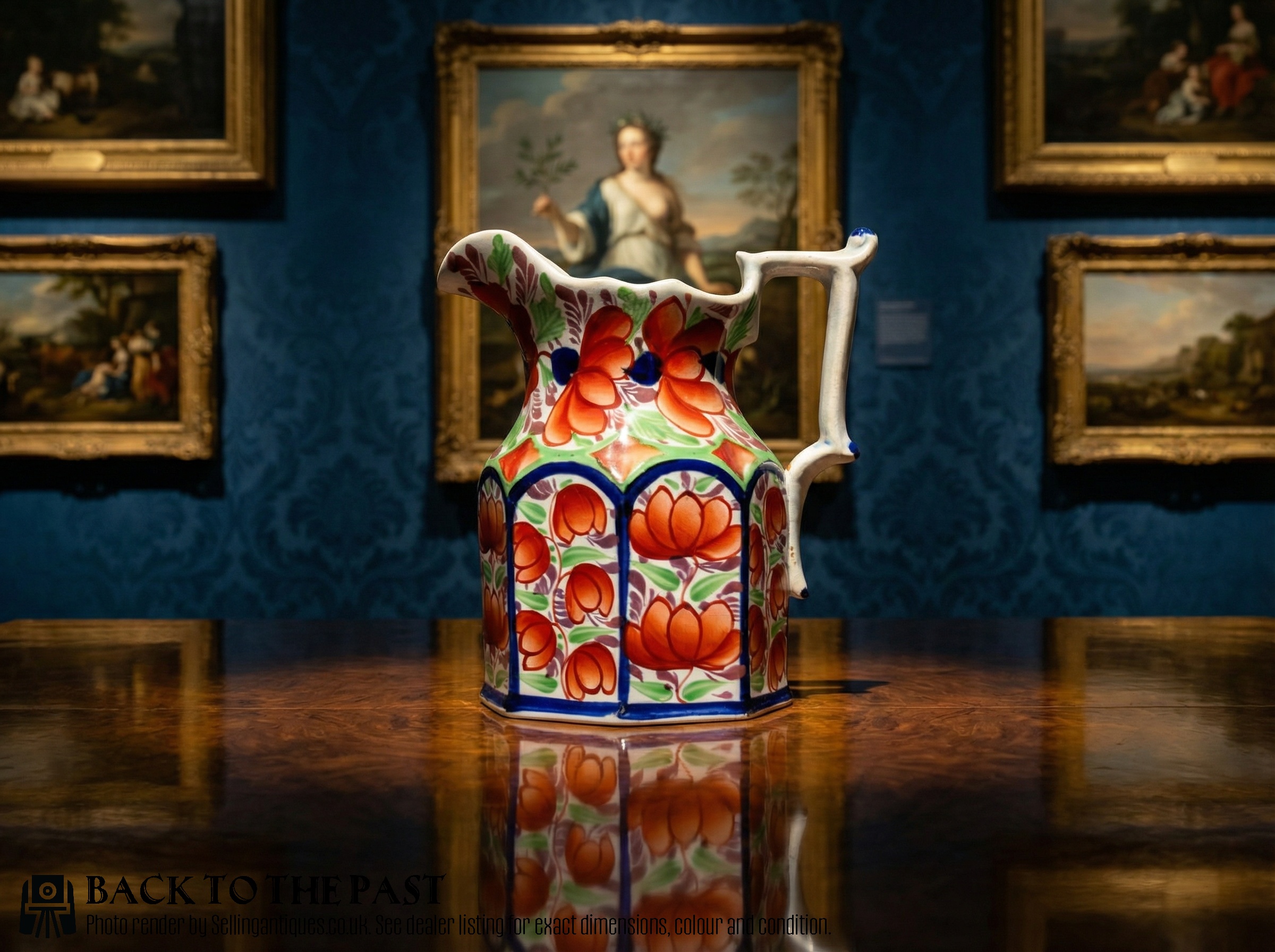
Materials and construction
Makers utilised durable ironstone, earthenware, and porcelain as the structural body for these vessels. These ceramic bases provided a stable surface capable of withstanding high kiln temperatures during firing.
Decoration relied on applied enamel colours and gold leaf over a white glaze. Artisans painted detailed motifs by hand, combining cobalt blue underglaze with vibrant overglaze enamels to achieve the characteristic palette.
Imari Style Ceramic Pitcher Retail Price Guide 2026
Typical asking prices for imari style ceramic pitcher among the pieces listed under this phrase on Sellingantiques today, from the lower quarter to the upper quarter. They describe what is for sale here now, not the wider market.
Some nineteenth-century makers experimented with whimsical pouch shapes, giving traditional jugs an unexpectedly rotund personality.
Factors determining quality
Quality rests in the precision of the hand-painted enamel work and the crispness of the moulded form. Pieces with clean lines, well-defined octagonal facets, and securely adhered gold leaf stand apart from simpler productions.
The depth and vibrancy of the cobalt blue underglaze relative to the overglaze red and gilt details indicate the skill of the decorator. Superior examples maintain clarity in complex patterns such as Pagoda or schoolhouse motifs without blurring.

Keeling and Co.·Davenport
The Imari Style Ceramic Pitcher Glossary
- Ironstone
- A dense, durable type of earthenware patented in the nineteenth century. It provided a robust alternative to true porcelain while accommodating heavy enamel decoration.
- Gilt
- A thin layer of gold applied to the surface of the ceramic. It highlights rims, handles, and pattern details.
- Enamel
- Opaque glass used to add colour over the fired glaze. It creates the vibrant reds, blues, and greens characteristic of these wares.
- Earthenware
- Porous pottery fired at lower temperatures than porcelain. It forms the body of many nineteenth-century domestic jugs.
- Underglaze
- Pigment applied to the ceramic body before the glaze is fired. This technique protects the blue colour from wear during daily use.
Imari Style Ceramic Pitcher: Frequently Asked Questions
Can I use this pitcher for daily service?
Most antique pieces function best as decorative objects or dry display items. The age of the ceramic and the vulnerability of overglaze gilding mean regular use carries risks.
If you choose to serve liquids, inspect the interior glaze first to ensure it remains sound and intact.
What defines the imari aesthetic?
The style originates from Japanese export ware featuring a dominant palette of cobalt blue and iron red, frequently accented with gold. British potteries adopted these striking visual cues during the nineteenth century.
Patterns often incorporate floral motifs, architectural elements, and symmetrical layouts.
How do I distinguish nineteenth-century pieces from earlier ones?
Examine the weight, body material, and style of the mark on the base. Nineteenth-century British examples typically utilise heavy ironstone with Staffordshire-inspired patterns.
Earlier Japanese pieces display distinct potting techniques and body textures characteristic of Edo period production.