
Victorian Water Jug
A victorian water jug brings domestic utility into the nineteenth century with moulded ceramic, blown glass, and gleaming metal.
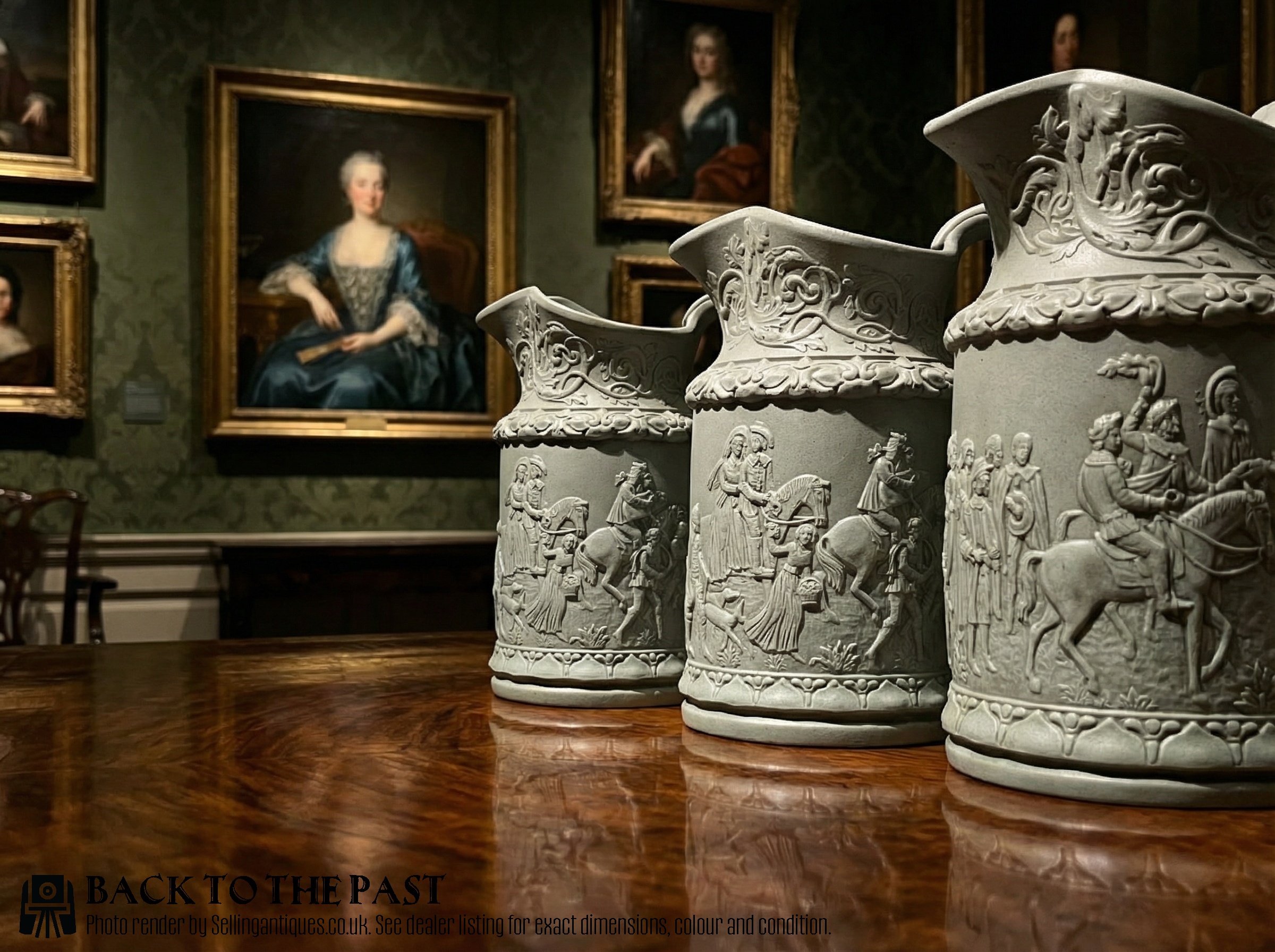
Victorian Water Jug
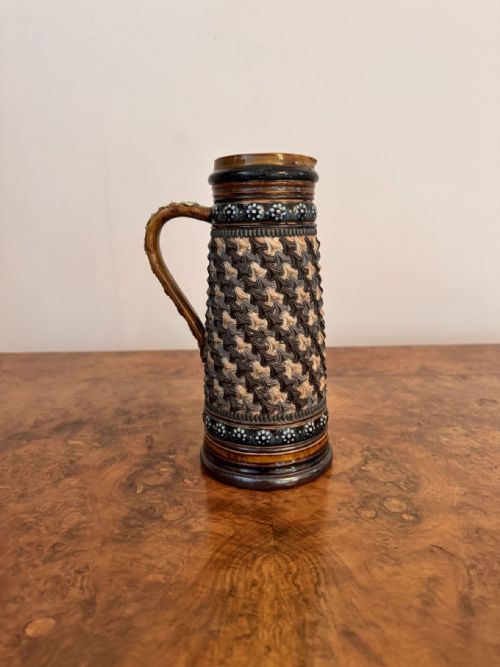
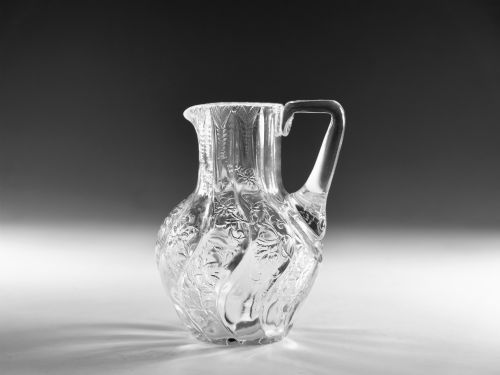
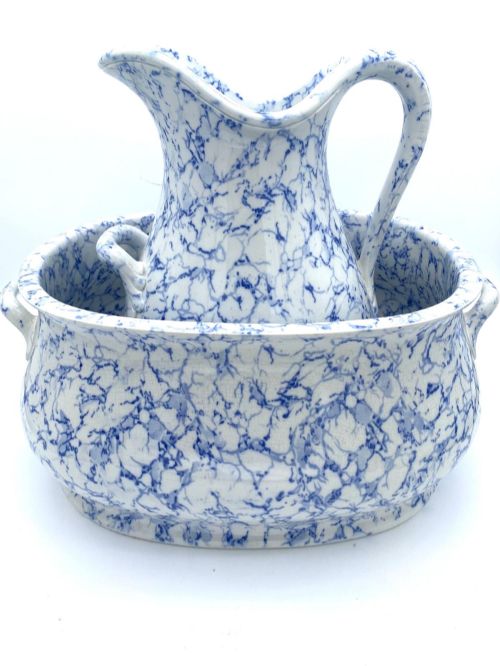
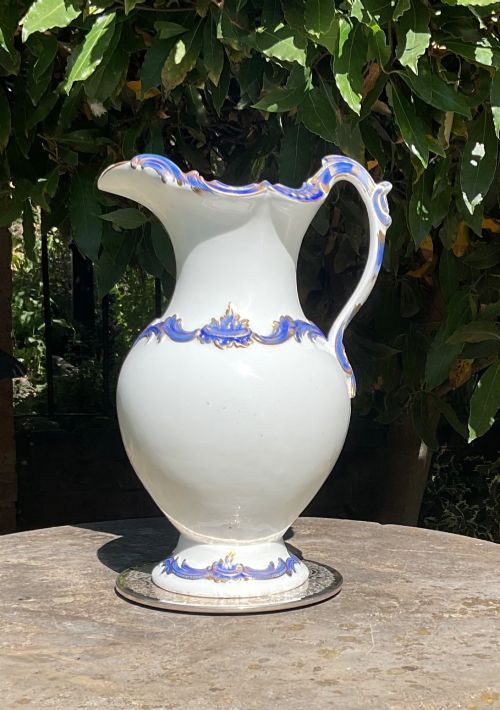
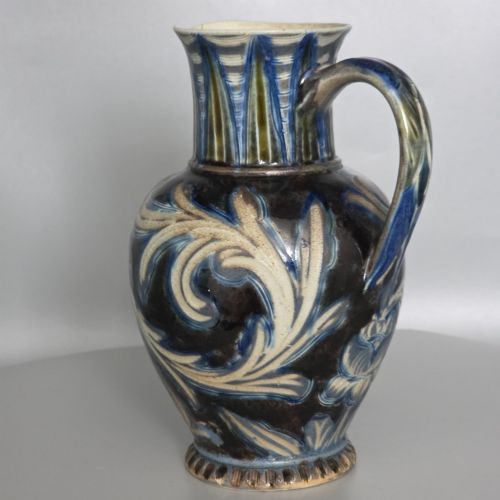
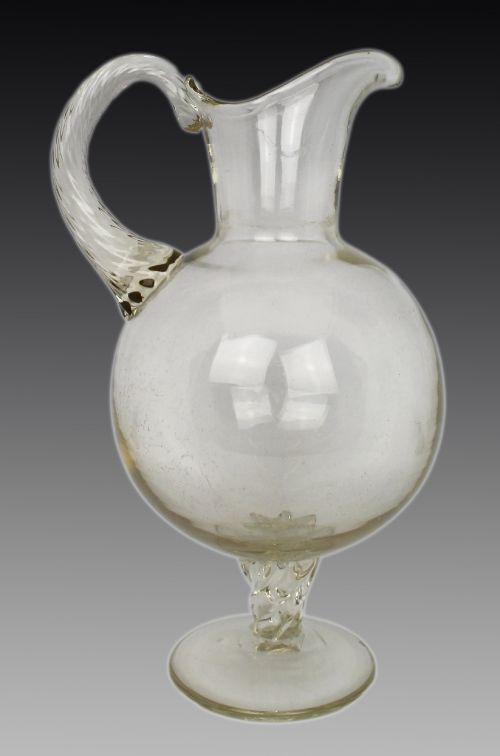
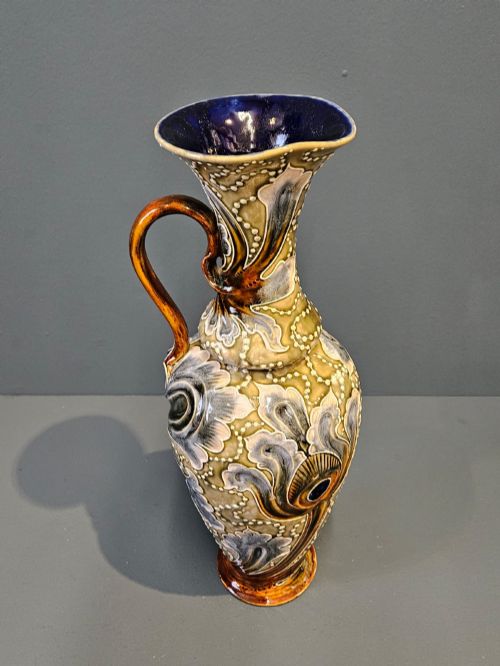
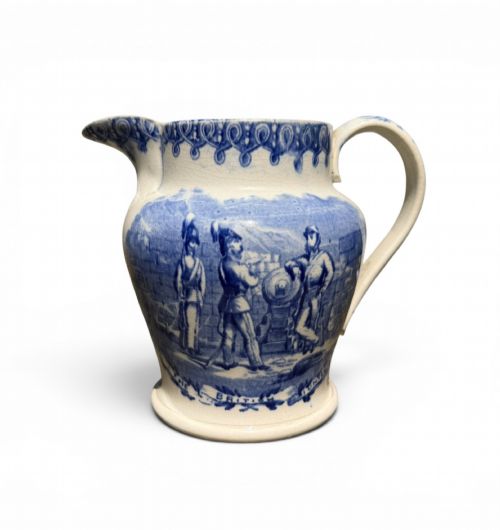
A victorian water jug serves as both a functional vessel for the dining table and a display piece reflecting nineteenth-century design tastes. These items appear across ceramic, glass, and metal mediums, taking forms from simple earthenware pitchers to elaborate ewers.
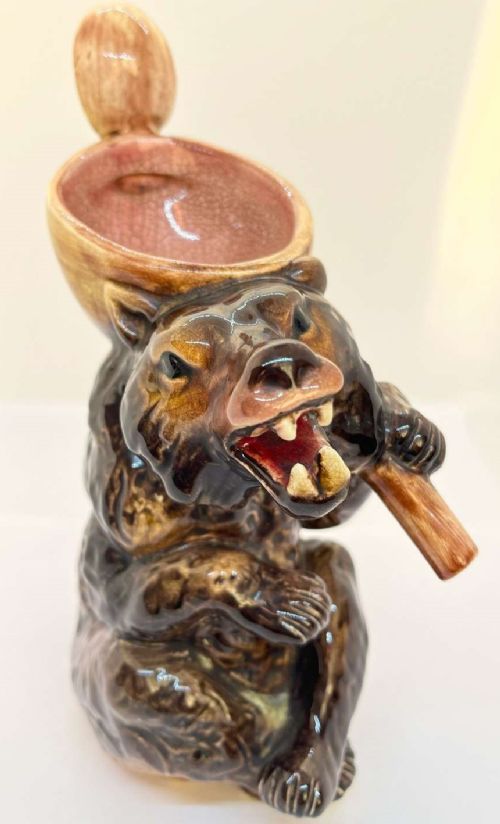
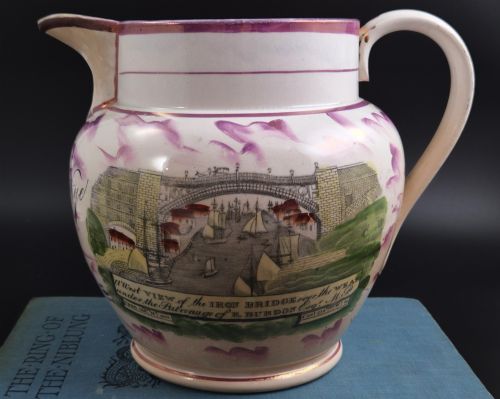
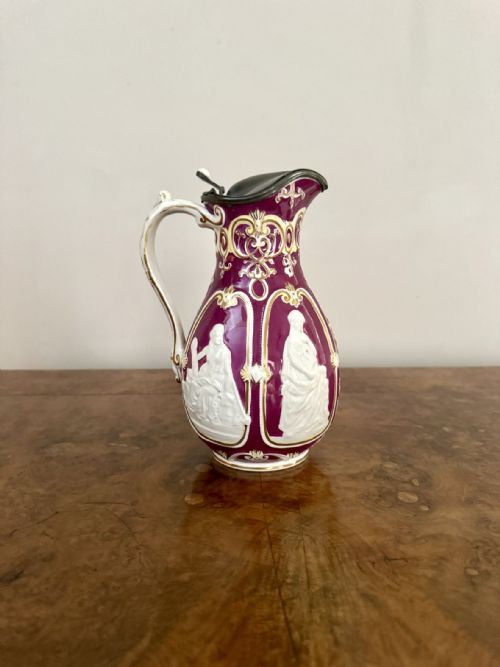
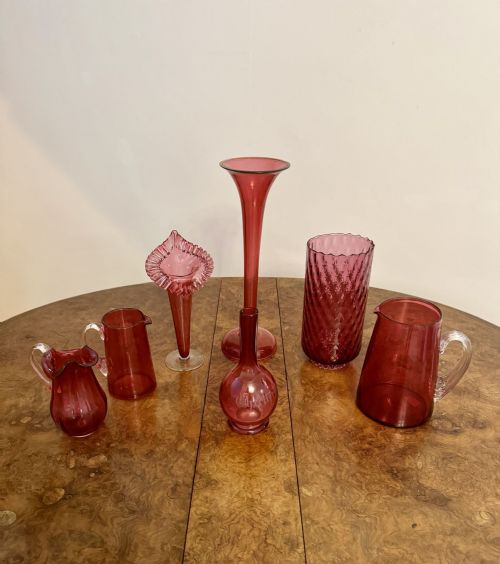
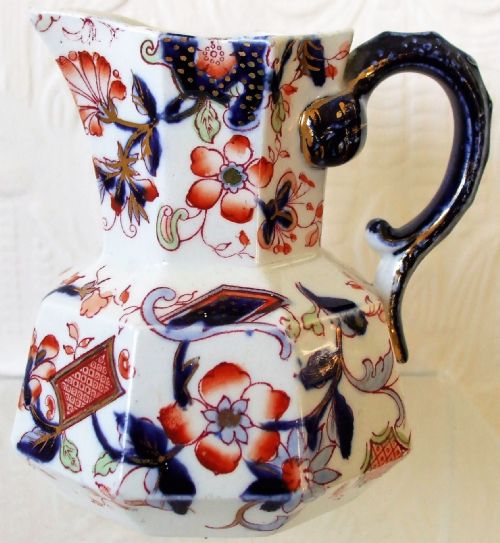
Ceramic examples often display majolica glazes, transfer printing, or relief moulding by major potteries. Glass variants showcase overshot finishes, cranberry hues, or intricate cut and engraved decorations characteristic of the period.
Materials and manufacture
Potters shaped clay bodies using earthenware, stoneware, and porcelain, applying coloured glazes, enamel, or transfer prints before firing. Salt-glazed stoneware vessels frequently received incised patterns and applied ornamentation by hand.
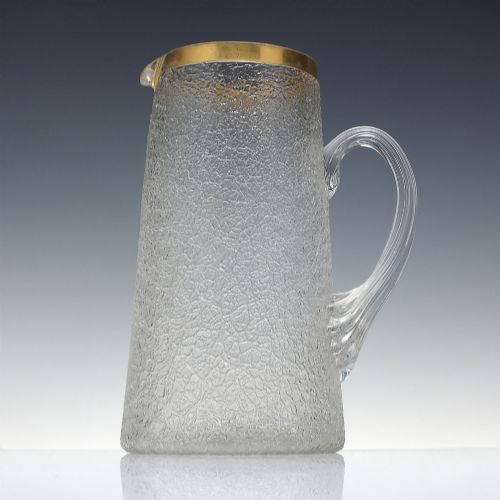
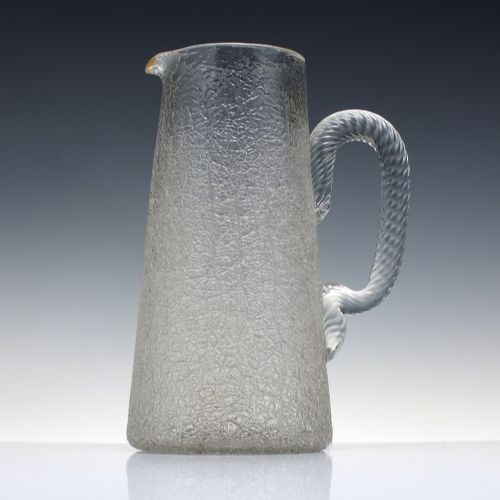
Glassmakers utilised blowing and moulding techniques to create overshot, cranberry, and Bristol coloured glass, sometimes adding gilded rims, trailed threads, or cut crystal details.
Some nineteenth-century water jugs secretly harboured ice compartments so guests could enjoy chilled drinks without melting cubes diluting the lemonade.
Standards of craftsmanship
The distinction between standard domestic wares and exceptional pieces lies in the crispness of relief moulding, the precision of hand-painted or engraved decoration, and the presence of artist signatures or specific pottery marks. Master potters and glass houses achieved finer detail and more balanced proportions.
Material choice and finishing touches, such as silver mountings, applied metal handles, or ice inserts, elevate certain vessels from utility items to decorative works.
Doulton Lambeth·Royal Worcester·Minton·Stevens and Williams·Elkington and Co
The Victorian Water Jug Glossary
- Ewer
- A large jug or pitcher with a wide spout and handled shape, historically used for water or wine.
- Majolica
- A colourful, opaque lead-glazed earthenware popular during the nineteenth century for vibrant botanical and figural designs.
- Overshot glass
- A style of glassware featuring fine, thread-like trails of glass applied haphazardly over the surface to create a textured finish.
- Lustreware
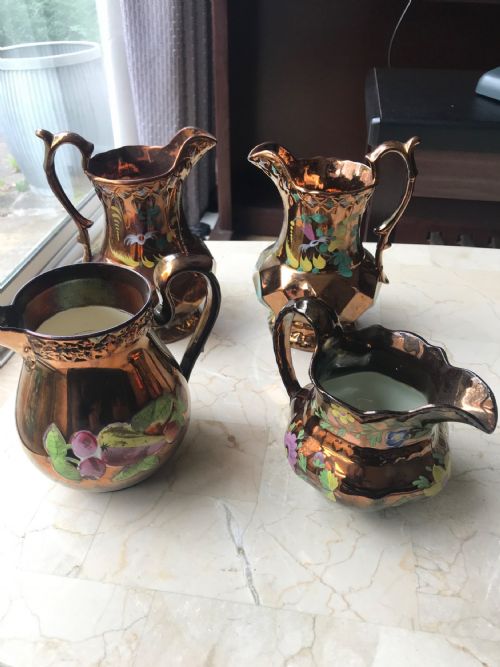
- Pottery treated with a metallic glaze that produces an iridescent sheen, often seen in pink or copper tones.
- Stoneware
- A heavy, dense ceramic fired at high temperatures until vitrified, making it impermeable and durable without losing fine detail.
Victorian Water Jug: Frequently Asked Questions
How were victorian water jugs used?
These vessels functioned primarily at the dining table or sideboard for serving water, lemonade, or other beverages during meals. Many were accompanied by matching glasses or bowls for complete hospitality sets.
Larger metal or ceramic examples also served as bedside pitchers or washing accessories before plumbing became standard in every room.
What glass colours are typical?
Cranberry red, deep ruby, Bristol blue, and rich green dominate the coloured glass output of the period. These vibrant shades were achieved by adding various metallic oxides to the molten glass.
Clear crystal glass with cut, engraved, or overshot decoration remains equally common among surviving tablewares.
How do I identify pottery types?
Look for maker stamps, impressed registry marks, or distinctive surface treatments such as copper lustre, flow blue transfer prints, or majolica glazes. Relief-moulded designs often bear registration diamonds that date the exact year of the pattern's launch.
Weight, clay colour, and glaze thickness further distinguish earthenware and stoneware productions.