
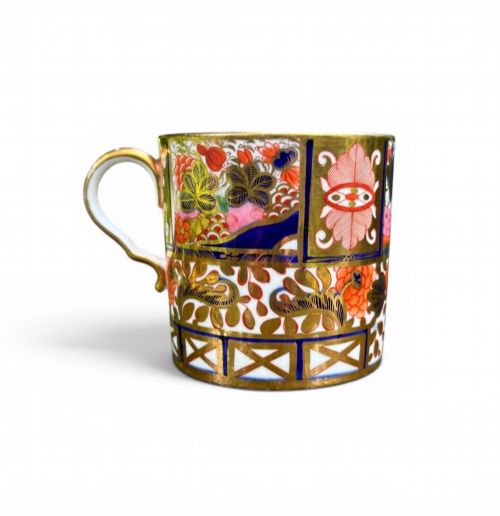


19th Century Spode China
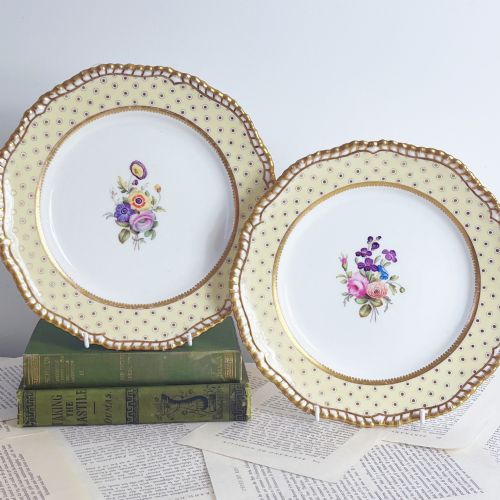
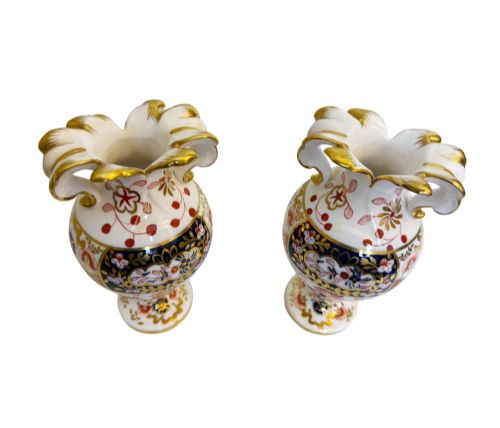
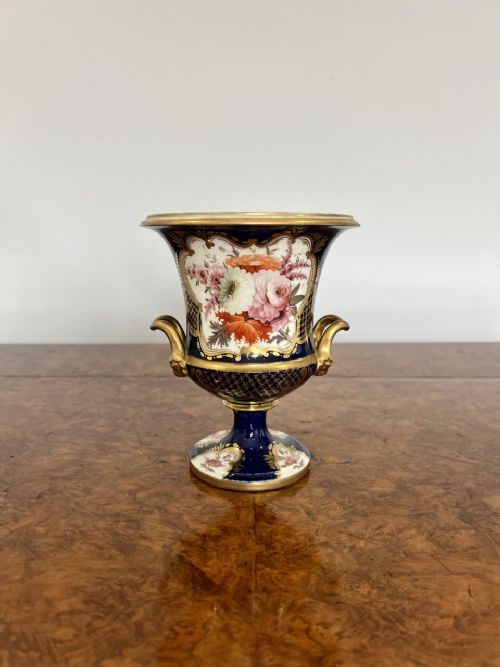
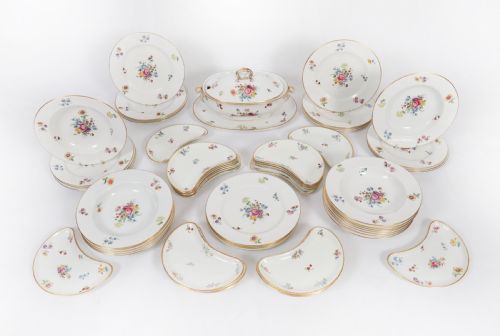
These nineteenth century spode china pieces offer refined Regency porcelain and bone china forms that collectors prize for their intricate hand-painted enamels and gold leaf highlights.
Identifying 19th century spode china
These items reflect the pinnacle of English ceramic production during a transformative era of design. Surviving examples showcase distinctive patterns such as the pearl border and numbered designs like pattern twenty-five seventy-three.
Materials and manufacture
Potters constructed these wares primarily from fine bone china and porcelain, fired to achieve a smooth, bright white body. Artisans then applied a clear porcelain glaze to seal the surface and provide a glossy finish suitable for detailed decoration.
Makers embellished the pieces using hand-applied enamel colours and rich gold leaf details. Handles and covers often featured moulded relief work, requiring precise skill in both ceramic forming and decorative painting.
Chocolate was once considered such a rich, decadent treat that it required its own dedicated lidded cup to trap the exotic aromas.
Judging quality in spode ceramics
Quality separates the standard production wares from the finest studio commissions by the crispness of the moulded details and the precision of the enamel painting. Pieces with intact, burnished gold leaf and vibrant, complex patterns sit at the top of the range.
The sophistication of the form also dictates value, particularly where specialised shapes like lidded chocolate cups or image handles are involved. Finer potting results in thinner, more translucent walls that demonstrate superior raw materials.
The 19th Century Spode China Glossary
- Bone china
- A type of soft-paste porcelain incorporating bone ash, developed in England to create a strong, translucent ceramic body.
- Porcelain glaze
- A glassy coating fused to the ceramic body during firing, which renders the piece impervious to liquid and gives a smooth sheen.
- Gold leaf
- Beat gold applied to the surface of the ceramic for decorative highlights, often fired onto the glaze.
- Trio
- A matching set consisting of a teacup, a coffee cup and a saucer, popular for nineteenth century formal entertaining.
Frequently Asked Questions
What is a chocolate cup and cover?
A chocolate cup and cover is a specialised vessel designed for drinking thick hot chocolate in the nineteenth century, featuring a lid to keep the beverage warm.
These covered cups often accompanied matching saucers and displayed elaborate painted patterns suitable for wealthy households.
How do I date nineteenth century ceramics?
Dating these ceramics relies on stylistic cues, pattern numbers, and the specific composition of the porcelain body.
Consulting reference books on factory marks and pattern books helps narrow down the year of manufacture for pieces from the Regency era onwards.
Can I use these antique cups daily?
Using antique bone china for daily dining is generally discouraged due to the fragility of the material and delicate enamel decorations.
Hand washing in warm water without harsh detergents protects the fragile gold leaf and hand-painted surfaces from permanent damage.
What makes a tea trio different?
A tea trio includes an extra matching vessel alongside the standard teacup and saucer, providing a complete service set for collectors.
These matched groupings demonstrate the comprehensive tableware offerings produced during the mid nineteenth century.