
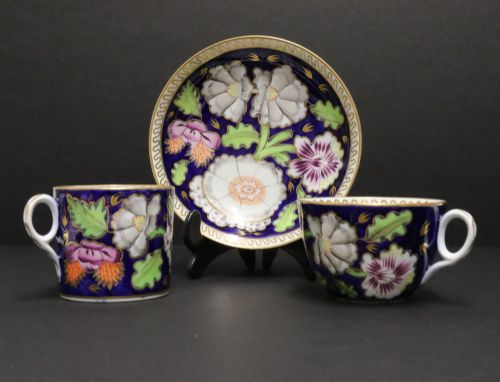
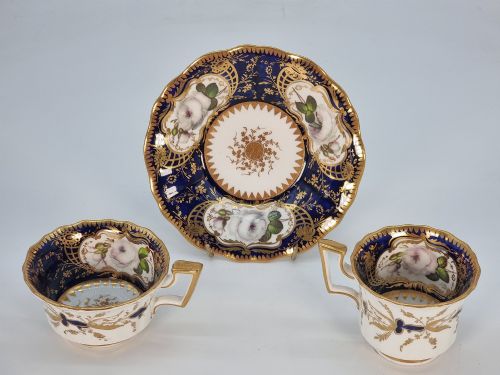
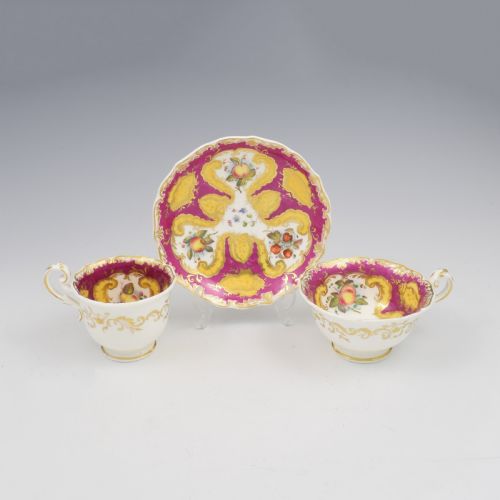
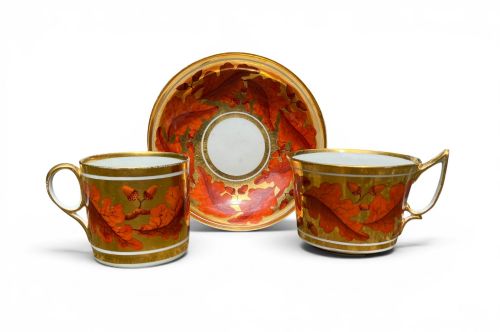


Antique Porcelain Teacup Trio
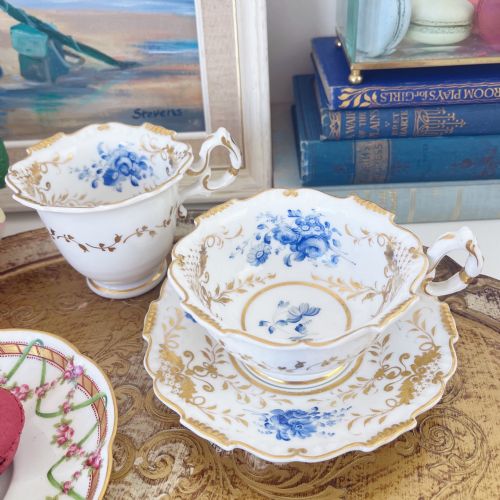
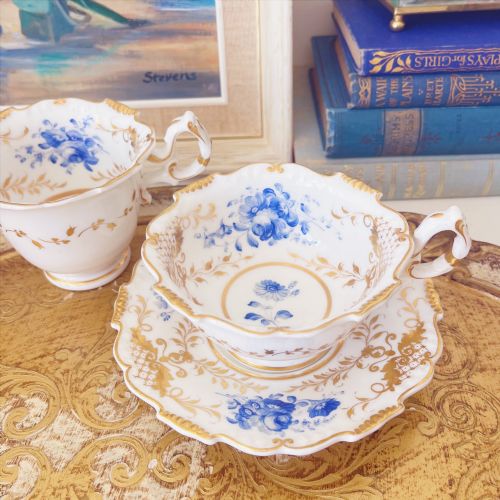
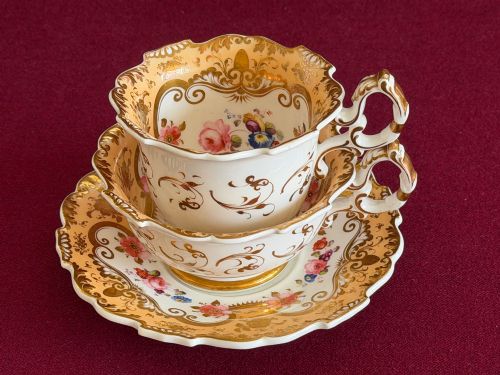
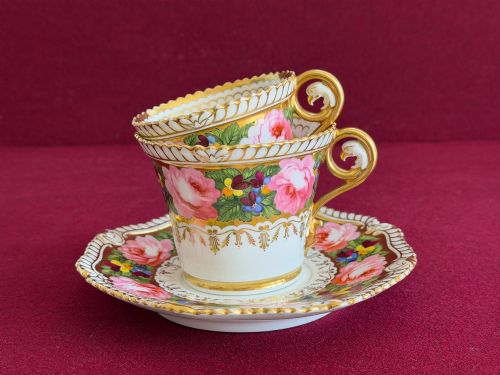
An antique porcelain teacup trio brings together a cup, coffee cup and saucer for proper period tea service.
Antique Porcelain Teacup Trio
An antique porcelain teacup trio gathers three matched pieces for tea and coffee service, typically featuring a teacup, a coffee cup and a matching saucer. Buyers seeking an antique porcelain teacup trio will find examples spanning the eighteenth, nineteenth and early twentieth centuries, reflecting changing domestic habits.
The selections on this page draw from periods such as Regency, Georgian, Victorian and Edwardian. Forms range from cabinet sets intended for display to robust domestic services.
Originating primarily from English potteries, these sets demonstrate the evolution of social drinking customs from early morning rituals to formal afternoon gatherings. Each piece illustrates the specific ceramic body and decorative fashion of its decade of manufacture.
Materials and manufacture
Potters utilised hard-paste and soft-paste porcelain alongside bone china to form the body of each teacup trio. Enamel glazes provided a smooth base for painted scenes and floral motifs.
Makers applied gold leaf, gilding and gold gilding by hand to highlight rims, handles and borders. Artisans executed handpainted details directly onto the glazed surface before secondary firing.
Listings span the eighteenth, nineteenth and early twentieth centuries, featuring Regency, Georgian, Victorian, Edwardian and Art Deco styles.
Assessing quality in ceramic trios
Quality rests upon the precision of the handpainted decoration and the crispness of the moulded ceramic body. Finer sets display delicate brushwork and uniform enamel application without pooling.
The integrity of the gilding indicates the standard of production, with heavier gold leaf and careful burnishing marking superior workshop output. Thinner porcelain walls and unblemished glaze surfaces also distinguish the better examples.
H and R Daniel·Chamberlain Worcester·Newhall·Coalport·Derby·Royal Worcester·Davenport·Minton·Spode·Wileman Foley Shelley·Gladstone potteries
The Antique Porcelain Teacup Trio Glossary
- Trio
- A matched set consisting of a teacup, a coffee cup and a saucer. This grouping allowed the drinker to switch between beverages during formal hosting.
- Bone china
- A type of porcelain incorporating bone ash for strength and translucency. It allowed potters to produce thinner, more refined drinking vessels.
- Gilding
- The application of gold leaf or gold paint to ceramic surfaces. This finish accentuates handles, rims and painted panels.
- Enamel glaze
- A vitreous coating applied to the ceramic body and fired to a smooth finish. It serves as the foundation for handpainted polychrome designs.
- Flight Period
- A specific era of Worcester porcelain production associated with the Flight family management. Pieces from this time often bear distinct crescent or script marks.
Antique Porcelain Teacup Trio: Frequently Asked Questions
What is a teacup trio?
A teacup trio combines a teacup, a coffee cup and a saucer into a single matched set. This configuration accommodated the nineteenth-century preference for serving different hot drinks from coordinated tableware.
Collectors prize complete trios because pieces frequently became separated over generations of use and washing. Finding all three components together preserves the original intent of the ceramic service.
How do I date a porcelain trio?
Dating relies on identifying factory marks stamped or painted on the underside of the porcelain. Shape, handle design and the style of handpainted decoration also provide chronological clues.
Comparing the paste and glaze characteristics against known historical periods helps narrow the decade of manufacture. Stylistic shifts between Regency and Victorian aesthetics offer clear boundaries for sorting dates.
Can I use these trios for tea?
While these pieces were made for drinking tea and coffee, antique porcelain requires careful handling. Hand washing in warm water prevents damage to delicate enamels and gold leaf.
Sudden temperature changes can crack historic ceramic bodies. Many owners choose to display their trios or reserve them for occasional gentle use.
What is the difference between bone china and porcelain?
Bone china includes calcined bone ash within the ceramic paste, creating a durable material with a warm, milky translucency. Traditional porcelain relies on kaolin and petuntse for a whiter, harder body.
Both materials formed the basis for fine domestic tableware throughout the eighteenth and nineteenth centuries. Bone china generally allowed for thinner walls without sacrificing structural strength.