

Antique Coffee Cup Saucer
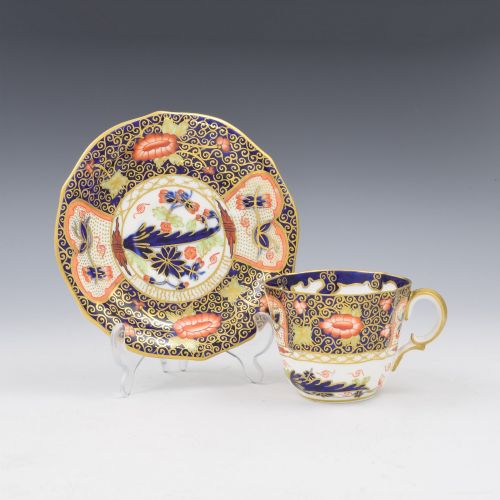
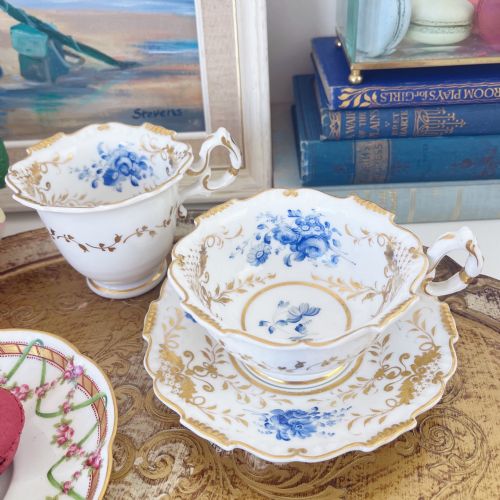
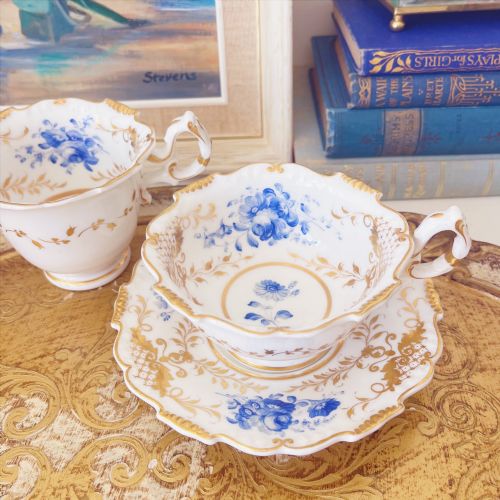
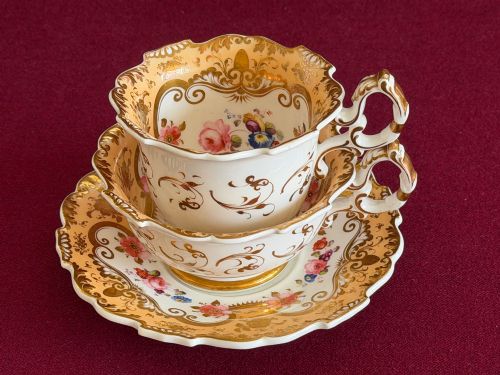
These antique coffee cup saucer sets bring the elegance of Georgian and Regency tables into the home.
Antique Coffee Cup Saucer
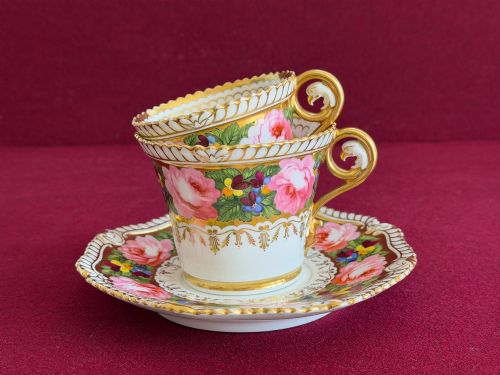
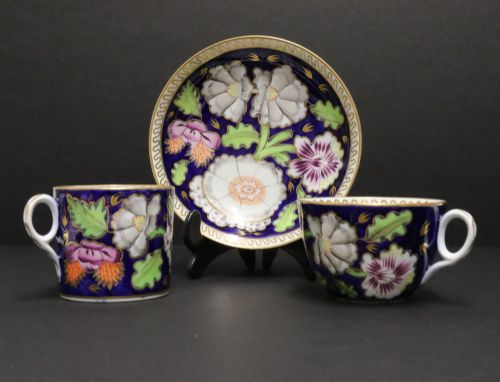
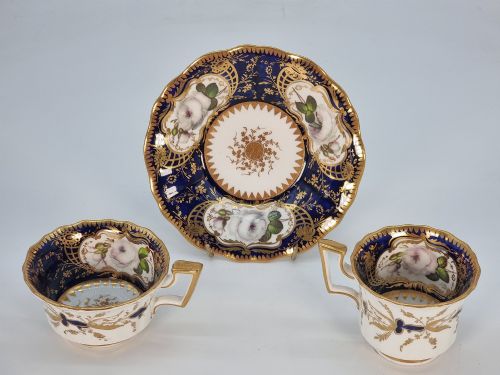
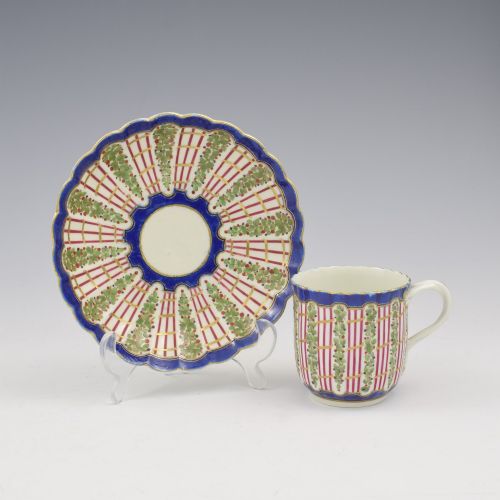
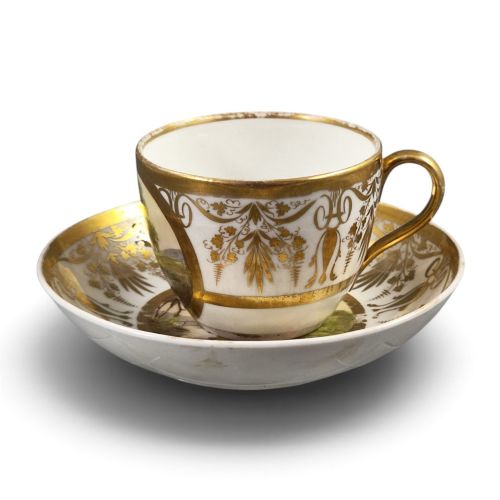
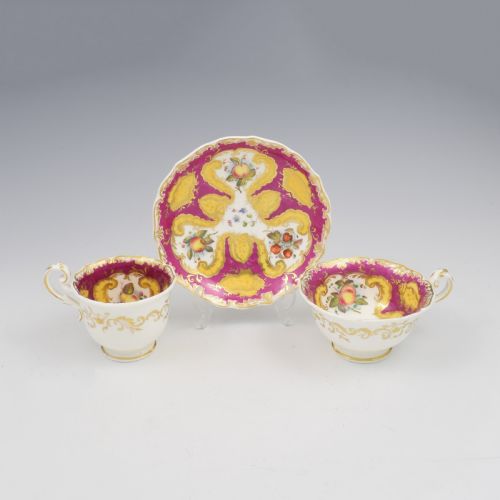
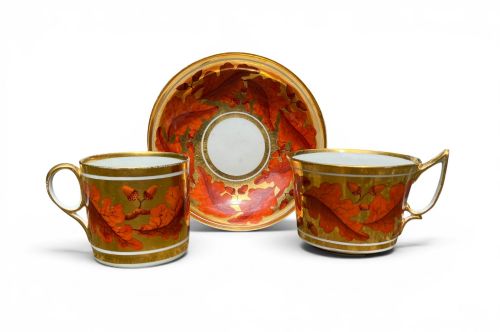
When searching for an antique coffee cup saucer, you are looking at small ceramic vessels designed for after-dinner drinking, often pairing a deep cup or straight-sided coffee can with a matching shallow saucer. Many listings include trios that also incorporate a teacup, bridging the service of tea and coffee in the eighteenth and nineteenth centuries.
The most common versions met on this page date from the Georgian and Regency periods through to the Edwardian era, spanning English porcelain houses like Worcester and Coalport alongside continental factories such as KPM Berlin and Meissen.
Forms range from simple demitasse cans to elaborately shaped cabinet cups, reflecting changing social rituals around hot drinks across the nineteenth century.
How they were made
Makers shaped these vessels from fine ceramic bodies including bone china, hard-paste porcelain, and soft-paste variants, shaping them either by hand on a wheel or in moulds before high-temperature firing.
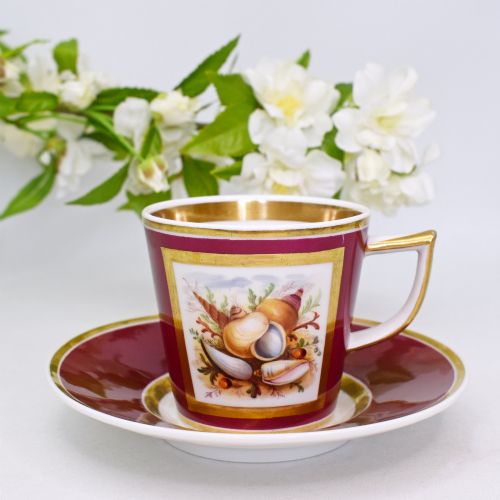
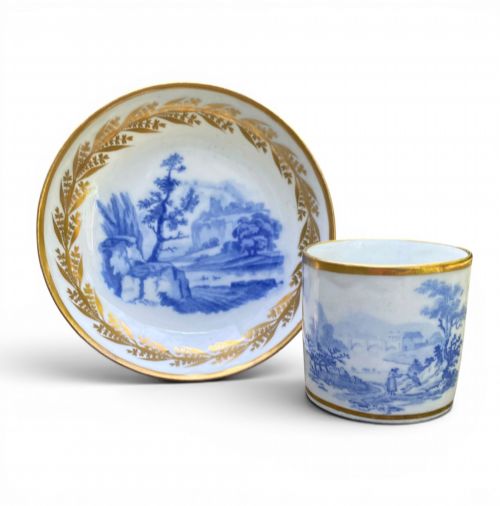
Painters applied intricate decorative schemes by hand, utilising enamels, cobalt underglazes, and delicate gold leaf or gilding to highlight handles, rims, and painted landscapes or floral motifs.
Antique Coffee Cup Saucer Retail Price Guide 2026
Typical asking prices for coffee cup saucer among the pieces listed under this phrase on Sellingantiques today, from the lower quarter to the upper quarter. They describe what is for sale here now, not the wider market.
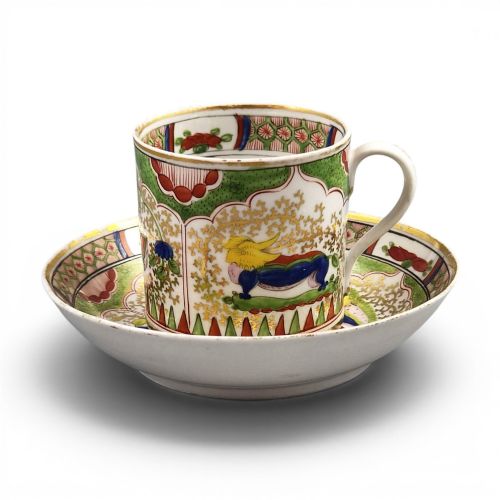
Some nineteenth-century decorators gave whimsical names to their patterns, such as the Bengal Tiger or Crazy Cow.
What varies in quality
The distinction between ordinary and exceptional pieces lies in the precision of the hand-painted detail, where skilled artists rendered miniature landscapes, birds, or botanical studies with remarkable control.
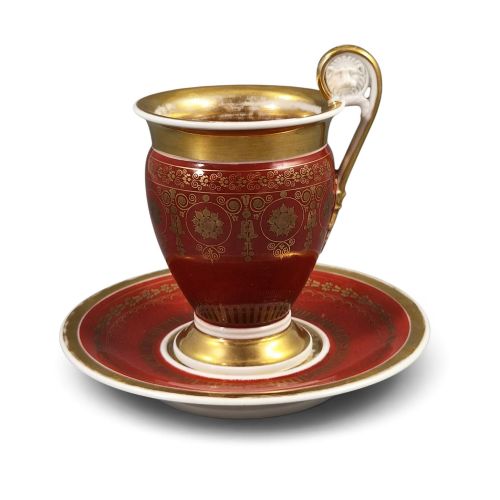
The weight and translucency of the porcelain body, alongside the richness of the gold gilding and the crispness of moulded details like lion mask handles, separate standard production ware from superior cabinet pieces.
Royal Crown Derby·H & R Daniel·Chamberlain Worcester·Coalport·KPM Berlin·Rockingham·Meissen·Minton·Royal Worcester·Spode
The Antique Coffee Cup Saucer Glossary
- Demitasse
- A small cup used for serving strong black coffee after a meal. These often hold significantly less liquid than a standard teacup.
- Coffee Can
- A straight-sided cylindrical cup popular during the late eighteenth and early nineteenth centuries. They lack the curved bowl of a standard teacup.
- Trio
- A matched set consisting of a teacup, a coffee cup, and a saucer. They demonstrate the nineteenth-century fashion for serving multiple hot beverages.
- Hard-paste porcelain
- A durable ceramic material fired at very high temperatures using kaolin and petuntse. It produces a ringing tone when struck and resists scratching.
- Gilding
- The application of gold leaf or gold paint to ceramic surfaces for decoration. Higher quality pieces often feature burnished gold details.
Antique Coffee Cup Saucer: Frequently Asked Questions
What is the difference between a teacup and a coffee cup?
Teacups are typically wider and shallower to help hot tea cool more quickly before drinking. Coffee cups, particularly earlier demitasse cans, are deeper and narrower to retain heat.
This distinction became less rigid over time, but nineteenth-century sets often maintain distinct shapes for each drink.
How do I know if my cup and saucer are a true pair?
True pairs share identical ceramic bodies, matching paste characteristics under magnification, and consistent hand-painted pattern numbers or factory marks. Decorators often used the same palette across both pieces.
Subtle variations in the glaze tint or gilding wear can indicate whether a cup and saucer were married together at a later date.
What does cabinet porcelain mean?
Cabinet porcelain refers to decorative wares intended for display in a glass-fronted cabinet rather than everyday use. These pieces often feature elaborate hand-painted scenes, rich gilding, or unusual moulded forms.
Because they were made for show, they frequently survive in much better condition than utility wares.
Can I use antique cups for drinking?
While these cups were originally made for daily dining, older glazes and delicate overglaze enamels can be sensitive to modern dishwashers and strong detergents. Many collectors prefer to display them or reserve them for very occasional gentle use.
Hand washing in warm water without harsh abrasives helps preserve the hand-painted details and gilding.