
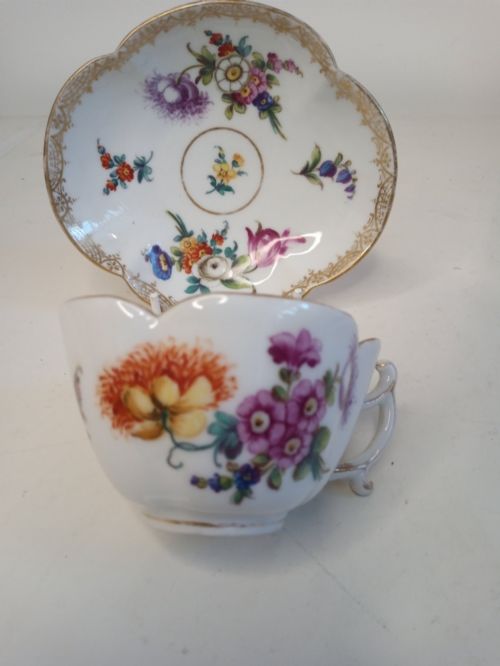


Hand Painted Floral Teacup
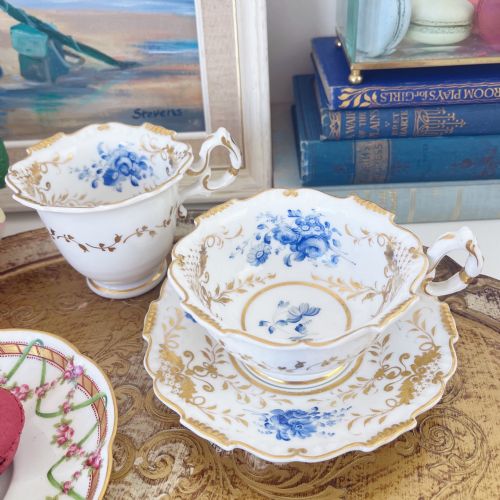
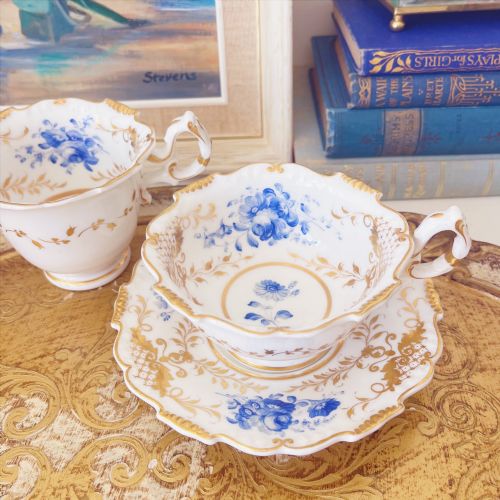
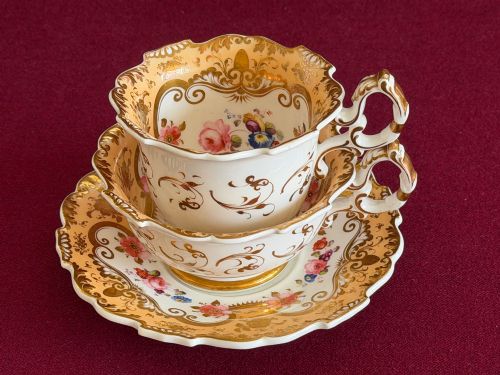
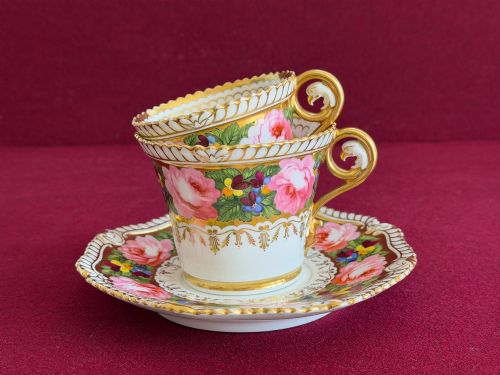
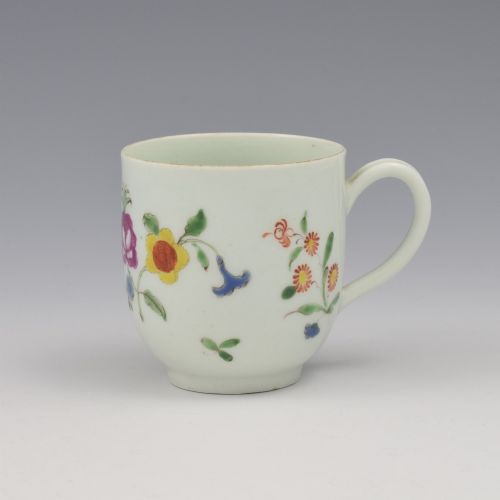
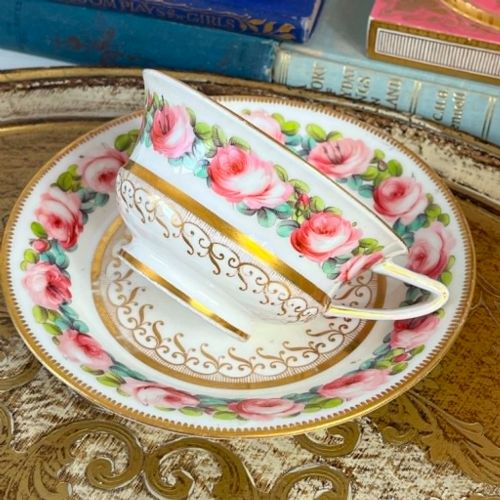
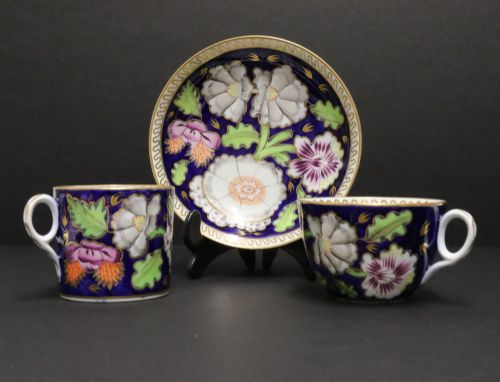
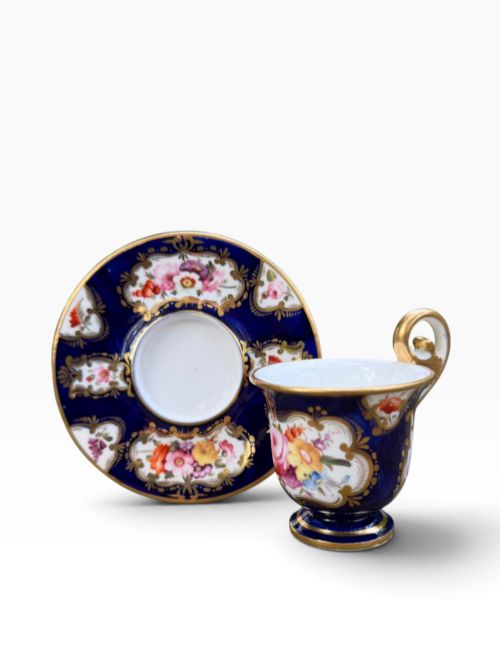
These hand painted floral teacup selections bring historic ceramics to the table, offering finely brushed botanical motifs from the eighteenth and nineteenth centuries.
Hand Painted Floral Teacup
A hand painted floral teacup brings together delicate botanical illustration and domestic ceramic history from the eighteenth and nineteenth centuries. Buyers searching this phrase look for historic tea wares decorated with individual floral studies, ranging from simple earthenware mugs to porcelain cabinet duos.
The pieces on this page appear predominantly as nineteenth century and Regency formations, alongside eighteenth century examples from English and continental factories. Most survive as duos or trios, pairing a deep teacup or coffee cup with its matching saucer, and occasionally including a side plate.
Forms span standard domestic teacups, pedestal cups, and specialised demitasse vessels intended for after dinner service. Makers decorated these surfaces with everything from naturalistic pink cabbage roses to formal Dresden flowers executed in polychrome enamel.
How they were made
Makers shaped these wares from hard paste porcelain, bone china, creamware pottery, and fine earthenware. Potters formed the bodies either by wheel throwing or by slip casting in moulds, then fired them in kilns before applying glaze.
Painters applied floral decoration by hand over or under the glaze using mineral pigments, frequently incorporating gold leaf, gilding, and gold gilt accents along the rims and handles. Factories then subjected the decorated vessels to a final muffle kiln firing to fix the colours permanently.
Listings feature porcelain, bone china, earthenware, and creamware across eighteenth and nineteenth century periods.
What varies in quality
Quality rests primarily on the skill and precision of the brushwork within the floral motifs and the crispness of the porcelain body. Finer examples display meticulous botanical detailing and clean, well potted forms without warping.
The application and preservation of gilding also separate standard domestic wares from high status cabinet pieces. Richly burnished gold leaf and complex patterns indicate superior workshop output, whereas rubbed or flat gilding points to heavier use or more modest manufacture.
H and R Daniel·Chamberlain Worcester·Richard Chaffers·Davenport·Coalport·Royal Worcester·Worcester·Moscow Factory·Meissen·Yates·Hirsch Dresden·KPM
The Hand Painted Floral Teacup Glossary
- Trio
- A matched set consisting of a teacup, a coffee cup, and a saucer. Collectors prize these complete three piece groupings for display.
- Cabinet cup
- A decorative display piece made for exhibition in a china cabinet rather than daily use. These often feature elaborate gilding and hand painted scenes.
- Demitasse
- A small cup used for serving strong black coffee after meals. They frequently appear paired with a matching saucer in late nineteenth century porcelain.
- Creamware
- A refined light coloured earthenware developed in the eighteenth century. It offers a smooth surface suitable for enamel decoration.
- Blue scale
- A patterned dark blue ground applied to porcelain in overlapping fish scale shapes. First Period Worcester pieces commonly utilise this technique.
Hand Painted Floral Teacup: Frequently Asked Questions
How do I date an old tea cup?
Dating relies on examining the ceramic body, glaze characteristics, and factory marks underneath the piece. Stylistic shifts between Georgian neoclassical restraint and Victorian ornamentation also provide clear chronological markers.
Shape names and pattern numbers recorded in period factory archives help narrow the decade of manufacture. Comparing the potting weight and handle style against known factory examples confirms the production era.
Can I use these cups for tea?
Most antique porcelain and bone china cups remain structurally sound enough for occasional gentle use. Hand washing in warm water without harsh detergents preserves the fragile enamels and gold leaf.
Earthenware and creamware pieces require extra caution due to potential glaze crazing over centuries. Many collectors prefer to display delicate cabinet cups rather than risk thermal shock or staining.
What is the difference between a trio and a duo?
A duo consists of a teacup and a matching saucer. This pairing formed the standard baseline for serving tea in domestic settings across the eighteenth and nineteenth centuries.
A trio adds a second cup, typically a taller coffee cup designed to match the saucer and teacup in decorative scheme. These sets accommodated households that served both tea and coffee to guests.
How do I identify factory marks?
Factory marks appear on the underside of the saucer or cup as painted ciphers, printed crests, or impressed symbols. Early English makers often used blue crescent marks or painter numerals instead of formal stamps.
Matching the painted pattern number or shape name to historical factory records yields precise attribution. Unmarked pieces require careful comparison of paste composition, glaze pooling, and painting style.