
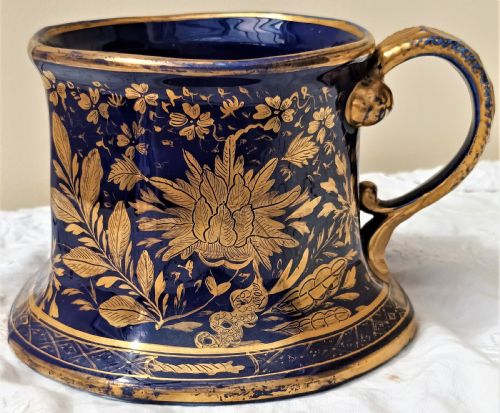

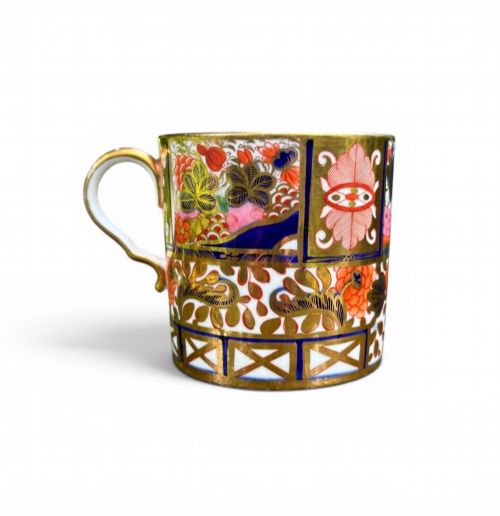


Gilded English China Cup
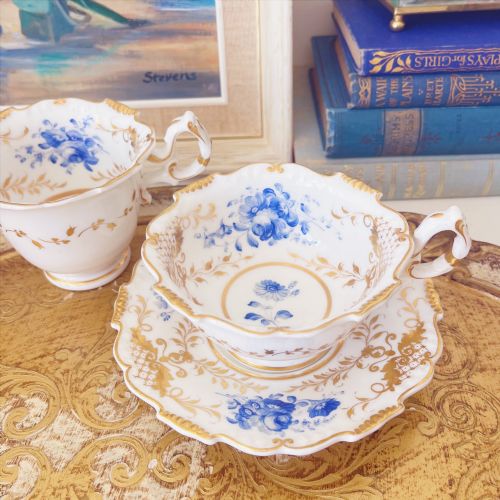
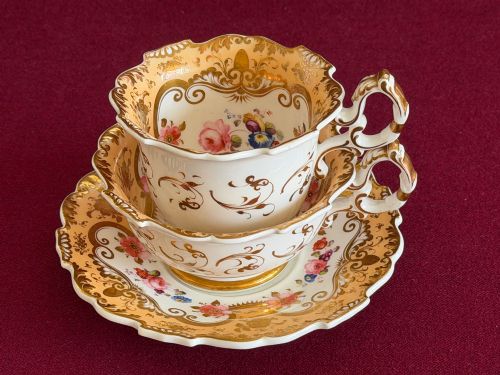
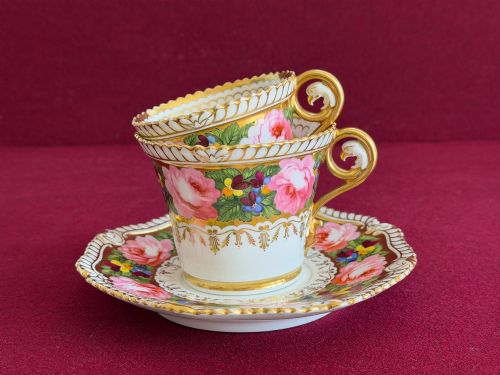
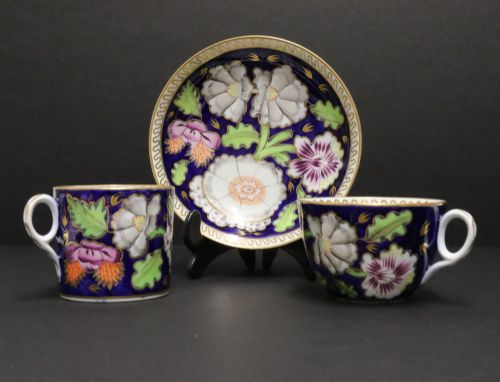
A gilded english china cup brings hand-painted porcelain and gold leaf from the Georgian and Regency periods directly to your morning table.
Gilded English China Cup
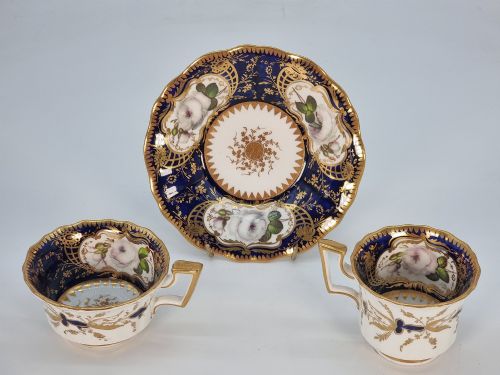
A gilded english china cup is a vessel for tea, coffee or chocolate, frequently found paired with a saucer or formed as part of a larger trio alongside a side plate. The pieces collected under this phrase span the eighteenth, nineteenth and early twentieth centuries, moving from Georgian neoclassical designs through Regency patterns to later Victorian and Edwardian revivals.
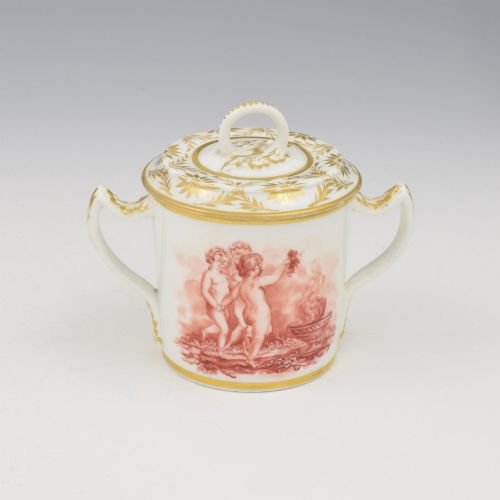
The form varies widely between teacups, coffee cans, chocolate cups with covers, and larger mugs or tankards. Most examples originate from notable English porcelain factories such as Worcester, Derby, Spode, Coalport and Minton, often reflecting specific periods of artistic leadership or distinct regional shapes.
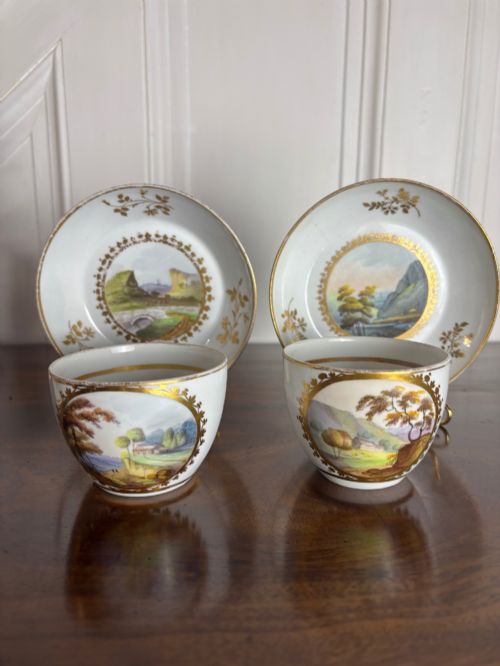
Buyers encounter everything from individual cabinet cups painted with landscapes or fancy birds to complete tea sets and services intended for formal entertaining. The combination of delicate porcelain bodies and applied gold leaf defines the primary aesthetic shared across these diverse listings.
How they were made
Makers utilised fine porcelain, bone china and ironstone as the structural bodies for these vessels, shaping them either by throwing on a wheel or moulding in metal or plaster dies. Once formed and initial-fired, the pieces received hand-painted details in enamel colours before receiving their defining applications of gold leaf and gilding.
The application of gold involved painting finely ground gold suspended in a medium onto the porcelain surface before a final low-temperature kiln firing bonded the metal to the glaze. Artisans then polished or burnished the cooled gold to achieve a bright, reflective finish that contrasted with the white porcelain and coloured enamels.
What varies in quality
The standard of painting separates standard factory output from pieces decorated by recognised artists or specialised porcelain painters. Hand-painted botanical studies, armorial crests, sepia putti and detailed bird panels demonstrate superior brushwork and artistic control compared to simpler transfer-printed or generic gilt borders.
The crispness of the porcelain moulding and the weight and burnishing of the gold leaf further distinguish the tiers of production. Thinner, more translucent bodies and heavier, hand-chased gilding indicate a higher grade of manufacture intended for wealthy patrons rather than mass domestic consumption.
H and R Daniel·Chamberlain Worcester·Newhall·Coalport·Bloor Derby·Minton·Mason·Spode·Duesbury and Kean·Barr Worcester·Flight Barr and Barr·Hicks Meigh and Johnson·Royal Worcester·Doric China·Hadley Worcester
The Gilded English China Cup Glossary
- Trio
- A matching set comprising a teacup, saucer and tea plate. These groupings were standard for nineteenth-century afternoon tea service.
- Coffee Can
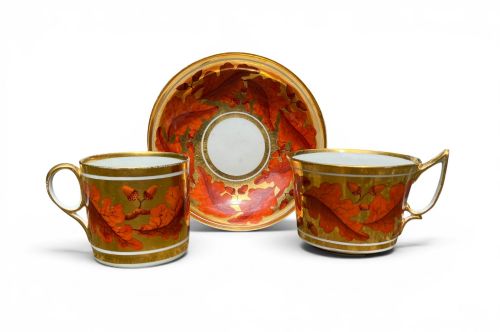
- A small, straight-sided cylindrical cup designed specifically for drinking strong black coffee. They frequently lack handles on early nineteenth-century examples.
- Ironstone
- A durable type of heavy earthenware patented in the nineteenth century. It combined the strength of stoneware with the smooth white surface of porcelain.
- Gilding
- The application of gold leaf or gold powder to the surface of ceramic wares. This technique provides decorative borders, handles and highlights.
- Imari
- A decorative style inspired by Japanese export wares featuring iron red, cobalt blue and gold. English factories adopted this palette extensively during the Georgian period.
Gilded English China Cup: Frequently Asked Questions
Can I use these cups for daily tea?
While historic porcelain is physically robust enough for careful use, the delicate enamels and historic gold leaf require hand washing. Many collectors prefer to reserve these fragile vessels for display or occasional special use rather than daily routines.
Exposing antique pieces to modern dishwashers or microwaves will rapidly damage the soft glazes and dissolve the delicate gilding applied centuries ago.
What is the difference between a teacup and a coffee can?
Teacups of the Georgian and Regency periods are typically wider and shallower, often featuring a distinct handle and a matching saucer designed for cooling hot tea. Coffee cans are narrower and taller with straight sides, reflecting the fashion for concentrated black coffee.
Many early breakfast and tea services included both forms to accommodate different morning beverages served during formal household gatherings.
How do I date an unmarked English porcelain cup?
Dating relies heavily on observing the shape of the handle, the composition of the paste, and the painting style. Earlier pieces from the eighteenth century often feature unglazed foot rims and softer paste bodies, while Regency designs introduce sharper neoclassical profiles and heavier gilding.
Comparing pattern numbers and decorative motifs with documented factory archives helps narrow down the decade of manufacture when factory marks are absent.
Why do some cups have saucers without indentations?
Saucers made before the nineteenth century were produced without the central recessed well found on modern saucers. These early saucers functioned as small shallow bowls for cooling hot tea before drinking.
Tea drinkers in the Georgian period frequently poured hot tea from the cup directly into the saucer to cool it quickly.