

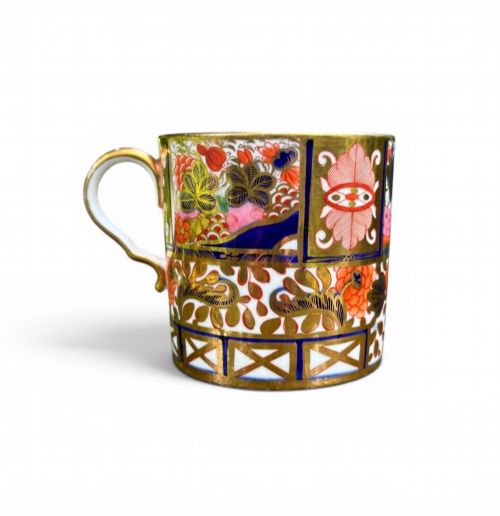


Gilt Bone China Cup
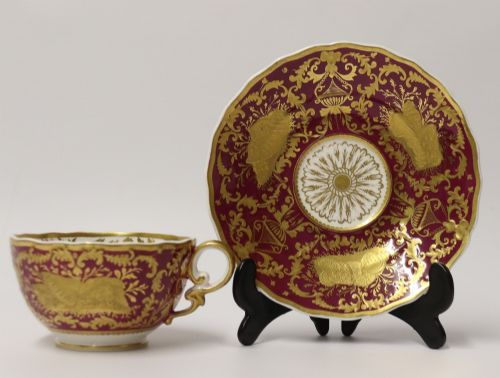
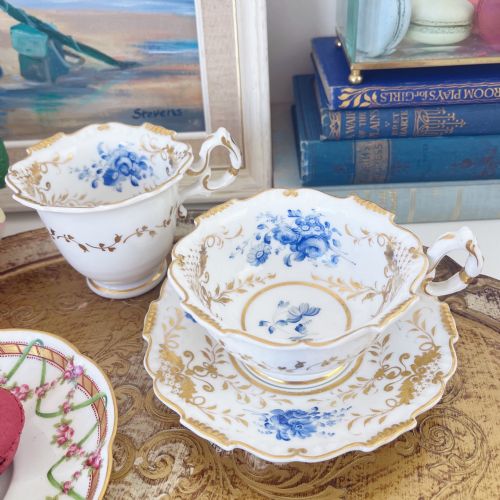
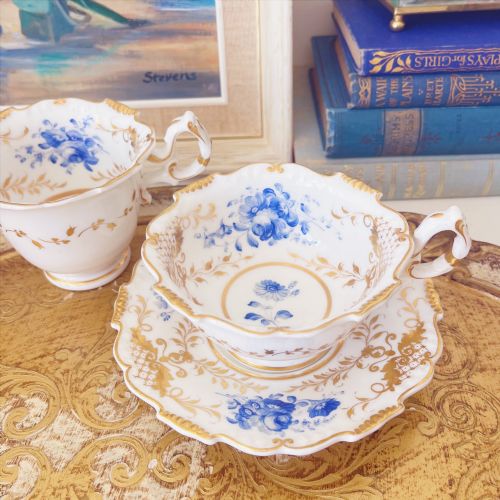
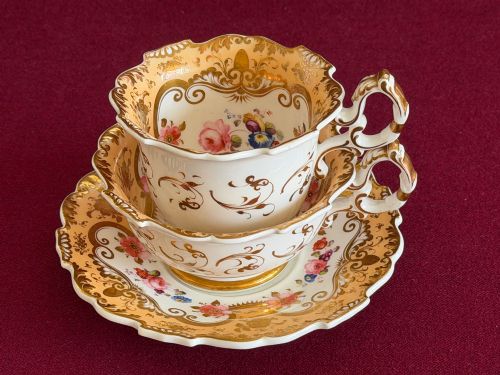
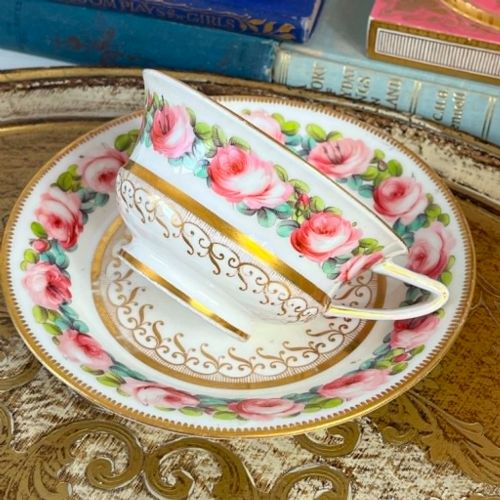
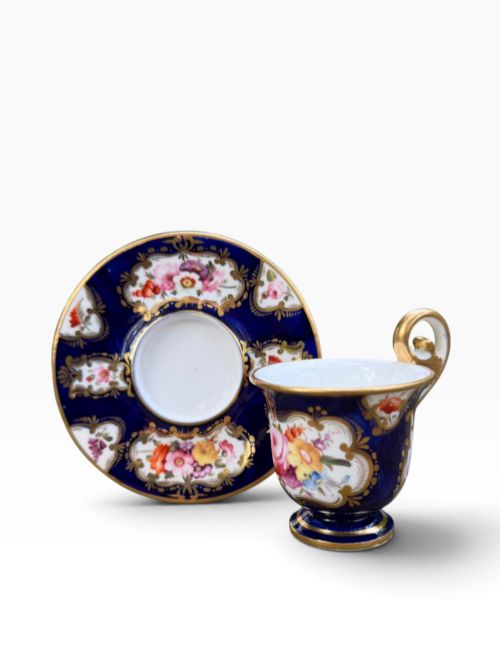
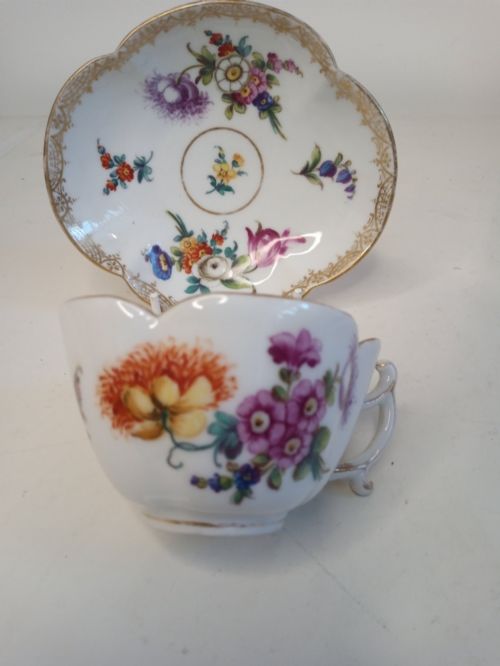
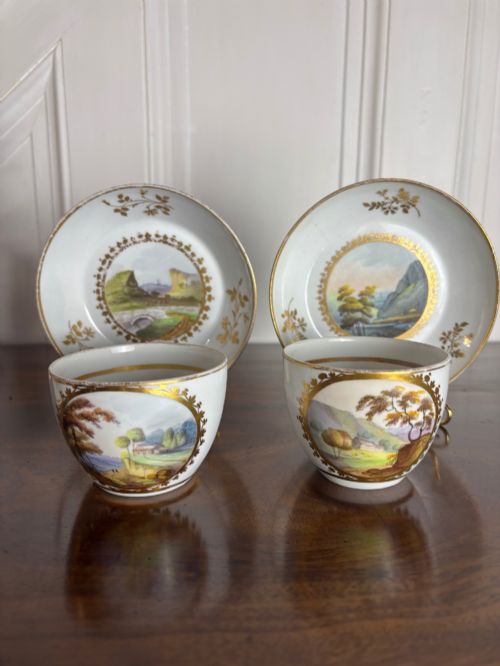
These gilt bone china cup pieces span Georgian elegance and Edwardian tea tables, offering traditional British craftsmanship for daily use or display.
Gilt Bone China Cup
A gilt bone china cup brings British ceramic history to the table, spanning forms from single teacups and saucers to full afternoon tea services. Buyers encounter tea services, coffee cans, cabinet cups, and trios that reflect centuries of domestic hospitality.
The selections on this page draw from periods including the Georgian era, Regency, Victorian, and Edwardian decades. Makers ranged from prominent factories to traditional English potteries producing both cabinet display items and functional sets.
Forms include teacups and saucers, coffee cups and saucers, cabinet cups with covers, and porcelain beakers. Each object represents a specific era of British dining culture, from morning coffee cans to elaborate tea services.
How they were made
Potters utilised bone china and porcelain bodies, shaping them into cups, saucers, and trios before applying handpainted details and enamel colours. Artisans then added gold leaf, gilding, and gold gilding to rims, handles, and motifs.
Firing techniques in historic English kilns set the hard glaze over the porcelain body, after which decorative gilding was applied and fixed with a secondary low-temperature firing. Handpainted floral sprays, landscapes, and Imari patterns completed the surface before final sale.
Object forms span teacups, coffee cans, cabinet cups, and complete afternoon tea services by English potteries.
What varies in quality
The standard of a gilt bone china cup rests upon the crispness of the handpainting and the purity of the porcelain body. Early pieces display fine brushwork in landscapes or floral arrangements, whereas later wares often rely on standardised transfer printing with hand-applied gilding.
Preservation of the gold leaf and enamel decoration dictates the standing of individual examples. Thick, burnished gold gilding applied by historic potteries retains its brightness, while worn surfaces reveal the underlying white ceramic body through heavy use.
Royal Crown Derby·H and R Daniel·Coalport·Davenport·Minton·Derby Porcelain·Spode·Yates·Royal Worcester
The Gilt Bone China Cup Glossary
- Bone china
- A type of porcelain incorporating bone ash, developed in England to create a durable, translucent body. It allows for thinner walls than standard hard-paste porcelain while maintaining strength.
- Gilding
- The application of gold leaf or gold paint to ceramic surfaces, particularly rims and handles. This decorative layer is fired onto the glaze to secure its adhesion.
- Trio
- A matching set consisting of a teacup, a saucer, and a matching tea plate. These groupings became standard for formal afternoon tea service in the nineteenth century.
- Coffee can
- A cylindrical, handleless cup designed specifically for drinking strong coffee in the eighteenth and nineteenth centuries. They often appear alongside saucers in early breakfast and tea services.
Gilt Bone China Cup: Frequently Asked Questions
What is a coffee can?
A coffee can is a straight-sided, cylindrical cup without a handle, produced during the Georgian and Regency periods for serving strong coffee after meals.
They are typically found paired with a matching saucer and sometimes form part of a larger breakfast or tea service.
How do I identify a trio?
A trio consists of three matching ceramic pieces designed for tea or coffee: a teacup, a saucer, and a tea plate. These sets became popular during the nineteenth century for formal afternoon gatherings.
Matching patterns and maker marks across all three components confirm an authentic period set.
Are these cups safe for daily use?
Historic bone china and porcelain require gentle hand washing to preserve handpainted enamel details and delicate gold gilding. Dishwashers and microwaves will damage the historic metallic leaf and early ceramic glazes.
Many collectors prefer to use them for special occasions or display them in cabinets to protect the surface decoration.
What does cabinet cup mean?
A cabinet cup is a decorative piece intended for display in a glass-fronted cabinet rather than everyday dining use. These items often feature elaborate handpainted scenes, raised gilding, and unusual shapes.
They were produced by major English factories to showcase the highest skills of their painters and gilders.