


Gilded Cabinet Teacup
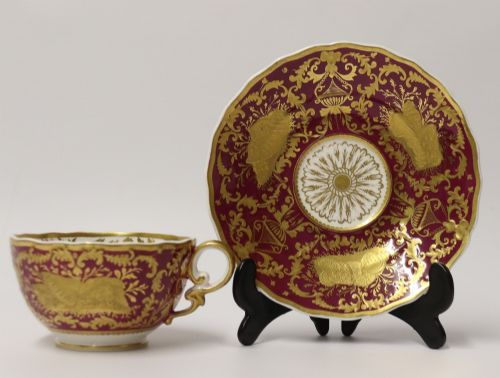
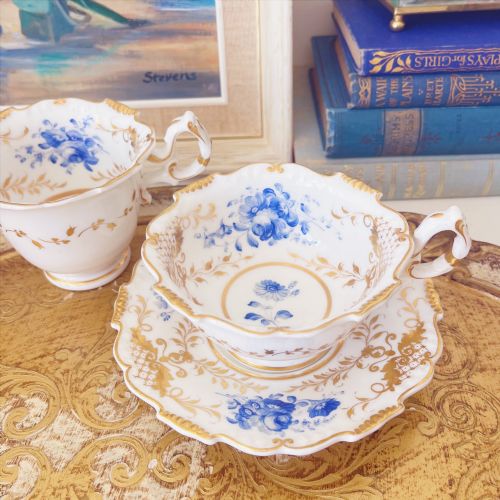
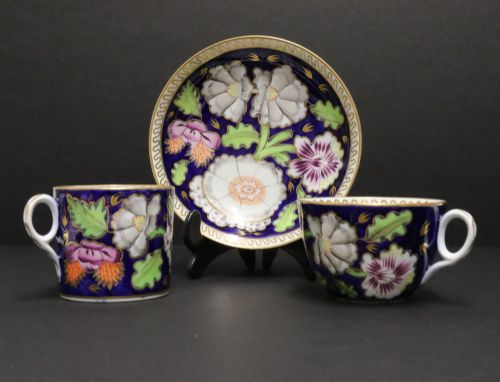
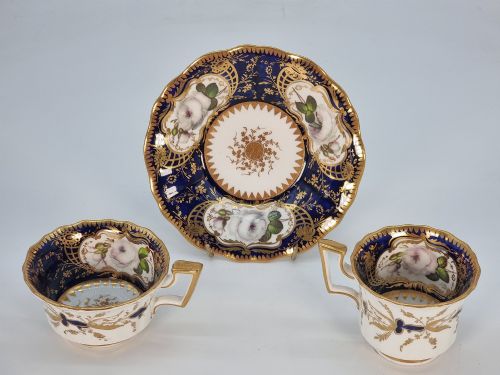
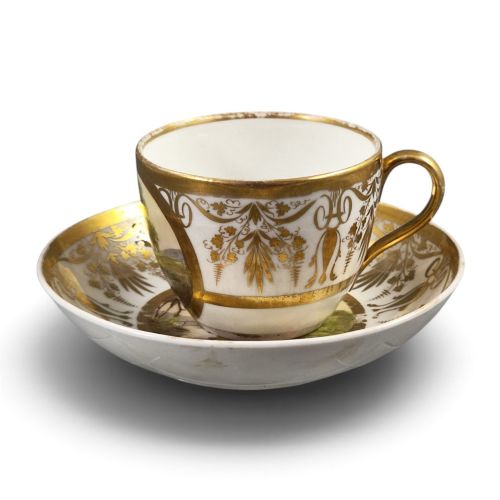
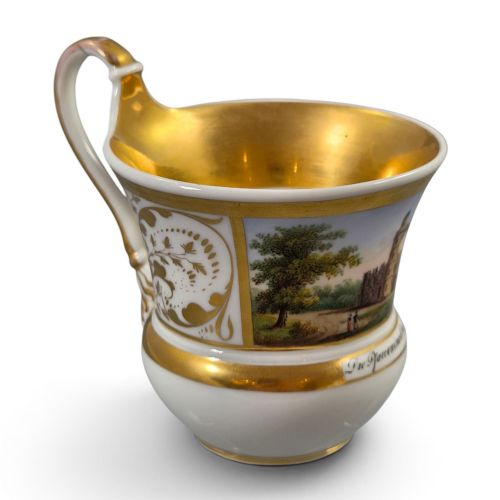
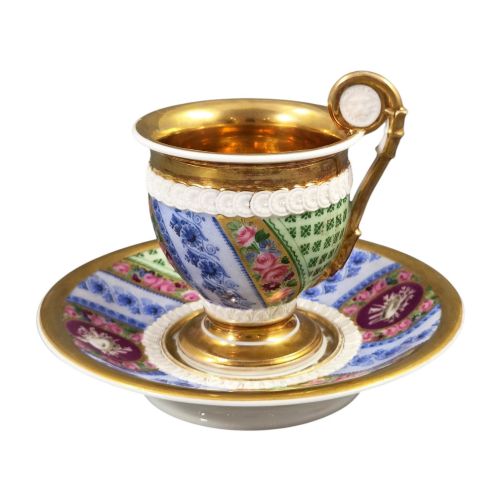
These gilded cabinet teacup examples bring together porcelain, gold leaf, and enamel across the nineteenth and early twentieth centuries.
Gilded Cabinet Teacup
A gilded cabinet teacup represents a specialised form of porcelain designed for display rather than daily service, frequently appearing as a cabinet cup and saucer or a tea and coffee cup trio. These pieces originate from periods spanning the Georgian, Regency, Victorian, and Edwardian eras.
The most common formats on this page are individual cabinet cups and saucers alongside demitasse and miniature variations. English and continental potteries produced these forms in porcelain, hard-paste porcelain, and bone china.
Collector interest centres on decorative display rather than utility, matching the original purpose of cabinet porcelain. The examples span British manufacturers like Spode and Worcester alongside continental works from Berlin and Paris.
Materials and Manufacture
Potters utilised hard-paste porcelain and bone china as the primary ceramic base for these display vessels. Artisans then applied handpainted decoration using enamel alongside detailed gold leaf and gilding.
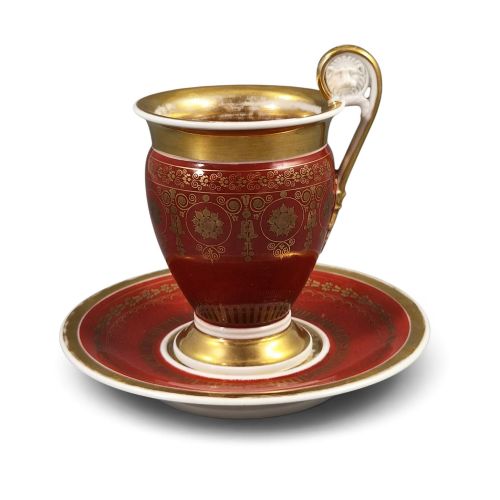
Specialised forms involved moulded details such as lion mask handles and pedestal bases. Kiln firing fixed the painted landscapes, topographical scenes, and heavy gilding onto the porcelain body.
Lion mask handles roar silently from the edges of Old Paris porcelain cups, keeping watch over miniature tea parties.
Quality and Execution
The skill of the handpainted details, particularly topographical scenes and landscapes, determines the distinction between standard and superior examples. Finer pieces display meticulous brushwork across miniature surfaces.
The application and preservation of the gold leaf and gilding dictate the visual impact of a cabinet cup. Heavier, more intricate tooling in the gold elevates the execution of the piece.
Spode·H & R Daniel·Coalport·KPM Berlin·Barr Flight Barr Worcester·Davenport·Ridgeway·Hutschenreuther·Hirsch Dresden·Royal Worcester
The Gilded Cabinet Teacup Glossary
- Cabinet cup
- A specialised porcelain teacup intended for display in a cabinet rather than everyday use. These pieces often feature elaborate gilding and handpainted views.
- Demitasse
- A small cup used for serving strong black coffee. The listings include various demitasse cups and saucers from later periods.
- Hard-paste porcelain
- A durable ceramic material composed of kaolin and petuntse fired at high temperatures. European factories utilised this paste for fine cabinet pieces.
- Trio
- A matching set consisting of a teacup, a coffee cup, and a saucer. Several early nineteenth century trios appear in these listings.
- Gilding
- The application of gold leaf or gold powder to the surface of porcelain. This decorative technique defines the gilded aesthetic of the category.
Gilded Cabinet Teacup: Frequently Asked Questions
What is a gilded cabinet teacup?
A gilded cabinet teacup is a decorative porcelain vessel created for display in a cabinet rather than for drinking tea. These pieces often feature handpainted scenes and extensive gold leaf.
Potteries produced them across the nineteenth and early twentieth centuries in various forms, including cabinet cups, saucers, and trios.
Were these cups used for tea?
Most cabinet cups served a decorative purpose in period interiors rather than practical table service. Their delicate handles, miniature proportions, and heavy gilding suited display.
Some examples formed part of tea and coffee trios designed for formal parlour settings.
How do I identify the period?
Period identification relies on stylistic markers, paste types, and factory traditions. Georgian and Regency pieces show neoclassical or empire influences.
Victorian and Edwardian examples introduce later aesthetic shifts while retaining handpainted porcelain and gilding techniques.
What materials are used?
The pieces utilise porcelain, hard-paste porcelain, and bone china as the ceramic foundation. Artisans decorated the surfaces using enamel paints and gold leaf gilding.
Some items incorporate moulded elements like pedestal bases and lion mask handles.