





Collectable Teacup
A collectable teacup brings miniature porcelain artistry into the room, offering a tactile connection to the tea rituals of past centuries.
Collectable Teacup
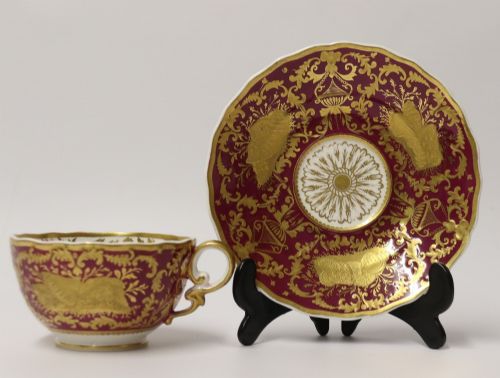
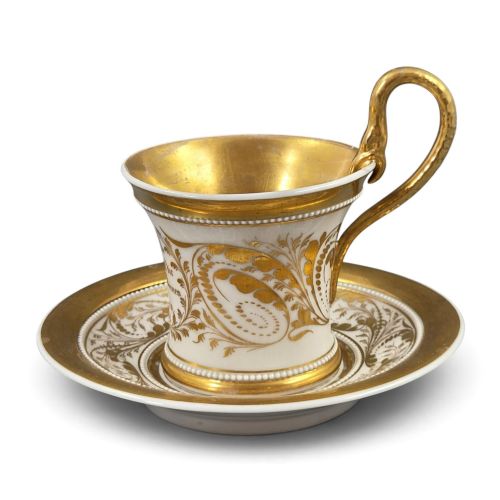
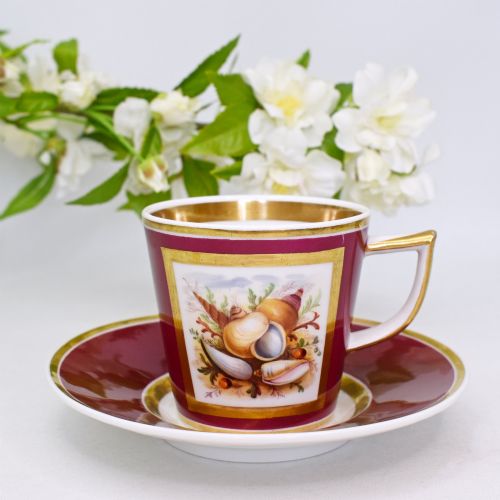
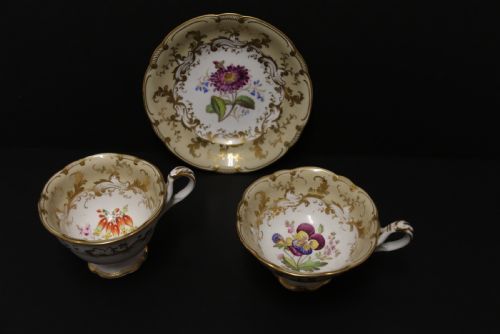
A collectable teacup encompasses delicate ceramic wares designed for hot beverages, frequently paired with matching saucers or forming part of larger trios and services. The selections here span the eighteenth and nineteenth centuries, taking in Georgian and Regency periods alongside continental European works.
Buyers will encounter forms ranging from standard teacups and saucers to specialist cabinet cups, coffee cups, and deep tea bowls. These pieces reflect the evolution of domestic tea drinking from elite luxury to established social custom.
Materials and construction
The pieces documented in this inventory utilise various ceramic bodies, notably soft-paste porcelain, hard-paste porcelain, and refined bone china. Makers shaped these materials using traditional potting techniques before applying intricate hand-painted designs.
Decoration relied heavily on detailed brushwork, enamel pigments, and precious metal additions such as gold leaf and gold gilding. Kiln firing fixed these colours and metallic accents to the glazed ceramic surface.
Collectable Teacup Retail Price Guide 2026
Typical asking prices for collectable teacup among the pieces listed under this phrase on Sellingantiques today, from the lower quarter to the upper quarter. They describe what is for sale here now, not the wider market.
Early tea drinkers needed saucer bowls because pouring hot tea into a saucer helped it cool down faster.
Assessing quality and merit
Quality rests upon the precision of the potting and the sophistication of the painted decoration. Pieces featuring delicate hand-painted scenes or complex enamel patterns by recognised factories stand apart from simpler utilitarian wares.
The crispness of the gilding and the preservation of the original painted surface significantly influence the standing of an item. Superior examples retain their vibrant colours and sharp detailing without heavy rubbing from historical use.
Spode·H & R Daniel·KPM Berlin·Rockingham·Meissen·Flight Barr & Barr·Worcester·Davenport·Ridgeway
The Collectable Teacup Glossary
- Cabinet cup
- A decorative cup intended primarily for display within a cabinet rather than for daily use. These items often feature elaborate gilding and exceptional painted scenes.
- Tea bowl
- A handleless drinking vessel used before standard teacups with handles became common. They derive from early Chinese porcelain imports.
- Soft-paste porcelain
- An artificial porcelain composition fired at lower temperatures than hard-paste porcelain. It produced a warm, slightly translucent body popular in eighteenth-century English factories.
- Gilding
- The application of gold leaf or gold powder to ceramic surfaces for ornamentation. It appears extensively on Regency and Georgian presentation pieces.
Collectable Teacup: Frequently Asked Questions
What is the difference between a tea bowl and a teacup?
Tea bowls are handleless vessels modelled after early Asian imports, whereas teacups incorporate an applied handle for holding the hot drink. Eighteenth-century collections frequently include tea bowls before handles became standard.
Both forms served the same social function during formal tea drinking, but tea bowls require a different grip and often indicate an earlier date of manufacture.
How do I care for antique porcelain?
Antique porcelain requires gentle hand washing in lukewarm water with mild soap, avoiding dishwashers and harsh abrasive sponges. Sudden temperature changes can crack the fragile ceramic body.
Store pieces securely away from direct sunlight and heavy vibrations to protect the delicate enamel paints and gold gilding from unnecessary wear.
Can I still drink tea from these cups?
While these items remain functional, many collectors prefer to display them due to their age and delicate material composition. Hairline cracks or worn gilding from historical use can worsen with regular modern usage.
Cabinet cups and presentation pieces are especially unsuited for daily consumption because of their elaborate and vulnerable decoration.
How are periods like Georgian identified?
Periods are determined through a combination of ceramic body characteristics, glaze traits, painting styles, and factory marks. Shape designs also shifted noticeably between the Georgian era and the later nineteenth century.
Comparing known factory patterns and historical documentation helps narrow down the decade of production for unmarked or signed pieces alike.