

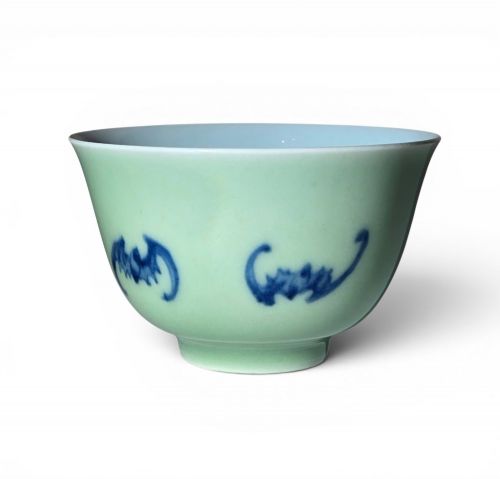


Cobalt Blue Porcelain Cup
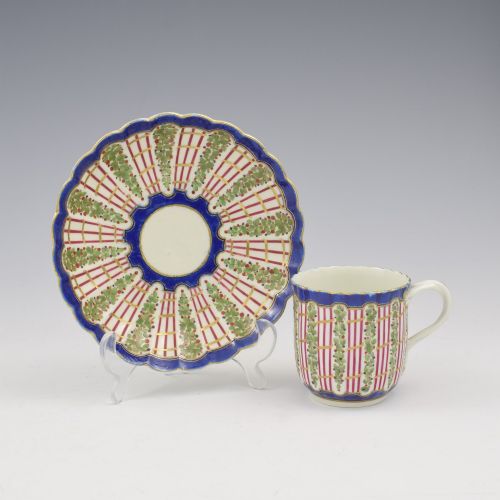
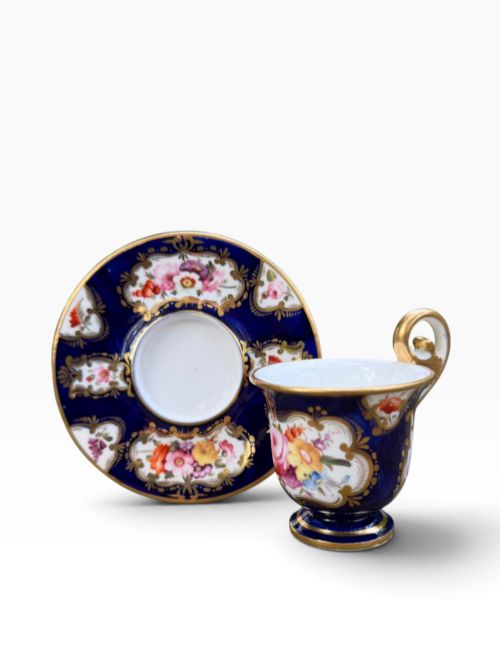
A cobalt blue porcelain cup brings rich colour and enduring ceramic artistry to the table, offering a tangible link to centuries of kiln craftsmanship.

Cobalt Blue Porcelain Cup
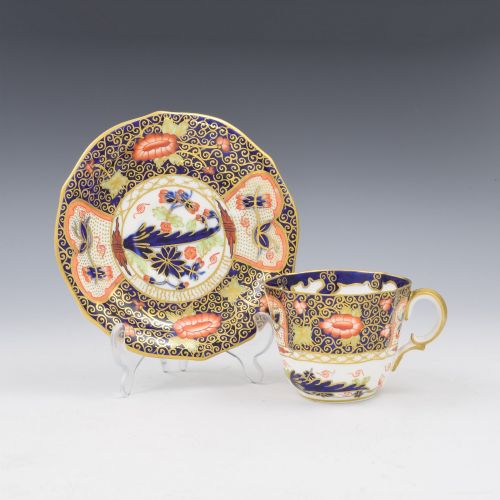
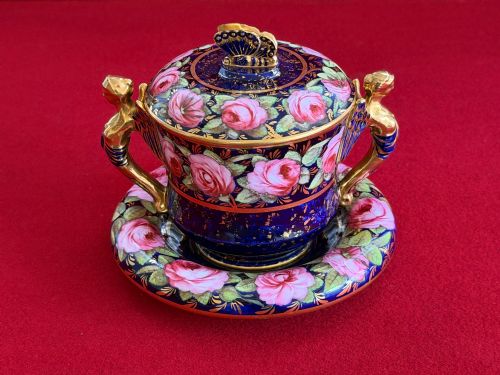
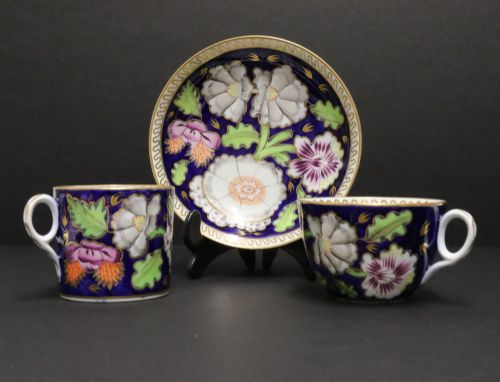
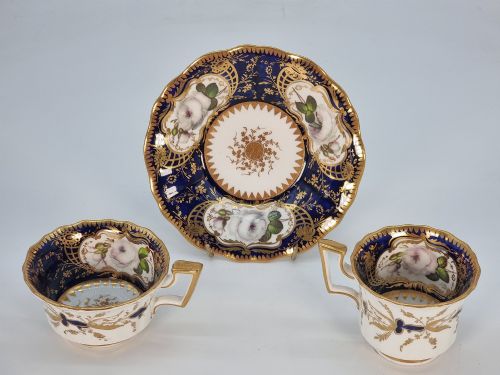
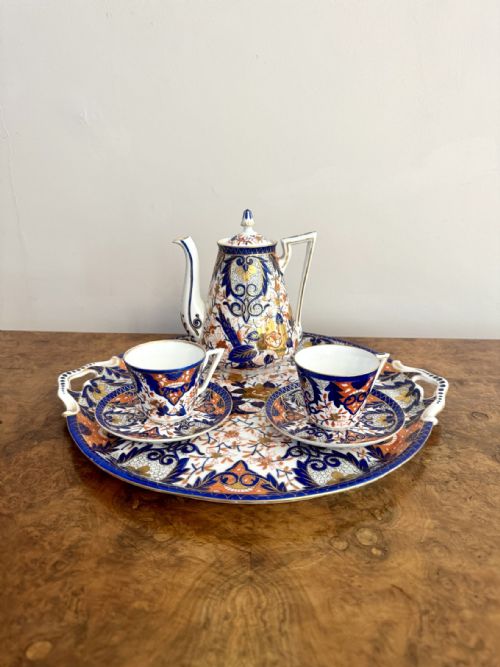
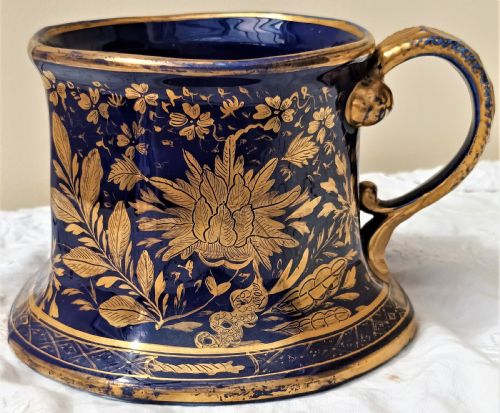
A cobalt blue porcelain cup represents a focused category of drinking vessels and sets spanning the eighteenth and nineteenth centuries into the Edwardian era. These pieces encompass teacups, coffee cans, chocolate cups, and tea bowls, frequently accompanied by matching saucers or forming part of larger service trios.
The varieties found here range from early English soft-paste examples and Worcester productions to continental wares and Eastern exports. Buyers encounter cabinet cups designed for display alongside functional tea service components shaped by Georgian, Regency, and Victorian aesthetics.
Makers and factories represented across the periods utilise distinct regional forms, from Japanese Hirado porcelain to Russian factory pieces and traditional English porcelain houses. Each iteration demonstrates how diverse kilns interpreted the deep blue pigment upon ceramic bodies.
Markers of quality
Quality reveals itself in the precision of the throwing, the purity of the porcelain body, and the crispness of the underglaze cobalt application. Finer vessels display an even tone without pooling or fading in the blue pigment, paired with delicate wall thickness and balanced form.
The sophistication of the secondary decoration dictates the standing of a piece, separating standard utility wares from exhibition-grade cabinet cups. Superior examples showcase meticulous hand-gilding, intricate enamel painting by named decorators, and flawless glaze surfaces.
Cobalt Blue Porcelain Cup Retail Price Guide 2026
Typical asking prices for cobalt blue porcelain cup among the pieces listed under this phrase on Sellingantiques today, from the lower quarter to the upper quarter. They describe what is for sale here now, not the wider market.
Certain cups feature unexpected animal handles shaped like playful dolphins or twisting branches, proving that Regency tea drinkers enjoyed a touch of wildlife with their morning brew.
Royal Crown Derby·Spode·Newhall·Coalport·Dr Wall Worcester·Derby Porcelain·Flight Barr And Barr·Moscow Factory Gardner·Royal Vienna·Makeig-Jones Wedgwood·Lowestoft Porcelain·Yates
The Cobalt Blue Porcelain Cup Glossary
- Soft-Paste Porcelain
- An early ceramic composition made from glass paste and white clay substitutes, fired at lower temperatures than true porcelain. It produces a warm, slightly creamy body often found on eighteenth-century pieces.
- Cabinet Cup
- A decorative vessel intended primarily for display within a collector's cabinet rather than daily service. These pieces often feature elaborate painting, gilding, or unusual handle configurations.
- Underglaze Blue
- A decorative technique where cobalt pigment is applied directly to the unglazed ceramic body before a transparent glaze is fired over it. This protects the blue colour permanently beneath a glossy surface.
- Coffee Can
- A small, straight-sided cylindrical cup designed specifically for drinking strong coffee in the eighteenth and nineteenth centuries. They are frequently paired with deep saucers.
- Ironstone
- A heavy, durable earthenware patent developed in the nineteenth century to imitate porcelain. It provides a sturdy alternative for domestic service while accepting colourful enamels and blue transfer prints.
Cobalt Blue Porcelain Cup: Frequently Asked Questions
How do I date an antique porcelain cup?
Dating relies upon examining factory marks stamped or painted on the base, stylistic indicators of the period, and the composition of the ceramic body. Soft-paste porcelain and specific paste types generally point towards eighteenth-century manufacture.
Secondary clues include the shape of the handle, the style of floral or geometric hand-painting, and whether the gilding shows signs of genuine hand-burnishing characteristic of early workshops.
Can I use these antique cups for drinking tea?
While these cups were originally created for consumption, fragile eighteenth and nineteenth-century pieces require careful handling. Hairline fractures, historical repairs, and delicate overglaze gilding can be compromised by modern dishwashers or thermal shock.
Many collectors prefer to exhibit cabinet cups rather than risk damaging the historic glazes and hand-painted enamels through daily use.
Why is cobalt blue so common on antique porcelain?
Cobalt oxide is one of the few metallic oxides stable enough to withstand the intense kiln temperatures required to fire true porcelain without burning away. This chemical resilience made it the premier choice for underglaze decoration across European and Asian kilns.
Its deep, rich tone provided a striking contrast against white ceramic surfaces, allowing potters to create enduring patterns that resisted fading over centuries.