



French Tableware
French antique tableware brings together centuries of dining heritage, offering everything from hand-painted faience to gleaming silverplate for the modern table.
French Tableware
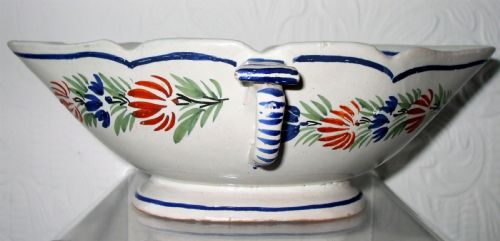
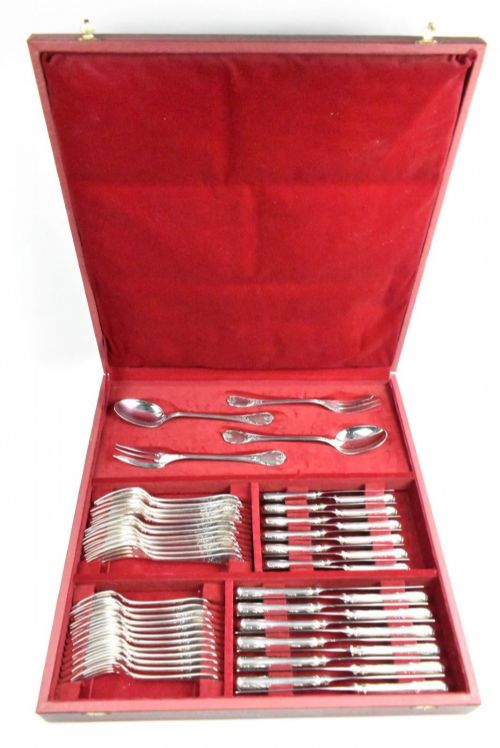
French antique tableware encompasses a diverse array of dining accessories, including sauceboats, salt cellars, cutlery sets, and decorative dishes designed for serving and presentation. When exploring french antique tableware, you encounter pieces spanning from the seventeenth century through the mid-twentieth century, reflecting changing domestic habits.
The selection frequently includes nineteenth-century faience from Quimper, silver-plated flatware by makers like Christofle, and delicate porcelain soup tureens. These items range from rustic regional earthenware to refined Parisian silver gilt and porcelain suitable for formal dining.
Regional variations and changing social customs dictate the specific forms available, such as side-handled chocolate pots and specialised carving accessories. Each piece provides a tangible connection to historical French culinary traditions and table arrangement.
What varies in quality
The caliber of french antique tableware rests on the precision of the hand-painting, the weight and purity of the metals used, and the preservation of original surfaces. Finer ceramic pieces display crisp brushwork and even glazing without distracting kiln flaws, whilst superior silver maintains sharp detail in cast ornamentation.
Maker attribution and the survival of matching sets or original cases elevate certain items above standard utilitarian wares. Condition plays a significant role, particularly the retention of original gilding on porcelain and the minimal wear on silver-plated surfaces.
A nineteenth-century silver ham bone holder ensures that carving a Sunday joint remains an exercise in utmost dignity and decorum.
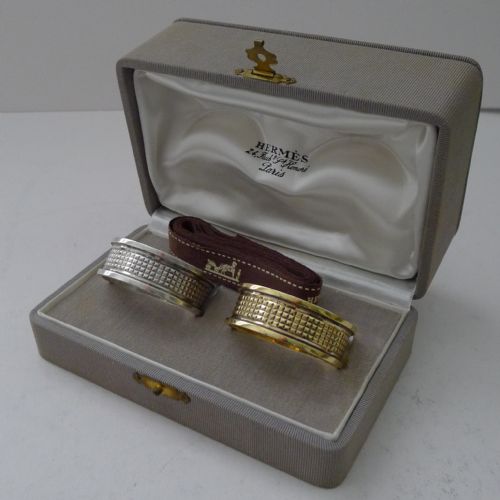
Hermes Paris·Christofle Gallia·Veuve Perrin Marseille·Edm'e Samson·Jacob Petit
The French Tableware Glossary
- Faience
- Tin-glazed earthenware produced across France, particularly known for colourful hand-painted regional designs. This technique created durable vessels for daily and festive dining.
- Vermeil
- Sterling silver plated with a thin layer of gold. This finish combined the structural strength of silver with the rich appearance of solid gold.
- Sauceboat
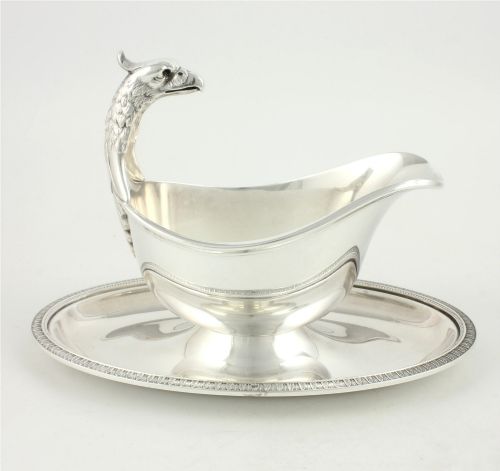
- A boat-shaped vessel designed for serving gravies or sauces at the table. Many antique examples feature attached underplates or double reservoirs for multiple accompaniments.
- Hollowware
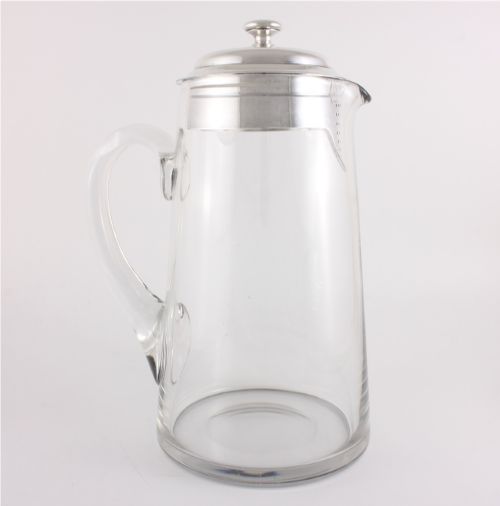
- Tableware items such as bowls, tureens, and pots that are hollow in construction rather than flat. These pieces formed the centrepieces of historical dining services.
- Silver Plate
- A base metal coated with a layer of silver to provide the appearance and utility of solid silver at a different cost. Manufacturers developed various proprietary plating standards for durability.
French Tableware: Frequently Asked Questions
What is silver gilt tableware?
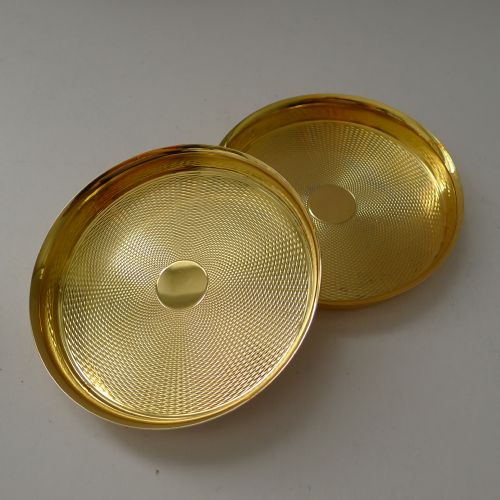
Silver gilt, or vermeil, consists of sterling silver objects coated with a fine layer of gold. This process was traditionally used for items associated with luxury dining and ceremonial use.
Over time, the underlying silver may subtly peek through areas of high friction, adding character to the piece.
How should I clean antique silverplate?
Cleaning antique silverplate requires gentle washing with mild soap and warm water, followed by drying with a soft cloth. Avoid harsh abrasive dips that can strip the delicate silver layer from the base metal.
Regular, careful dusting helps maintain the natural lustre without accelerating the wear on engraved details.
Can I use antique porcelain daily?
Using antique porcelain for dining is possible, but hand washing is strongly recommended to protect hand-painted enamels and delicate gilt edges. Sudden temperature changes should be avoided to prevent thermal shock to older ceramics.
Treating these items with care ensures their survival for future generations while still enjoying them in a modern home.