
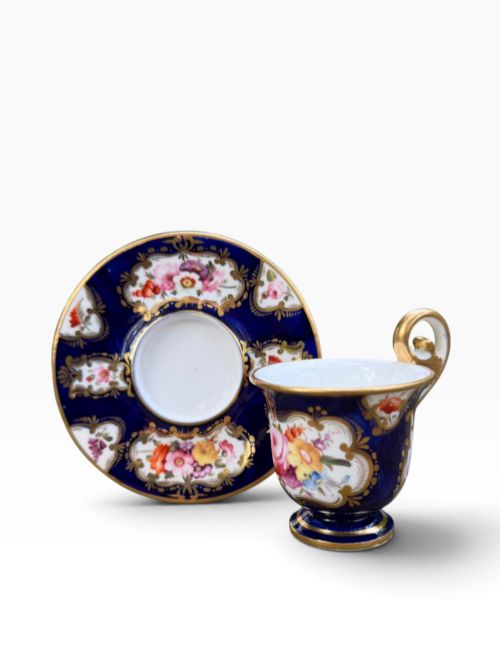
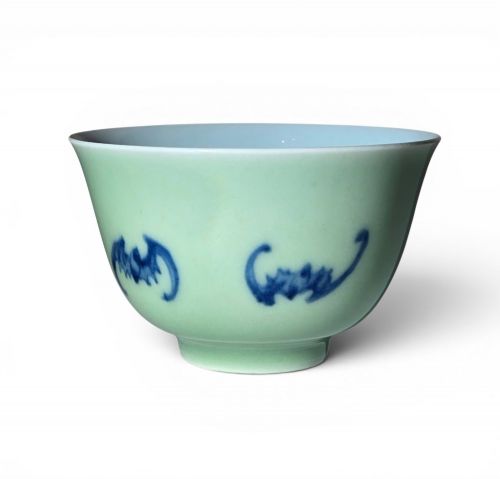


Antique Cobalt Teacup
An antique cobalt teacup brings intense royal blue ceramic depth to the table, rewarding collectors with rich eighteenth and nineteenth-century porcelain craft.
Antique Cobalt Teacup
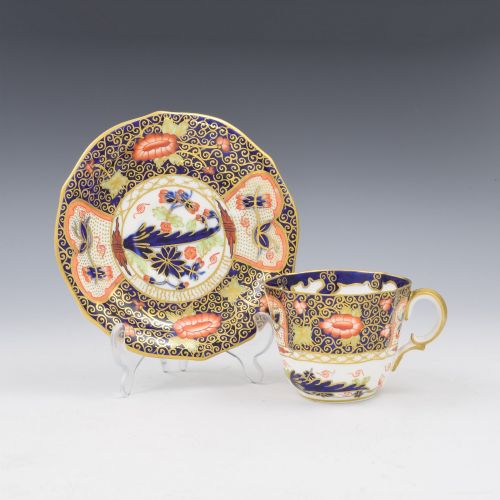
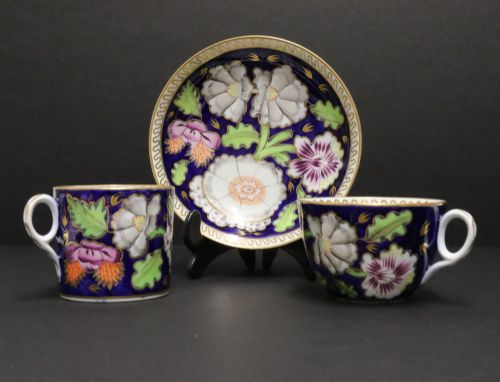
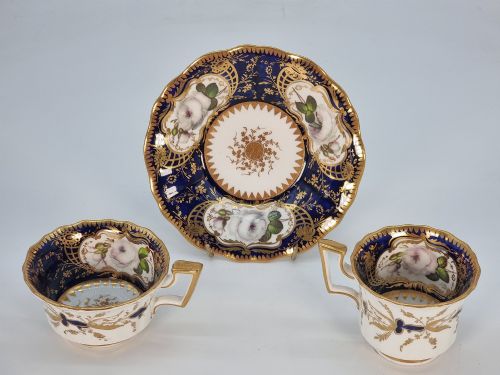
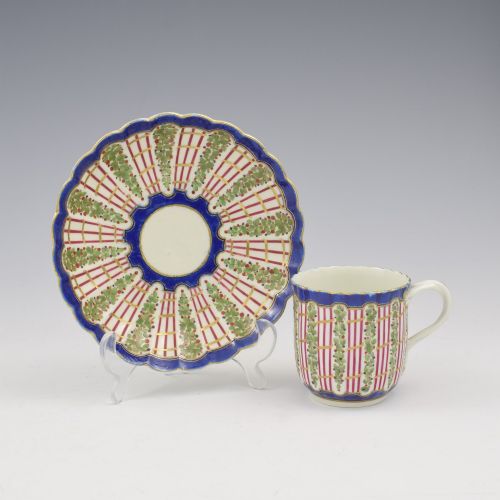
When you search for an antique cobalt teacup, you encounter a refined drinking vessel defined by deep blue mineral grounds, often paired with matching saucers and delicate gilding. These pieces bridge utilitarian tea-drinking history and ornamental cabinet display, originating from major European factories and Asian kilns across the eighteenth and nineteenth centuries.
The selections on this page span Georgian, Regency, and Edwardian eras, encompassing single cups, cabinet trios, and tea bowls with saucers. You will frequently find English porcelain alongside Continental and Chinese export wares, reflecting the global exchange of ceramic styles over two centuries.
How they were made
Potters achieved the signature deep blue coloration using cobalt oxide applied beneath the glaze or onto the porcelain surface before firing. Artisans then utilised bone china, soft-paste porcelain, or hard-paste bodies, shaping them on the wheel or moulding them in specialised workshops.
Decoration often involved intricate hand-gilding, gold leaf application, and enamel painting over the glaze. Kiln firing fixed these rich pigments permanently, creating the durable yet fragile surfaces seen on these historic teawares.
Listings feature porcelain, bone china, and soft-paste bodies decorated with enamel, gold leaf, and traditional gilding.
What varies in quality
The refinement of the porcelain body and the precision of the cobalt ground set finer items apart from standard wares. Early hand-pencilled motifs and thick, burnished gold leaf indicate superior factory output.
The crispness of moulded details, the evenness of the cobalt application, and the artistic skill in enamel work dictate the overall standing of each cup and saucer.
Royal Crown Derby·Coalport·Worcester·Spode·Moser
The Antique Cobalt Teacup Glossary
- Cobalt ground
- A rich blue background colour applied to porcelain before or beneath the final glaze. It serves as the primary visual foundation for gilded highlights and enamel patterns.
- Cabinet trio
- A matched set consisting of a teacup, coffee cup, and saucer designed primarily for display in a glass-fronted cabinet rather than daily tea service.
- Soft-paste porcelain
- An artificial ceramic paste fired at lower temperatures than hard-paste porcelain, common in eighteenth-century English factories. It yields a warm, slightly creamy body texture.
- Tea bowl
- A handleless drinking vessel used for tea before the widespread adoption of handled cups in Western ceramics. They frequently accompany matching saucers in Georgian listings.
- Gilding
- The application of gold leaf or gold paint to ceramic surfaces, used to highlight rims, handles, and painted motifs.
Antique Cobalt Teacup: Frequently Asked Questions
How were these teacups used?
These vessels served high-status social gatherings, functioning as functional tea-drinking implements in elite households. Many cabinet cups were made purely for decorative display in parlours.
Over time, changing tea habits shifted these sets from active dining rooms into enclosed display cabinets for collectors.
How do I live with antique porcelain?
Display these pieces securely away from direct sunlight and high-traffic areas to protect their delicate gilding and enamels. Hand washing in lukewarm water is essential if you choose to use them.
Most owners prefer to keep them in glass-fronted cabinets where the cobalt ground and gold leaf catch the light safely.
How do I tell periods apart?
Examine the ceramic body, handle shape, and decorative style to identify the era of manufacture. Eighteenth-century pieces often feature handleless tea bowls and hand-pencilled underglaze blue, while Regency and Edwardian items display distinct neoclassical or revivalist moulding.
Factory marks and pattern numbers stamped or painted on the base also provide clear chronological anchors.