

19th Century Ceramic Vase
A 19th century ceramic vase brings distinct global artistry and historic weight to a room through painted porcelain, earthenware and fine glazes.
19th Century Ceramic Vase
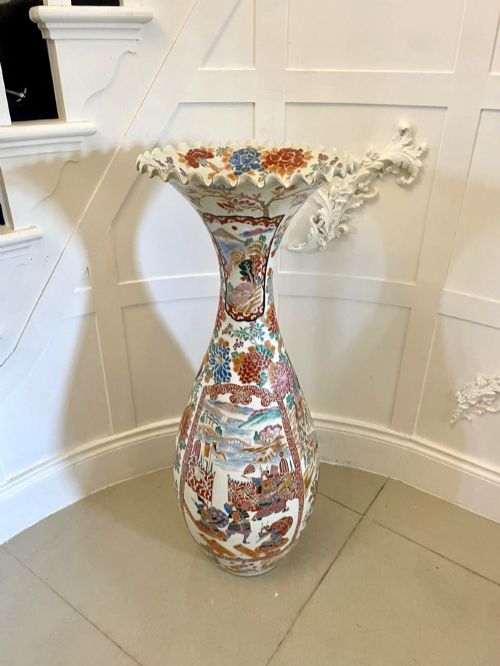
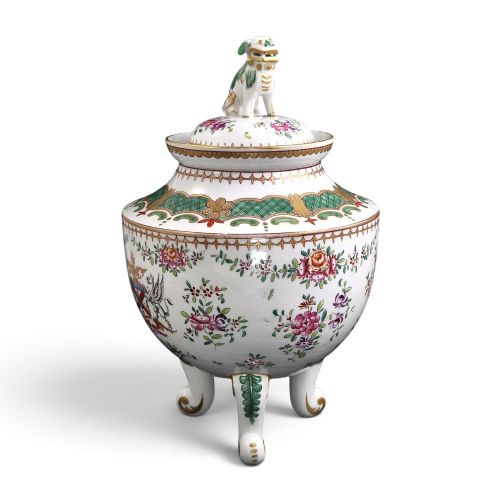
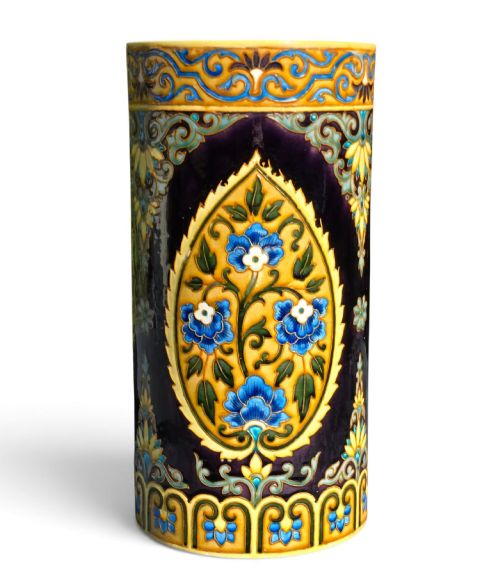
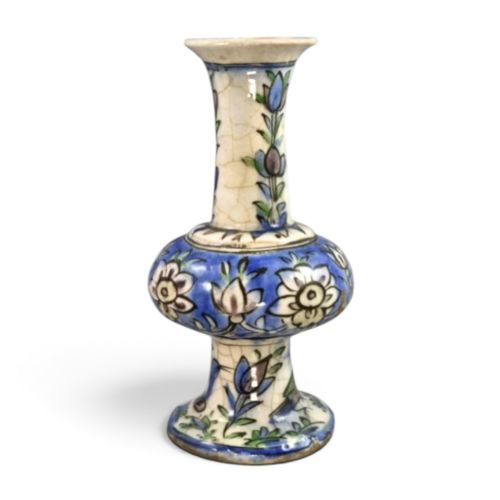
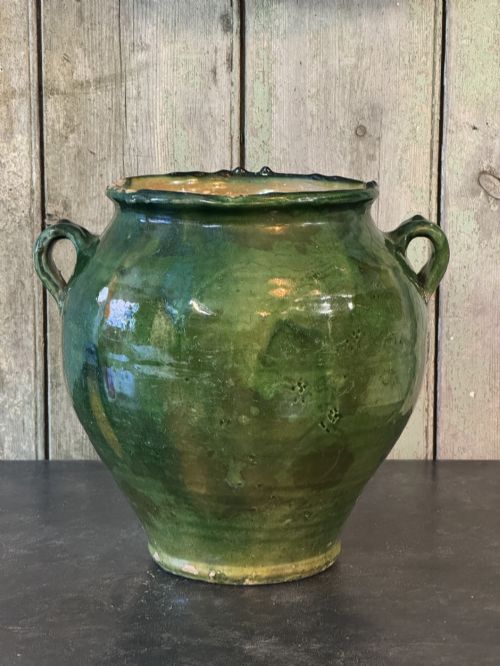
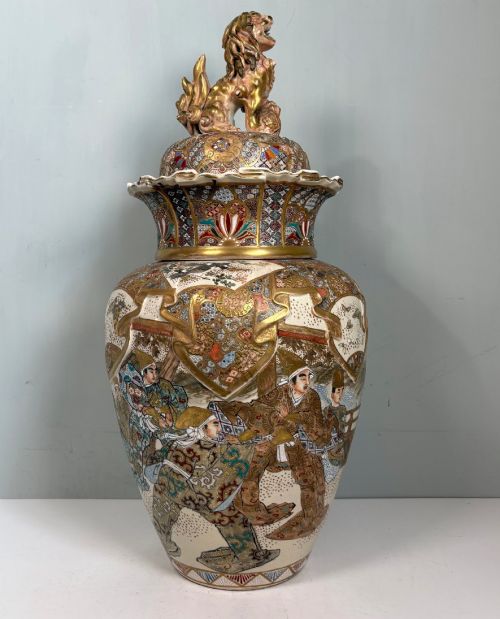
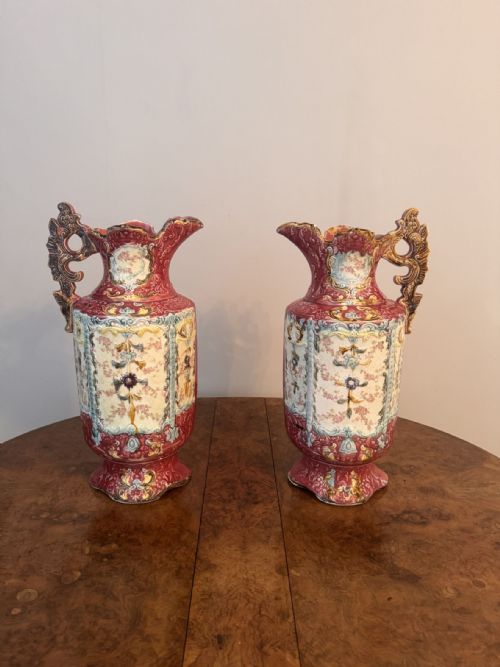
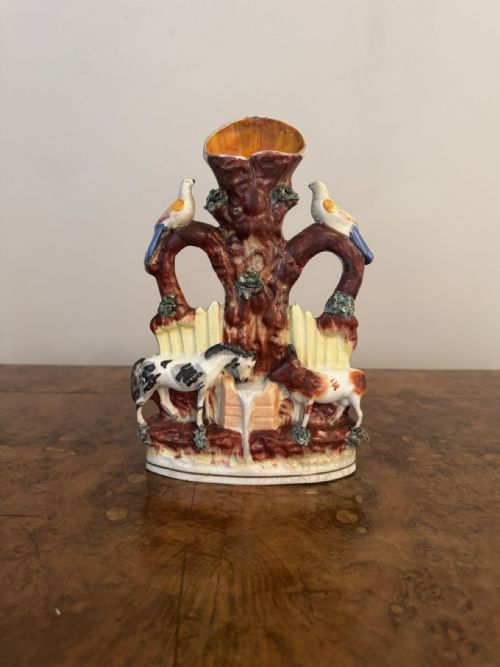
A 19th century ceramic vase encompasses a broad international range of decorative vessels, from large Japanese Imari and Satsuma floor pieces to European porcelain urns and earthenware spill vases. These objects reflect the widespread nineteenth-century fascination with classical revival, East Asian motifs and elaborate hand-painted domestic ornamentation. Buyers frequently encounter Victorian Staffordshire animal figures, French armorial porcelain and intricate majolica pieces among the available forms.
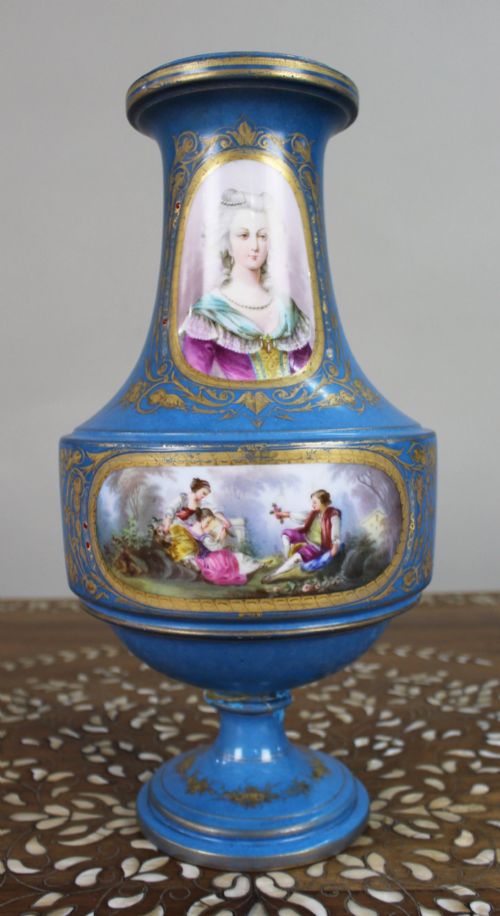
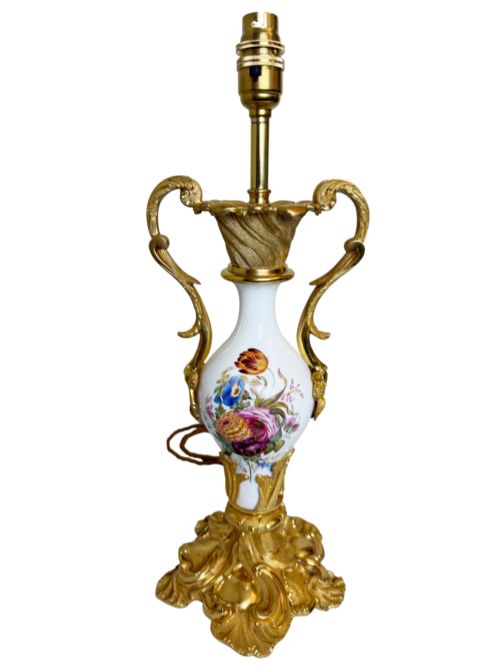
The selections span several distinct decades of the nineteenth century, capturing shifts from Georgian-era classicism through Victorian exuberance and late-century aesthetic movements. Forms range from compact cabinet vases and ginger jars to substantial umbrella stands, jardinieres and mounted table lamps. Many items demonstrate cross-cultural influences, such as French manufactories imitating Sèvres or Chinese styles, alongside authentic Meiji period Japanese works.
Materials and construction methods
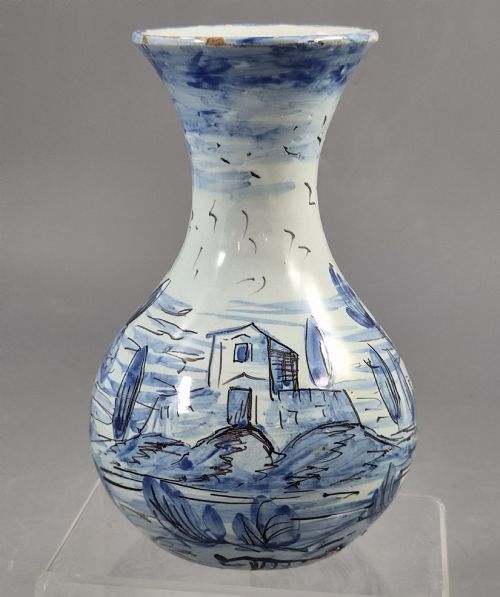
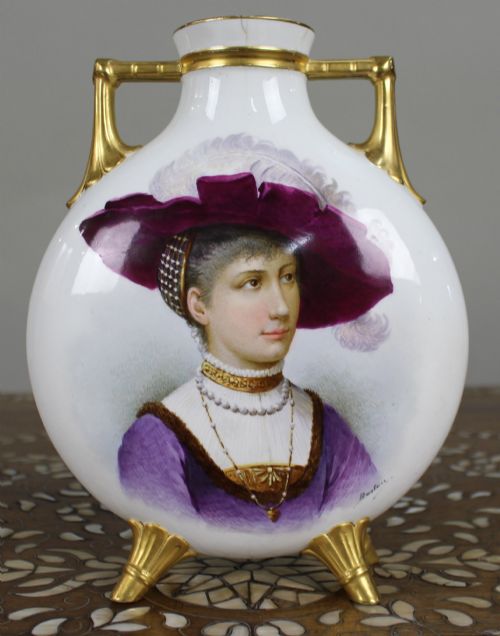
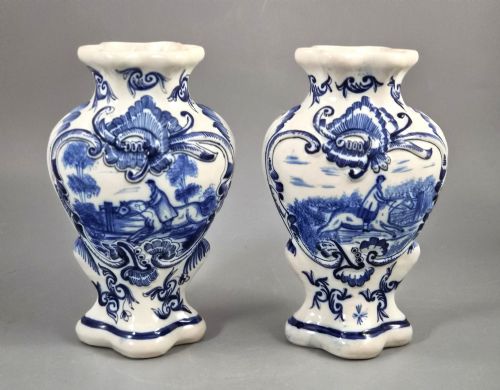
Makers utilised high-fired porcelain, earthenware, terracotta and majolica bodies, shaping them into bulbous jars, bottle vases, ewers and urns. Potters applied liquid glazes, polychrome enamel pigments and cobalt blue underglazes before secondary firings to achieve durable, glossy finishes. Many European and Asian works incorporated detailed hand-painting depicting flora, fauna and figural scenes.
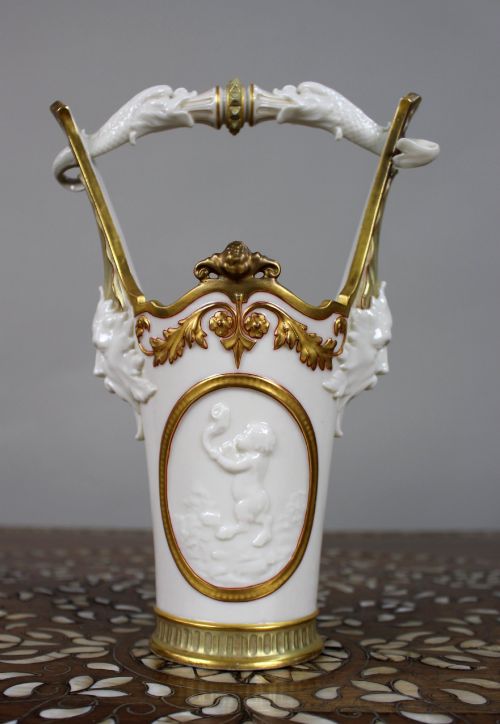
Gilding, gold leaf and applied brass or gilt bronze mounts frequently enhanced the finished ceramic bodies, particularly on French and English decorative wares. Specialised techniques such as cloisonné enamel work, lustre glazes and transfer printing added further textural and visual depth to the surfaces. Potters often marked their creations with factory ciphers, painted symbols or impressed stamps denoting the workshop of origin.
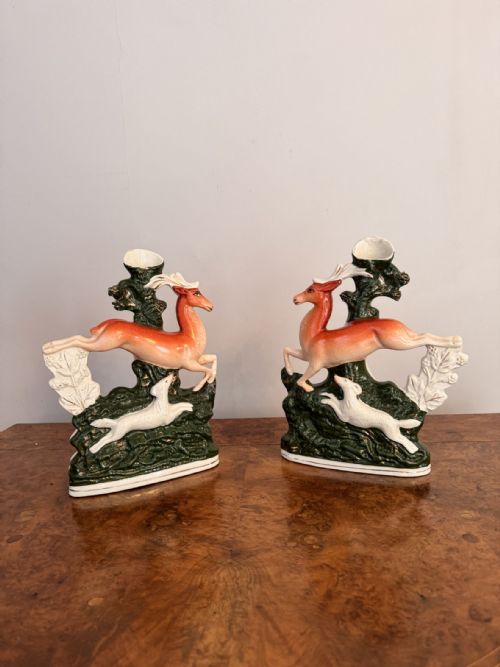
Nineteenth-century potters moulded cheerful Staffordshire sheep and attentive deer to stand quietly on mantelpieces.
Factors determining quality
Quality in a 19th century ceramic vase rests upon the precision of the hand-painted artistry, the crispness of moulded or thrown details and the purity of the glaze. Finer examples display confident brushwork, subtle colour shading and well-balanced compositions that reflect the master painter's hand rather than mechanical reproduction. The integration of gilt bronze mounts or intricate handles also distinguishes superior workshop production from standard commercial output.
The reputation of the producing factory or studio heavily influences the standing of a piece, with documented works from established porcelain manufactories and notable ceramic artists commanding greater regard. Condition plays a vital role, preserving the original vibrancy of the enamels and gilding without distracting restoration. The structural integrity of the ceramic body and any associated covers or matching pairs complete the assessment of overall excellence.
Royal Worcester·Cantagalli·Théodore Deck·Sitzendorf·Samson Paris·Helena Wolfsohn·Fourmaintraux Courquin·Barr Flight And Barr
The 19th Century Ceramic Vase Glossary
- Majolica
- A type of earthenware decorated with opaque coloured glazes over a tin-enamelled base. This technique allowed for vibrant polychrome designs popular during the Renaissance revival movements.
- Spill vase
- A small hollow vessel designed to hold taper spills used for lighting candles or fires. These practical domestic items frequently took figurative animal or botanical forms in Staffordshire pottery.
- Imari
- A style of Japanese export porcelain characterised by a palette of underglaze blue, iron red and supplementary gilding. European manufactories frequently copied these distinct aesthetic patterns.
- Ewers
- Large water jugs featuring a wide spout and an arched handle, often produced as decorative display pieces rather than functional tableware. They frequently match companion basins or stand as decorative urns.
- Jardinieres
- Ornamental pots or stands designed to hold large indoor plants or floral arrangements. They appear in ceramic, porcelain and earthenware across various nineteenth-century decorative styles.
19th Century Ceramic Vase: Frequently Asked Questions
What is a spill vase used for?
A spill vase held rolled paper spills or wooden matches next to a hearth so people could easily light candles, lamps or fires. These vessels were common household items in the nineteenth century.
Over time, these practical items became purely decorative mantelpiece ornaments, often moulded into charming shapes like animals or birds to delight Victorian households.
How do I identify Japanese Imari porcelain?
Japanese Imari porcelain is typically recognised by its distinctive palette combining deep underglaze cobalt blue with vibrant iron red and rich gilding. The patterns often feature intricate floral and geometric panels.
These export wares were heavily collected in the West during the nineteenth century, leading European makers to produce their own versions of the style.
Are porcelain marks reliable for dating?
Factory marks provide a helpful guide to origin and era, though many nineteenth-century European makers also imitated earlier marks to honour historical styles. Understanding factory history helps clarify these distinctions.
Physical characteristics such as paste composition, glaze texture and wear patterns offer additional evidence alongside painted or impressed ciphers.