

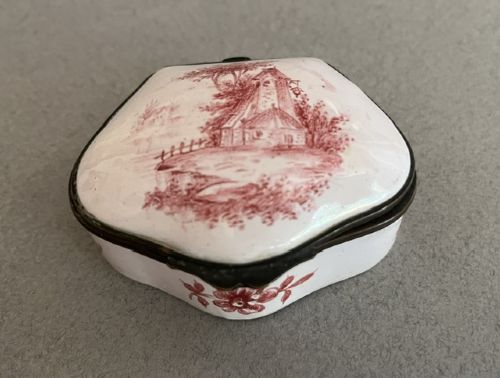


Antique Limoges Porcelain
Antique Limoges porcelain brings together French kilns and painterly finesse, offering delicate surfaces and rich gilding that collectors seek for cabinet display.
Antique Limoges Porcelain
Antique Limoges porcelain encompasses a diverse array of items originating from the French city, ranging from functional dinner sets to ornamental trinket boxes and wall plaques. These pieces span the nineteenth century into the twentieth century, capturing stylistic shifts from ornate revivalism to geometric modernism.
You are most likely to encounter nineteenth-century decorative dishes, lidded boxes, and coffee sets alongside later Art Deco powder bowls and ceramic bonbonnières. The variety includes both cabinet pieces adorned with hand-painted portraits and practical table services enriched with gilt highlights.
The forms reflect distinct periods of production, with earlier examples drawing on French Rococo and Renaissance revivals, while items from the nineteen-thirties adopt clean lines suited to Art Deco interiors.
Materials and methods of production
The foundation of these works is white ceramic porcelain, shaped into vessels, plaques, and mirror frames before undergoing high-temperature firing. Artisans applied coloured glazes and enamel details directly to the fired surface, often working by hand to achieve detailed figurative scenes.
Gilt metal, brass, and ormolu mounts frequently complement the ceramic bodies, particularly on trinket boxes, mirrors, and lidded dishes. These metallic additions provide structural framing and decorative contrast to the white porcelain and painted enamel.
Antique Limoges Porcelain Retail Price Guide 2026
Typical asking prices for limoges porcelain among the pieces listed under this phrase on Sellingantiques today, from the lower quarter to the upper quarter. They describe what is for sale here now, not the wider market.
Current listings feature items spanning the nineteenth century, the Edwardian era, and the nineteen-thirties, utilising porcelain, ormolu, and enamel.
Assessing quality in the collection
The standard of antique Limoges porcelain is determined by the crispness of the porcelain moulding and the skill evident in the hand-painted decoration. Finer pieces display meticulously rendered portraits or floral motifs with controlled brushwork, whereas simpler items rely on transfer printing or plain glaze.
The integration of metal mounts also separates categories of quality, with substantial cast ormolu and signed brass frames indicating a higher grade of production. Well-preserved gilding without rubbing elevates the standing of a dish or box within its period.
Ahrenfeldt and Asalvary·Joseph Meissonnier·Martial Redon
The Antique Limoges Porcelain Glossary
- Ormolu
- Gilded bronze or brass mounts used to frame and embellish porcelain boxes and mirrors. This technique originated in France and adds weight and decorative brilliance to ceramic objects.
- Bisque
- Unglazed porcelain that has been fired once, presenting a matte, porous texture resembling marble. It is frequently found on figurative pairs from the nineteenth century.
- Enamel
- Opaque or translucent glassy material fused to metal or porcelain through firing. It creates vibrant, permanent colour details on decorative plaques and boxes.
- Bonbonniere
- A small ornamental box specifically designed to hold sweets or bonbons. These lidded ceramic pieces often feature hand-painted surfaces and gilt metal trims.
Antique Limoges Porcelain: Frequently Asked Questions
What is antique Limoges porcelain?
Antique Limoges porcelain refers to ceramic items produced in the French regional hub of Limoges, known for fine paste and artistic decoration.
Production spans from the nineteenth century into the twentieth, encompassing everything from utilitarian dinner services to decorative trinket boxes.
How do I date these porcelain pieces?
Dating relies on stylistic indicators such as nineteenth-century revival motifs compared to nineteen-thirties Art Deco geometric forms.
Makers' marks, the presence of specific metal mounts like ormolu, and painting techniques also help place an object within its era.
How were trinket boxes used?
Trinket boxes served as small receptacles on dressing tables and desks for holding jewellery, pins, and personal keepsakes.
Their decorative lids and hinged mounts made them both practical storage items and fashionable desktop ornaments.
How should I display porcelain plaques?
Painted porcelain plaques are typically hung on walls or exhibited within glazed cabinets to protect their delicate enamel surfaces.
Displaying them away from direct sunlight preserves the vibrancy of the hand-painted pigments and the integrity of the ceramic.