





Flight Barr Worcester Porcelain
Flight barr worcester porcelain brings together the finest Regency and Georgian ceramic artistry, offering collectors painted landscapes, rich gilding, and intricate porcelain forms from the historic manufactory.

Flight Barr Worcester Porcelain
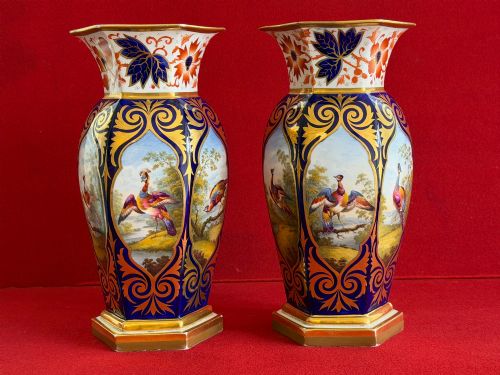
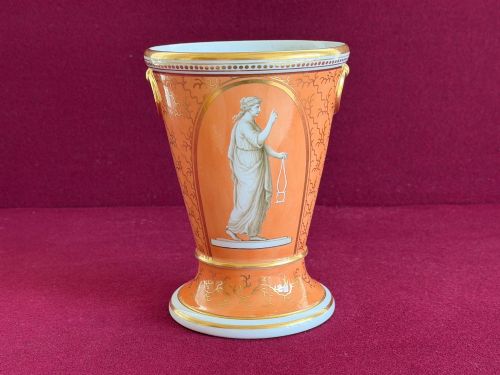
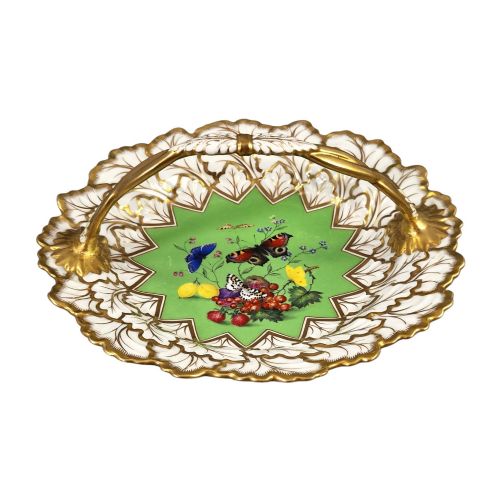
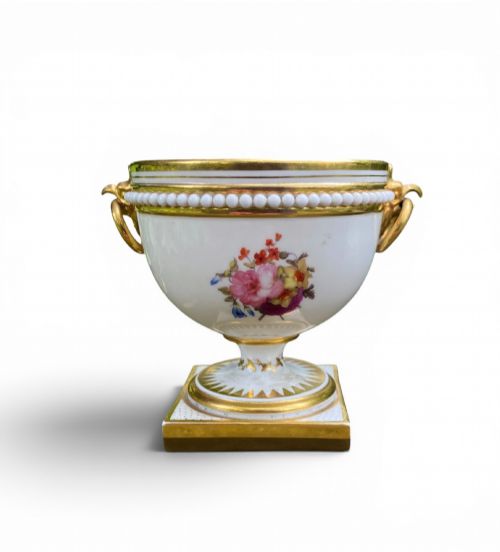
The objects gathered here represent the output of the Worcester factory under the management of the Flight and Barr families during the Georgian and Regency periods. Collectors encounter functional tea wares alongside decorative garnitures, jardinieres, and cabinet plates.
The surviving pieces span teacups, saucers, coffee cans, and topographical plates. These domestic and display ceramics reflect the shifting tastes of the early nineteenth century.
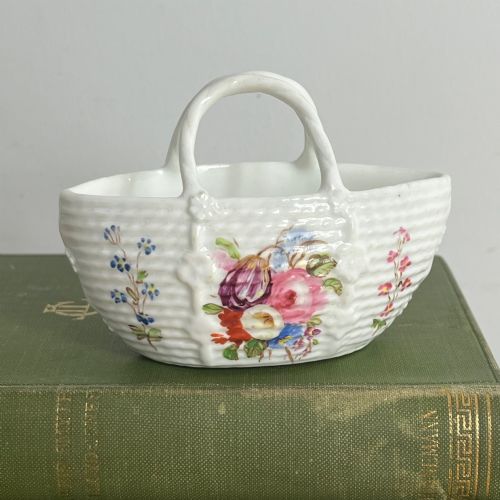
Makers produced items ranging from miniature baskets to large ice pails and entrée dishes. Each category demonstrates the high standards upheld by the factory during these decades.
Materials and Manufacture
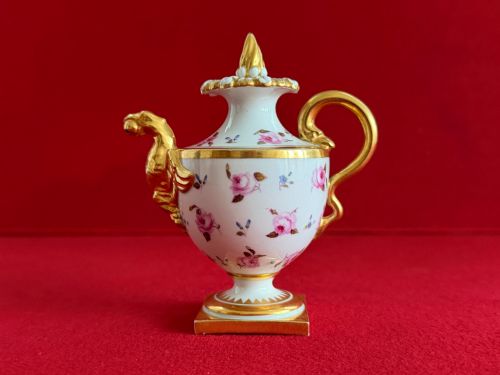
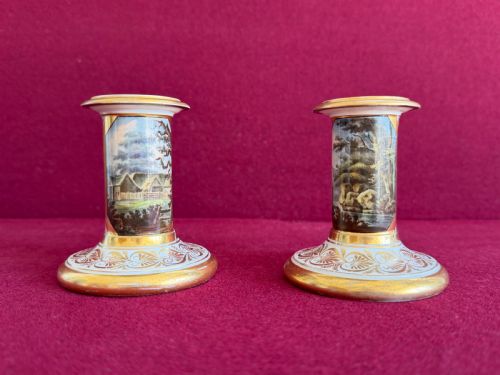
Workers shaped soft-paste porcelain and bone china into vessels before applying cobalt enamel, gold leaf, and rich gilding. Painters utilised enamel colours to execute detailed botanical studies, birds, and topographical views.
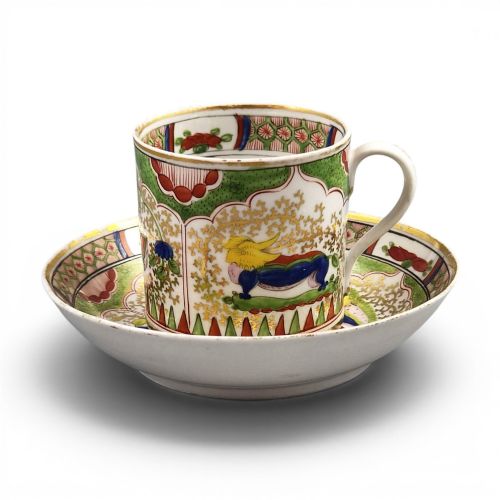
Decorators often employed specific patterns such as the Dragon in Compartments or Japan designs. Guilders added extensive gold highlights to handles, rims, and borders to complete each piece.
Early nineteenth-century dining tables occasionally featured rose water sprinklers, allowing guests to freshen their hands between courses.
Evaluating Quality and Execution
Quality rests upon the precision of the hand-painted decoration and the crispness of the porcelain moulding. Pieces painted by recognised hands or featuring complex topographical scenes command greater attention.
The application of gold leaf and the depth of the cobalt enamel reveal the artisan's skill. Superior items retain unrubbed gilding and balanced compositions across plates and vases.
Thomas Lowe·Samuel Astles·William Billingsley
The Flight Barr Worcester Porcelain Glossary
- Soft-paste porcelain
- A ceramic material composed of clay and glass frit, fired at lower temperatures than hard-paste porcelain. It yields a warm, slightly creamy body favoured by early Worcester potters.
- Cobalt enamel
- A deep blue metallic oxide pigment used for underglaze and overglaze decoration. It provides the striking background colour for patterns like Dragon in Compartments.
- Gilding
- The application of gold leaf or powdered gold to ceramic surfaces. Artisans burnished the metal to achieve a bright, reflective finish on handles and borders.
- Garniture
- A set of three or more matching vases designed to be displayed together on a mantelpiece or sideboard. These sets demonstrate symmetry in shape and painted design.
- Entrée dish
- A covered serving vessel used for formal dining. Worcester workshops produced these items with gilt handles and matching stands.
Flight Barr Worcester Porcelain: Frequently Asked Questions
What periods do these pieces date from?
The items originate primarily from the Georgian and Regency eras. Production spans from the late eighteenth century through the early decades of the nineteenth century.
Most surviving examples cluster around the years between eighteen hundred and eighteen twenty-five. This timeframe covers the principal partnerships of the Flight and Barr families.
How were these porcelain items used?
Many pieces served practical functions in domestic dining and tea rituals. Teacups, coffee cans, chocolate cups, and sauce tureens formed part of elite household service.
Other objects were strictly ornamental. Vases, jardinieres, chambersticks, and cabinet plates filled drawing rooms and dining tables as displays of wealth and taste.
How do I identify a specific factory period?
Makers marked their output with variations of the Flight and Barr names painted or impressed into the paste. These inscriptions changed as the partnerships evolved over time.
Stylistic cues also help determine the period. Early pieces often feature spiral fluting, while later Regency examples lean towards bold Japanese imitations and topographical scenes.
How should I care for antique porcelain?
Antique ceramics require gentle handling and manual washing in lukewarm water. Mild soap removes dust without harming fragile enamels or delicate gold leaf.
Keep pieces away from direct sunlight and extreme temperature fluctuations. Avoid placing them in dishwashers or using abrasive cleaning materials.